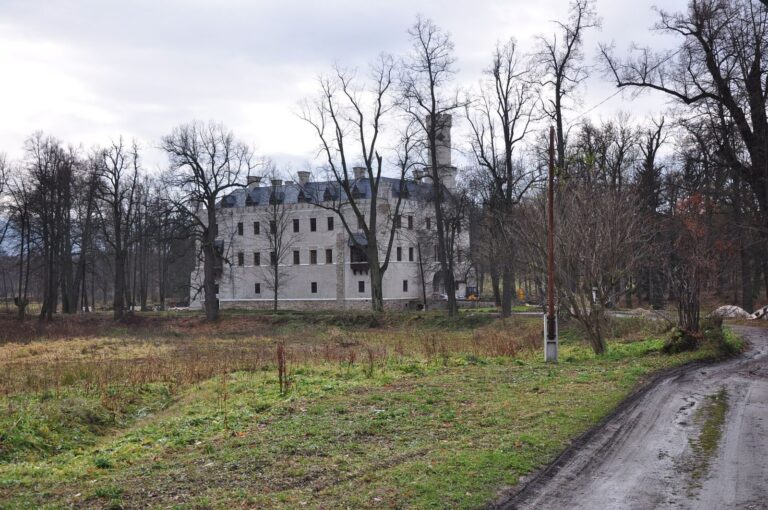
Schaffgotsch Family Mausoleum in Raszów: A Funerary Chapel
Site at a Glance
- Popularity
- Medium
- Country
- Poland
- Primary era
- Early Modern
- Eras represented
- Early Modern
- Civilizations
- Habsburg, Habsburg Austria, Holy Roman Empire, Kingdom of Bohemia
- Site type
- Religious
- Remains
- Tomb
On this page8 sections
History
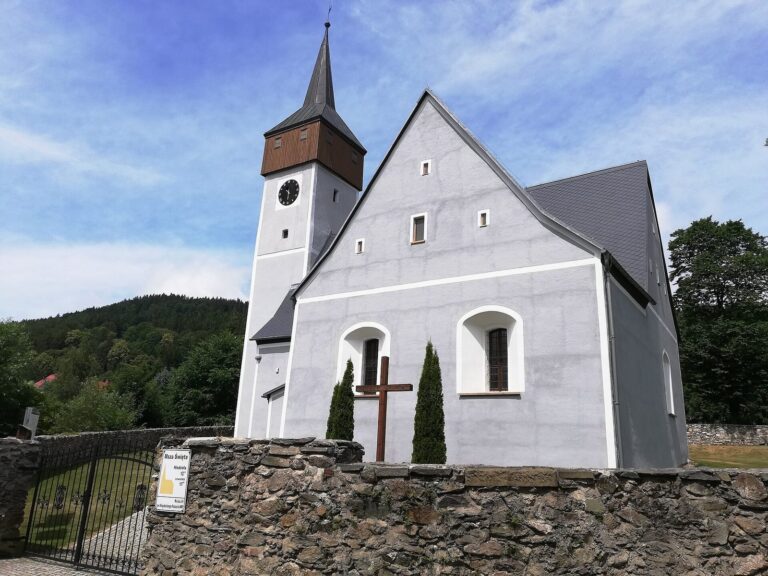
The Schaffgotsch family Mausoleum in Raszów, Poland, is a funerary chapel within the Church of the Immaculate Conception of the Blessed Virgin Mary. Added in 1577, it served as the burial place of the Silesian von Schaffgotsch family of Grodztwo. Its funerary ensemble is among the largest and most valuable in Lower Silesia.
Remains
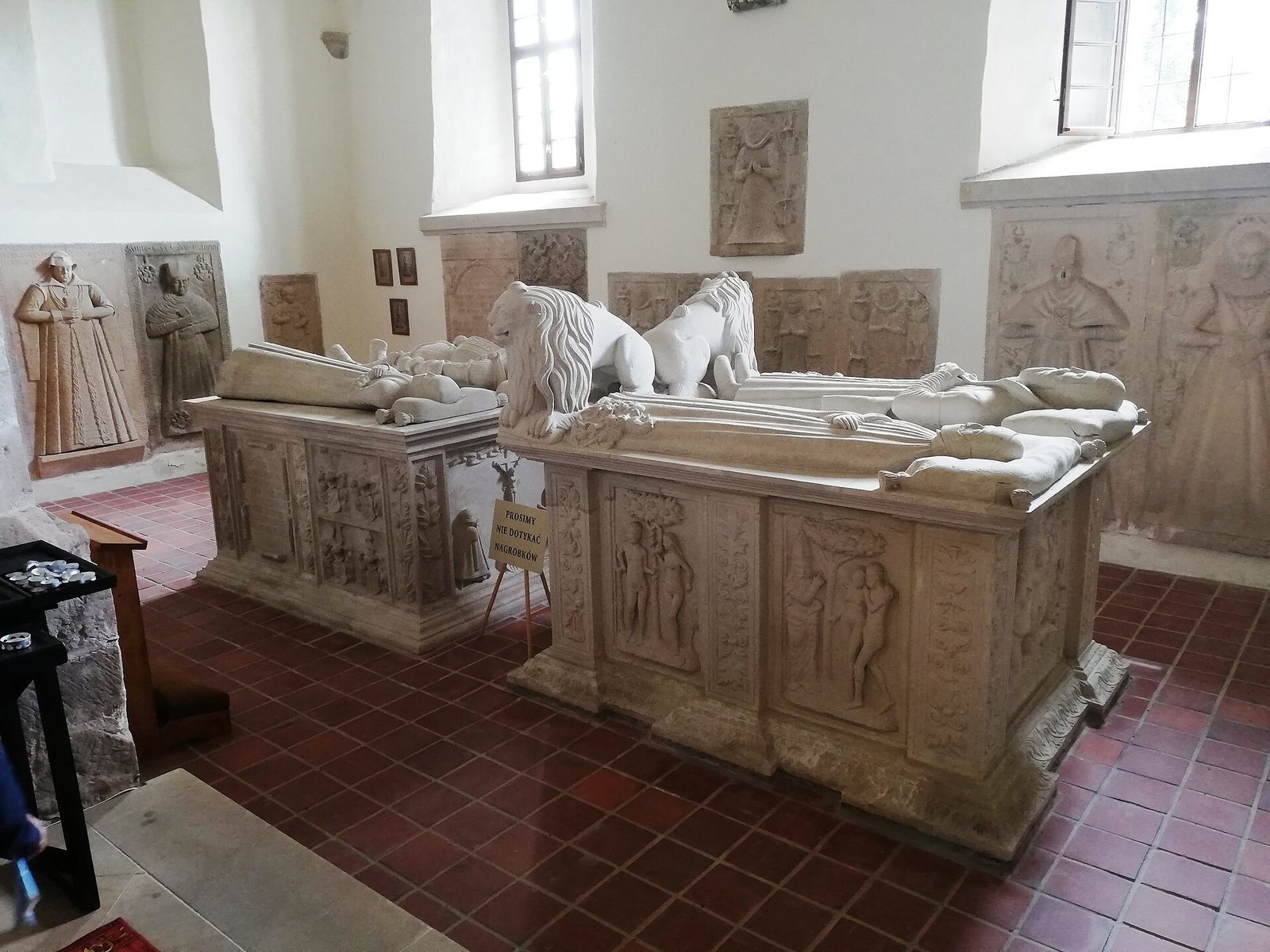
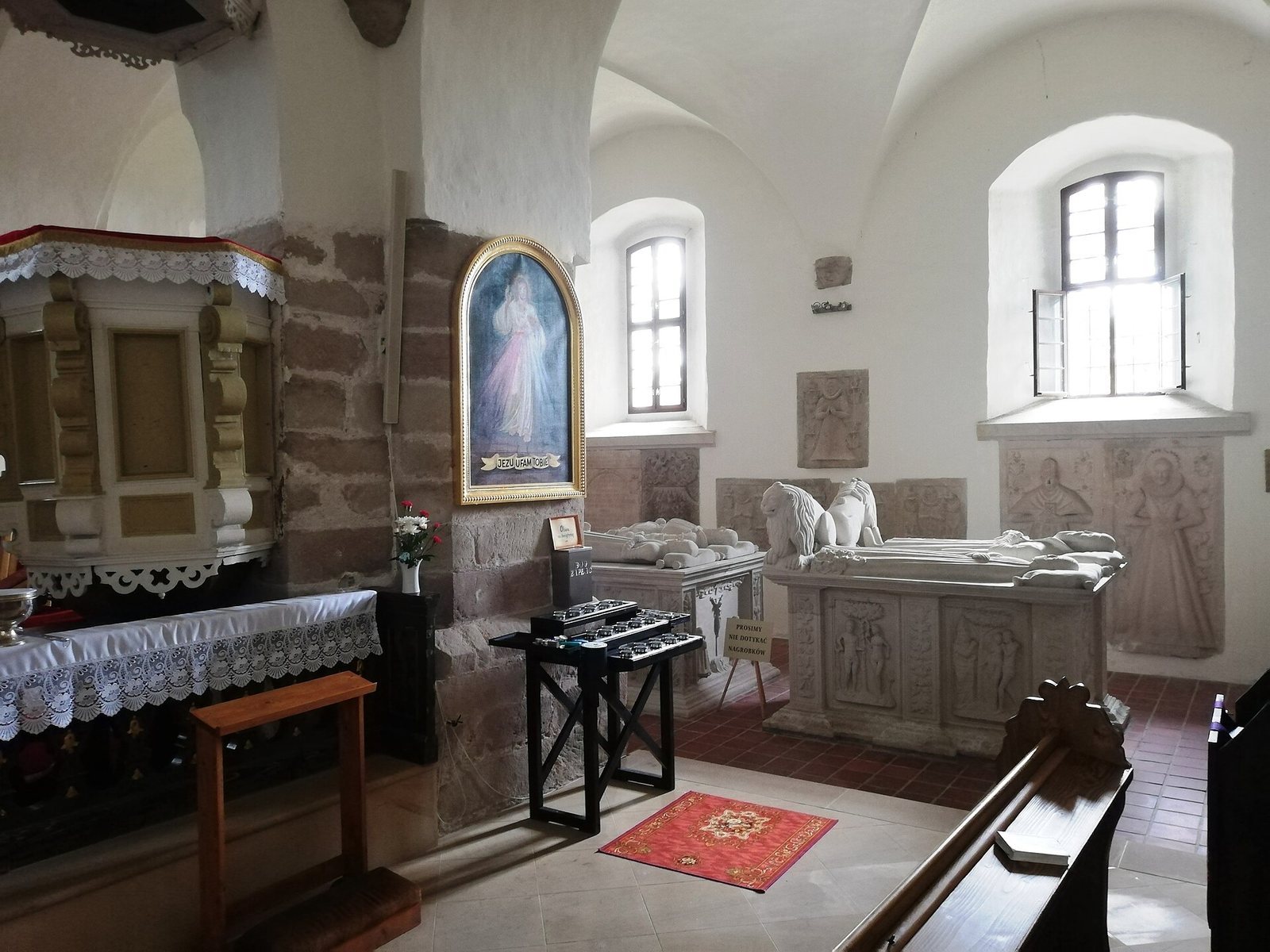
The chapel’s furnishings are arranged around two tall stone tomb chests at its center, with a monumental white-marble tomb on the west wall and further memorials along the lower walls. Many of the Renaissance works use coats of arms, heraldic designs that identify families and lineages. The Renaissance was a European artistic period associated with renewed interest in classical forms.
Central tombs and west-wall monument
Central tomb chests
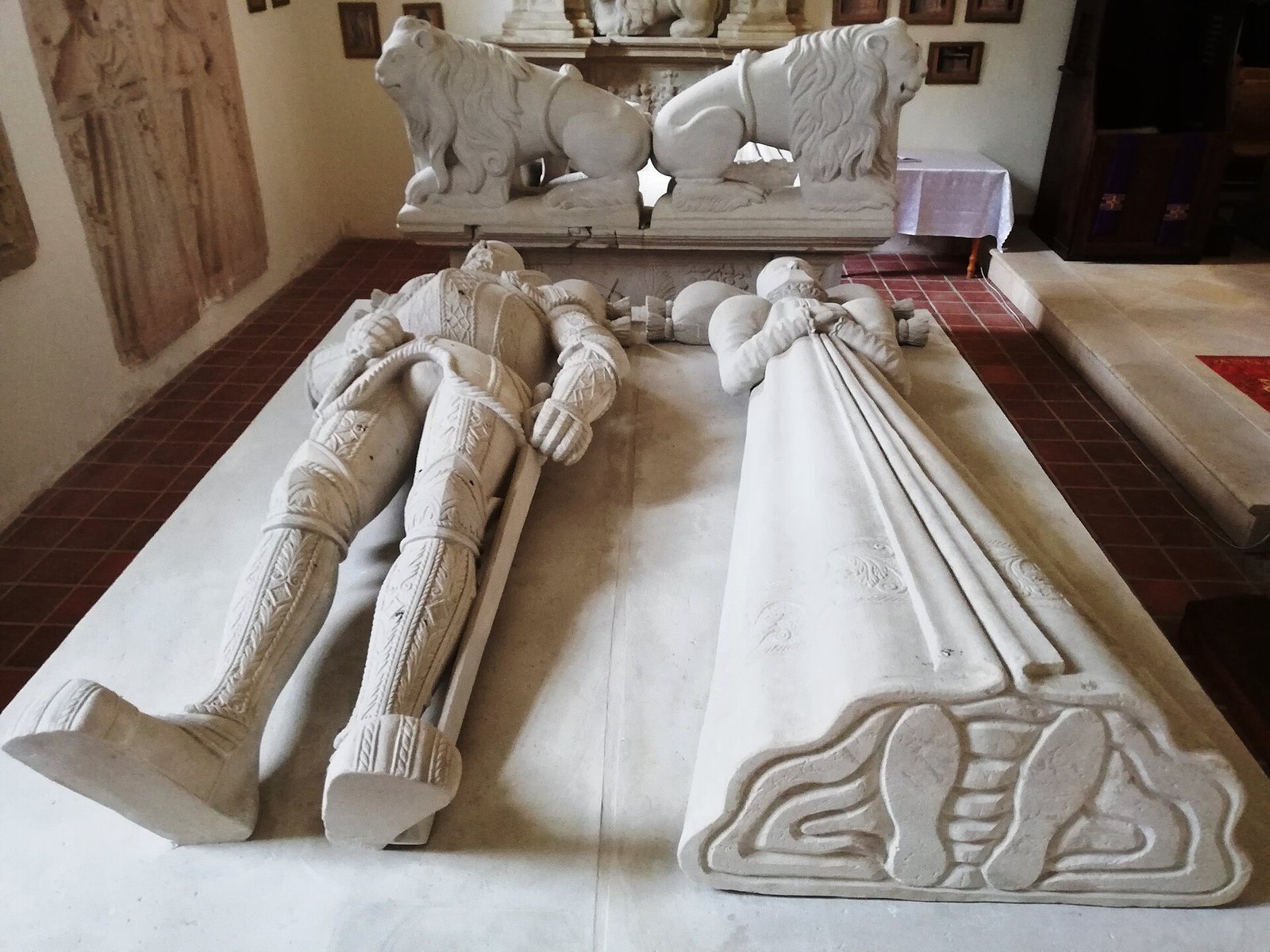
The two central tombs have richly sculpted slabs and chests. One commemorates Hans I Schaffgotsch, who died in 1565, and his wife Salomea, née von Nimtsch, who died in 1567. The other is for Hans II Schaffgotsch, who died in 1572, and his wife Margaretha, née von Hochberg, who died in 1574.
Panels on the tomb associated with Hans II and Margaretha display family arms in carefully arranged groups. On the side toward Hans II, one panel places Schaffgotsch and Hedwig von Zedlitz, his grandmother (1415–1491), on the left, with his mother Anna Schönburg and Warnsdorff on the right. The adjoining panel shows Nimptsch and Stosch on the left, and Klux and Mühlheim on the right. On the side toward Margaretha, Hochberg and Loeben occupy the upper row, with Reibnitz and Schaffgotsch below.
West-wall tomb
A monumental Renaissance tomb of white marble fills the west wall. It shows the deceased at full length in armor, presented as though alive. The memorial slab is framed by pilasters, shallow columns attached to a wall, decorated with Renaissance candelabra designs, inscriptions, and coats of arms. Above it, the crowning section depicts the Resurrection and, at its summit, God the Father.
Lower-wall memorials
Tomb slabs
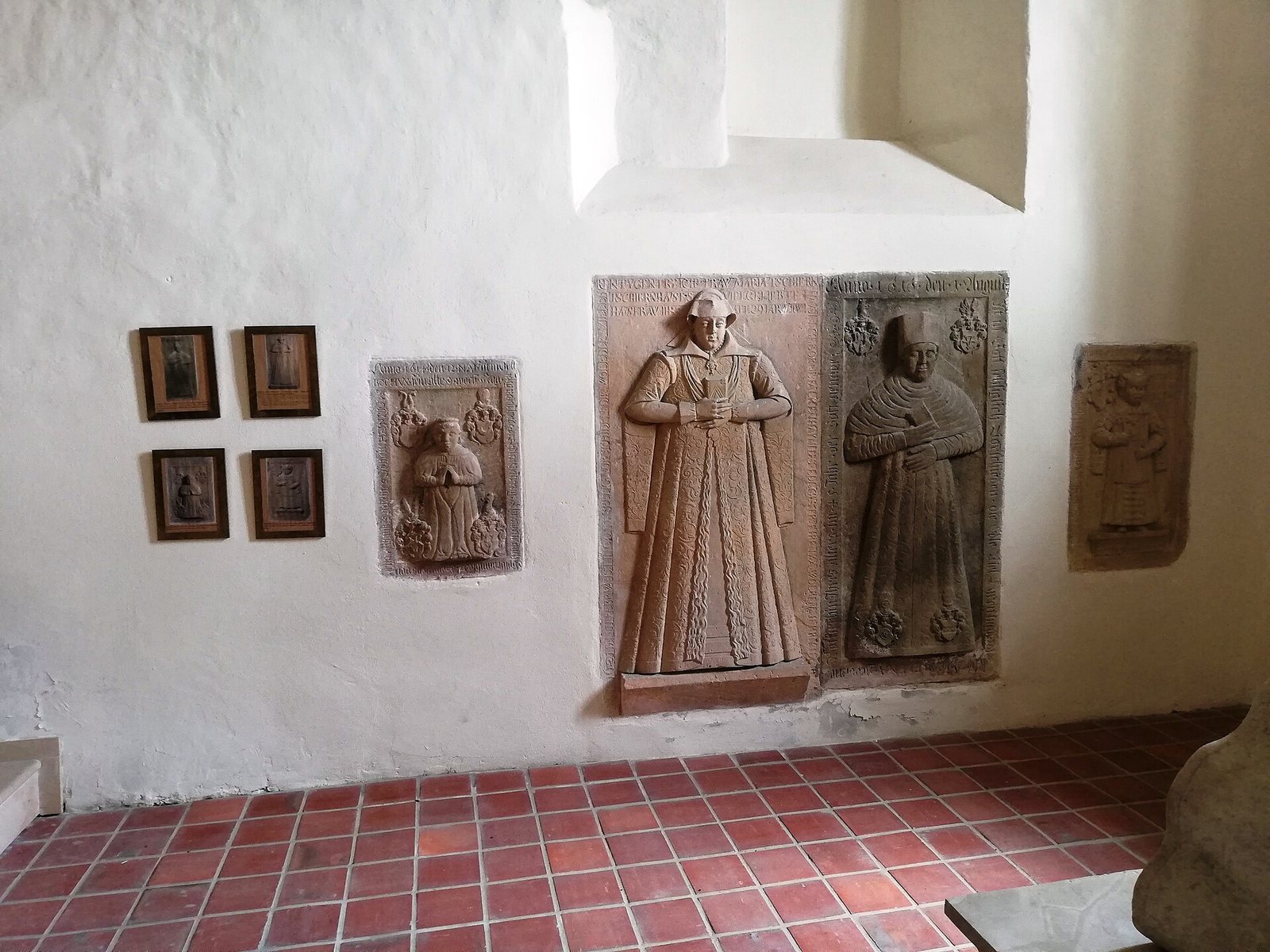
Six Renaissance tomb slabs, dating from the 16th and 17th centuries, line the chapel’s lower walls. They differ in size and in the detail of their sculpted figures. Heinrich Schaffgotsch’s slab, for a man who died in 1580, carries the paternal arms of Schaffgotsch and Berka and the maternal arms of Zedlitz and Falkenberg. A panel below a lion also displays the arms of Schönburg and Warnsdorf. Elena Rothkirch’s slab, commemorating her death in 1616, shows the paternal arms of Rothkirch and Reder and the maternal arms of Zedlitz and Hedereich. Another Schaffgotsch slab pairs the family arms with those of Seidlitz and shows the arms of Niemitz twice. Heinrich von Tschirnhaus, who died in 1614, is represented with the paternal arms of Tschirnhaus and Czettritz and the maternal arms of Falckenhain and Rothkirch.
Family epitaphs
Eleven Renaissance family epitaphs, memorials commemorating the dead, are also set along the lower walls. They date from 1590 to 1621.