Sanctuary of Our Lady of Miracles in Lonigo: A Marian Pilgrimage Church
Site at a Glance
- Popularity
- Low
- Country
- Italy
- Primary era
- Medieval
- Eras represented
- Medieval, Early Modern
- Civilizations
- Venetian
- Site type
- Religious
- Remains
- Sanctuary
On this page11 sections
History
Earlier church and reported prodigy
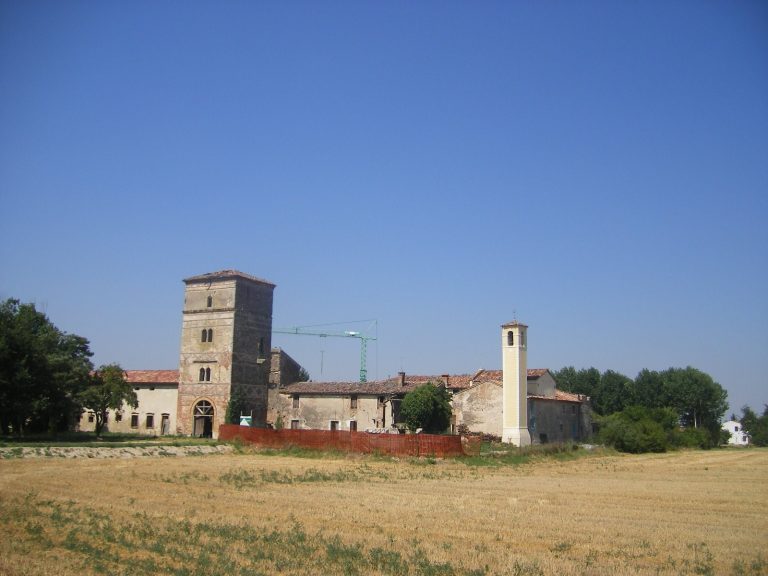
The Sanctuary of Our Lady of Miracles in Lonigo, Italy, is a Catholic pilgrimage site associated with a Marian prodigy traditionally dated to 1 May 1486. Its history reaches back to an earlier church on the same site, dedicated to Saint Peter in Lamentese. That church may have commemorated a massacre attributed to the Huns in 457. It is known from around the tenth century, and a papal bull issued by Alexander III on 11 July 1177 is cited as evidence of its existence. The church later fell into disuse.
According to tradition, the 1486 event began when three shoemakers from Verona, Guglielmo, Gianantonio, and Giampietro, travelled to the market at Lonigo. Guglielmo and Gianantonio plotted to steal Giampietro’s 50 ducats and killed him on their return near the church. While the two divided the money inside, Guglielmo repented. Gianantonio then struck an image of the Virgin Mary, painted on the church’s south wall, with a dagger. The image was said to bleed and come to life, with the Virgin covering her face. The men fled toward Verona and were discovered. Guglielmo was executed, while Gianantonio escaped.
The sanctuary and its monastery
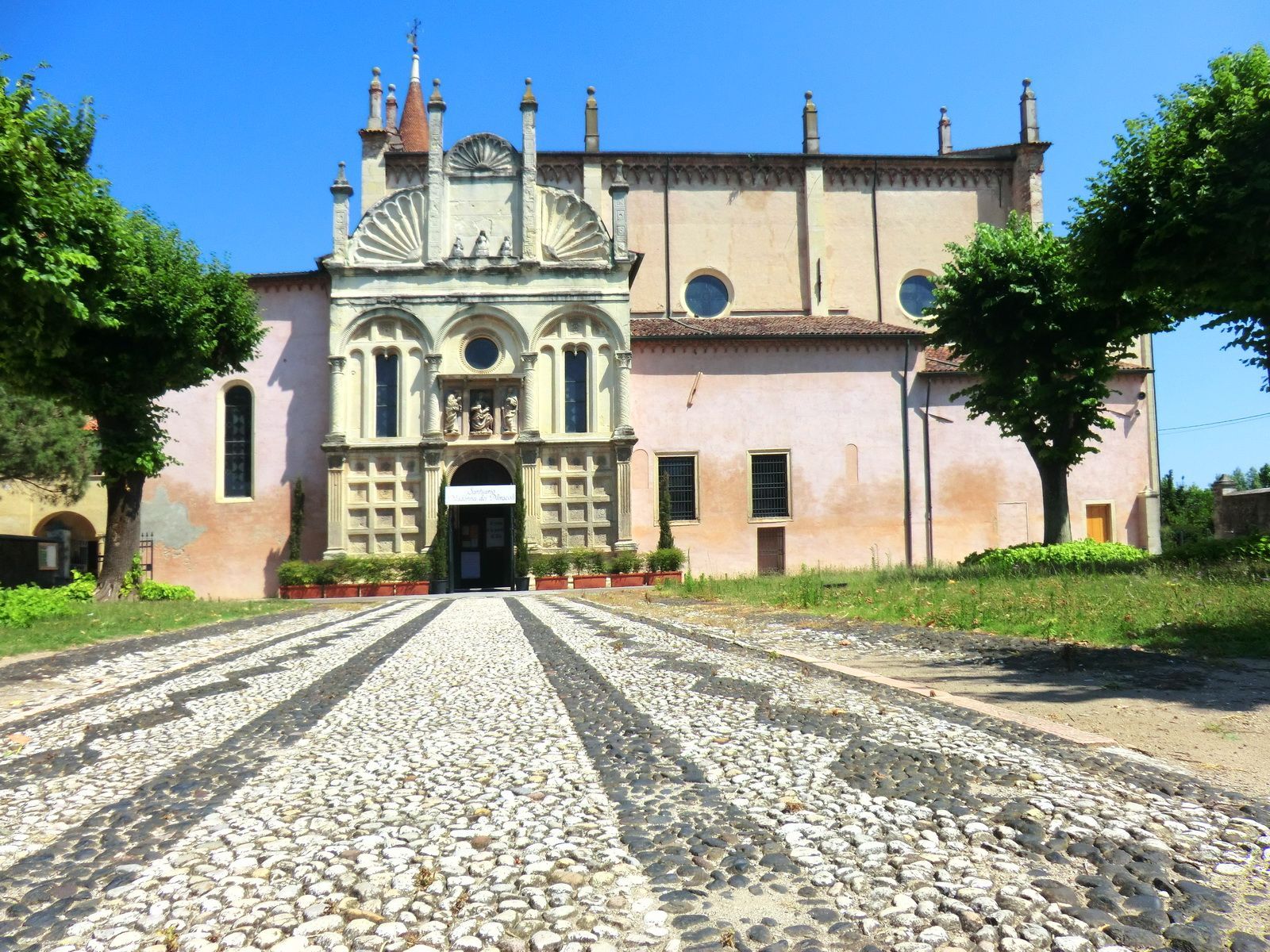
Church authorities recognized the event as a prodigy, and the site became a place of pilgrimage where further miraculous events were also reported. The Olivetans, a Benedictine monastic congregation, received permission to establish a monastery there. Over a little more than three decades, the site grew into a larger complex intended to accommodate the increasing number of faithful. The sanctuary church was consecrated on 29 September 1488.
During this early development, Francesco II Gonzaga, Marquis of Mantua, commissioned a chapel in honor of Our Lady of Miracles, a devotional title for the Virgin Mary. Major losses altered that chapel in 1709.
Closure and renewed worship
In 1771, the Republic of Venice closed the monastery and sold it to the Balbi-Valier noble family. The church then fell into disuse. In 1827, pressure from the faithful led to the appointment of a chaplain and the return of religious services. Later rulings in Venice and Vicenza allowed major celebrations and pilgrimages to resume.
The fourth centenary of the prodigy was marked in 1886, when a major restoration began. The sanctuary became a parish in 1955. A decree of the Holy See, the central governing authority of the Catholic Church, established an annual commemoration on the fourth Sunday after Easter.
Remains
Church and devotional spaces
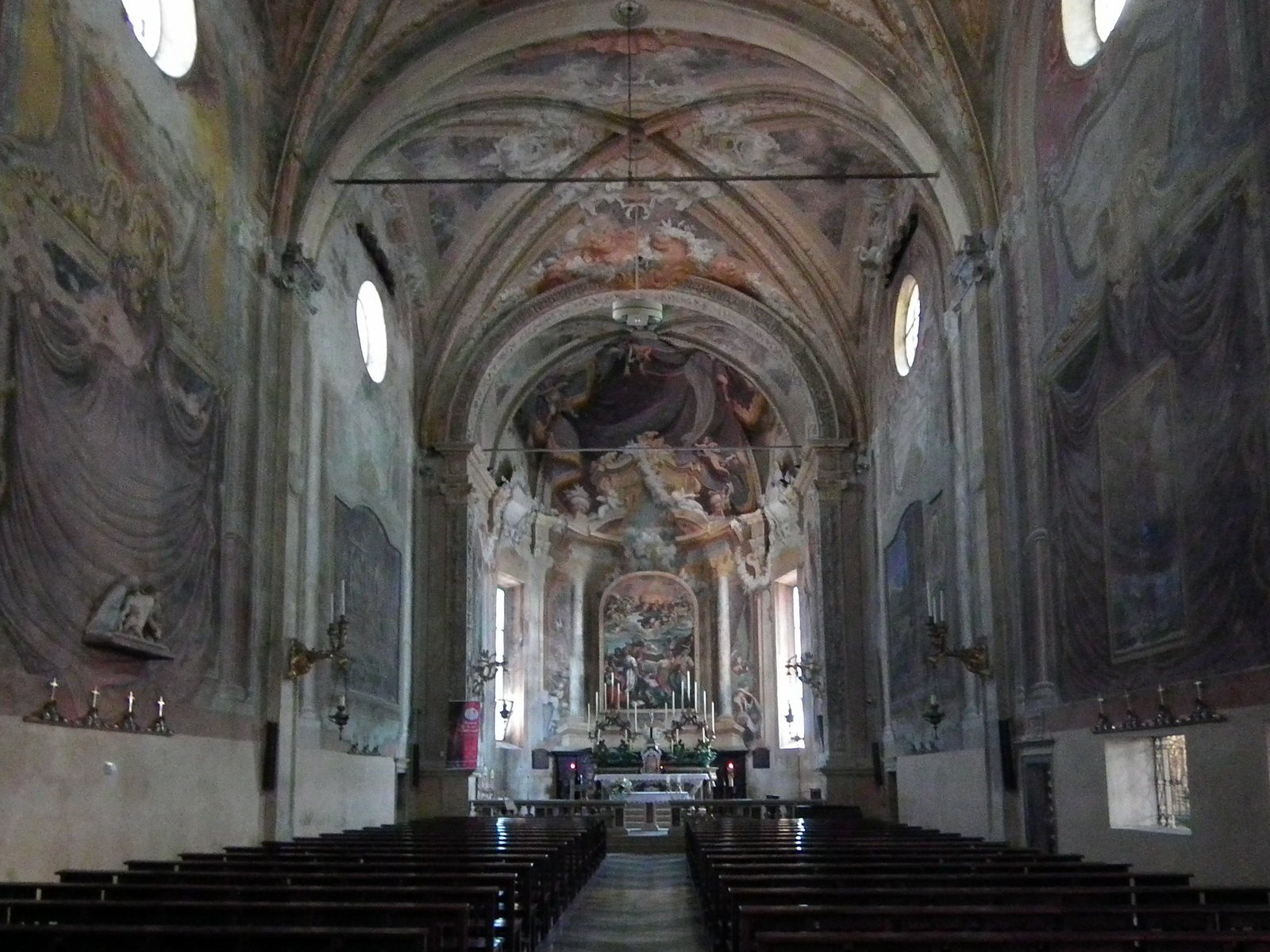
The church is arranged around a single nave that opens onto the sanctuary chapel and the chapels of Saint Scholastica and Saint Frances of Rome. Its main altar is made of multicolored marble and carries an Assumption altarpiece by Francesco Montemezzano. The Assumption is the Christian belief that Mary was taken bodily into heaven.
Sanctuary chapel
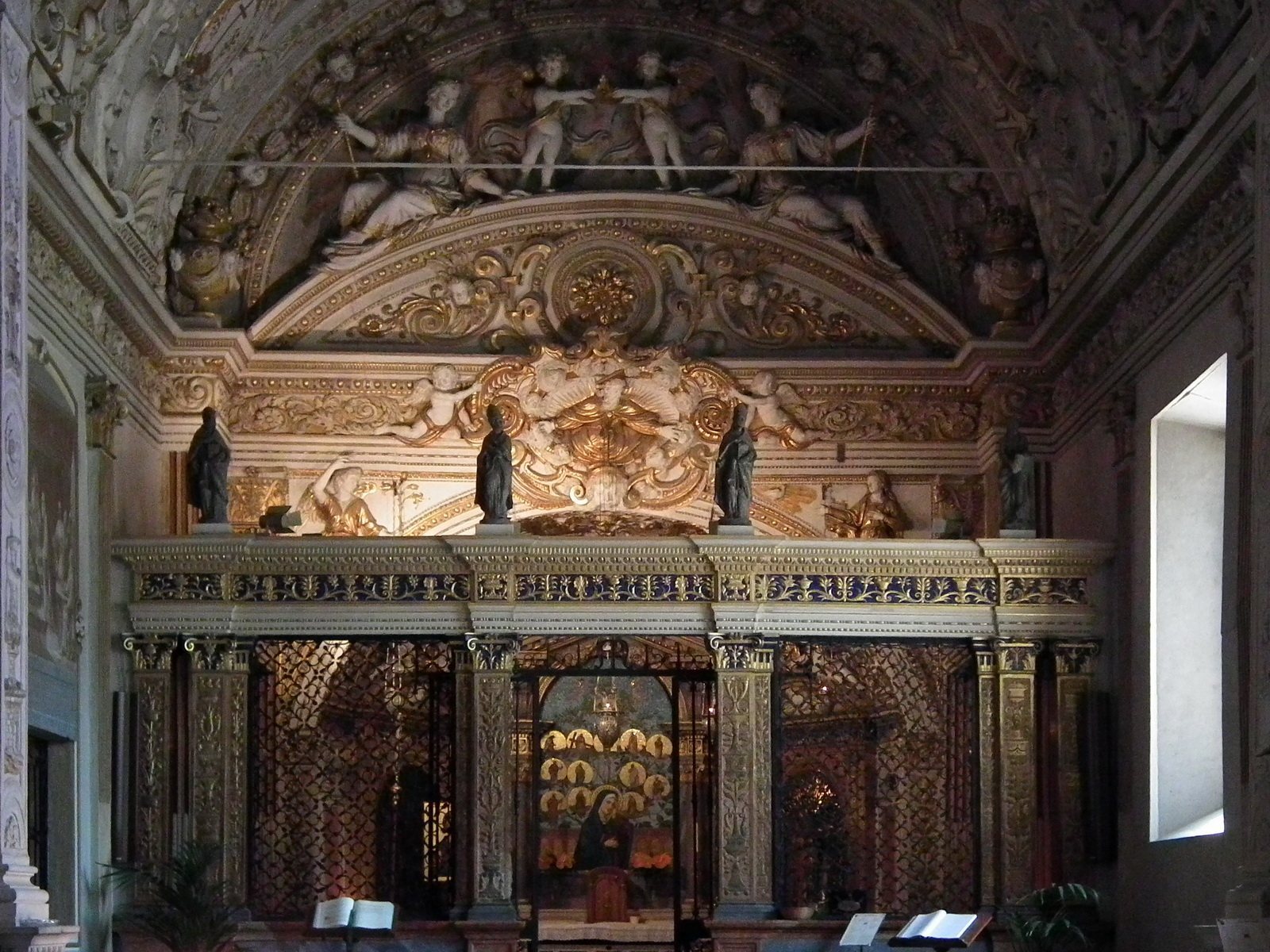
The sanctuary chapel is the original building around which the later complex developed. It contains the painting at the center of the reported miracle. The image shows the Virgin shielding her injured eye, with visible marks regarded as splashes of blood.
Chapel of Saint Scholastica
Facing the sanctuary chapel, the Chapel of Saint Scholastica has an eighteenth-century altar of multicolored marble. Its altarpiece by Giorgio Tailer depicts the saint’s passing. Saint Scholastica was an early Christian monastic leader associated with Benedict of Nursia.
Chapel of Saint Frances of Rome
The altar in this chapel bears a canvas of Saint Frances of Rome, copied from an original by Guercino, the Italian painter Giovanni Francesco Barbieri.
Ex-voto museum
Beside the sanctuary chapel, the ex-voto museum opened in 1997. It holds 353 painted offerings given by the faithful between 1486 and 1893, in thanks for perceived divine help or in fulfillment of vows.
Chapel commissioned by Francesco II Gonzaga
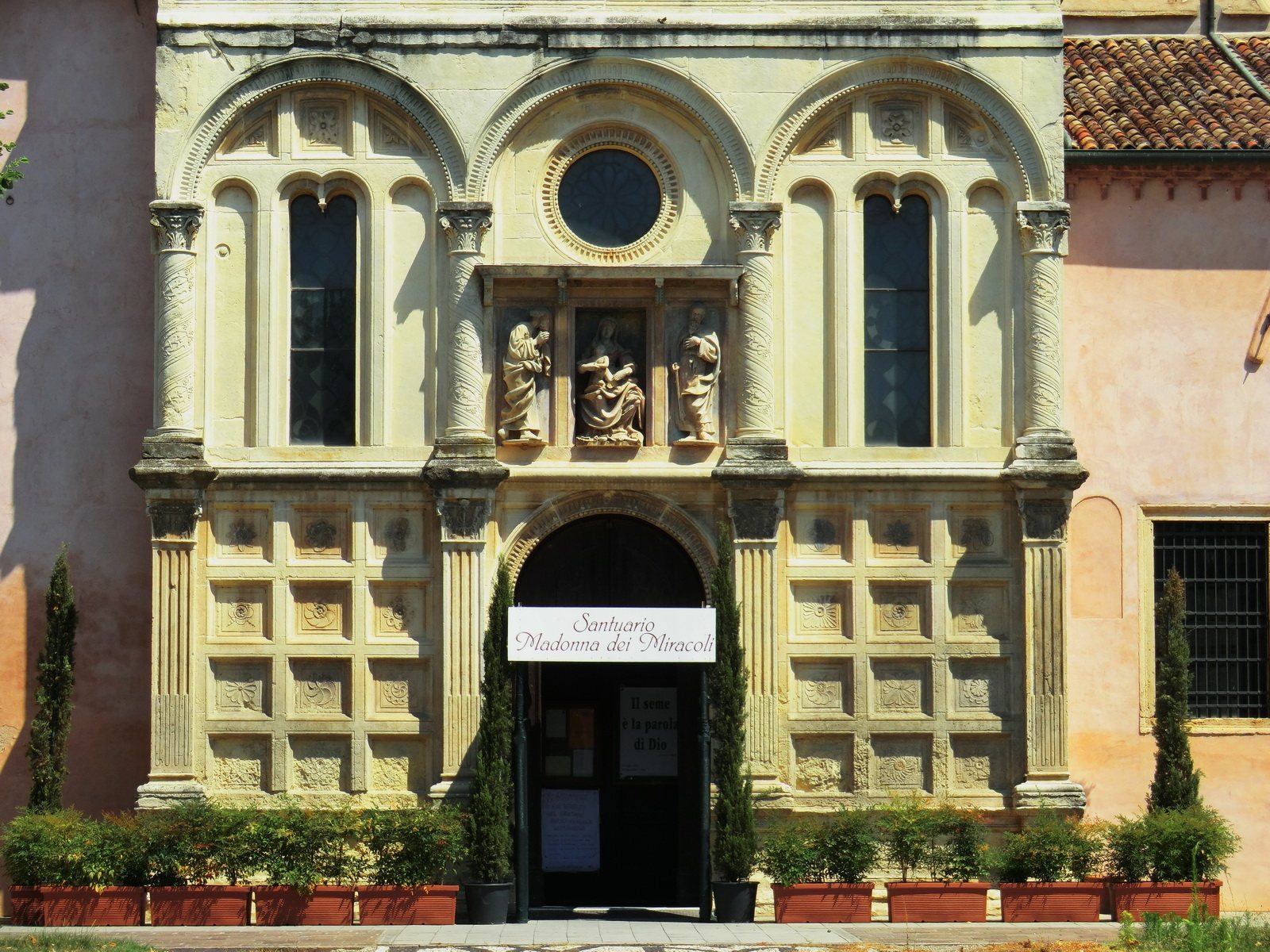
Built between 1493 and 1495 in front of the miraculous image, the Gonzaga chapel had a single nave and resembled the Church of Santa Maria della Vittoria in Mantua, also commissioned by Francesco II. Two Milanese brothers built it after being chosen by the Olivetans and the marquis. Its apse, small bell tower, and small side chapel were destroyed in 1709, while a large triumphal arch, a prominent arch marking an important space, survives in Vicenza stone. Shallow upright projections from the wall, called pilasters, carry three Gonzaga emblems, including a sun and a doe. Two coats of arms in colored marble, bearing the Gonzaga arms and dated 1432, stand beside the altar.