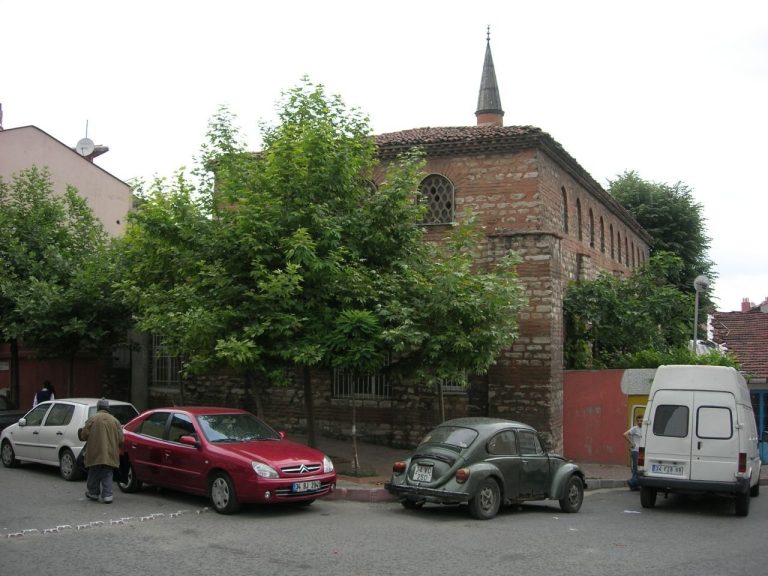
Edirnekapı Martyr’s Cemetery: A Historic Burial Ground in Istanbul
Site at a Glance
- Popularity
- Very High
- Country
- Turkey
- Primary era
- Early Modern
- Eras represented
- Early Modern, Modern
- Civilizations
- Ottoman
- Site type
- Burial
- Remains
- Necropolis
On this page9 sections
History
Edirnekapı Martyr’s Cemetery is a historic burial ground in Istanbul, Turkey. Tradition links its beginnings to Muslim Ottoman soldiers killed during the second Ottoman siege and conquest of Constantinople in 1453, when Sultan Mehmed II, known as Mehmed the Conqueror, entered the city. The precise site of the early burial ground, called Sır Tekke in the Ottoman period, remains uncertain; the oldest known graves date to around 1600.
Ottoman origins and use
During the Ottoman period, worshippers leaving mosques on festival mornings gathered at Sır Tekke to pray for the souls of the martyrs. Some plots were also used for other burials, helping the burial ground expand. The old section contains graves from the sixteenth century to the early twentieth century. Among those buried there are the poet Bâkî, who died in 1600, and composer Buhurizade Mustafa Itri, who died in 1711.
Wartime burials and later administration
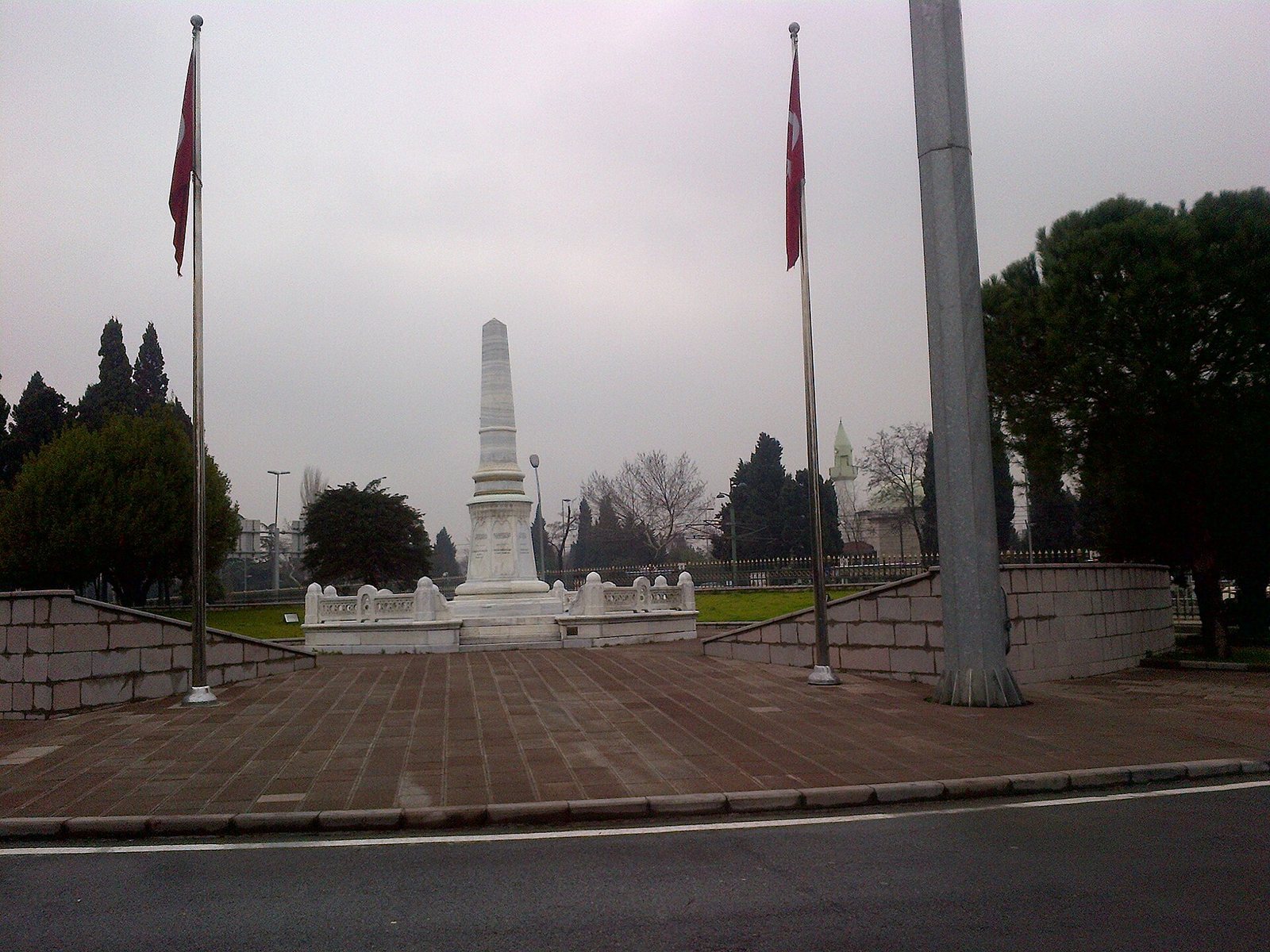
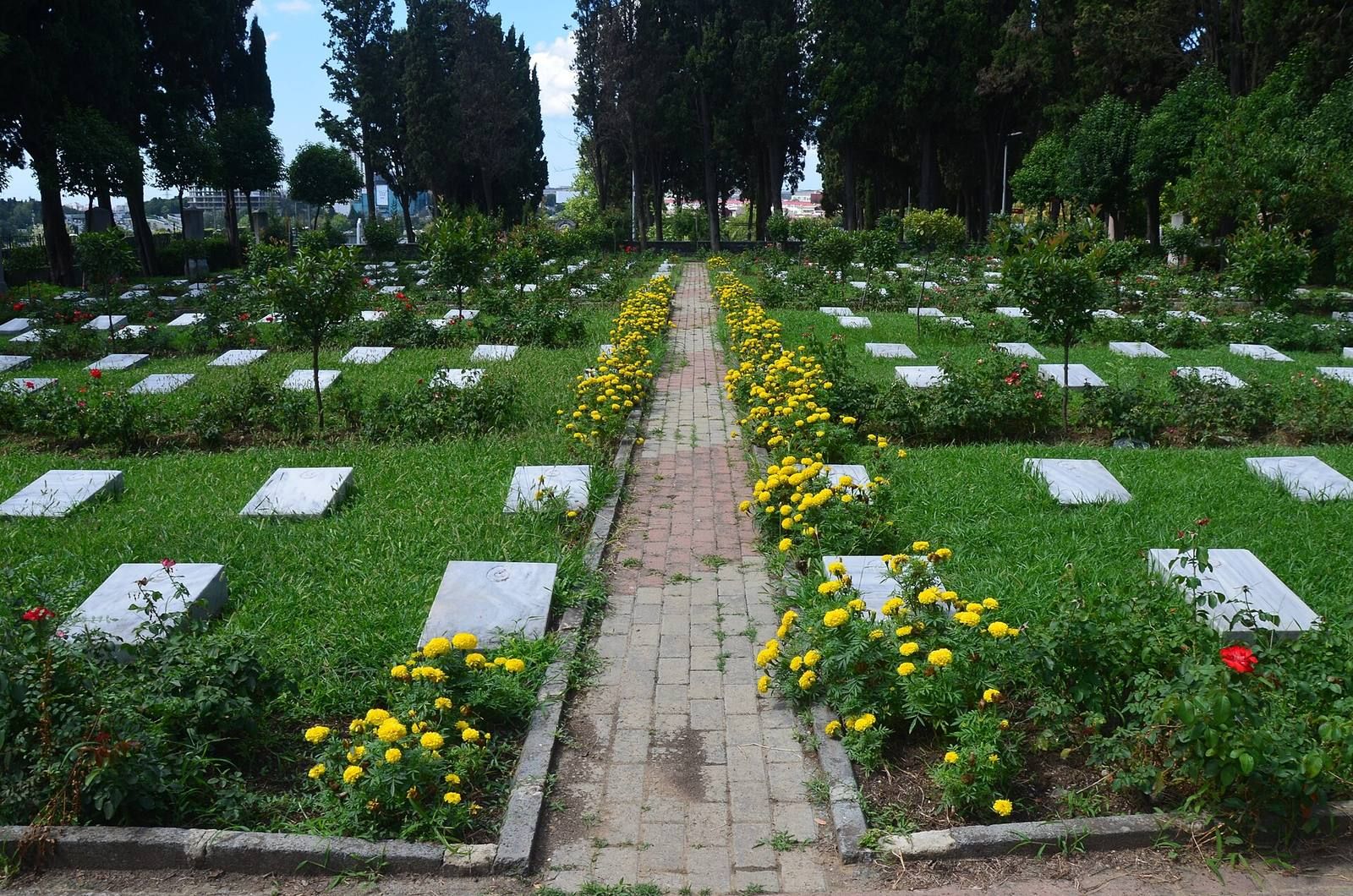
Soldiers wounded in the Russo-Turkish Wars, the Balkan Wars and the First World War were buried in the Edirnekapı section after dying in Istanbul hospitals. The cemetery is especially associated with Muslim soldiers wounded in the Balkan Wars and the Gallipoli campaign, a major First World War campaign on the Gallipoli peninsula. Around 13,000 of these soldiers were buried there. Three soldiers killed during events of the British occupation of Istanbul also lie in the cemetery.
The cemetery was affiliated with the military under both the Ottoman Empire and the Republic of Turkey. Its sections include areas for Turkish Army, Navy and Air Force personnel, police officers, firefighters, Turkish Airlines civilian martyrs, former fire brigade pump operators, and war-disabled personnel and veterans. The Turkish Martyrs’ Cemeteries Development Foundation, established in 1926, now oversees it. The German architect Bruno Taut is buried there and is identified as its only non-Muslim interment.
Remains
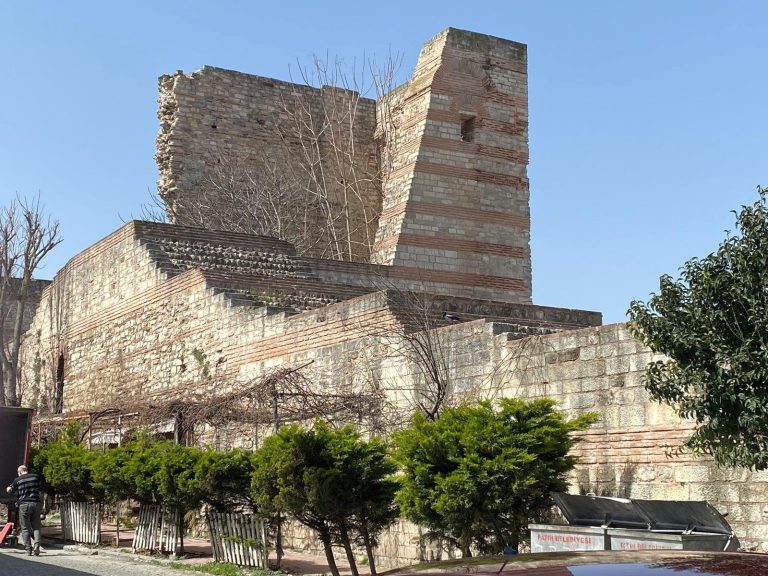
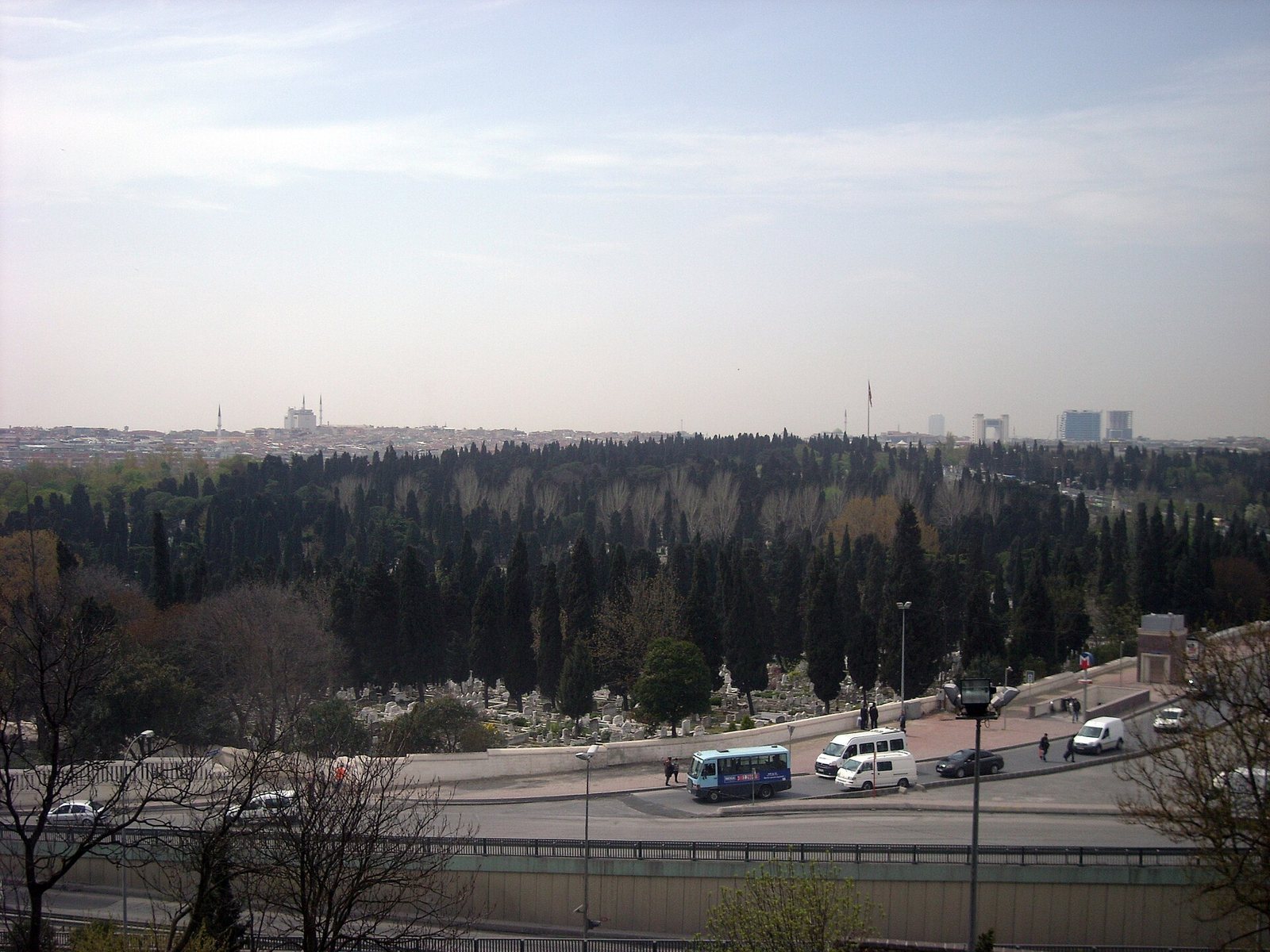
The cemetery has historic and modern portions and includes the Edirnekapı and Sakızağacı grounds. It lies outside Edirnekapı, the later name for the Byzantine-era Gate of Charisius in Constantinople’s land walls, on the sixth hill of the old city.
Historic burial grounds
Corn Field section
The historic section known as the Corn Field (Mısır Tarlası) contains old graves. Its gravestones date from the nineteenth century and earlier, and weathering has damaged the area over time.
Necatibey section
Necatibey also contains old graves, including many of historical figures. A connecting road between Rami Street and the ring road was cut through the middle of the section, breaking up its continuity.
Collected Ottoman gravestones
Ottoman gravestones uncovered while the martyrs’ graves were being arranged were gathered for planned display in two separate enclosed plots within the cemetery.
Later changes to the grounds
During construction of the tunnel connecting the E-5 highway with the Golden Horn Bridge, graves above its route were moved elsewhere. The tunnel also passes beneath the area associated with Sır Tekke, altering its earlier appearance.