Santuario della Madonna del Poggio: A Pilgrimage Sanctuary in Italy
Site at a Glance
- Popularity
- Low
- Country
- Italy
- Primary era
- Medieval
- Eras represented
- Medieval, Early Modern, Modern
- Civilizations
- Unclassified
- Site type
- Religious
- Remains
- Sanctuary
On this page11 sections
History
Early worship and pilgrimage
The Santuario della Madonna del Poggio is a Catholic sanctuary in Italy, developed from a place of worship probably established in the 10th century. The early site was associated with the Knights Templar, a medieval Catholic religious and military order. By the 15th century, an image of the Madonna and Child nearby had become a destination for pilgrims.
Church, convent, and restoration
In the 15th century, a church was built to shelter the structure bearing the image, with a portico for travelers. Late in the century, Bolognese monks took charge, enlarged the church, and built a convent. Until an earthquake severely damaged the church in 1505, a road ran beneath the portico’s vaulted bays. Repair work continued for several decades.
The hamlet escaped the plague of 1630, and offerings made in gratitude supported a major restoration. In 1752, the church’s furnishings were enhanced with a wooden altar brought from San Barbaziano in Bologna.
Confiscation and 19th-century restoration
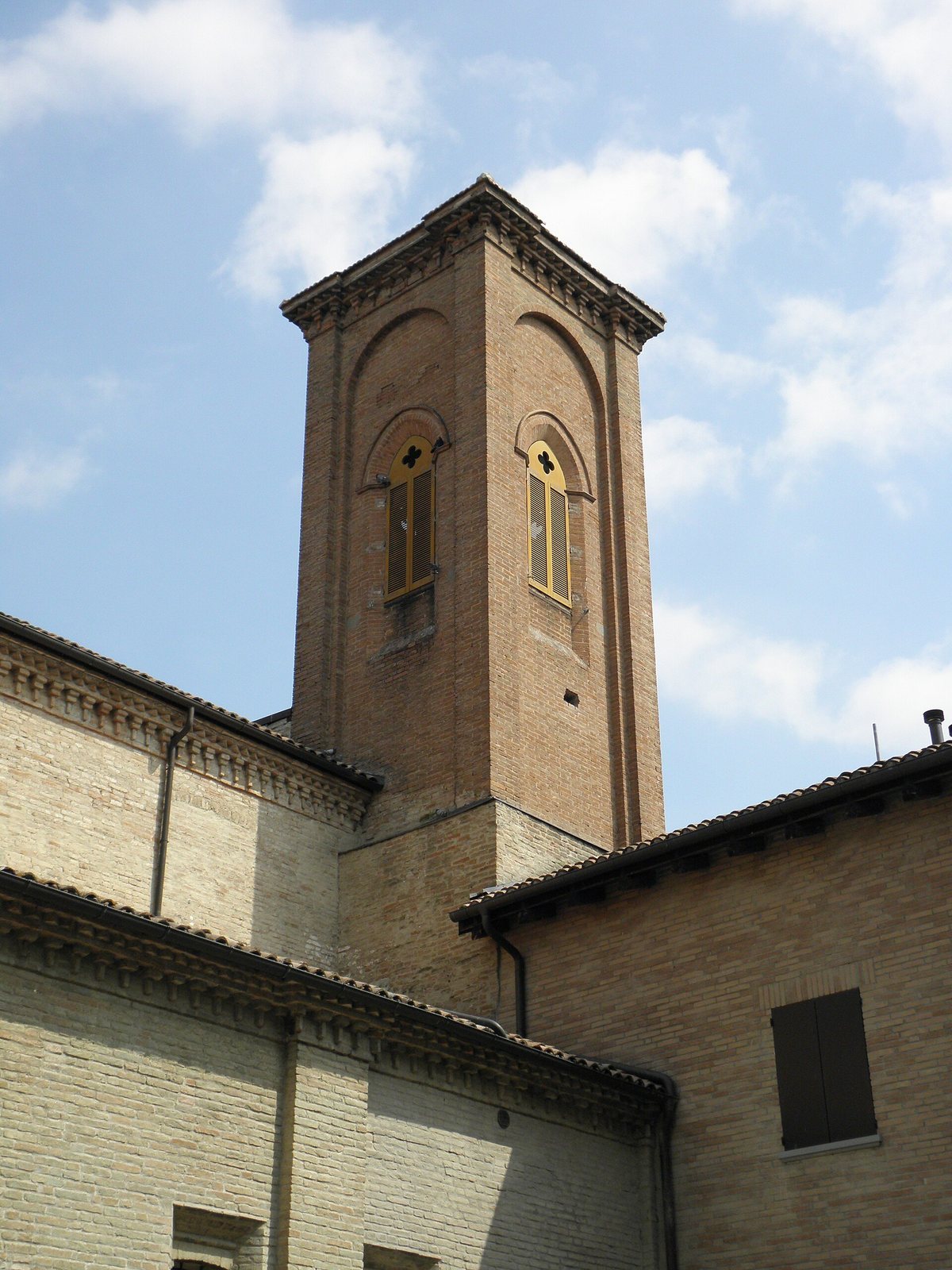
During the Napoleonic suppressions, a period when governments closed and confiscated religious institutions, French authorities seized the church. Marquis Belloni acquired it, followed by Giovanni Astolfi, who demolished the historic portico. In the mid-19th century, Giuseppe Sassoli, a priest from San Giovanni in Persiceto, acquired the church and began its restoration, including rebuilding the bell tower.
Return to the community
In the 1950s, the church returned to the local community and was reintegrated into the diocese. It first received sanctuary status and later became a parish church. Dedicated to Our Lady of Grace, a devotional title for the Virgin Mary, it belongs to the Persiceto–Castelfranco vicariate of the Archdiocese of Bologna. Restoration in the following decade modernized the furnishings, and further interventions were completed in the early 21st century.
Remains
Devotional setting
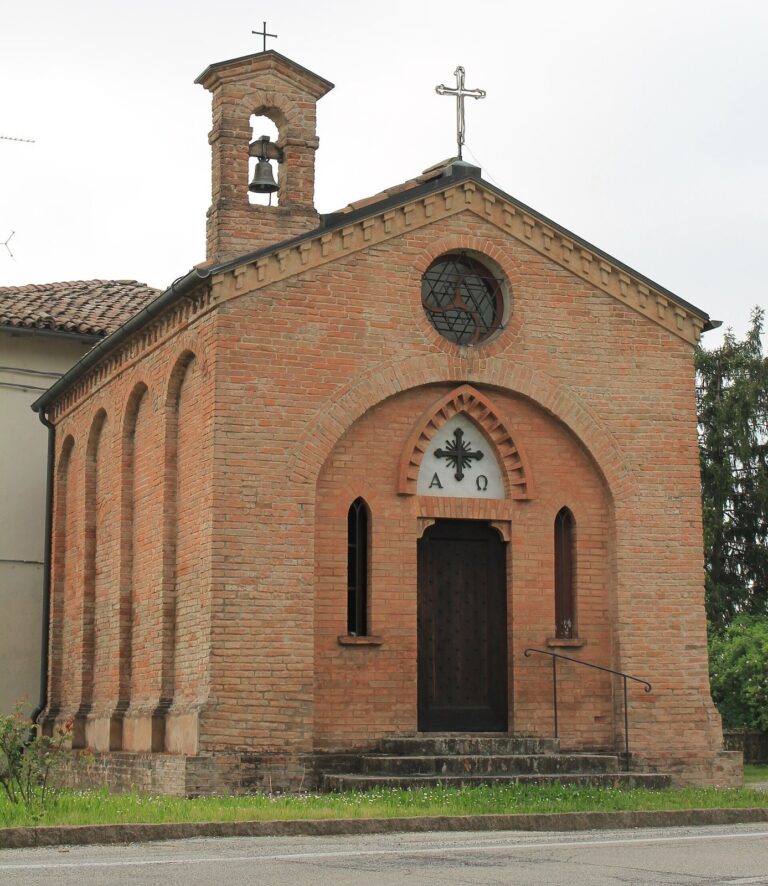
A short distance from the early place of worship, an image of the Madonna and Child was set on a small masonry structure on a low rise. An iron-rich spring lay below it, and the image was considered miraculous.
Church building
Exterior and adjoining spaces
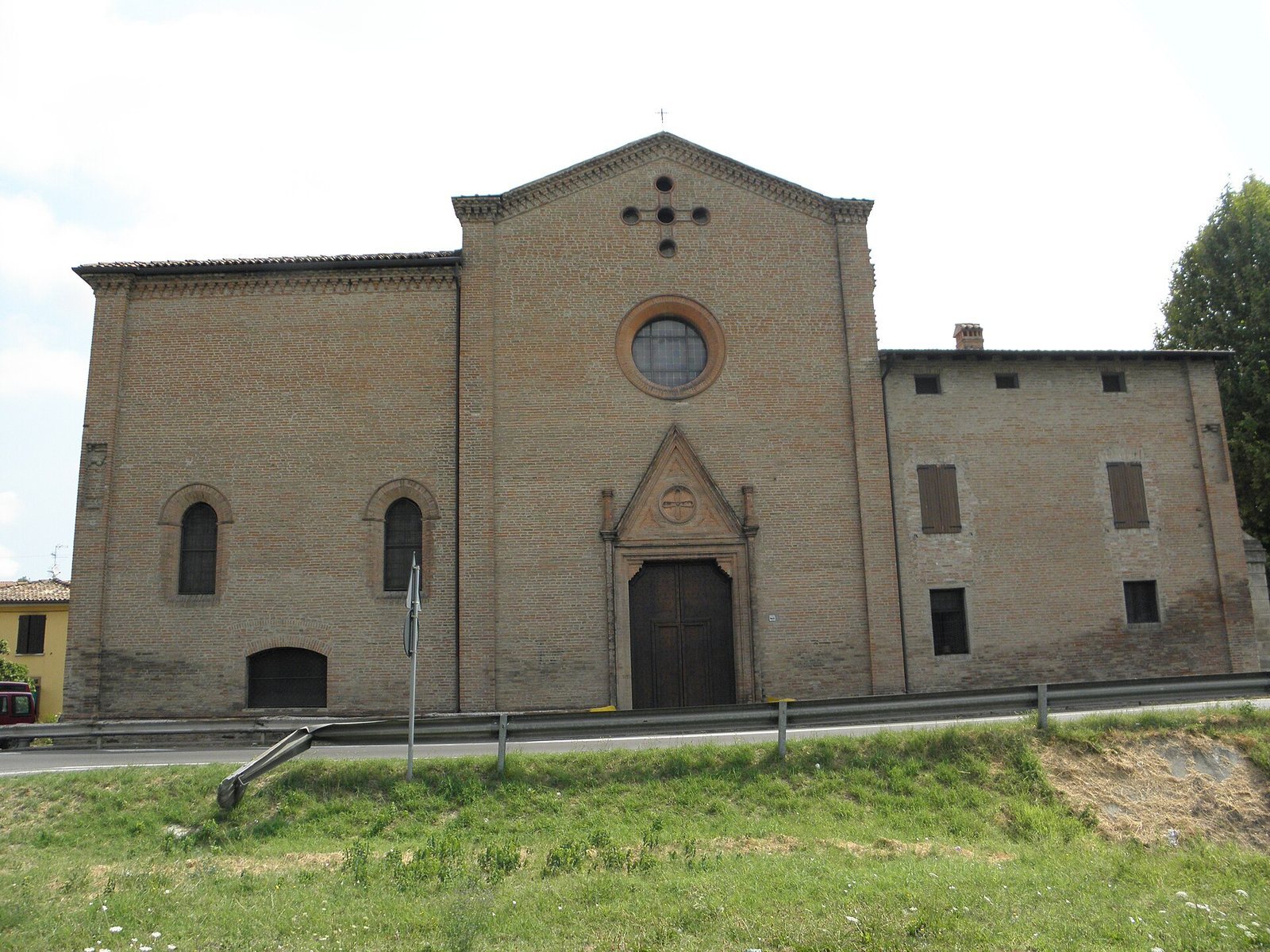
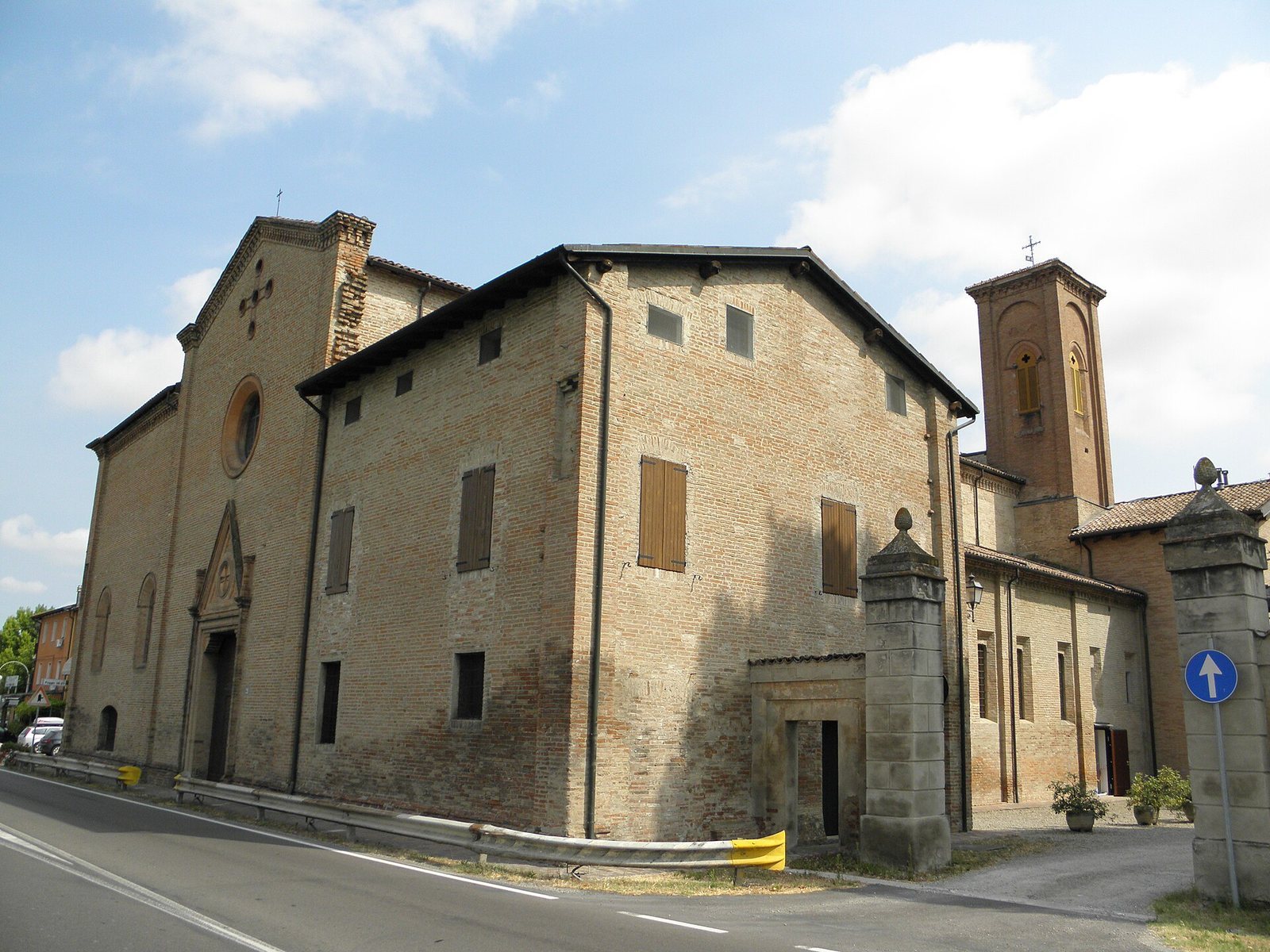
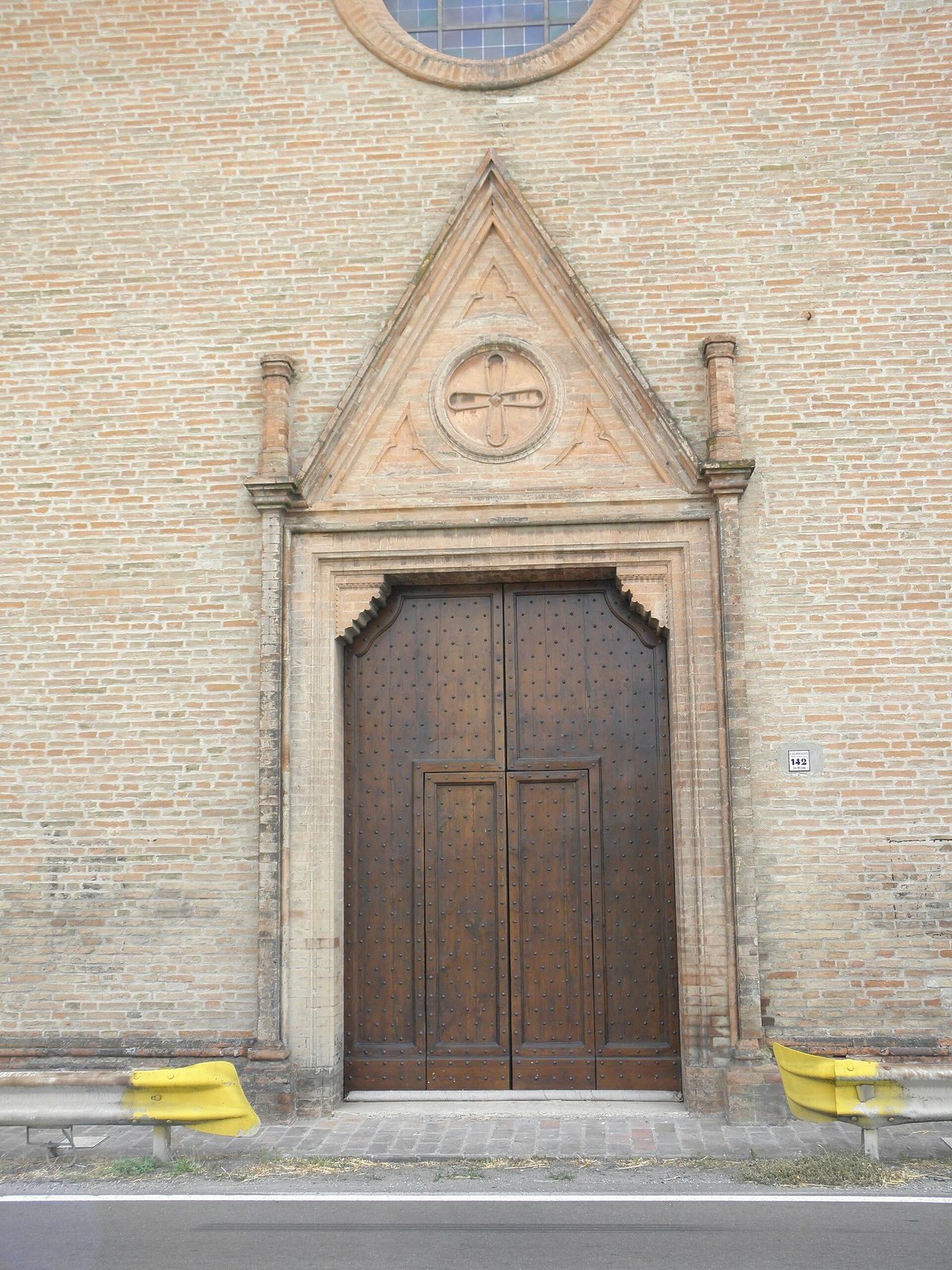
The south-facing front has three sections: the central façade, a side section corresponding to the main chapel dedicated to the Blessed Virgin, and the former convent, now used as the sacristy, a room for preparing and keeping liturgical objects. The façade has two roof slopes, exposed brickwork, and a large doorway with a horizontal lintel, topped by a triangular terracotta ornament. Behind the front, the 19th-century bell tower stands beside the apse, the curved end of the church.
Interior and chapels
The interior has a single nave, the main body of the church, with large chapels along its sides. The main chapel, dedicated to the Blessed Virgin, is on the left. An arch leads from the nave to the slightly raised presbytery, the area around the altar.
Altars and furnishings
A wooden tabernacle, a receptacle for the consecrated Eucharist, dates to the 17th century and stands on the main altar. The wooden altar transferred from San Barbaziano in 1752 was painted and finished to imitate marble. Later refurbishment added a marble high altar, relaid the floor, restored painted surfaces, and renewed the windows.