Santa Maria di Loreto Church: A Marian Sanctuary in Lugano
Site at a Glance
- Popularity
- Low
- Country
- Switzerland
- Primary era
- Early Modern
- Eras represented
- Medieval, Early Modern
- Civilizations
- Duchy of Milan, Swiss
- Site type
- Religious
- Remains
- Sanctuary
On this page5 sections
History
Foundation and Marian devotion
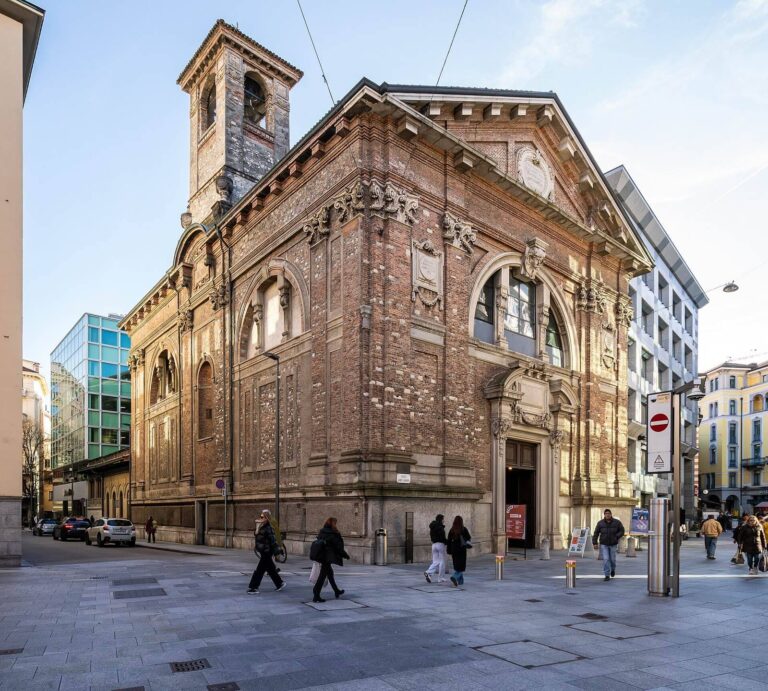
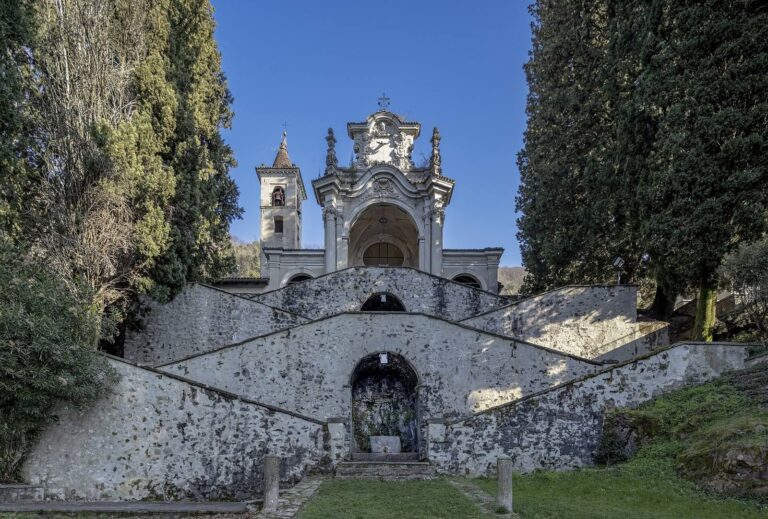
Santa Maria di Loreto Church is a Roman Catholic shrine dedicated to Mary in Lugano, Switzerland. Its construction was commissioned between 1520 and 1524, and its architecture combines Renaissance and Baroque elements. The Vicinia of Lugano, a local community assembly that could undertake civic responsibilities, commissioned the work, which incorporated a chapel dating from the late fifteenth century.
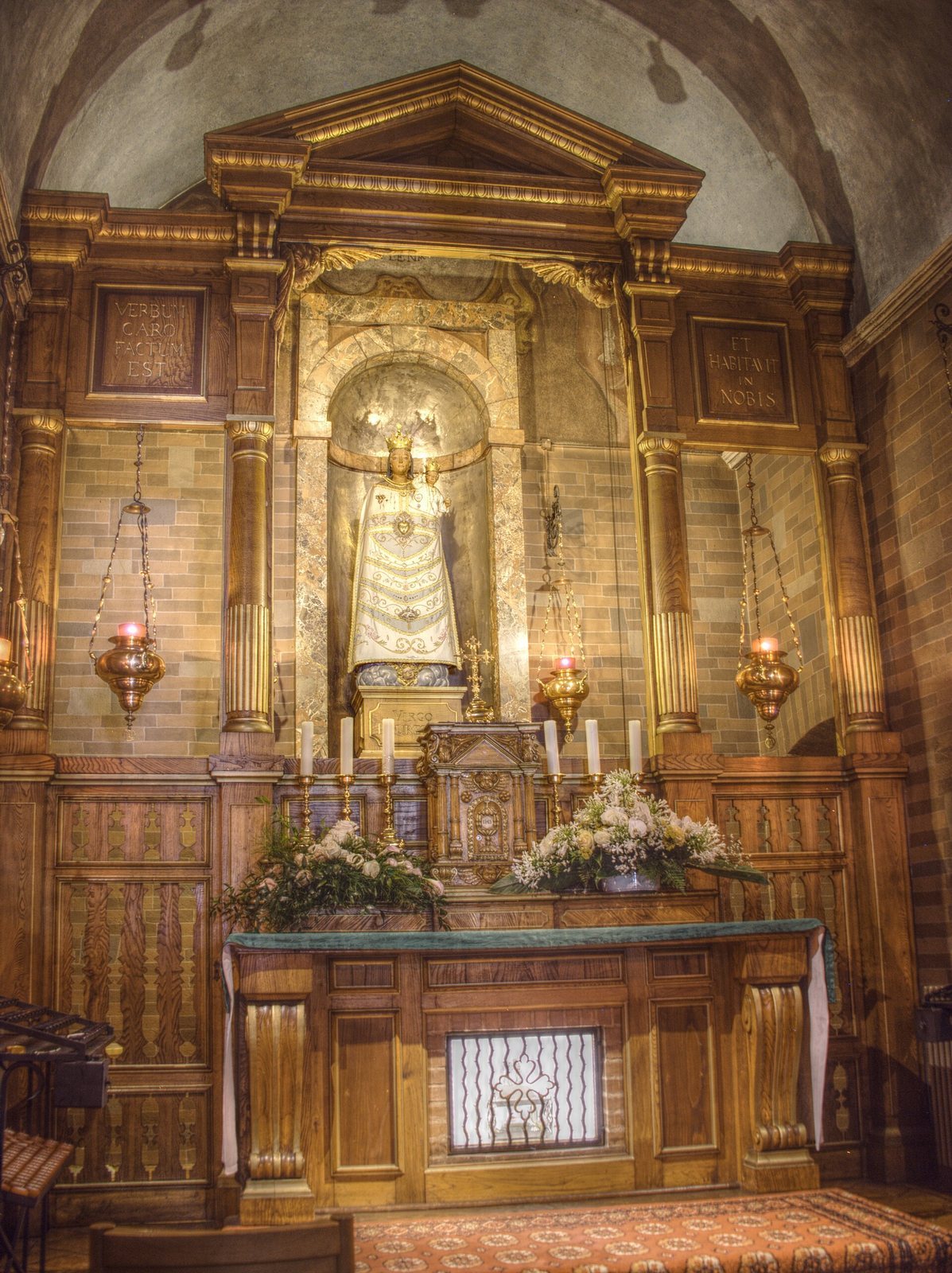
Dedicated to Mary under the title of Our Lady of Loreto, the church is a Marian sanctuary, or shrine devoted to Mary. It is twinned with the major Italian sanctuary at Loreto and with the Basilica of the Annunciation in Nazareth, which commemorates the Annunciation to Mary.
Later additions
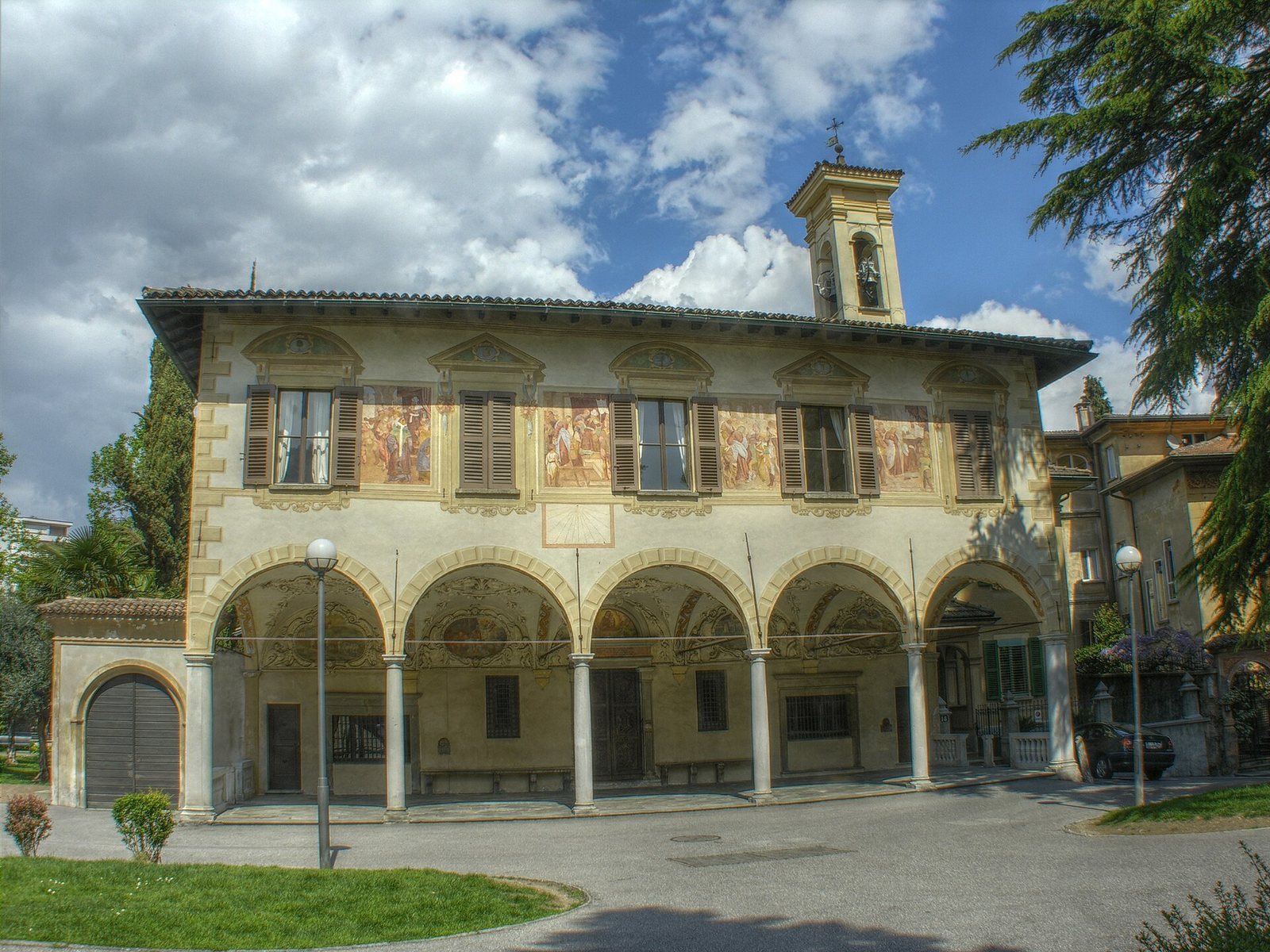
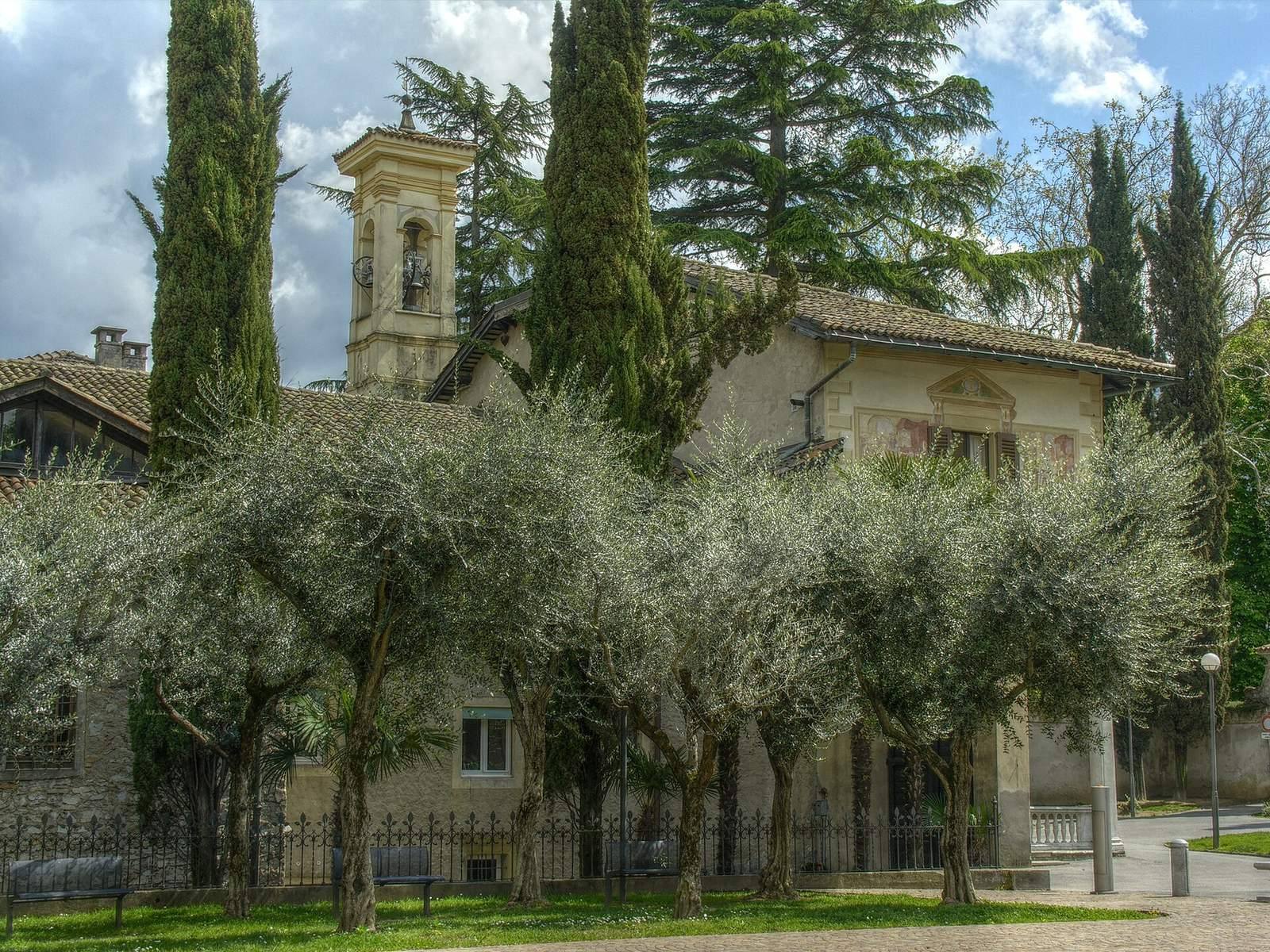
From 1632 to 1634, the Confraternity of St Charles Borromeo, a religious association for shared devotional or charitable purposes, funded the portico and bell tower. After their completion, confraternity members began meeting on the portico’s first floor. In 1728, the church was altered and enlarged with the addition of the Holy House, regarded in Catholic tradition as the house where Mary lived.
Closure and renewed use
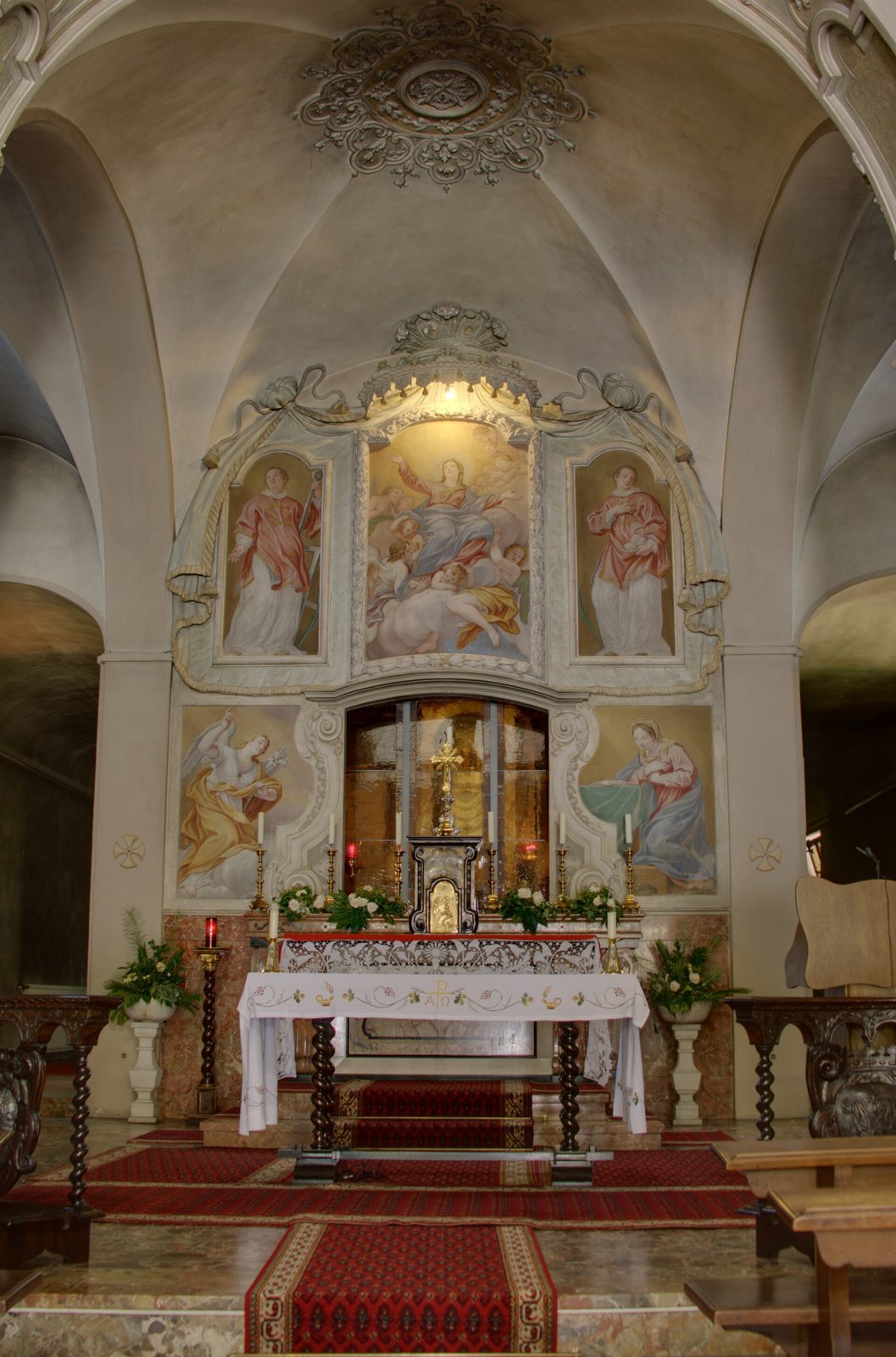
The church closed in 1874. In 1904, Lugano’s municipality transferred it to the Diocese of Lugano, the local bishop’s territorial jurisdiction. The diocese entrusted the church to the Franciscans, a Catholic religious order founded by Francis of Assisi, in 1905. A major interior renovation followed in 1907, after which the church was consecrated and resumed its original functions. In August 2007, it again became available to the Diocese of Lugano.
Remains
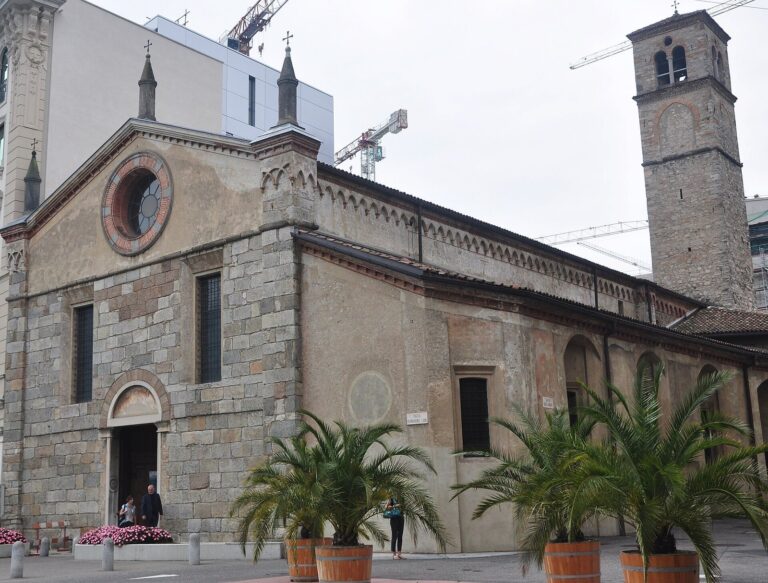
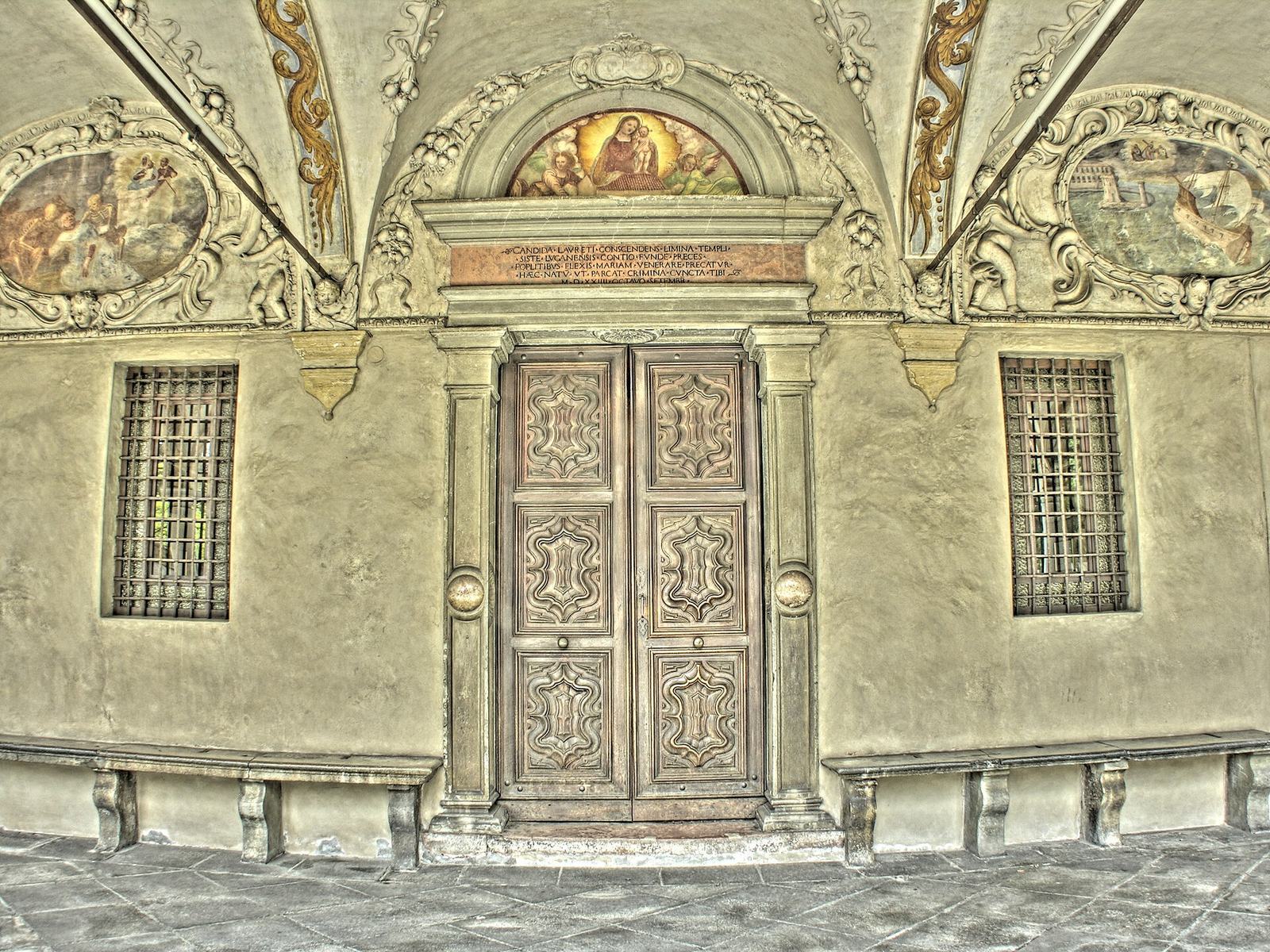
The church complex includes the portico, bell tower, and Holy House. Its entrance portal is beneath the portico.
Frescoes are set among stucco beneath the portico and on its ceiling.