Sant’Anna: A Baroque Sanctuary in Vinadio, Italy
Site at a Glance
- Popularity
- High
- Country
- Italy
- Primary era
- Early Modern
- Eras represented
- Early Modern, Modern
- Civilizations
- Duchy of Savoy, Kingdom of Sardinia
- Site type
- Religious
- Remains
- Sanctuary
On this page7 sections
History
Sant’Anna is a Catholic sanctuary dedicated to Saints Anne and Joachim in Vinadio, Piedmont, Italy. It began in the eleventh or twelfth century as a church-hospice, a place offering travelers and pilgrims shelter and food, established by the Church near Alpine passes. Its present complex is Baroque, a European style associated with dramatic forms and elaborate ornament. The sanctuary’s patronal feast is held on July 26.
Origins and devotion
Initially called the Hospice of Saint Mary of Brasca, the site is named in a document from 1307. Local tradition tells that Saint Anne appeared to the shepherdess Anna Bagnis and showed her where a church for Mary’s parents should be built. Devotion to Anne reached Piedmont from Eastern Christian traditions, which developed in the eastern Mediterranean and Byzantine world, during the first half of the fifteenth century. A text from 1443 mentions the church.
By the start of the sixteenth century, the sanctuary had a permanent chaplain and attracted large crowds for its feast. Its custodian helped arrange transport, offered winter aid, guided travelers, provided meals and lodging, and rang a bell in storms and fog. Lidio Giraudo, the last custodian, served for 53 years.
Expansion, conflict, and rebuilding
In the sixteenth century, the Cathedral of Saint Anne in Apt gave the sanctuary a small portion of Anne’s relic. The cathedral was regarded as the first church in Europe dedicated to Anne, and the relic had been preserved through barbarian invasions and the destruction associated with them. In 1722, it was placed in the arm of a statue. A new church was inaugurated in 1681. Later additions included quarters for the custodian, a stable, a hayloft, and an attic. Further buildings followed in the second half of the eighteenth century as thousands of pilgrims came to the site.
Between 1793 and 1796, warfare connected with the French Revolution, the upheaval and conflict in France, reached the sanctuary. The complex had to be rebuilt almost from the beginning.
Modern changes and renewed activity
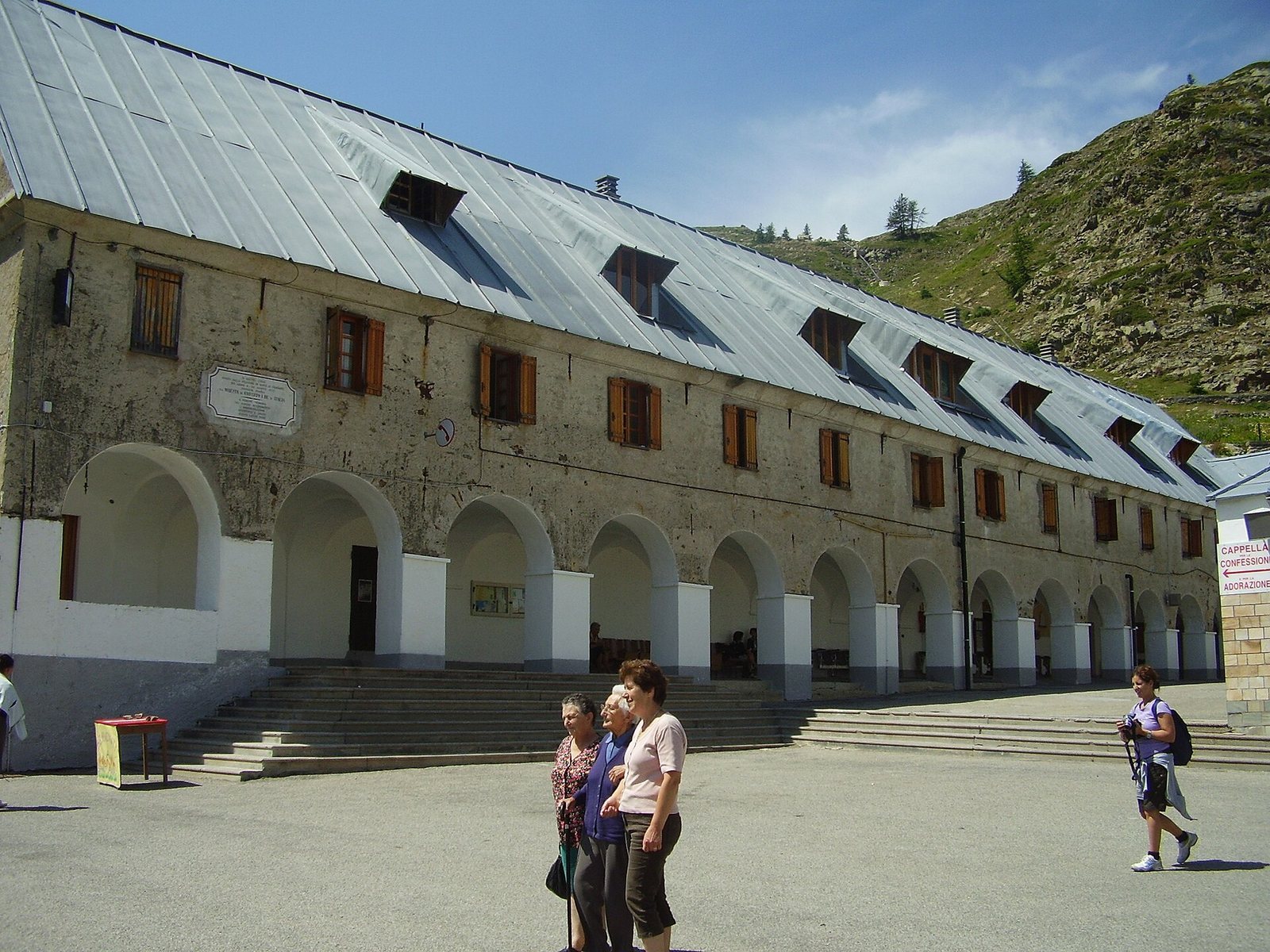
A building for pilgrims was constructed and the courtyard completed in 1860. After laws suppressing ecclesiastical institutions, the 1929 Concordat, an agreement affecting church-state relations, placed the sanctuary under the Diocese of Cuneo. A diocese is a church district under a bishop’s authority. Devotion to Anne, work on the sanctuary’s decoration, and the reception of pilgrims then revived.
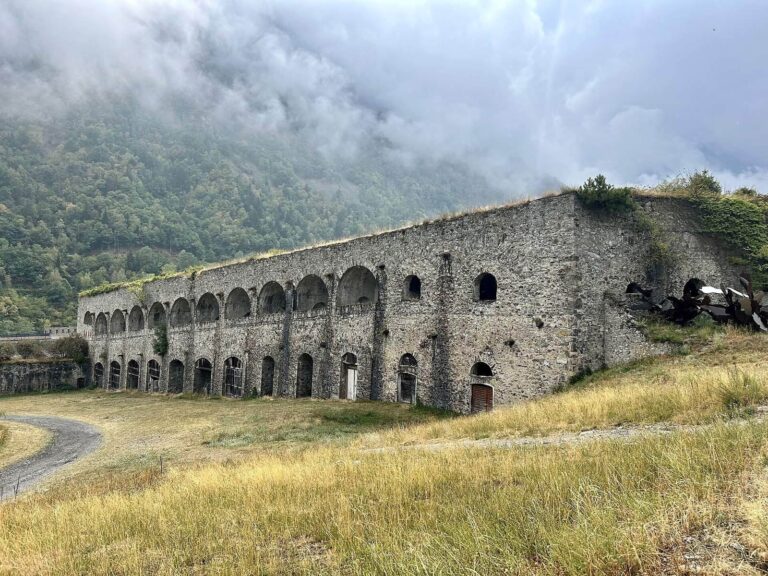
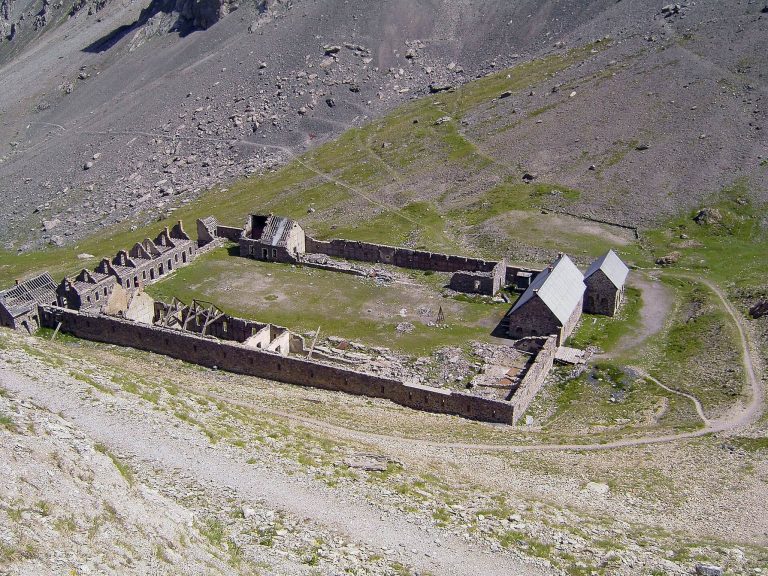
The area around the sanctuary was heavily militarized, with numerous barracks. From 1940, during the Second World War, the sanctuary and its associated works became a setting for military operations and suffered looting and extensive damage. Activity resumed from 1949. The approach road was resurfaced and asphalted in 1964. Around this period, Catholic liturgy renewed its emphasis on Anne and Joachim as examples of married life according to God’s plan.
Remains
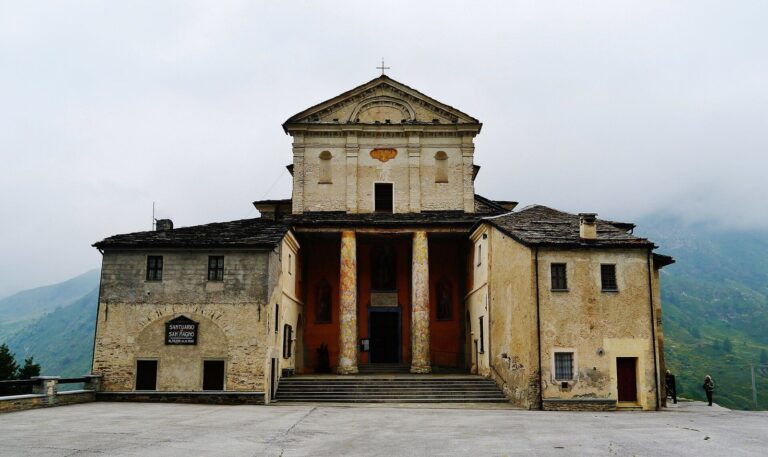
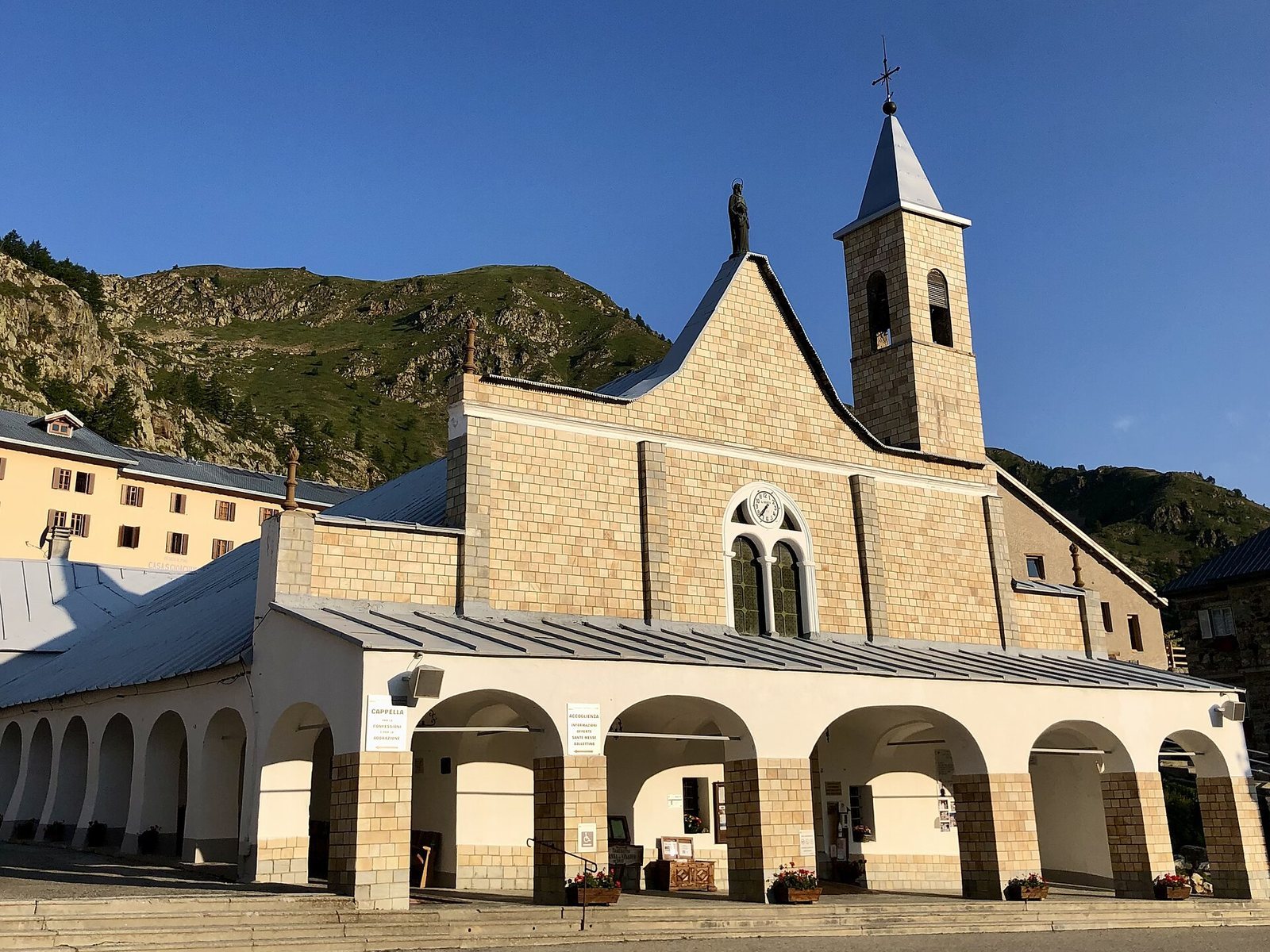
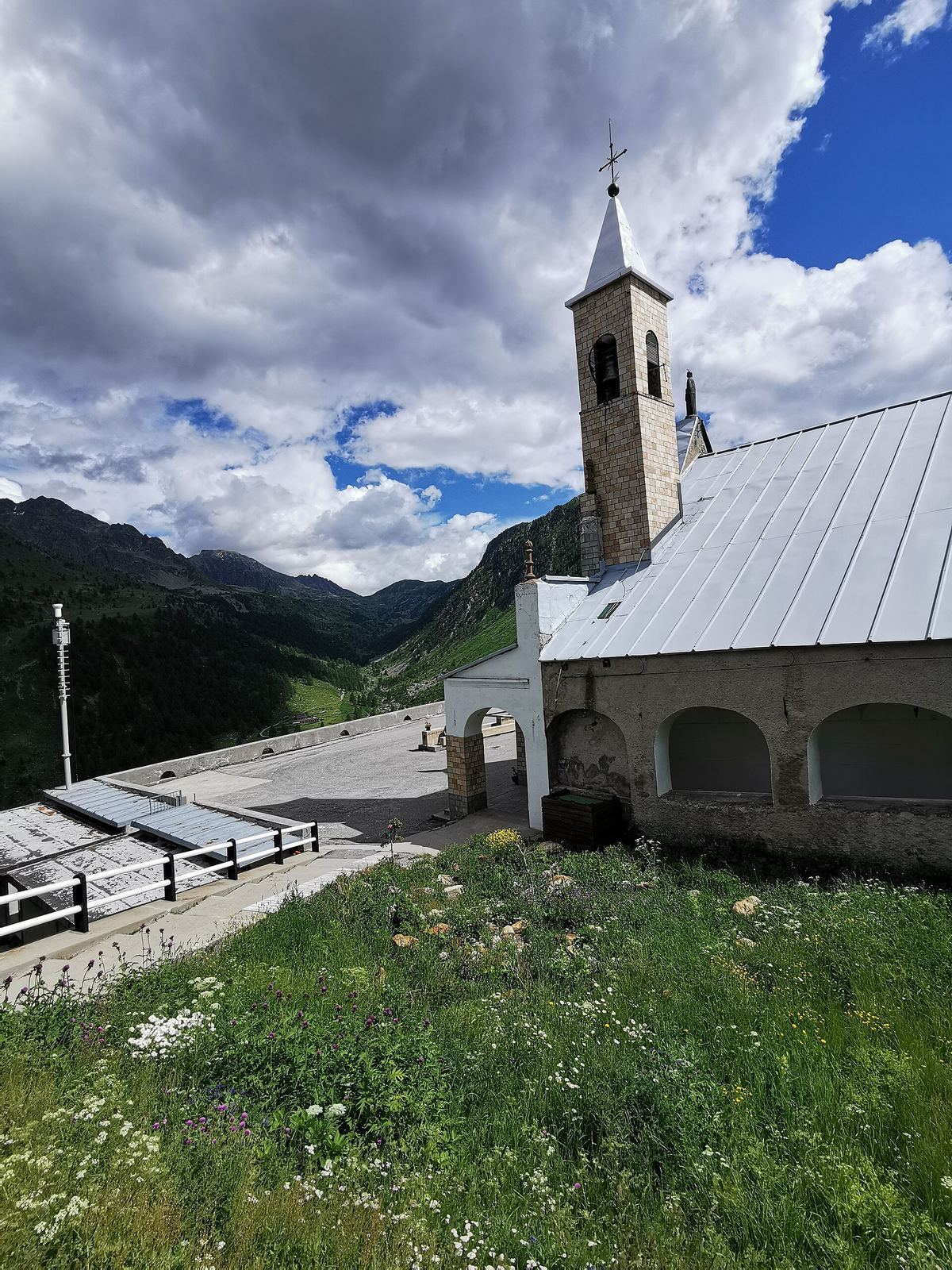
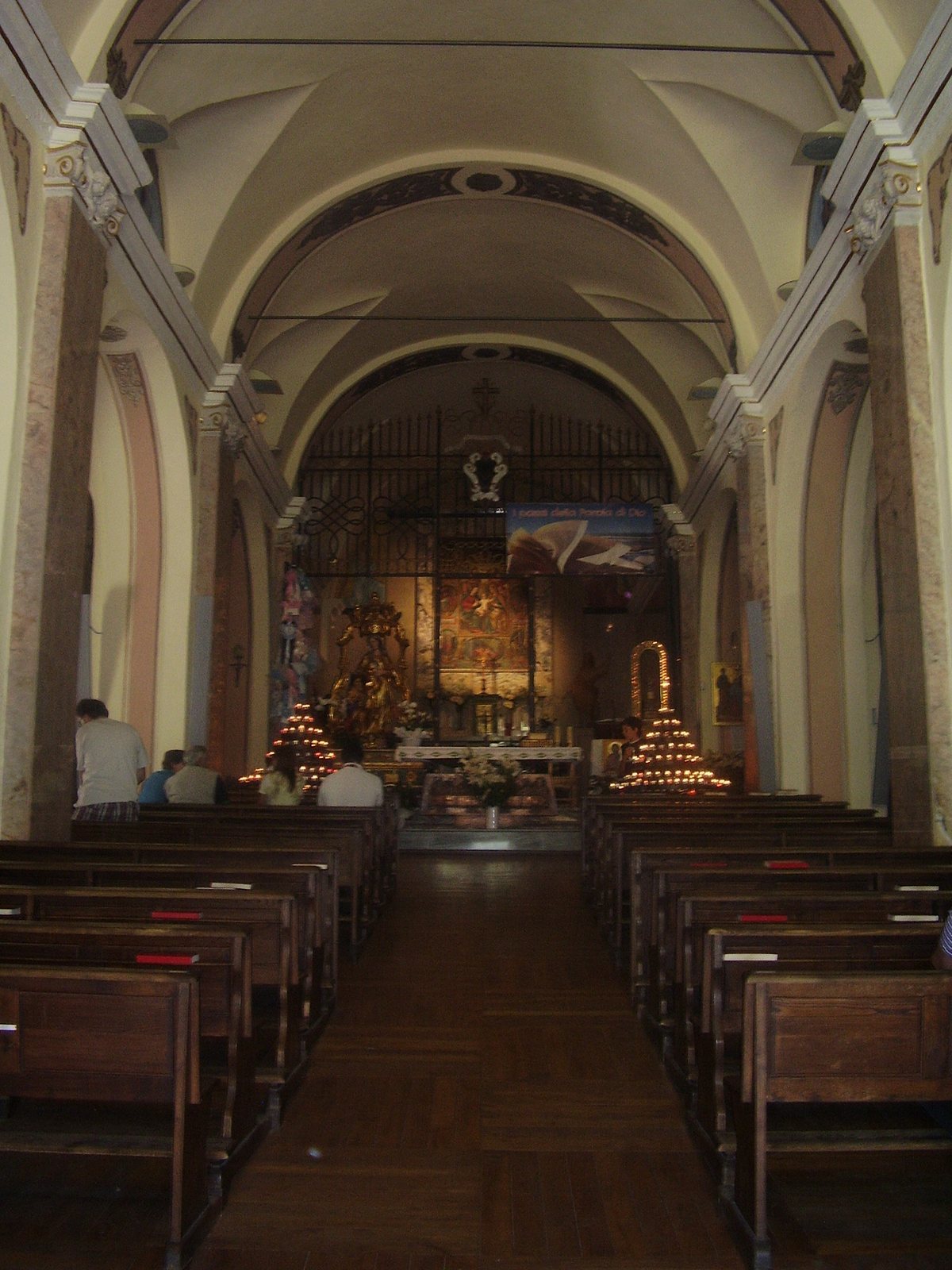
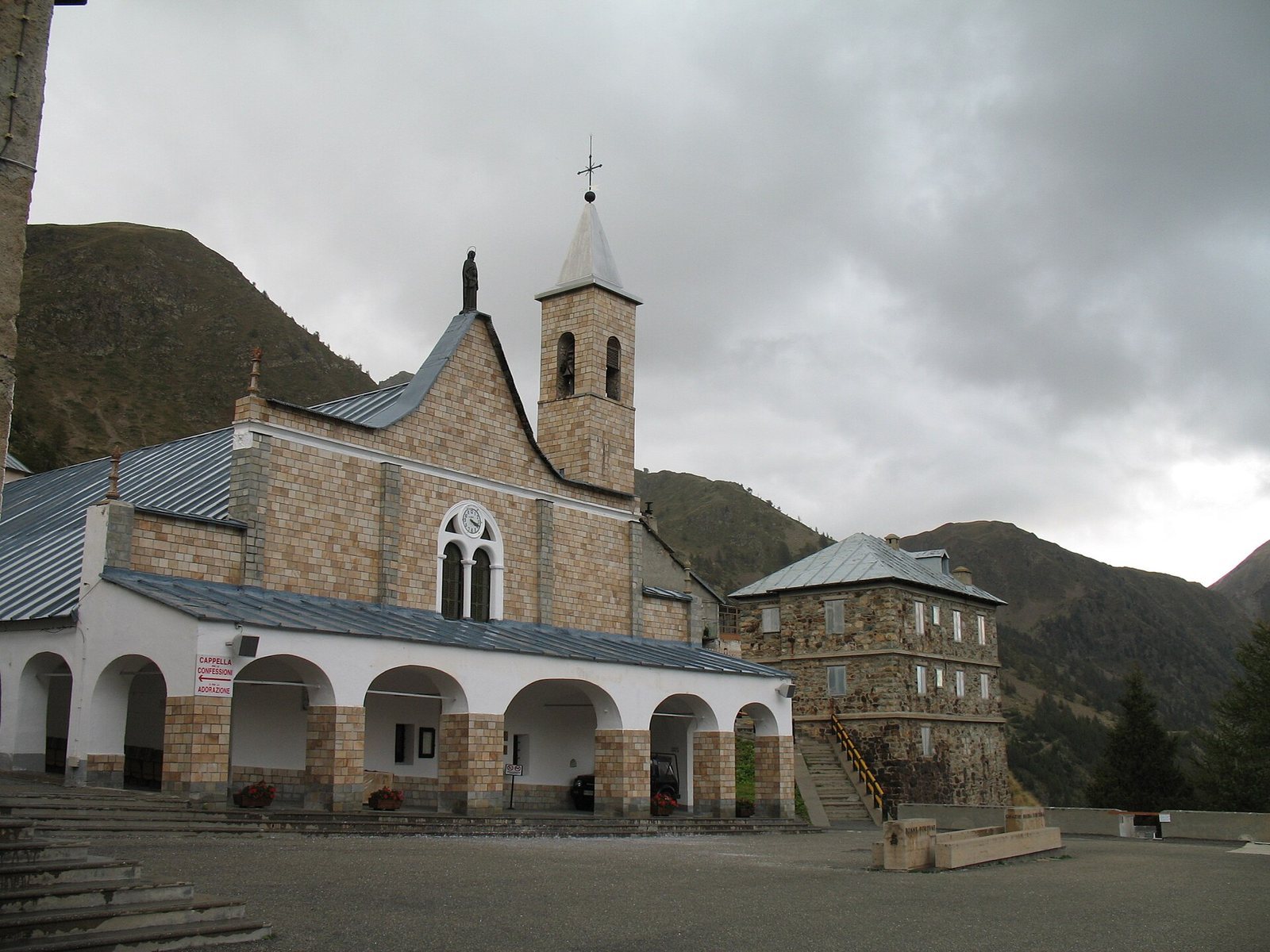
Sant’Anna is a Baroque complex of a church and associated buildings set on a rocky ledge above the valley. The church stands on rock smoothed by ancient glaciers, and its floor rises along the natural incline.
Church and courtyard
The church inaugurated in 1681 was built to the dimensions of the present church. Quarters, a stable, a hayloft, an attic, and buildings for pilgrims form part of the wider complex. These buildings enclose a courtyard where worship is now held outdoors.
Apparition Rock and mountain setting
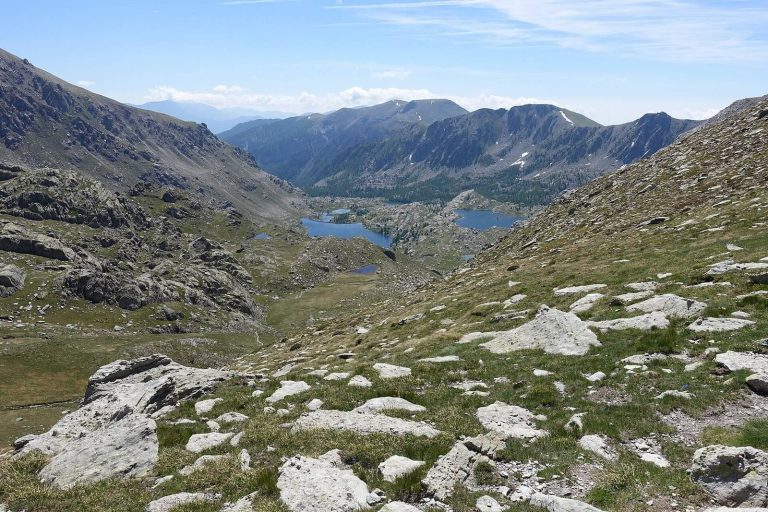
About 700 metres from the sanctuary, beside the mule track leading to the Pass of Saint Anne, Apparition Rock is associated with the foundation tradition. A statue on its summit shows Anne and Mary looking toward a shepherdess represented at the rock’s base. Lake Saint Anne lies a short distance from the sanctuary. From the ledge above the valley, Punta Maladecia, Testa Gias dei Laghi, Monte Aver, and Cima della Lombarda are visible, with the Colle della Lombarda farther away.