Sant’Andrea dei Vascellari: A Former Roman Catholic Church in Rome
Site at a Glance
- Popularity
- Low
- Country
- Italy
- Primary era
- Medieval
- Eras represented
- Medieval, Early Modern, Modern
- Civilizations
- Italian, Papal States
- Site type
- Religious
- Remains
- Church
On this page7 sections
History
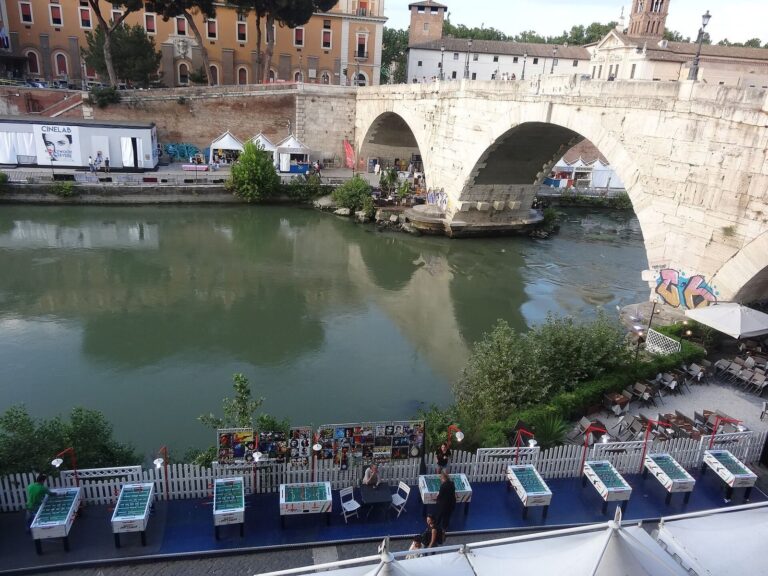
Sant’Andrea dei Vascellari is a former Roman Catholic church on Via dei Vascellari in Rome, Italy. Begun in the ninth century, it was consecrated in 821 under Pope Paschal I, who held office from 817 to 824, and dedicated to the Apostle Andrew. The building is described as Baroque, an elaborate European architectural style. Medieval forms of the name Sant’Andrea de Scaphis referred to small boats on the nearby Tiber, while Vascellari recalls the potters who had shops in the neighborhood. The church belonged to the Roman Catholic Diocese of Rome.
Parish and craft associations
The church served as a parish until 1574, when Pope Gregory XIII, pope from 1572 to 1585, ended that status and entrusted it to the guild of cured-meat sellers, an association of people in the same trade. By then, its parish had been united with that of nearby San Salvatore de Pede Pontis. The guild restored the church. Its annual income was recorded as 34 scudi, historical Italian coins, and 12 jugs of wine.
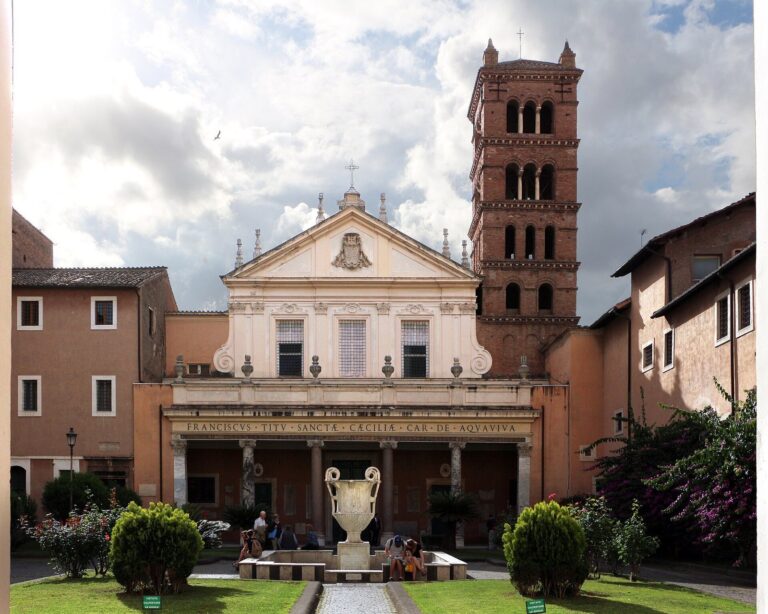
Later in the sixteenth century, the church became an oratory of the Confraternity of the Most Holy Sacrament, a lay religious association organized around shared devotion. Linked with nearby Santa Cecilia, the confraternity used both churches and renovated Sant’Andrea. The present facade dates from this work. In 1666, the church was restored again and entrusted to a confraternity associated with the potters, known as the Vascellari. During the eighteenth century, the Confraternity of the Most Holy Sacrament incorporated the potters’ patron saints into its title because they had no confraternity of their own. It became the Confraternity of the Most Holy Sacrament and Saints Andrew the Apostle and Mary Salome of the Vascellari. Mary Salome is named in the Gospels among the women associated with Jesus.
Decline and changing uses
The potters promoted a procession featuring clay drinking jugs made by the Vascellari and a statue of the Madonna of Mount Carmel, a devotional title for the Virgin Mary associated with Carmelite tradition. The statue was used for the Festa de Noantri, a traditional festival in Rome’s Trastevere district. The procession could descend into drunkenness, brawling, and killings. Pope Gregory XVI, whose pontificate lasted from 1831 to 1846, prohibited it. The potters’ guild was dissolved in 1801, while the confraternity continued until around 1945. In 1878, the church was described as dilapidated.
The church was deconsecrated in 1942, formally losing its status as a consecrated place of worship, and put to secular uses including storage and a carpenter’s workshop. In the late 1960s it became a meeting place for a Catholic youth organization, then returned to workshop use. The building became a private residence in 2010. Since 6 April 2015, it has housed Sant’Andrea de Scaphis, a modern and contemporary art gallery founded by Gavin Brown and operated as a branch of his New York gallery.
Remains
Exterior and facade
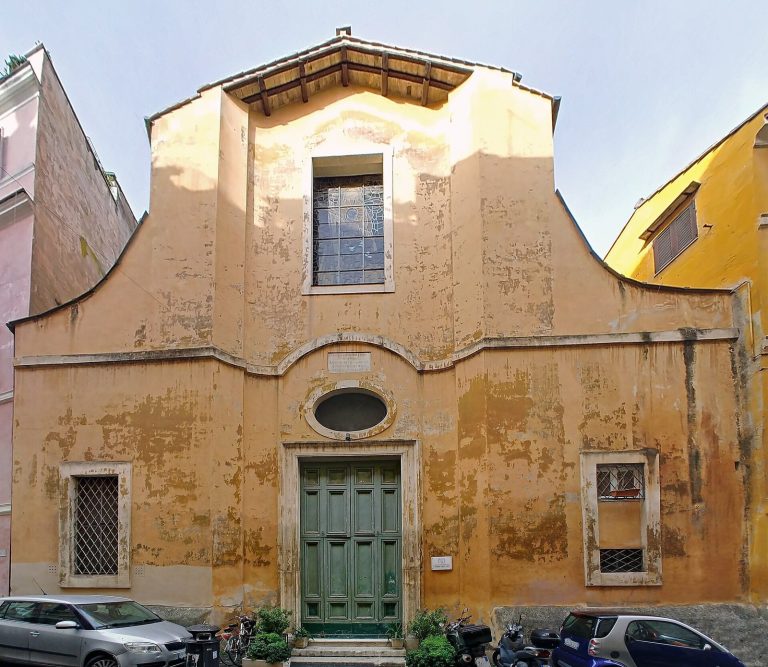
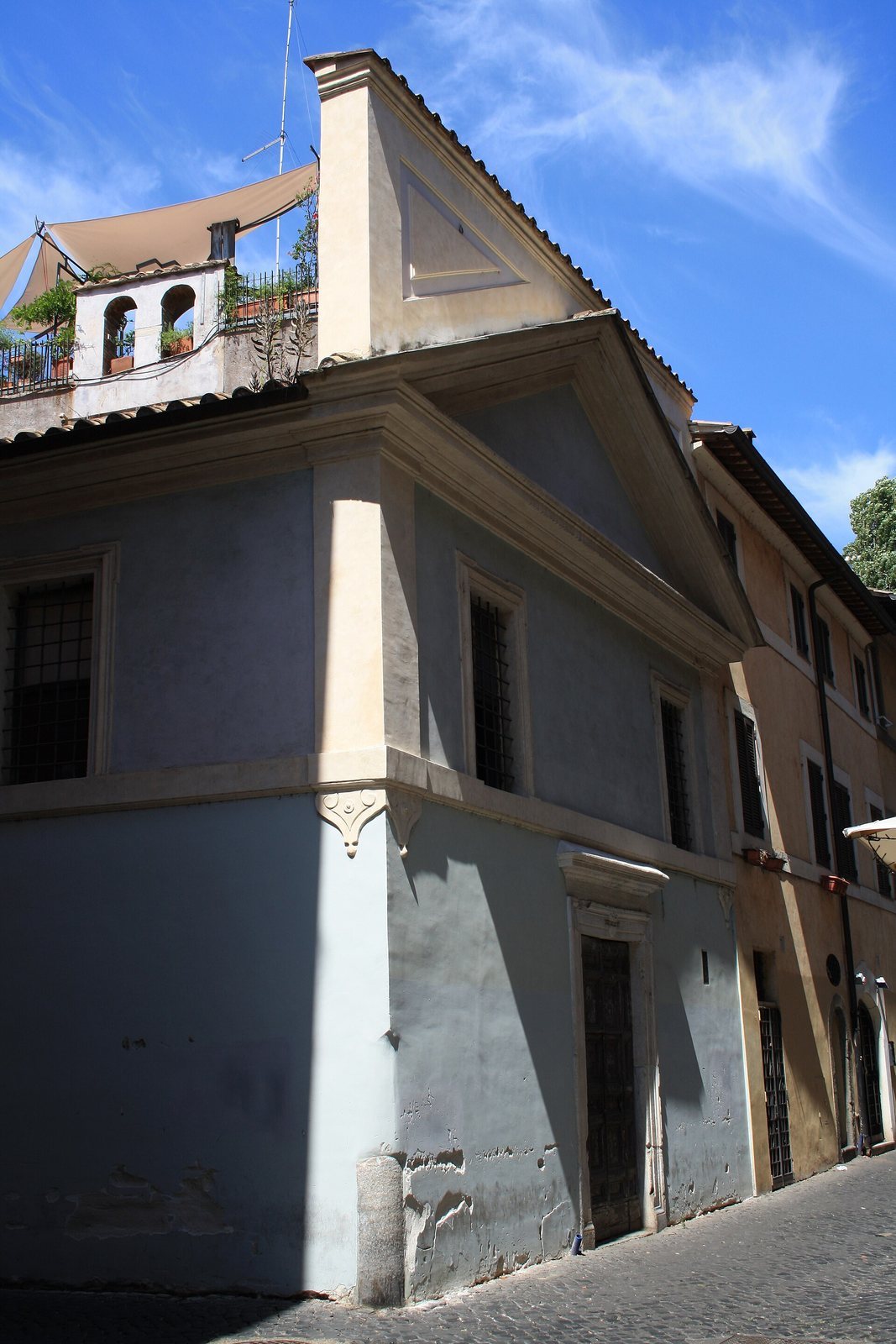
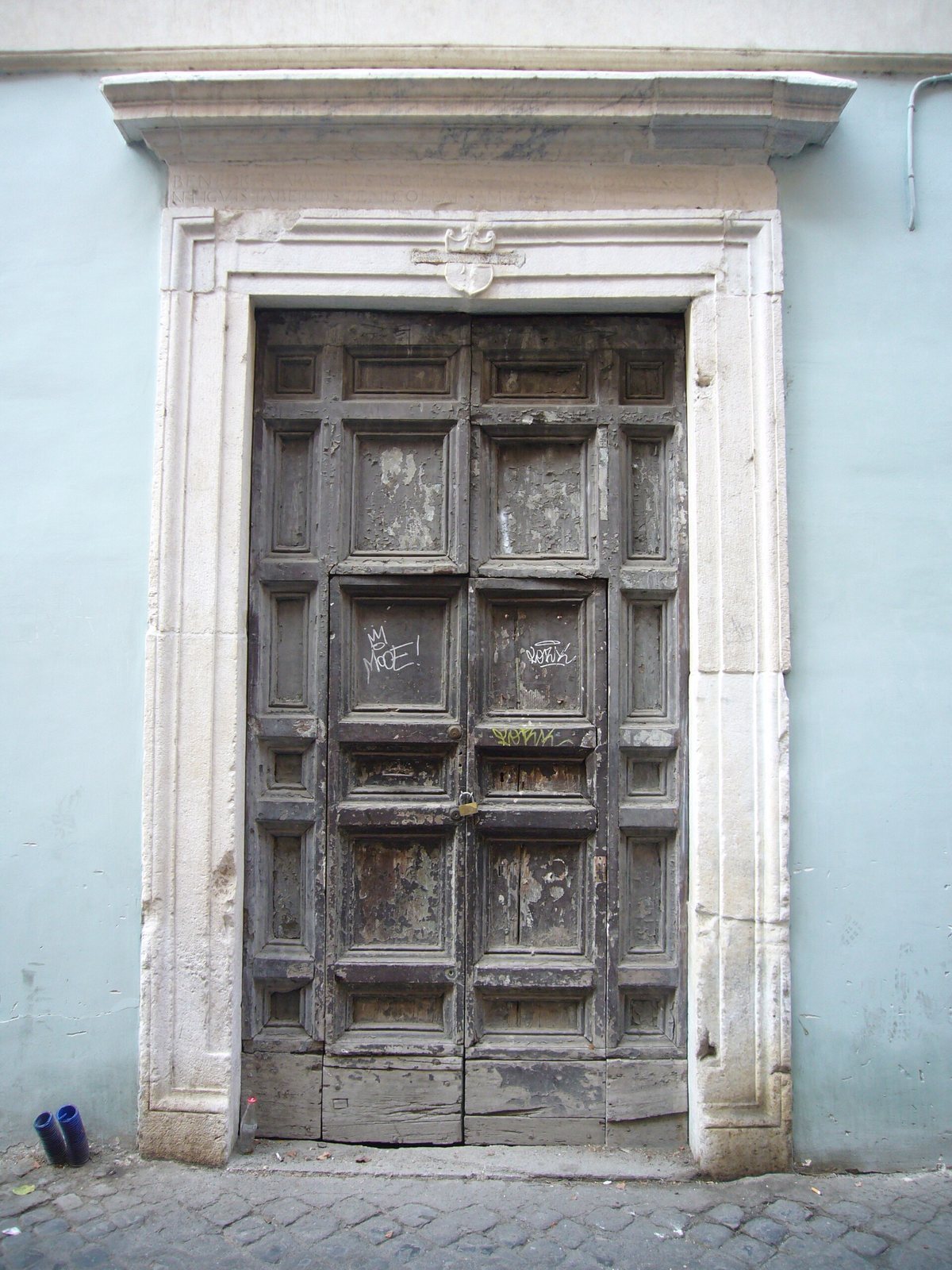
The Baroque church stands at the corner of Via dei Vascellari and Via dei Salumi, with its principal facade facing Via dei Vascellari. On Giovanni Battista Nolli’s 1748 topographic map of Rome, it is identified as number 1110. The facade has a gabled outline and projecting cornices, with a flat upper termination above a broad triangular pediment, a triangular architectural feature. At its center is a marble-framed Renaissance doorway, reflecting the European cultural and artistic movement that preceded Baroque. Two rectangular windows sit above it, and a bell gable, a wall-like structure with openings for bells, has two openings.
Interior
The interior is a single room organized as one nave, the church’s main worship space. A mezzanine was added after deconsecration, and the sloping roof rests on timber beams. Two columns with Corinthian-style capitals, the tops of the columns, mark the former altar position; two columns with Doric-style capitals flank the entrance. On the entrance wall, a wooden raised platform for singers and musicians is supported by two Tuscan-style columns. Against the rear wall is a decorative plaster structure behind the altar, painted to imitate marble.
Furnishings and objects
Several items from the church were transferred to Santa Cecilia, including its floor of decorated glazed pottery, sacred furnishings, an altar painting, an inscription dated 1619, an eighteenth-century music stand, and the bells. A decorative covering for the front of an altar there depicts Saints Andrew, Cecilia, and Valerian; Cecilia is venerated as an early Christian martyr, and Valerian is traditionally identified as her husband and fellow martyr. A ceramic altarpiece originating from Sant’Andrea depicts Saints Andrew, Cecilia, and Salome.