San Sebastiano: Renaissance Parish Church and Minor Basilica in Italy
Site at a Glance
- Popularity
- Medium
- Country
- Italy
- Primary era
- Early Modern
- Eras represented
- Early Modern, Modern
- Civilizations
- Duchy of Savoy, Italian
- Site type
- Religious
- Remains
- Basilica
On this page17 sections
History
Foundation and construction
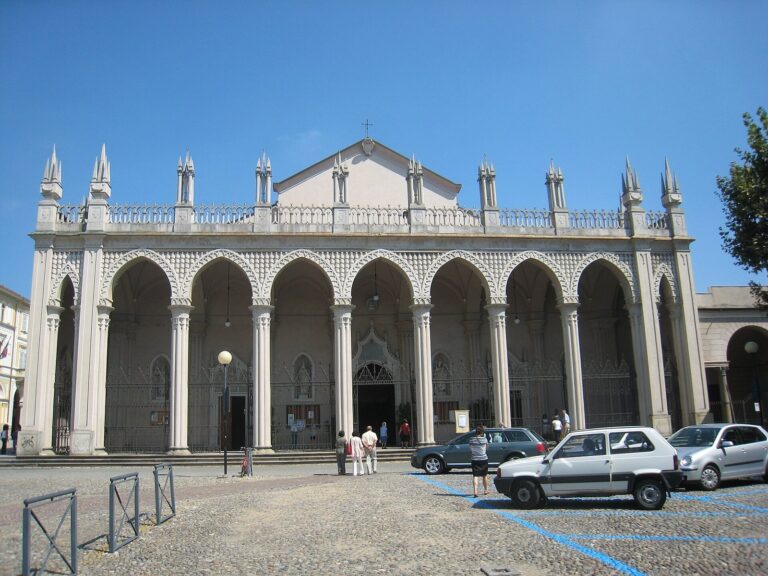
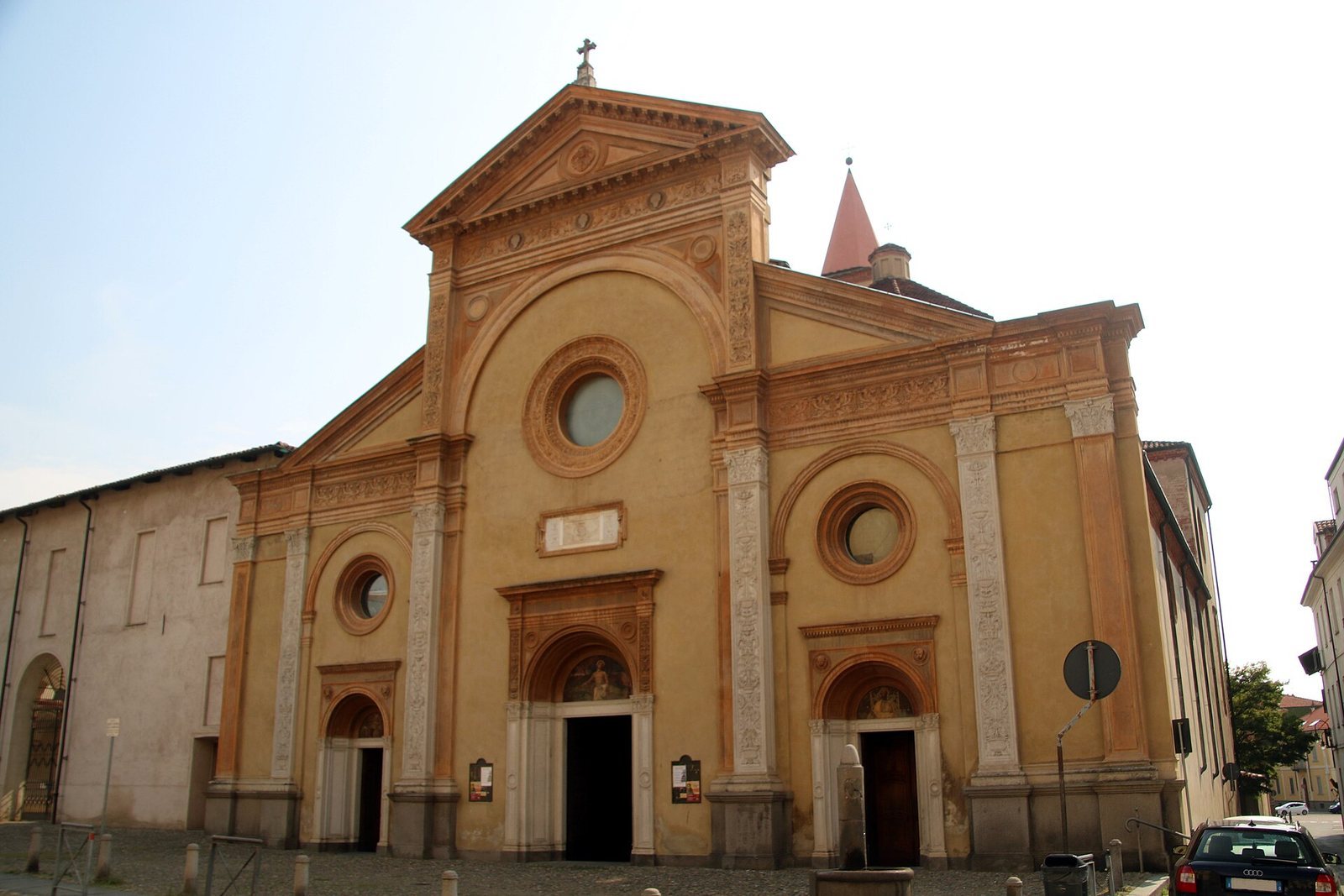
San Sebastiano is a Renaissance Roman Catholic parish church in Italy, built after the Lateran Congregation moved to Biella in 1498–1499. The congregation was a Catholic religious community of canons who followed a shared rule. Dedicated to Saint Sebastian, an early Christian martyr, the church follows the Roman rite and serves the Diocese of Biella. It also holds the papal honorific status of a minor basilica. Its design is attributed to Sebastiano Ferrero, a senior financial official at the Savoy court. The Savoy dynasty was the ruling house whose territories included the area around Biella.
Work began in 1504 and continued until 1551. The facade remained unfinished until the nineteenth century, extending the church’s construction history beyond its initial building campaign.
Religious use and later reuse
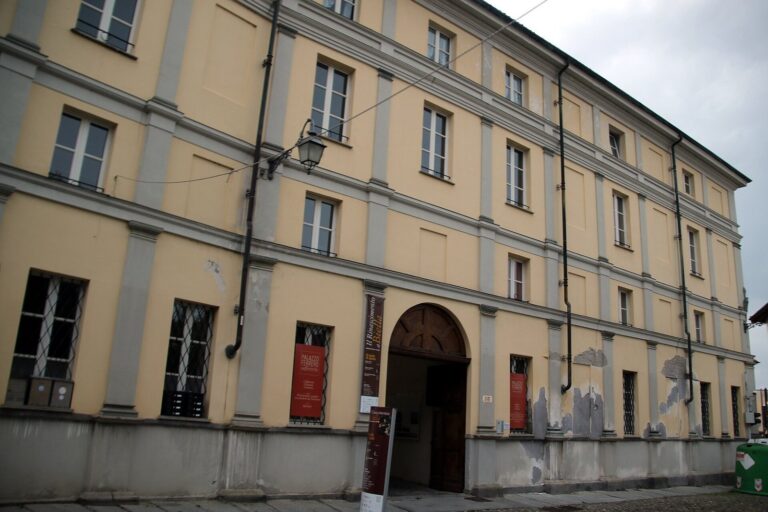
San Sebastiano remains an active parish church. The associated monastery had changing secular uses, serving at different times as a barracks and a warehouse.
Remains
Plan and structure
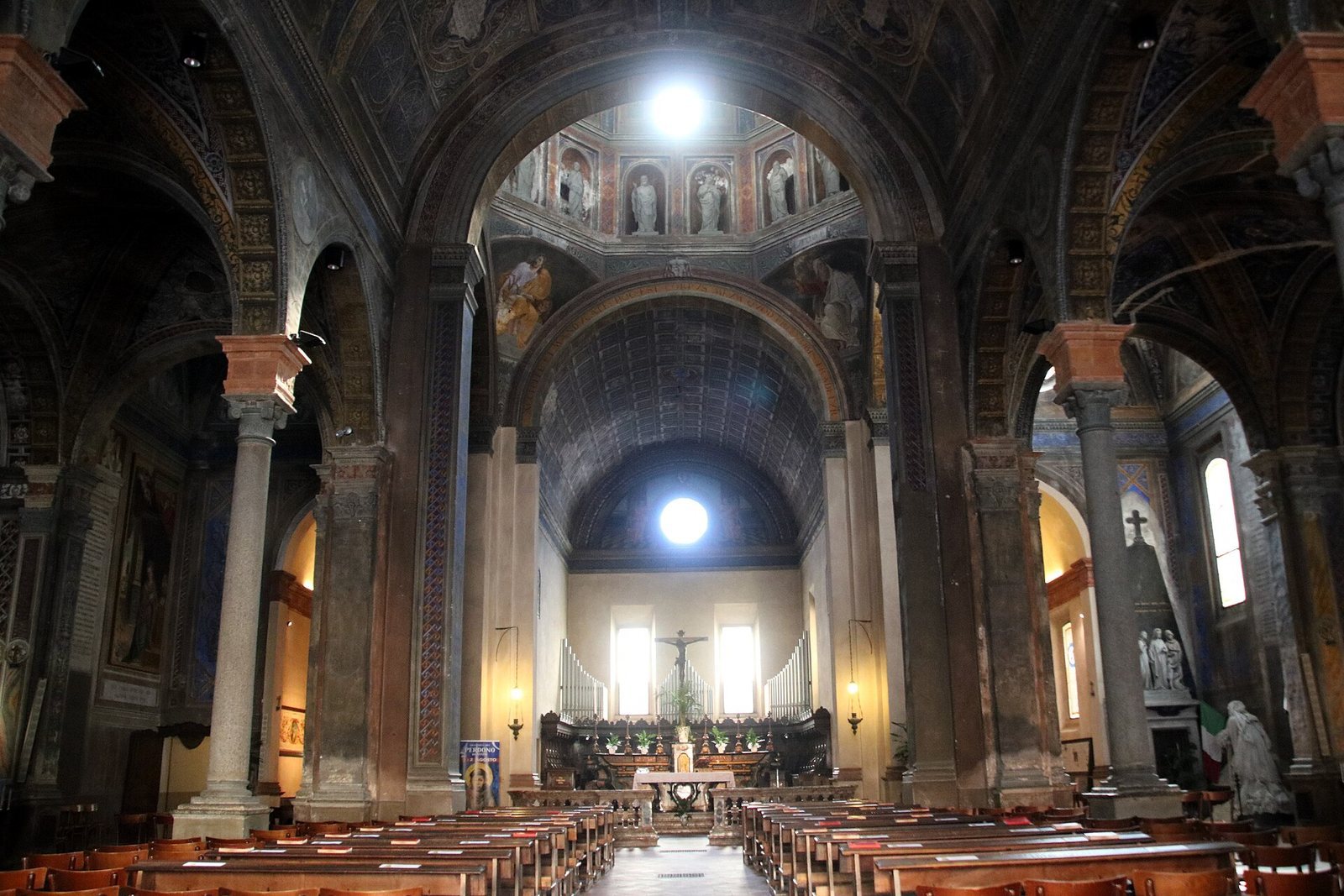
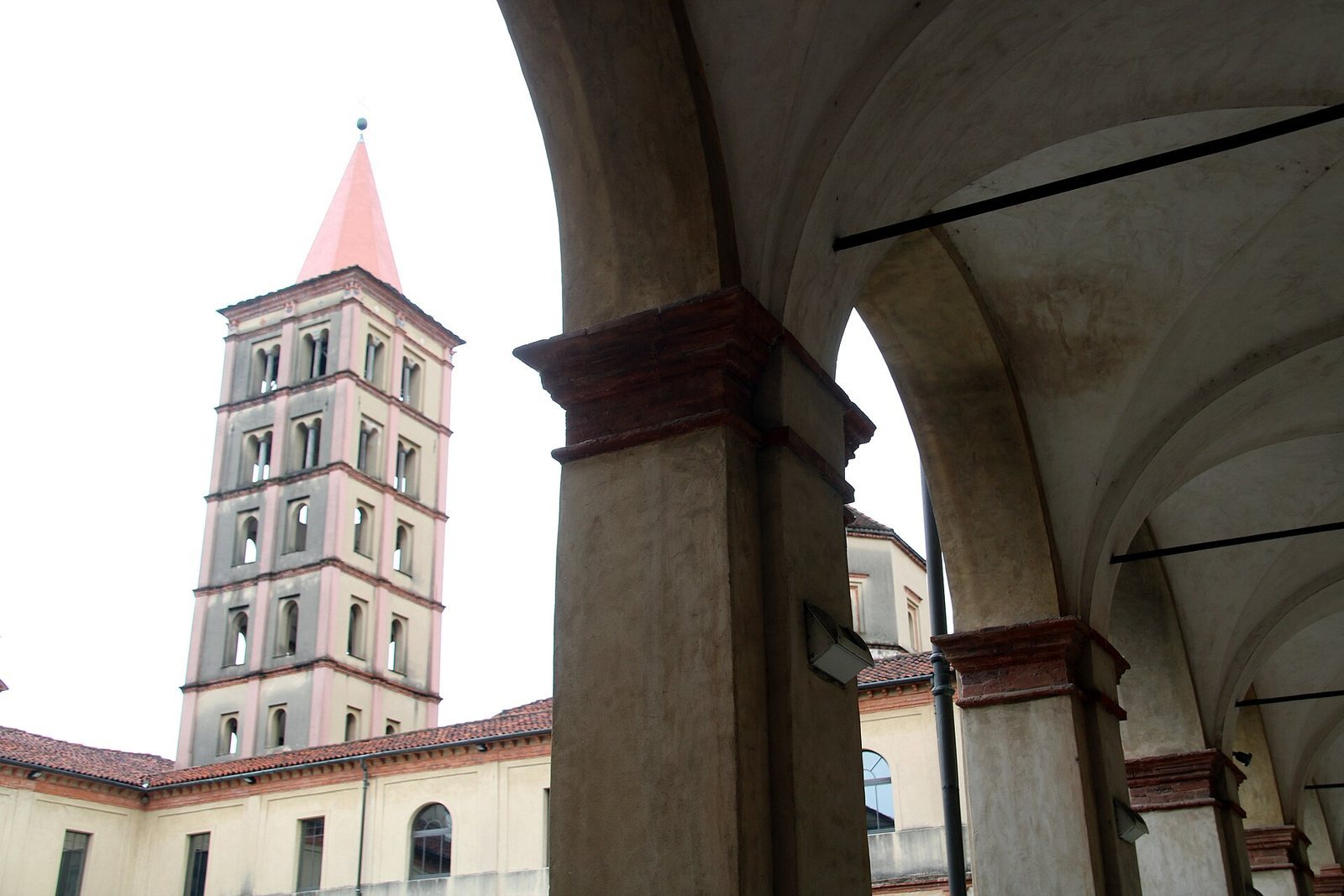
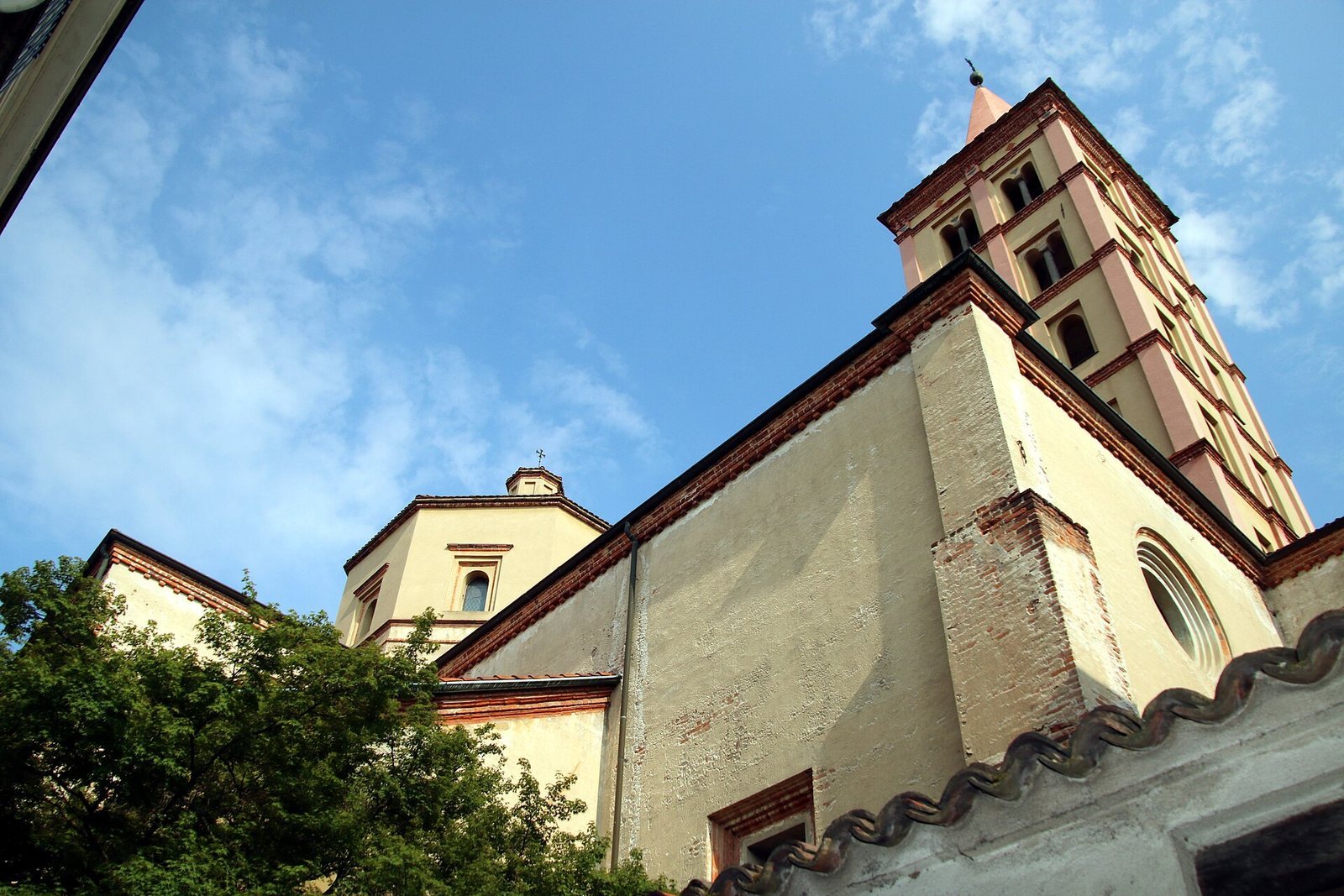
The church has a Latin-cross plan and Renaissance features described as Bramantesque, meaning associated with the architectural work of Donato Bramante. Its central nave, or main interior hall, has a barrel vault, a continuous rounded ceiling. Side aisles connect with four chapels, each covered by a cross vault formed where vaulted sections intersect. The bell tower rises 51 metres and ends in an eight-sided spire.
Chapels and crossing
Second chapel
Panels in the second chapel depict Saint Dominic, founder of the Dominican Order, and Blessed Augustine De Fango. Blessed is a Catholic title given to a person formally beatified. The panels are attributed to Boniforte Oldoni.
Right-hand chapel
Bernardino Lanino’s Polyptych of the Assumption, created in 1543, is kept in a chapel on the right. A polyptych is an artwork composed of multiple panels. In Christian art, the Assumption represents the Virgin Mary being taken into heaven.
Right-hand crossing
The right-hand crossing contains a separate 1543 Assumption by Lanino. It also holds an altarpiece showing Saints Sebastian and Augustine, attributed to Sebastiano Novelli but possibly painted by Pietro Grammorseo, and Defendente Ferrari’s polyptych of the Madonna and Child with Saints.
Chapel of the Madonna of Oropa
Two paintings in this chapel portray Saint Bartholomew, traditionally identified as one of the Twelve Apostles, and Saint Dominic. Both works are attributed to Oldoni.
Choir and painted decoration
Choir and lectern
The area around the main altar contains a Renaissance choir and lectern made by Gerolamo de Mellis and dated 1545. Their materials include bronze plaques and thirteenth-century ceramics from Limoges.
Paintings
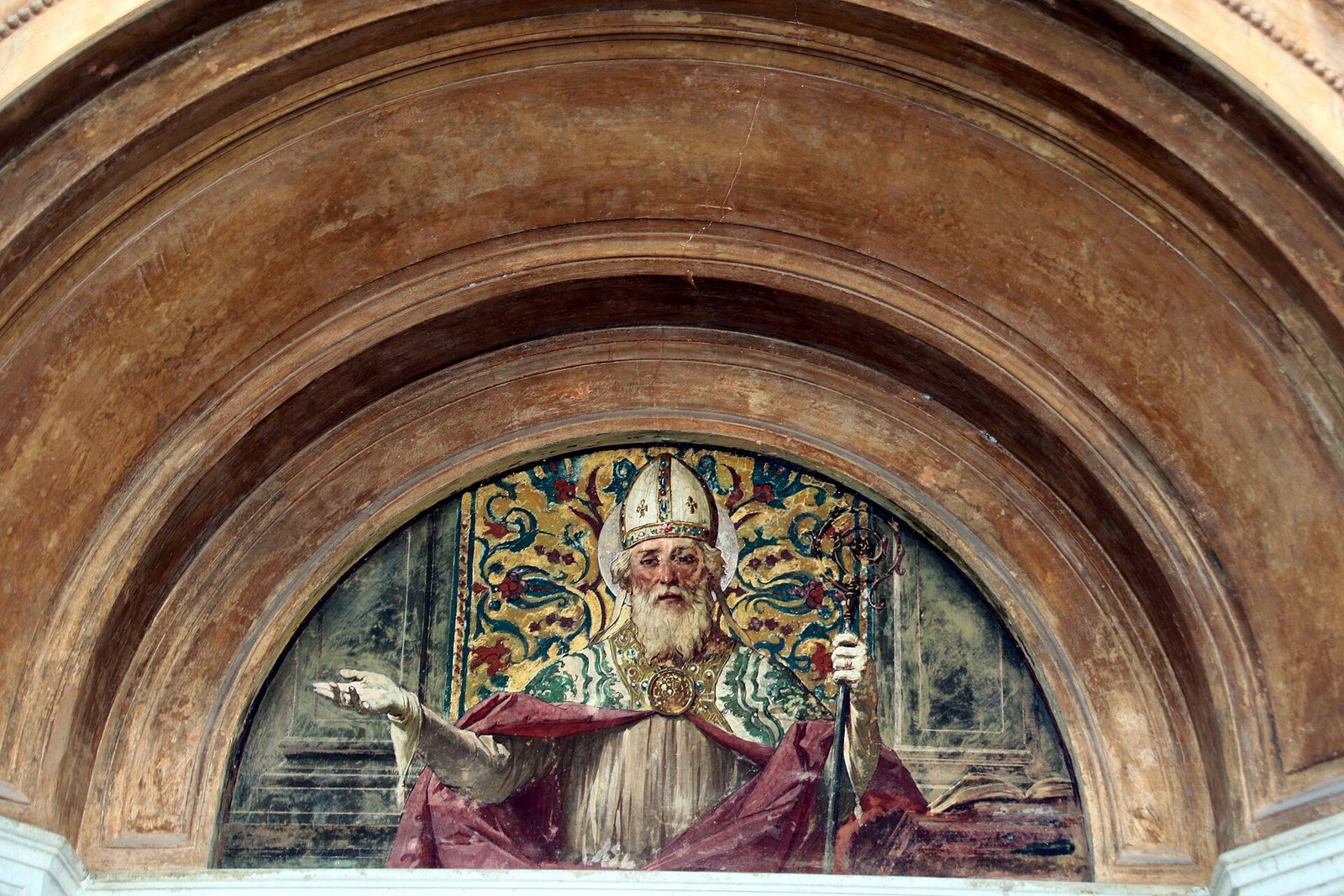
Rodolfo Morgari’s 1866 painting of the Prophet Daniel decorates the curved triangular supports beneath the dome. The interior also includes Raffaele Giovenone’s 1579 works The Annunciation and Augustine, Bishop and Doctor of the Church. The Annunciation depicts the announcement to Mary that she would bear Jesus; a Doctor of the Church is a saint recognized for authoritative teaching. Ornamental designs of fanciful forms, known as grotesque motifs, also appear in the interior decoration.
Sculpture and organ
Sculptures
The church contains Odoardo Tabacchi’s 1877 statue of Giovanna Bertiè Mathew and his statues of Charity, Faith, and Hope. A bust of Alberto La Marmora is by Vincenzo Vela.
Organ
The organ was installed in 1926 by the Scolari brothers of Bolzano Novarese and restored in 1978 by Giuseppe Marzi of San Maurizio d’Opaglio. It has 23 stops, which control sets of pipes, operated through two keyboards and a pedalboard.
Monastery and museum collections
The former monastery now houses the Museo Biellese. Its displays include finds from a Roman necropolis, an ancient cemetery, as well as ceramics and paintings.