San Pietro al Po Church: A Catholic Parish Church in Cremona
Site at a Glance
- Popularity
- Medium
- Country
- Italy
- Primary era
- Early Modern
- Eras represented
- Medieval, Early Modern
- Civilizations
- Duchy of Milan, Holy Roman Empire, Spanish
- Site type
- Religious
- Remains
- Church
On this page12 sections
History
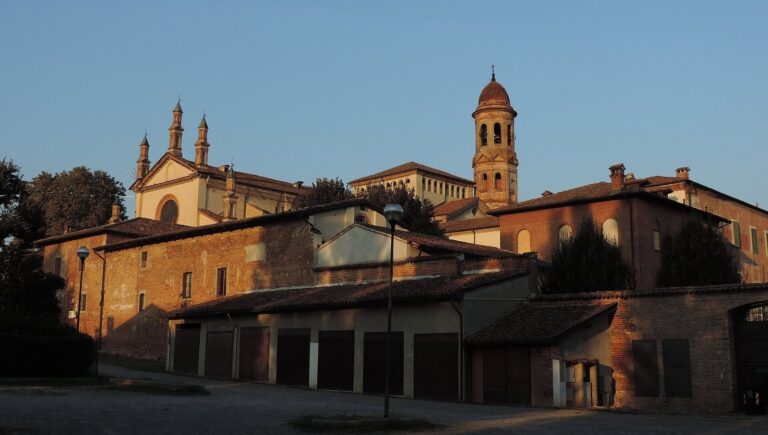
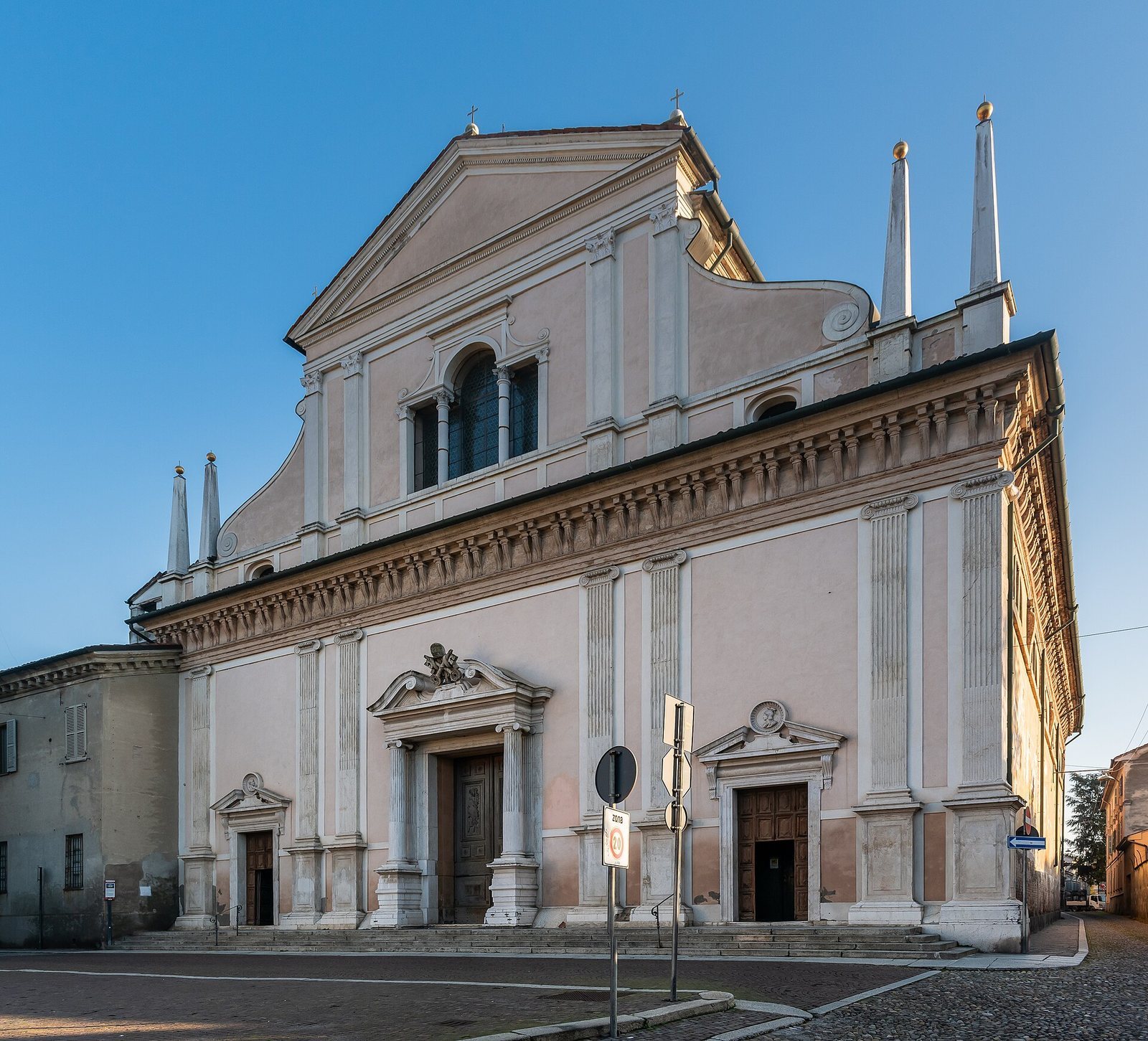
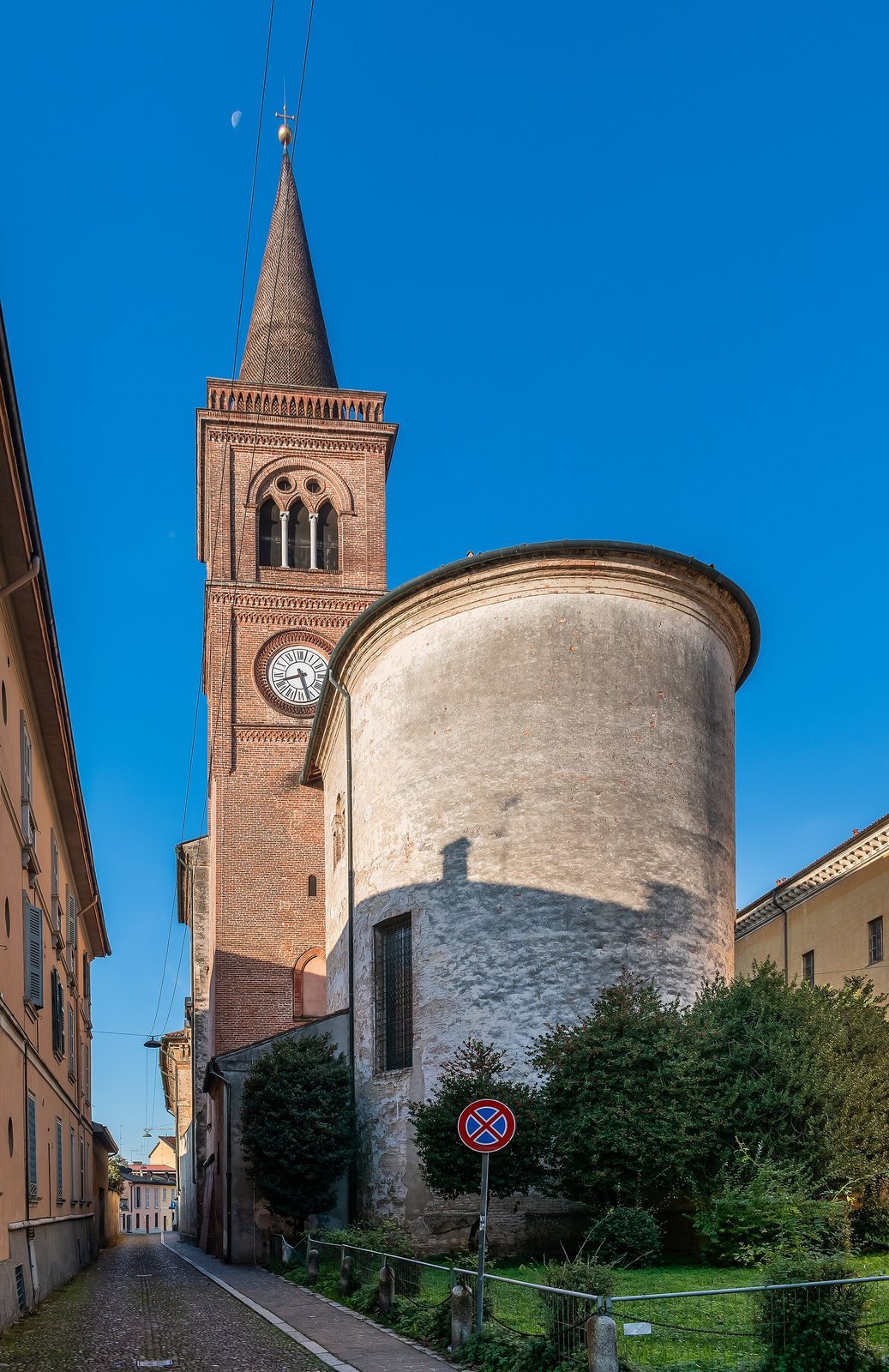
San Pietro al Po Church is a Catholic church in Cremona, Italy, dedicated to Saint Peter, one of Jesus’s apostles and a leading figure in early Christianity. Founded in 1064, it developed beside a Benedictine monastery. Its interior became associated with Cremonese Mannerist art, a sixteenth-century style known in part for elaborate compositions and expressive forms.
Benedictine foundation and Lateran Canons
The Benedictines, members of a monastic order who follow the Rule of Saint Benedict, established the church and monastery. In 1439, they transferred the monastery to the Lateran Canons, a community of clergy living according to a religious rule. Pope Eugene IV approved the agreement. The new congregation then commissioned a fifteenth-century reconstruction of the church.
Sixteenth-century rebuilding and art
Abbot Colombino Rapari, who led the community from 1549 to 1570, promoted the rebuilding that gave the church its present form. Designed by Cremonese architect Francesco Dattaro, the work was completed in 1573. In 1579, Giulio and Antonio Campi received commissions to paint the transept and create the main-altar altarpiece. Works by prominent local painters subsequently shaped the interior as an important example of Cremonese Mannerist art.
Departure and later uses
The Lateran Canons left San Pietro al Po in 1782. In the nineteenth century, the monastery’s main cloister served as a barracks, while a stage of the Teatro Concordia occupied part of the former monastic complex. The church now serves as the parish church of San Giorgio di San Pietro al Po, named for Saint George, a Christian saint traditionally associated with a dragon legend. It belongs to the Diocese of Cremona, the territory overseen by a bishop.
Remains
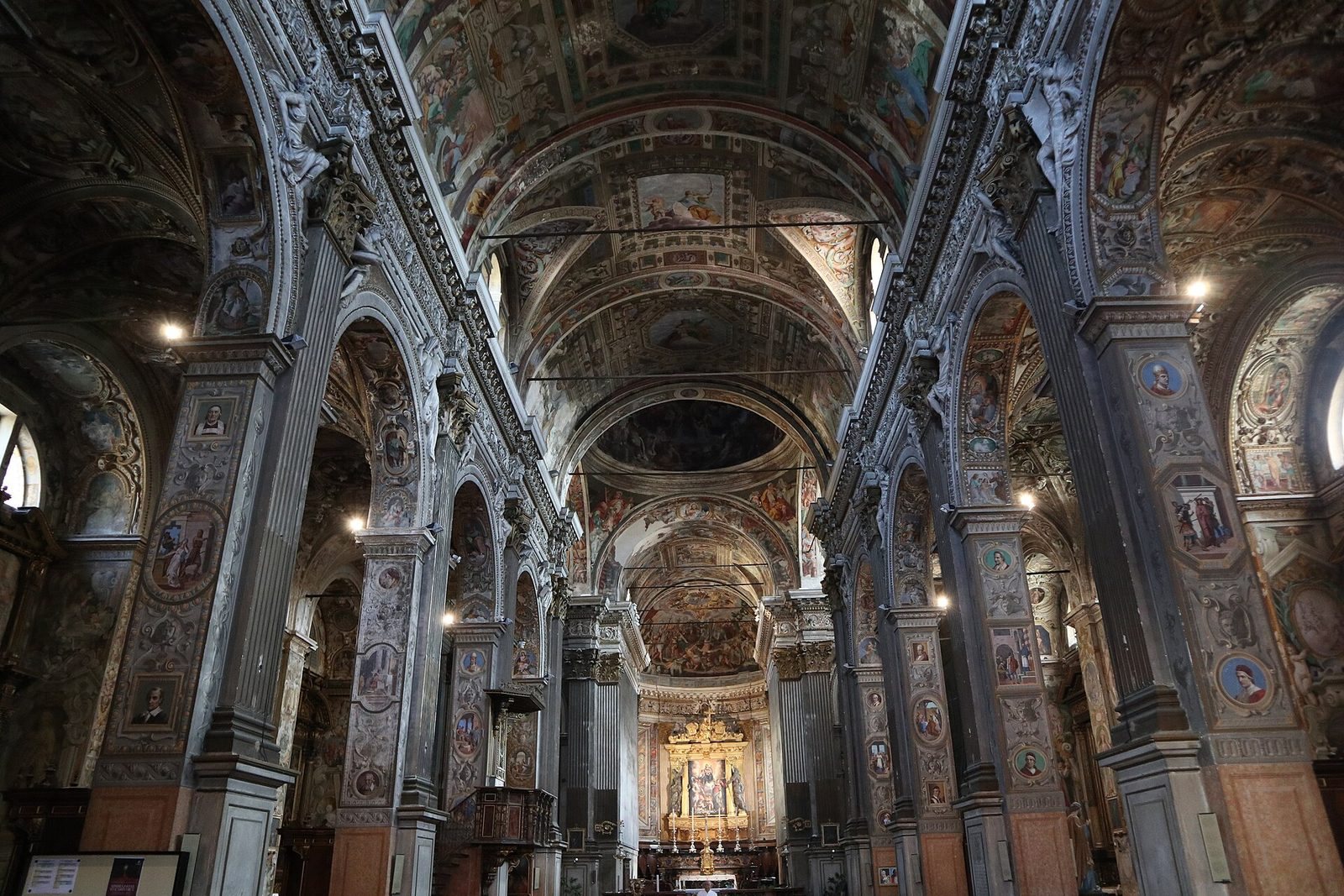
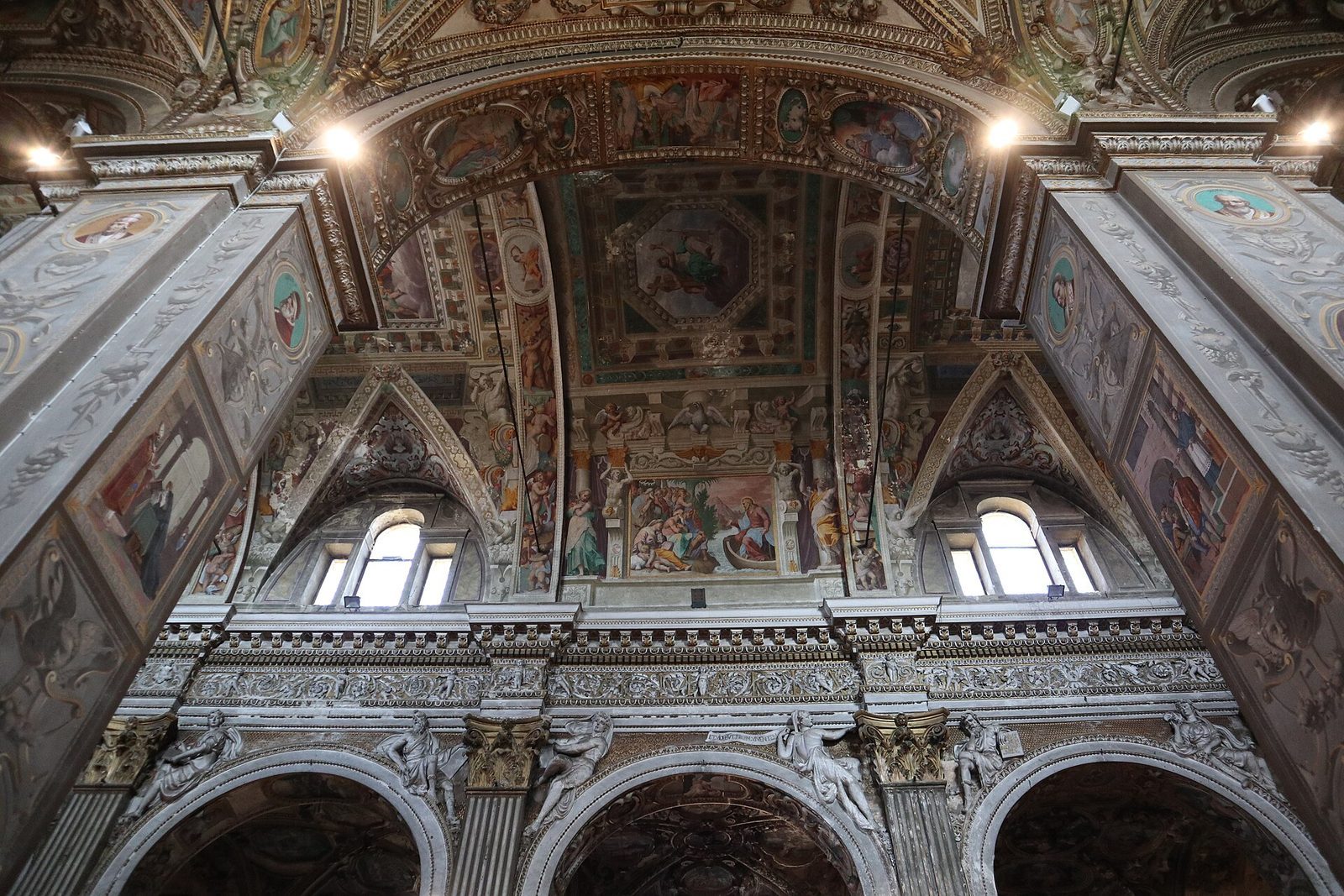
The church has a Latin-cross plan, with a long main axis crossed by a shorter transept. Its three aisles, side chapels, dome, and choir at the apse, the rounded or polygonal end of the church, form the principal elements of the interior. The space is decorated with stucco, frescoes, and painted canvases in the Cremonese Mannerist style of the sixteenth and seventeenth centuries. Decorated pillars, vaulted ceilings over the side aisles, and a raised platform for preaching, or pulpit, are also part of the interior.
Church layout and paintings
Main altar and choir
The choir contains the main-altar altarpiece, an artwork placed on or behind an altar, titled Virgin in Glory and Saints. Giulio and Antonio Campi were commissioned to make it in 1579, and a caption identifies the painting as Antonio Campi’s work. At the second altar on the left, Bernardino Gatti’s Adoration of the Shepherds includes a portrait of Rapari.
Altars on the right side
The right-side paintings include Lattanzio Gambara’s Deposition of Christ in the Tomb at the second altar and Bernardino Ricca’s Deposition from the Cross, dated 1521, at the third. Giovanni Battista Trotti, known as Malosso, painted the Nativity at the fourth altar in 1583. The fifth altar holds Gervasio Gatti’s Martyrdom of Saint Lucia; Lucia is venerated as an early Christian martyr.
Altars on the left side
At the third altar on the left are Antonio Campi’s Madonna of the Dove and Giulio Campi’s Circumcision. Gian Francesco Bembo’s 1524 painting at the fourth altar shows the Virgin and Child with Saints Cosmas, Damian, and Jerome, and the Donor. Cosmas and Damian were early Christian physician-martyrs, and Jerome was a biblical scholar and theologian. At the fifth altar, Gervasio Gatti’s Martyrdom of Saint Cecilia depicts Cecilia, also venerated as an early Christian martyr.
Monastery and earlier remains
Cloister and refectory
The monastery’s cloister, a covered walkway around a courtyard, was built in 1509 by Cristoforo Solari. A refectory, the monks’ communal dining hall, stood beside it. The refectory contains Bernardino Gatti’s large 1552 fresco, Multiplication of the Loaves.
River setting and portal fragments
When the earliest church was founded, it stood on the bank of the Po. As late as the sixteenth century, the river flowed through the depression in front of the building. Three fragments discovered in 2010 probably came from a portal. Their carved scenes represent months of the year: January shows meat being smoked in a pot, February a tree trunk being cut with a blade, and August barrels being prepared for the grape harvest. The fragments may be linked to the workshop of Wiligelmo, a sculptor associated with Romanesque art in northern Italy, but the proposed connection does not establish that he made them.