San Giovanni in Oleo: A Memorial Chapel in Rome
Site at a Glance
- Rating
- 4.7
- Popularity
- Very Low
- Country
- Italy
- Primary era
- Early Modern
- External website
- Open
- Eras represented
- Early Modern
- Civilizations
- Papal States
- Site type
- Religious
- Remains
- Chapel
On this page7 sections
History
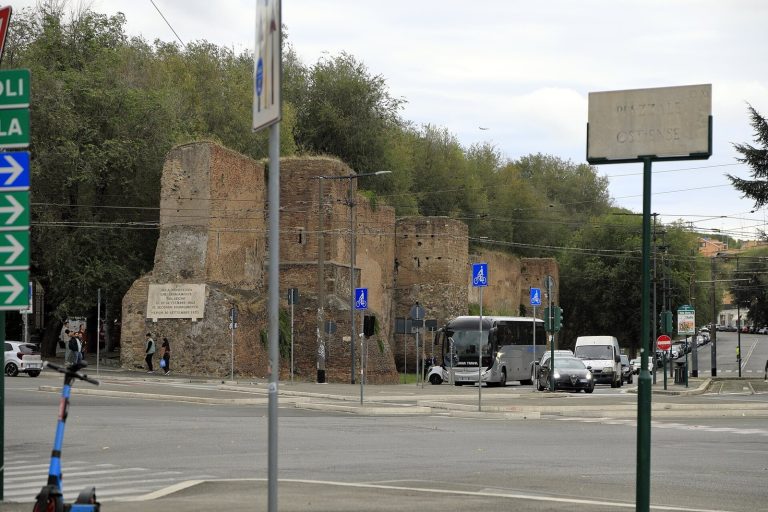
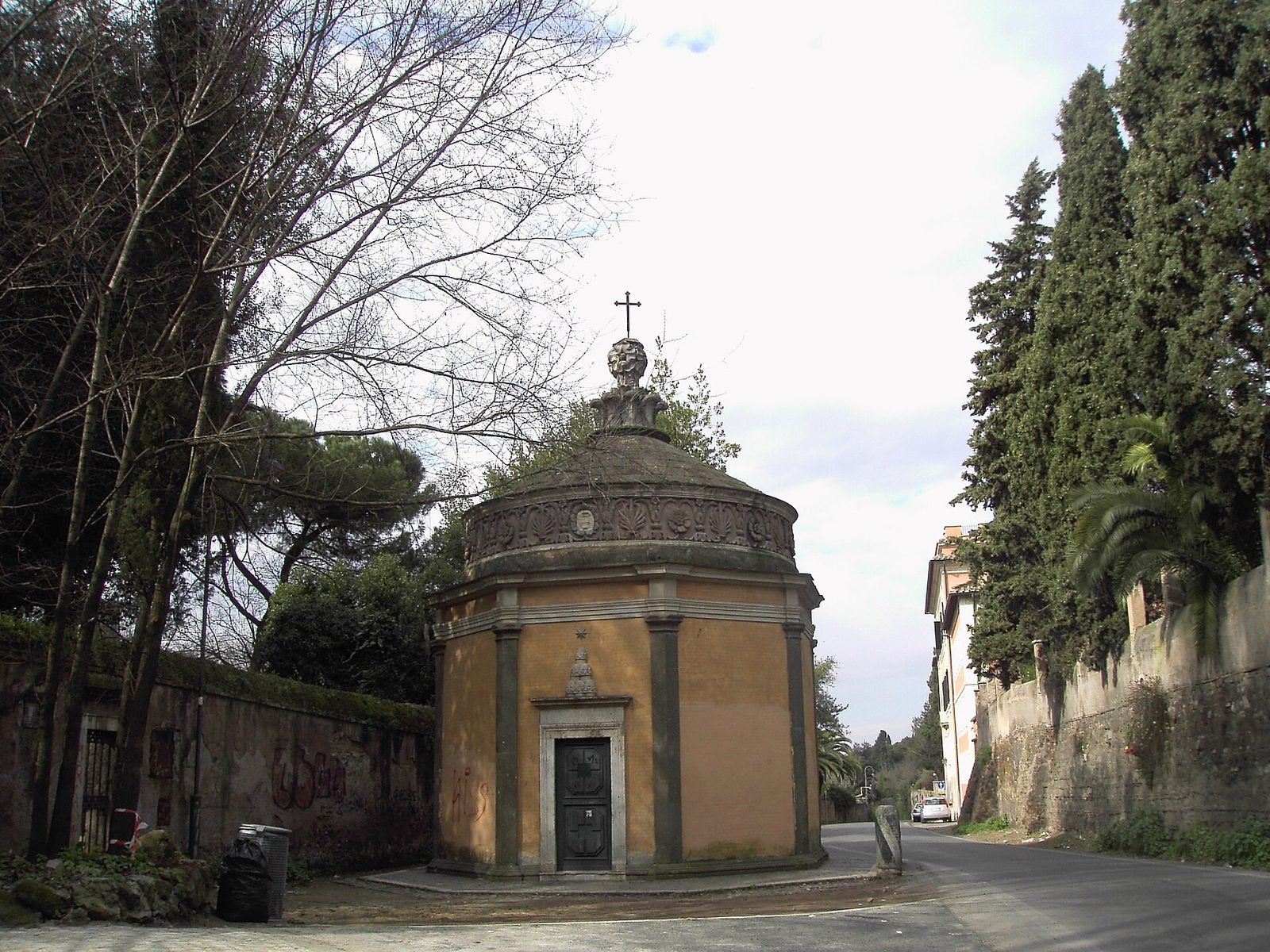
San Giovanni in Oleo is a Roman Catholic chapel in Rome, Italy, standing on the Via di Porta Latina about 20 metres from Porta Latina in the Aurelian Walls. Dedicated to John the Evangelist, also known as John the Theologian, it commemorates the place traditionally identified as the site of his attempted martyrdom.
The tradition and early memorial
According to the medieval Golden Legend, a collection of saints’ lives and martyrdom narratives, John was immersed in boiling oil in AD 92 during the persecution of the Roman emperor Domitian, who ruled from AD 81 to 96. John survived unharmed and was then exiled to Patmos, the Greek island traditionally associated with his exile and the writing of the biblical Book of Revelation.
The written accounts of this episode begin only in the early third century, rather than during John’s lifetime. In antiquity, the area near the Via Appia contained mausoleums, and the chapel may have replaced an earlier memorial. A first chapel probably stood here in the fourth century. By about the fifth century, the site was linked to the basilica of San Giovanni a Porta Latina and to a circular martyrion, a Christian memorial building associated with a martyr or a martyrdom site.
Rebuilding in the Renaissance
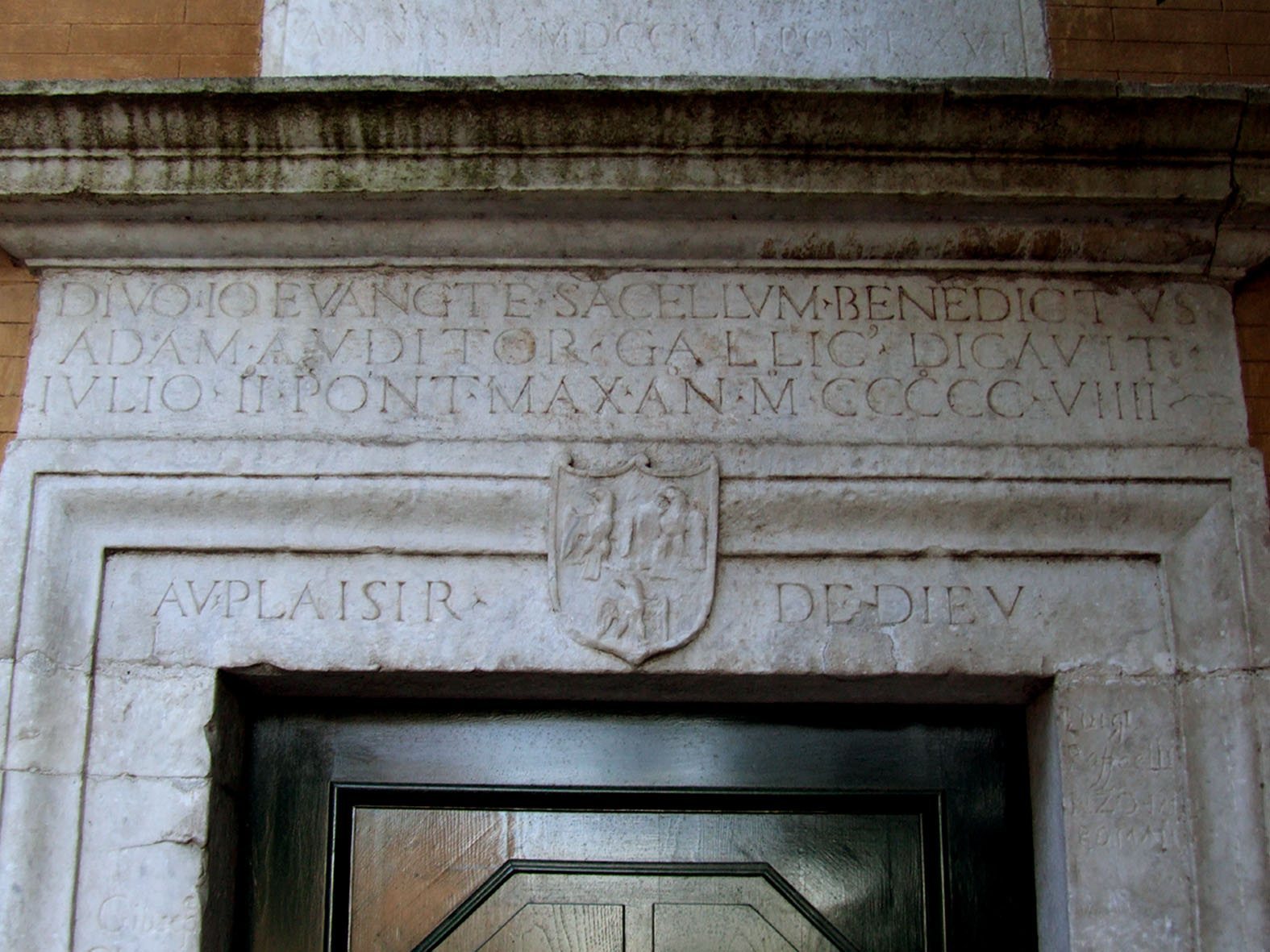
The earlier structure survived until the sixteenth century, apparently in poor condition. In 1509, Benoît Adam, a French prelate and auditor of the Sacra Rota, commissioned the present chapel. His patronage appears in an inscription on the western portal, which also gives the date, his motto, “Au plaisir de Dieu,” and the name of Pope Julius II. The design has traditionally been attributed to Donato Bramante, although there is no documentary proof. Other proposed designers include Antonio da Sangallo the Younger and Baldassare Peruzzi.
Baroque remodeling and later decoration
During the pontificate of Alexander VII, Cardinal Francesco Paolucci commissioned a restoration and remodeling around 1657 and 1658, with the intention of turning the building into a family chapel. Francesco Borromini carried out the work, which was completed in 1661. The exact scope and sequence of his intervention remain uncertain. One interpretation holds that he first created a ribbed roof and later raised the drum, while another regards the final alteration as an eighteenth-century completion based on Borromini’s drawings.
In 1658, Lazzaro Baldi decorated the interior with stucco and frescoes showing episodes from John’s life and martyrdom, including his vision on Patmos and the attempted immersion in boiling oil. Further interior restoration took place in 1716 under Pope Clement XI, when another fresco concerning John’s martyrdom was added. The chapel’s historical connection with San Giovanni a Porta Latina was reinforced by seventeenth-century restoration work ordered for both buildings. The original finial removed from San Giovanni in Oleo is preserved in the portico of the neighboring church.
Remains
Octagonal structure and roof
San Giovanni in Oleo is a small centralized chapel with an eight-sided plan, a form associated with Roman memorial buildings, mausoleums, and early Christian baptisteries. Its walls are made of plastered brick masonry set on a travertine structure. Bent pilasters with simple Doric capitals mark the corners and support a plain, reduced entablature. Beneath the cornice runs a high circular frieze in terra-cotta bas-relief, with roses and palmettes arranged in alternation.
The original building had no cupola and ended above its roof framing. The later arrangement consists of a raised drum, a conical stone roof, and a dome beneath the conical covering. Borromini’s remodeling added or altered this upper structure and produced an elaborate terminal feature with a cross, a globe decorated with roses, and foliage described as palm leaves and lilies. The roses referred to the patron’s emblem, while the original finial is now preserved in the portico of San Giovanni a Porta Latina.
Portals and interior decoration
The western portal preserves the founder’s name and the date 1509 on its lintel. It also carries Benoît Adam’s French motto and the name of Julius II, with Adam’s coat of arms above the entrance. On the eastern portal, the heraldic arms of the Chigi family accompany an inscription identifying Alexander VII, who belonged to that family, as the patron responsible for the restoration ordered in 1657.
The interior retains stucco decoration and Lazzaro Baldi’s fresco cycle devoted to John the Evangelist. Its subjects include the Vision of John on Patmos and scenes representing his attempted martyrdom, including the immersion in boiling oil. The painted decoration was supplemented by the later fresco added during the restoration of 1716.