San Francesco Church: A Franciscan Place of Worship in Monterosso al Mare
Site at a Glance
- Popularity
- Medium
- Country
- Italy
- Primary era
- Early Modern
- Eras represented
- Early Modern
- Civilizations
- Genoese
- Site type
- Religious
- Remains
- Monastery
On this page9 sections
History
Foundation and consecration
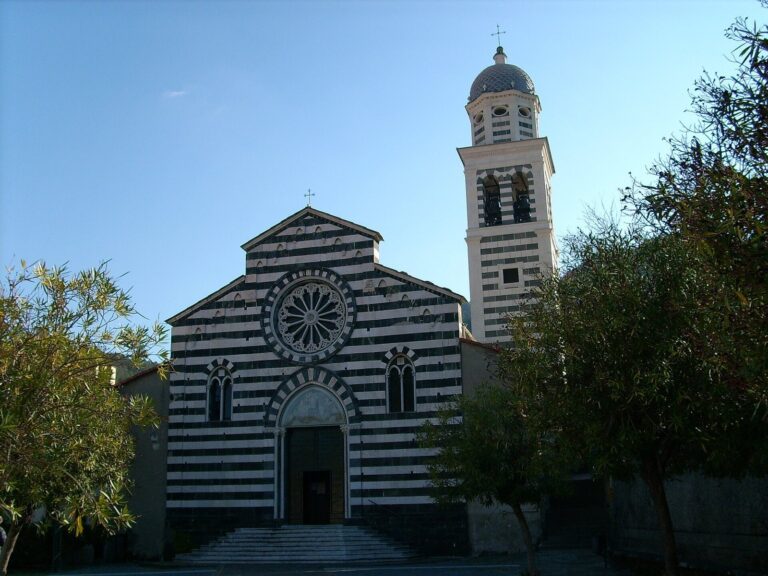
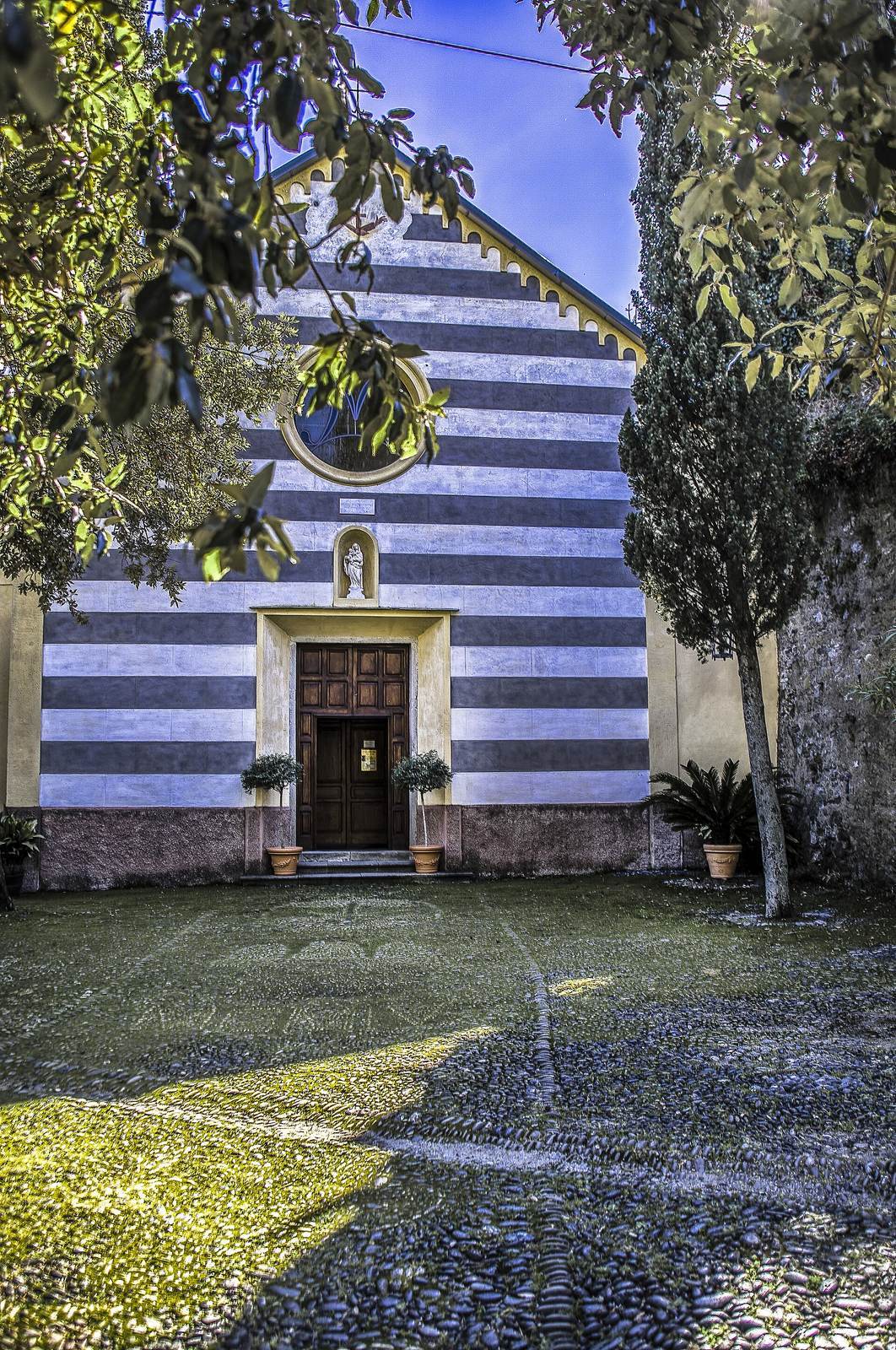
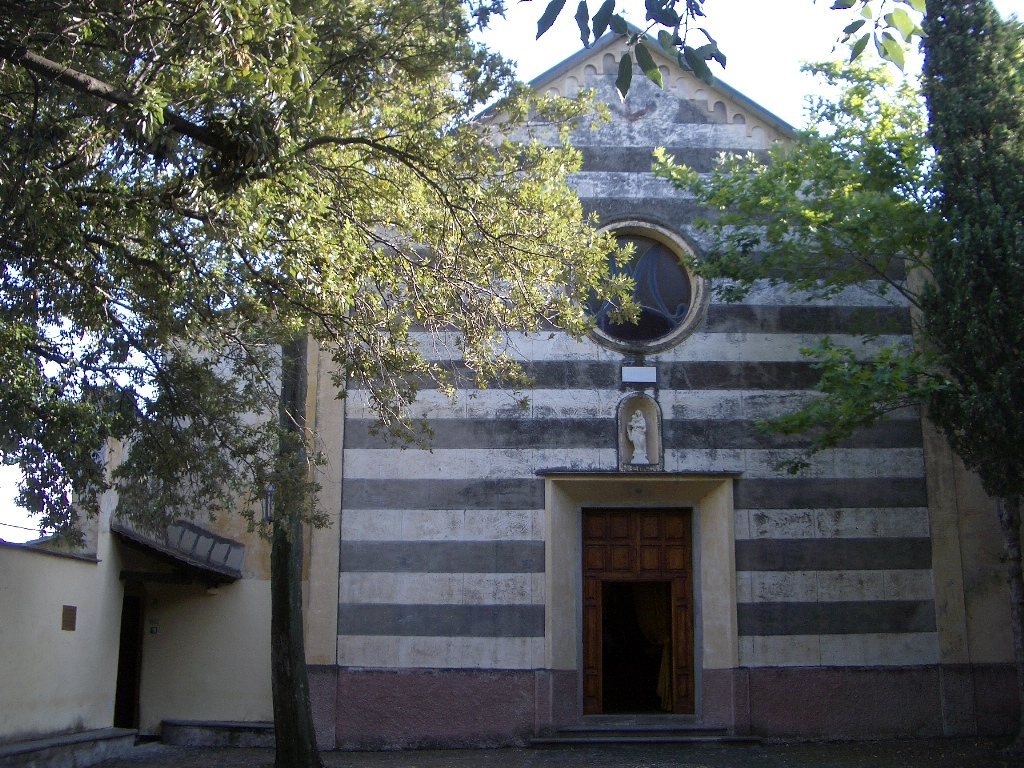
San Francesco Church is a Roman Catholic church in Monterosso al Mare, Italy, built in the Franciscan style alongside a Capuchin convent between 1619 and 1622. The Capuchins are a branch of the Franciscan order, a Catholic religious family associated with St Francis of Assisi. The complex was opened to the order on 28 March 1622. In 1623, Giovanni Battista Salvago, bishop of Luni and Sarzana, consecrated the church, which is dedicated to St Francis and belongs to the Diocese of La Spezia-Sarzana-Brugnato.
Napoleonic rule and the friars’ return
In 1810, during Napoleon’s rule, the convent was confiscated from the Franciscans and converted into a garrison for the Ligurian Republic, a northwestern Italian republic that had become a French client state. The republic was under the First French Empire, Napoleon’s imperial regime. The friars returned in 1816, after Napoleon’s fall.
Damage to the convent grounds
On 22 March 2013, a landslide destroyed the convent’s garden, vegetable plot, and historic wall. The wall had been built in the seventeenth century from stone and cement mortar and stood about 10 metres high. It was altered at several points over the centuries. Around 200 cubic metres of debris and soil flowed mainly onto the road linking Fegina with Monterosso’s historic centre.
Remains
Church and interior
The church and adjoining convent stand on the slope of San Cristoforo hill, which divides Fegina from Monterosso. The church follows the Franciscan style, and its interior contains paintings and sculptures.
Paintings near the entrance
On the inner face of the entrance façade, opposite the sanctuary, is the eighteenth-century painting Martyrdom of the Capuchin Saints. Another work in the church is Christ Mocked by Bernardo Castello, a Genoese painter. The Crucifixion canvas is sometimes attributed to Antoon van Dyck, a Flemish painter associated with the Baroque. It may instead be by an unidentified seventeenth-century Ligurian painter who emulated Van Dyck’s technique.
Presbytery paintings
The presbytery, the area around the main altar, contains four paintings. Giuseppe Palmieri, a Genoese painter of the late seventeenth and early eighteenth centuries, made The Immaculate Conception with Saints Fedele and Felice. Luca Cambiaso, a Genoese painter of the sixteenth century, is represented by Pietà, depicting Mary mourning the dead Christ, and Penitent Saint Jerome. The fourth work is The Veronica by Bernardo Strozzi, a Genoese-born Baroque painter.
Relic chests
During restoration work in 2023, two eighteenth-century chests containing relics of the Roman martyrs Albina, Palmazio, Quintiliano, and Vittorino were uncovered. Seventeenth-century paintings had concealed them, with one chest placed on each side of the altarpiece.