Salvaterra Castle: A Frontier Fortress on the Miño
Site at a Glance
- Popularity
- Medium
- Country
- Spain
- Primary era
- Medieval
- Eras represented
- Medieval, Early Modern
- Civilizations
- Portuguese
- Site type
- Military
- Remains
- Castle
On this page8 sections
History
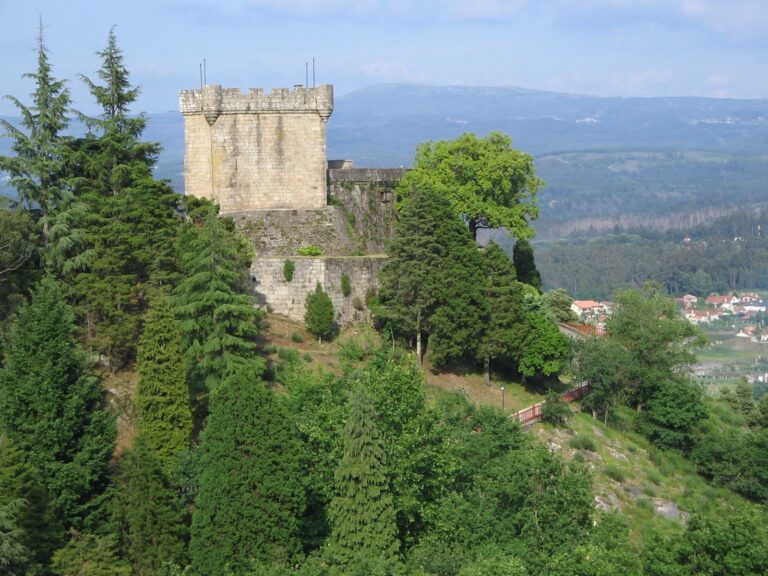
Salvaterra Castle, also known as Doña Urraca Castle, is a fortified site on a promontory above the Miño River in Spain. Its origins lie in the tenth and eleventh centuries, and it became a contested stronghold in repeated clashes between Portugal and the Kingdom of Castile.
Medieval conflicts
In 1121, Urraca, queen of León and Castile, launched an attack from the castle against her sister Teresa of León. Teresa, countess of Portugal, had claimed the title of queen, and Archbishop Diego Gelmírez of Santiago de Compostela supported Urraca’s action.
In 1479, the Galician nobleman and military leader Pedro Madruga defended the castle against forces sent by Alonso II de Fonseca, archbishop of Santiago de Compostela.
Portuguese control and the 1659 campaign
During the Portuguese Restoration War, the conflict in which Portugal regained independence from Habsburg Spain, Salvaterra was under Portuguese control from 1642 to 1659. García Sarmiento de Sotomayor, Count of Salvatierra, had left his friend Gregório Lopes de Puga in charge as governor. Lopes de Puga betrayed him by handing the fortress to the Portuguese commander João Rodrigues de Vasconcelos e Sousa, Count of Castelo Melhor. On 15 August 1643, João Rodrigues took possession after crossing the Miño and fighting with local inhabitants.
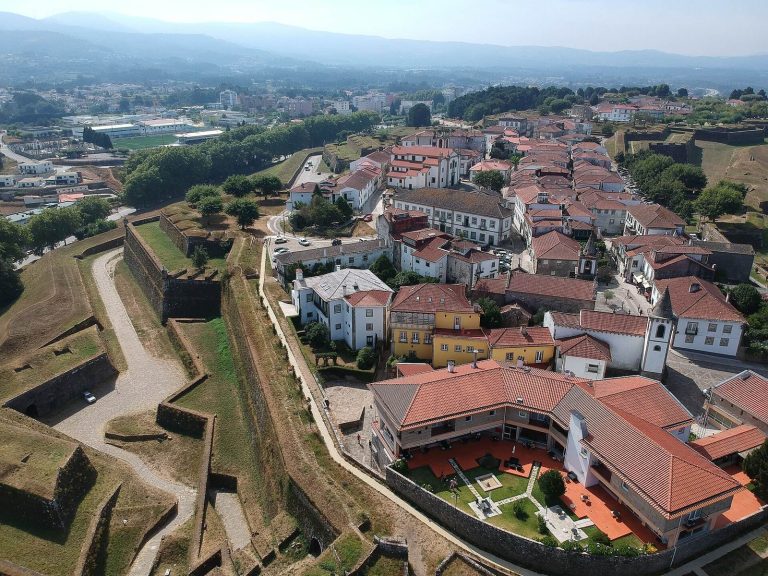
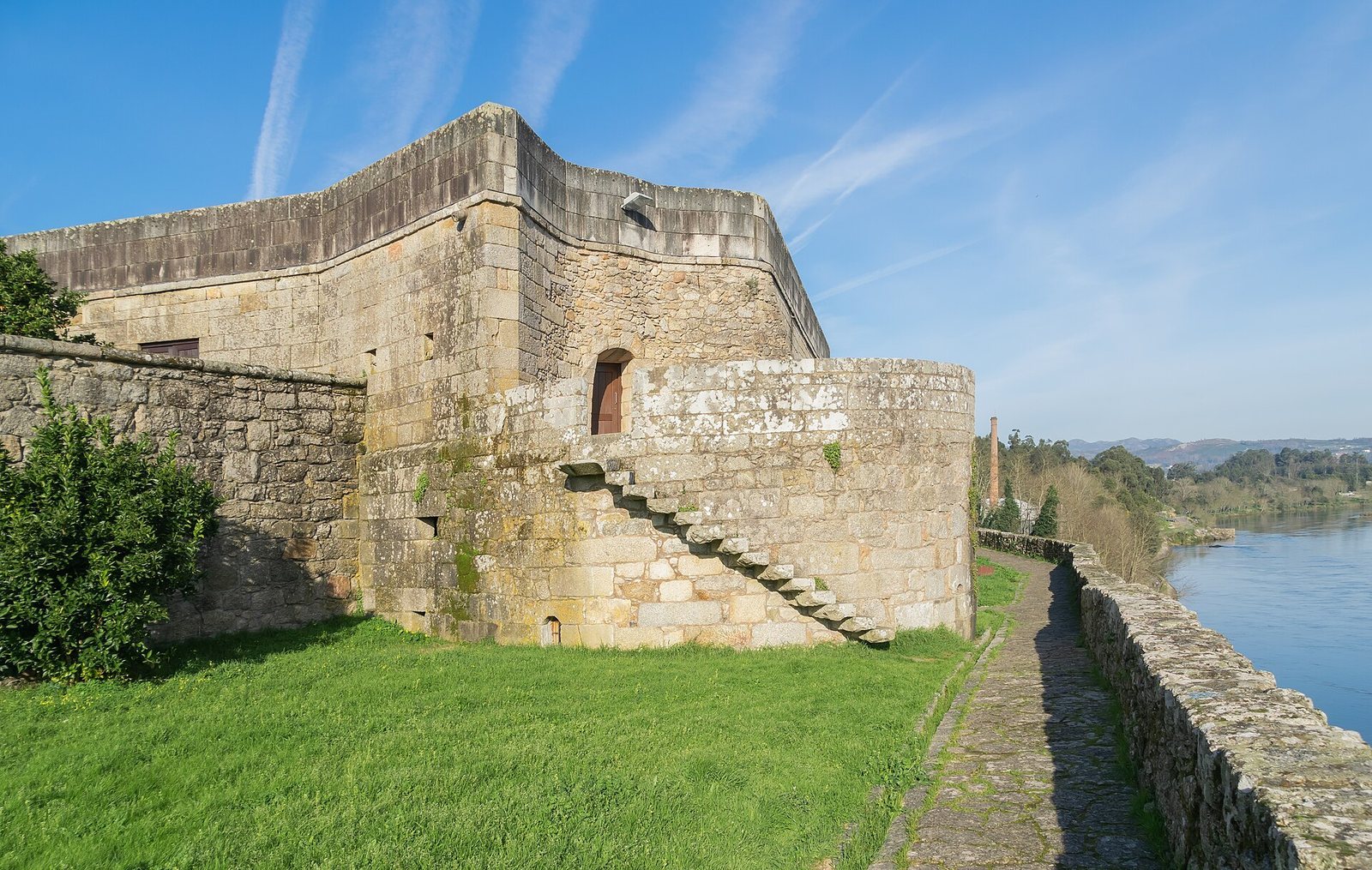
The Portuguese added walls and strengthened the projecting defensive works known as bastions. To prepare an attack on the Portuguese fortress of Monção and cut off the forces at Salvaterra, the Spanish built supporting defenses: the Fort of Santiago de Aitona, Fillaboa Fortress, and the watchtower of San Pablo del Puerto.
Portuguese forces destroyed Fillaboa while it was under construction in an operation involving 2,000 infantry and 50 cavalry; the Spanish promptly rebuilt it. Portuguese troops also demolished the San Pablo del Puerto watchtower a few months after its completion, and the Spanish reconstructed it.
Despite Portuguese skirmishes, these earthen defenses helped the Spanish assault on Monção. The town fell on 7 February 1659 with artillery support from the Fort of Santiago de Aitona. The Portuguese force at Salvaterra capitulated ten days later. On 29 May, a Spanish military council ordered the Fort of Santiago de Aitona and Fillaboa Fortress demolished, judging that they could assist a Portuguese counterattack. The watchtower of San Pablo del Puerto remained standing.
Heritage protection and rehabilitation
Salvaterra Castle received Spain’s Asset of Cultural Interest designation in 1949. The municipality later acquired it and began a rehabilitation plan that remains unfinished. In 2006, the castle joined the Fortrans program, established to recover and enhance frontier fortifications on both banks of the Miño.
Remains
Walled enclosure and buildings
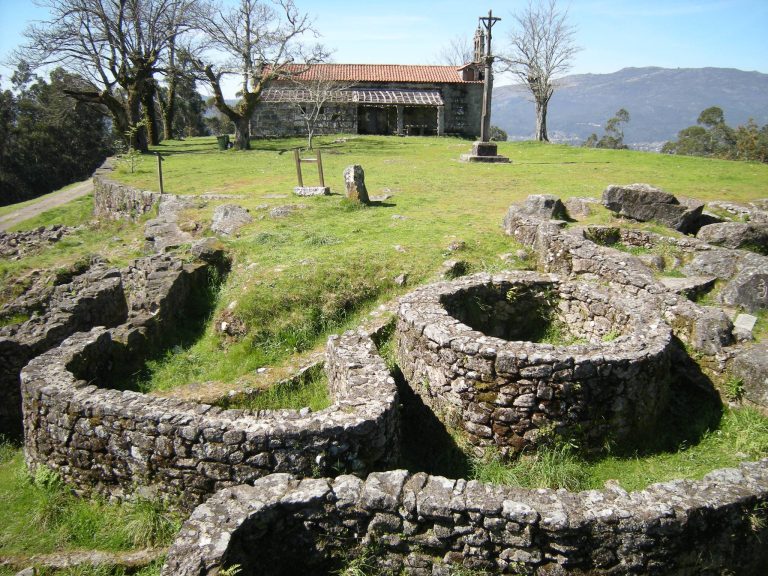
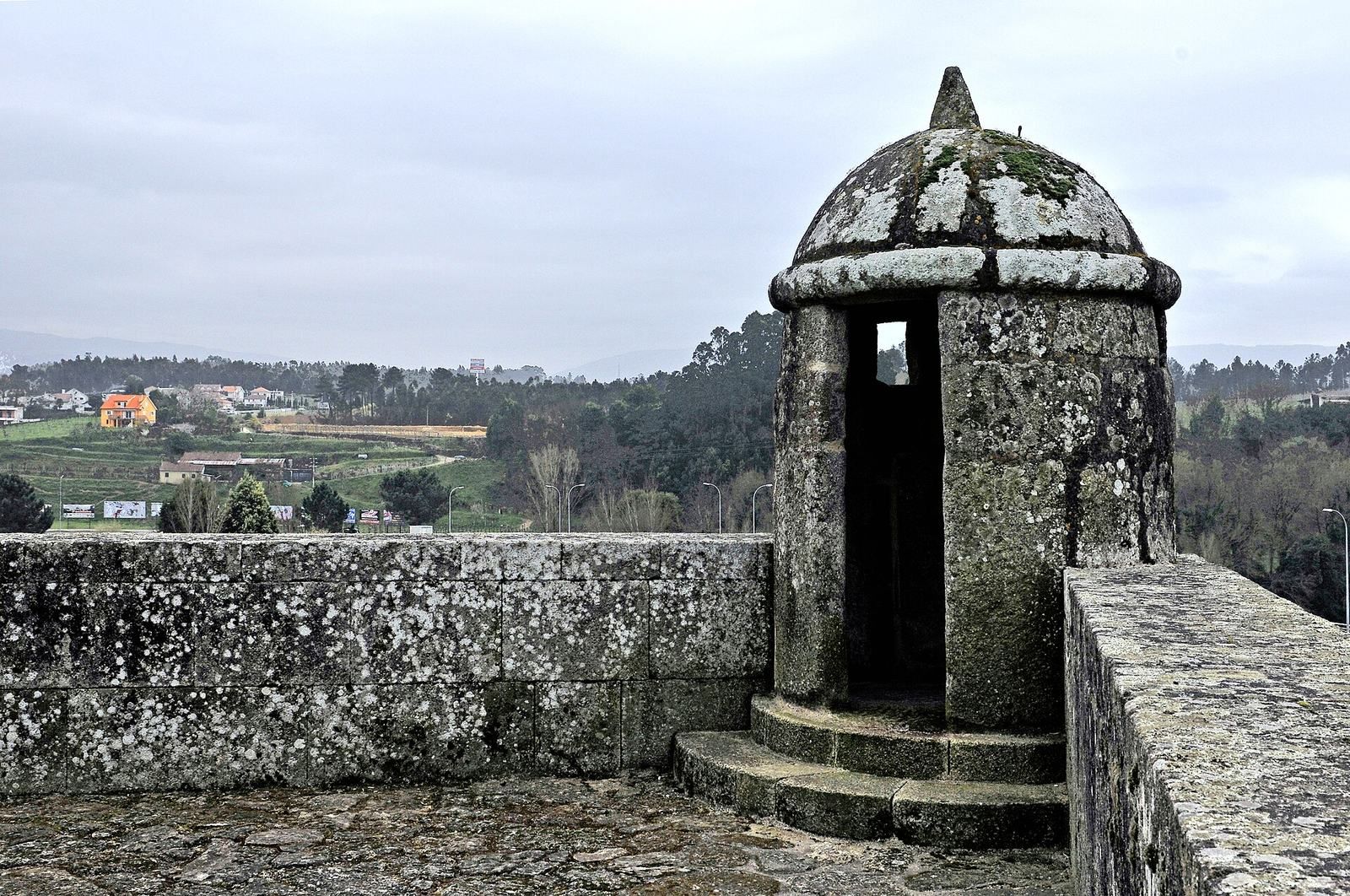
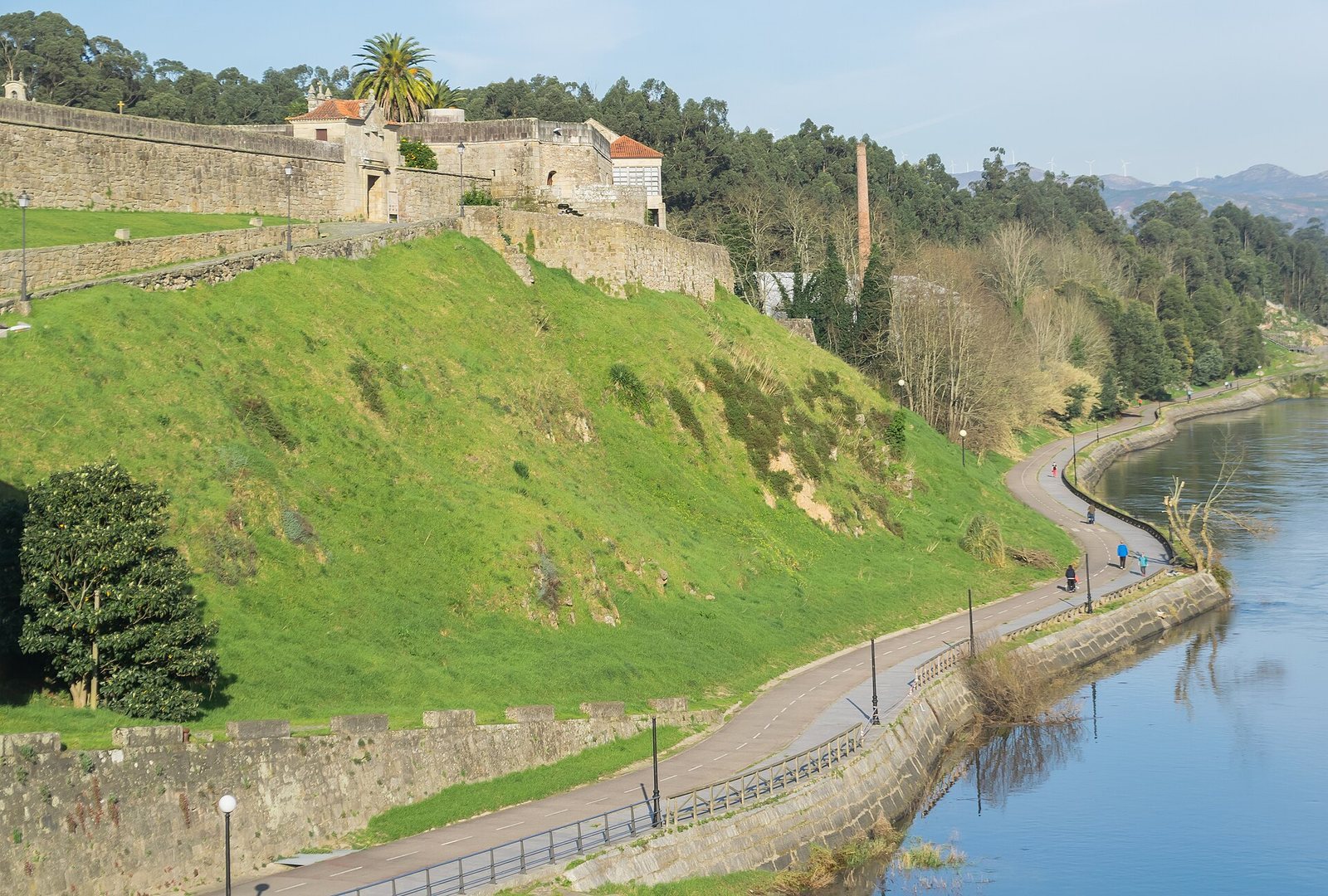
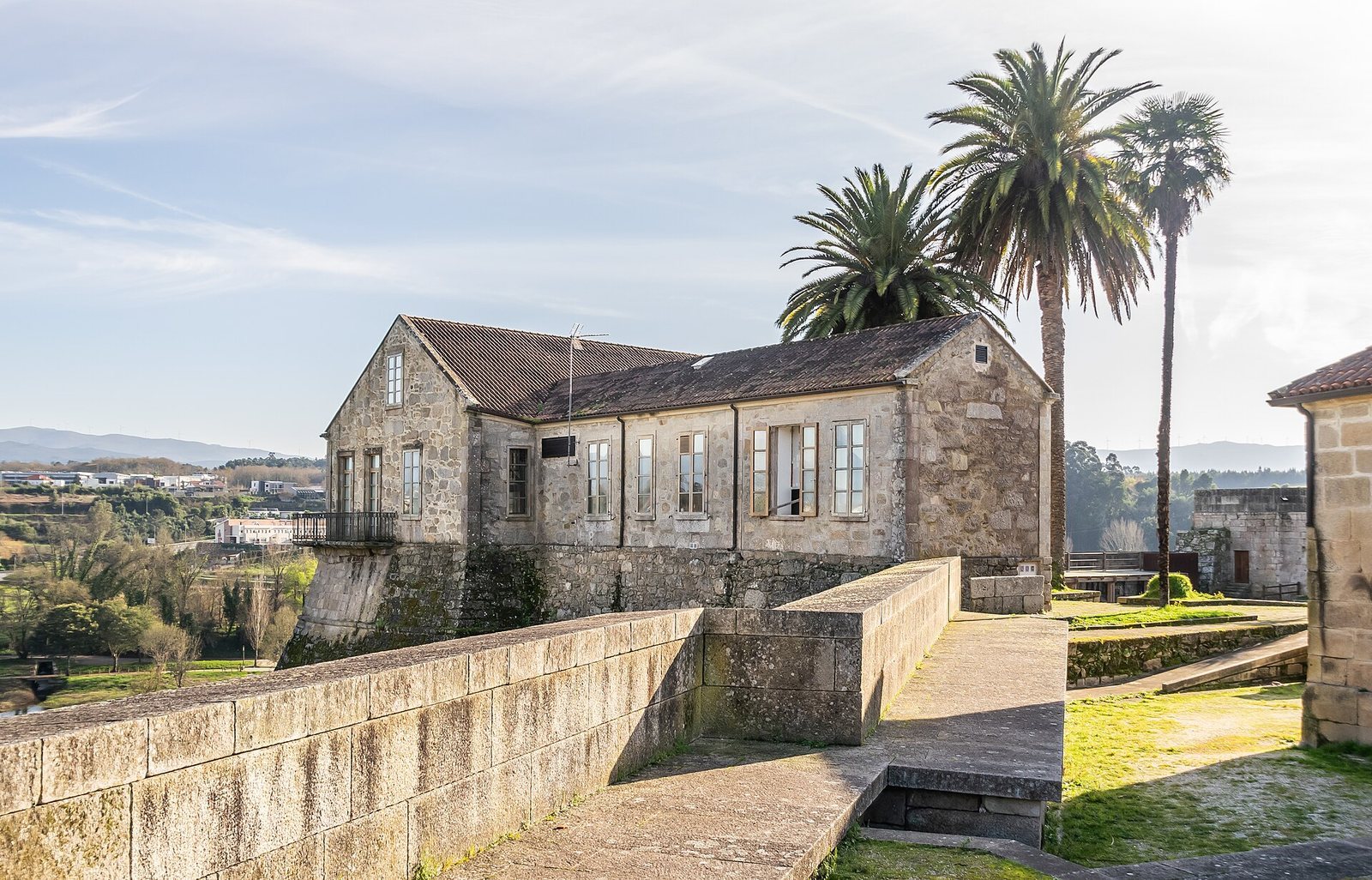
The castle occupies a promontory overlooking the Miño, within the historic center, and its walled enclosure covers 9,700 square metres. The walls include sentry boxes, small enclosed posts for guards. Inside are the Church of San Lorenzo, the Count’s House, Doña Urraca Manor House, the Chapel of the Virgin of Oliva, Castle Square, Oliva Square, and other buildings. The castle is in good condition.
Caves of Doña Urraca
The Caves of Doña Urraca date to the twelfth century and include a spiral staircase.
Chapel of the Virgin of Oliva
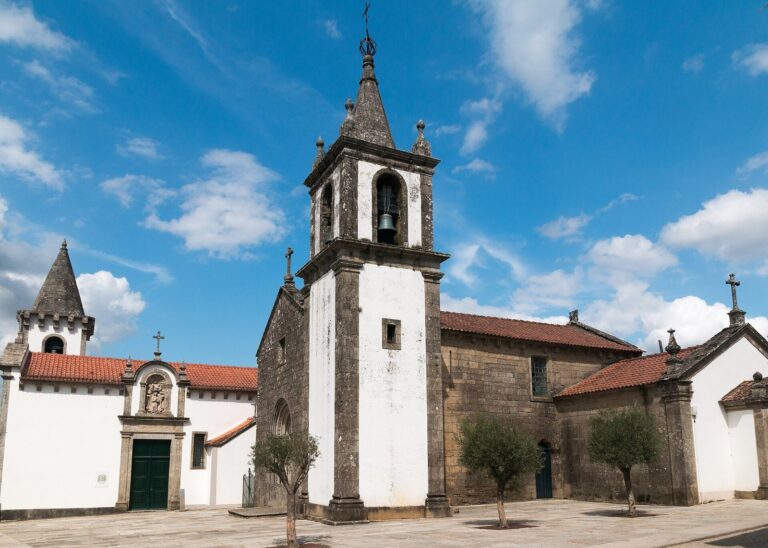
The chapel has a rectangular plan and a tiled roof with several slopes. An image of the Virgin is set on the building, which is crowned by a cross and pinnacles with ball-shaped finials. Its Baroque style is characterized by elaborate ornament and dramatic forms.