Salimiyya Takiyya: A Sufi and Charitable Complex in Damascus
Site at a Glance
- Popularity
- Medium
- Country
- Syria
- Primary era
- Early Modern
- Eras represented
- Early Modern
- Civilizations
- Ottoman
- Site type
- Religious
- Remains
- Sufi Lodge
On this page7 sections
History
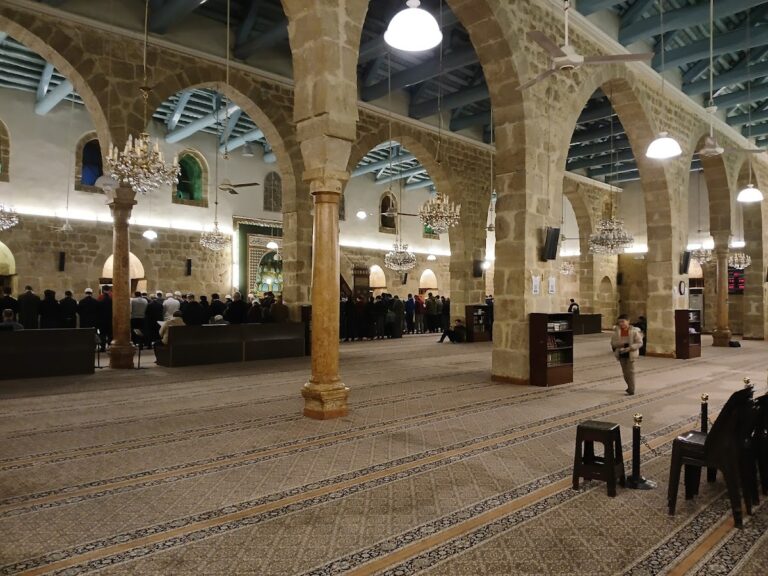
The Salimiyya Takiyya is a religious complex in Salihiyya, north of Damascus, Syria. Ottoman Sultan Selim I commissioned it in 1518, and it was completed in 1518/1519. Built over and around the tomb of Ibn Arabi, a major Sufi thinker and mystic who died in 1240, it served as a mosque and Sufi retreat, as well as a takiyya, a religious institution that provided communal meals and accommodation for pilgrims and people in poverty. It belonged to Sunni Islam, the largest branch of Islam, and was associated with Sufism, devotional and mystical traditions within Islam.
Education and imperial ties
The institution became a center of learning in Salihiyya, a district with religious schools dating from Ayyubid and Mamluk rule, and a home to many prominent scholars. In the sixteenth and seventeenth centuries, teaching appointments there were closely linked to imperial authority. The religious endowment’s first administrator was Turkish, while the construction commission included Damascus’s chief judge and the sultan’s tutor.
Yusuf Abi al-Fatah, a religious scholar who had served as prayer leader to two sultans, later returned to Damascus and taught at the takiyya.
Eighteenth-century teaching
By the eighteenth century, members of the Nabulusi and Mahasini families largely held the teaching post. The takiyya then ranked as Damascus’s third most important teaching institution, after the Umayyad Mosque and Sulaymaniyya al-Barraniyya. Its educational standing was later eclipsed by Sulaymaniyya al-Barraniyya, which became associated with the city’s leading scholar of the Hanafi school, one of Sunni Islam’s legal traditions.
Remains
Layout and architectural character
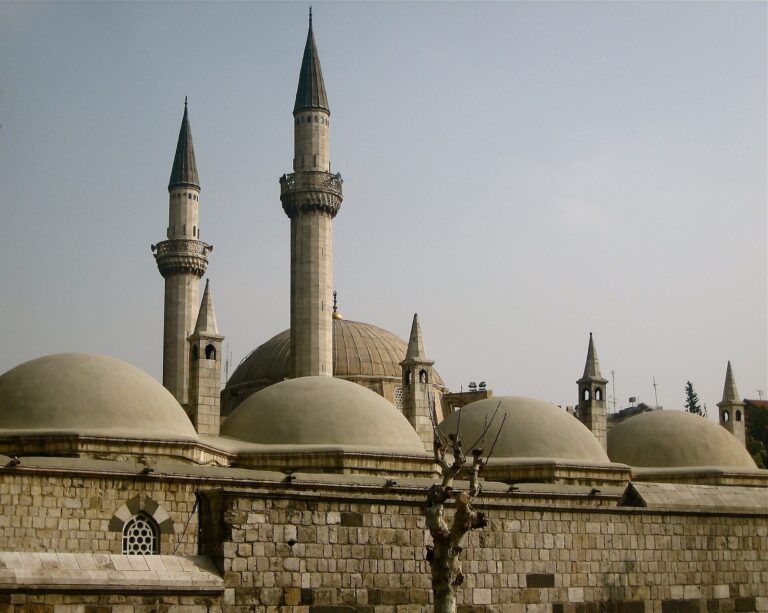
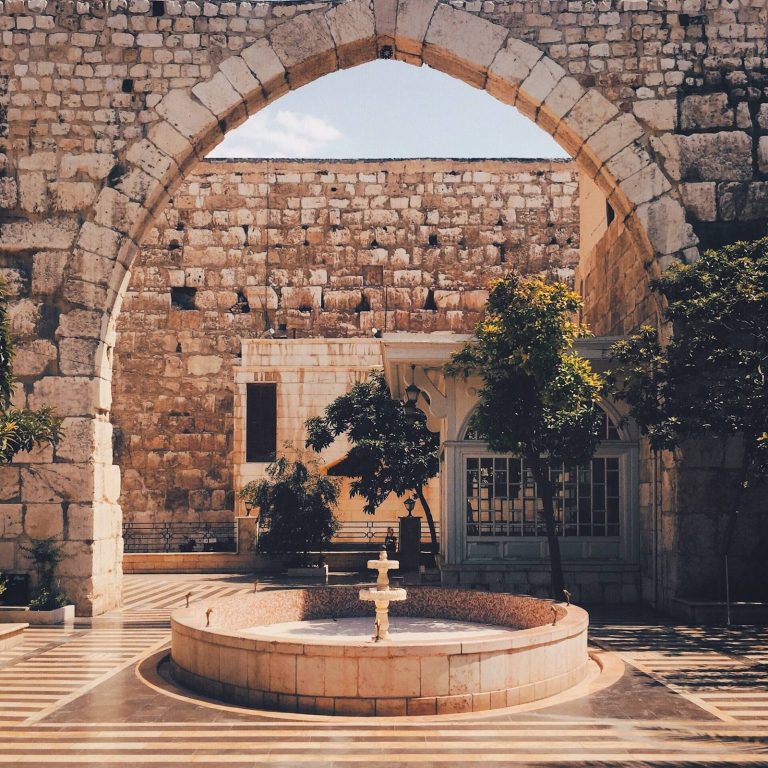
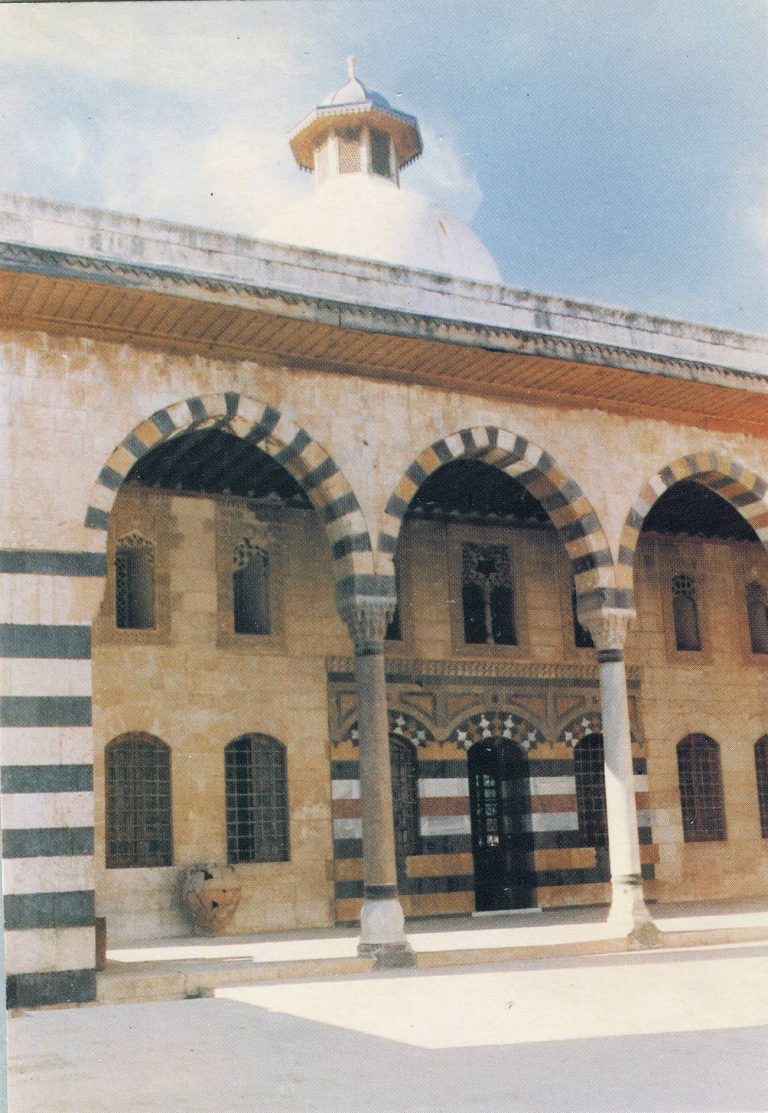
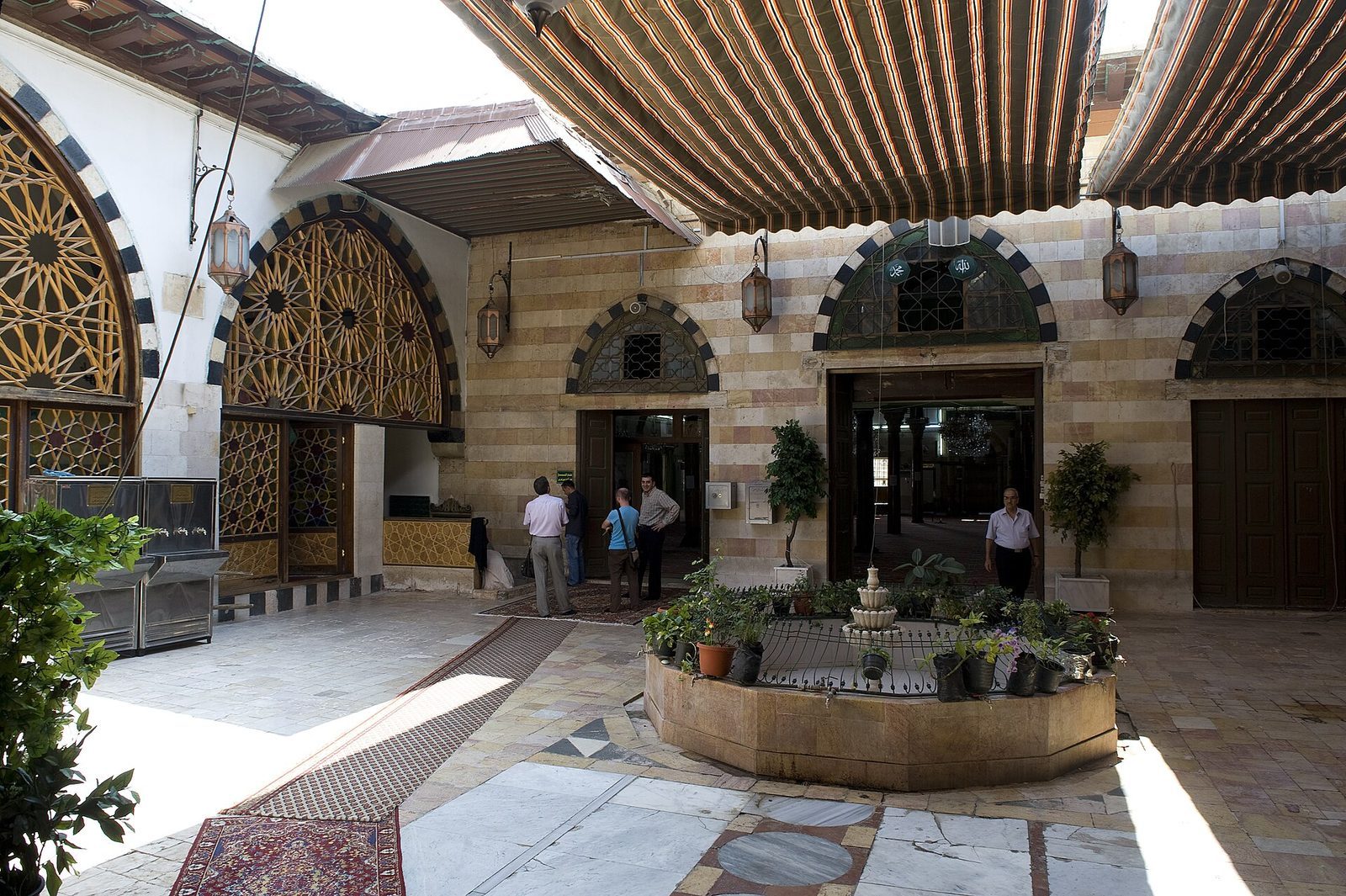
The complex is arranged around the Ibn Arabi Mosque and an imaret, or charitable kitchen, facing it. Although regarded as the first Ottoman building in Syria, its architecture follows a local idiom described as neither Mamluk nor Ottoman. The later Sulaymaniyya Takiyya marked the introduction of Ottoman architectural style to Damascus.
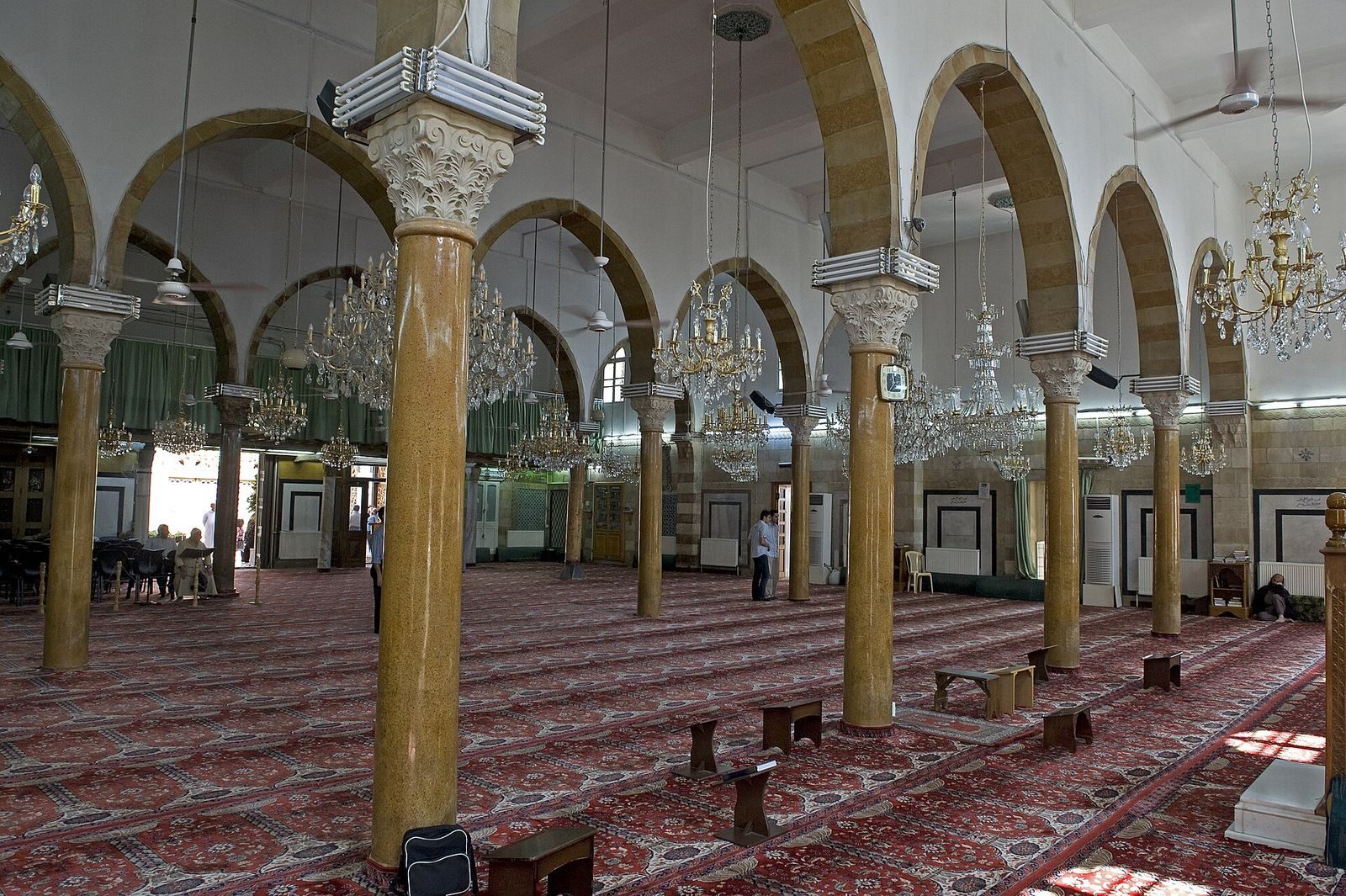
Mosque and shrine
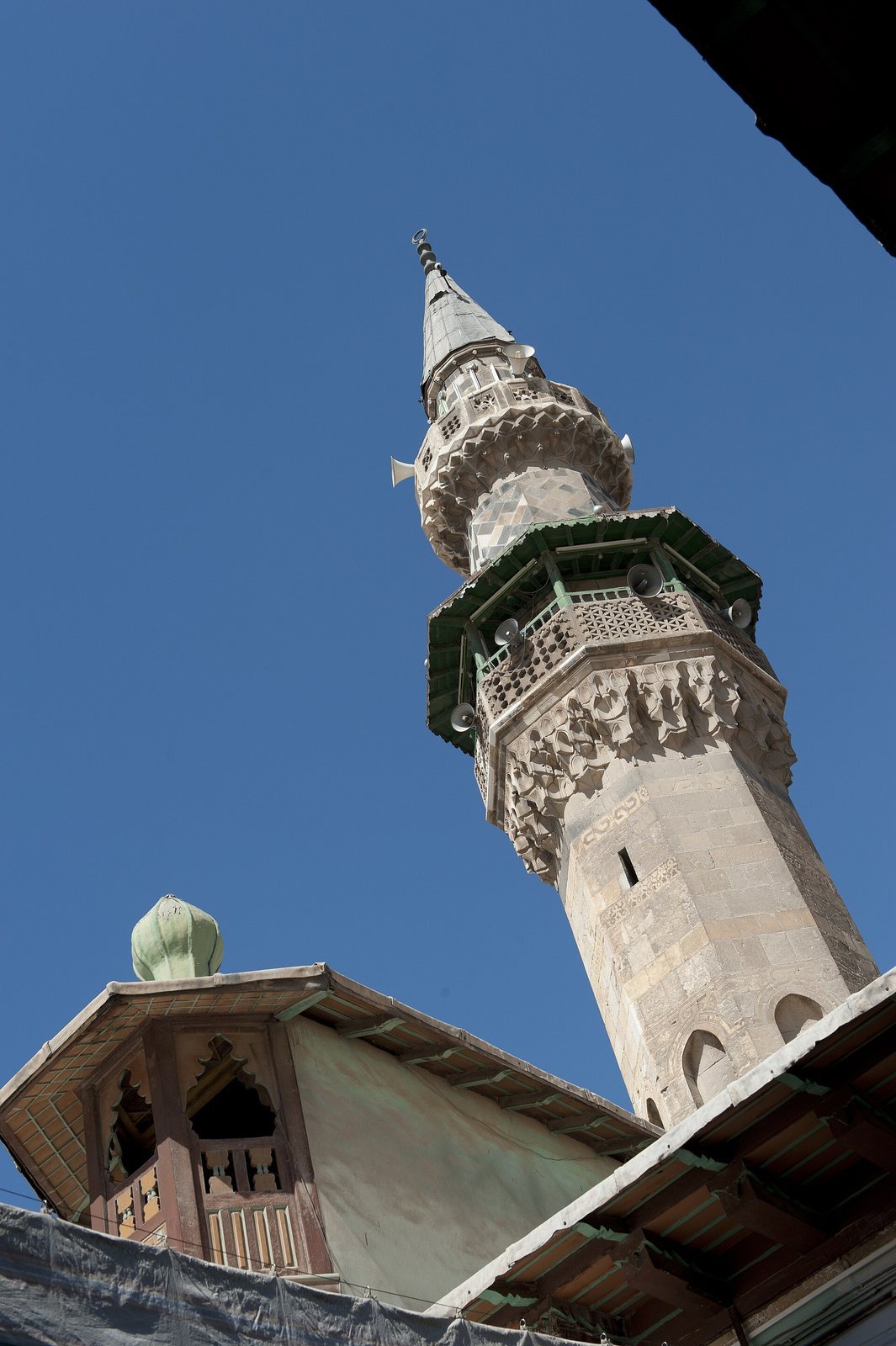
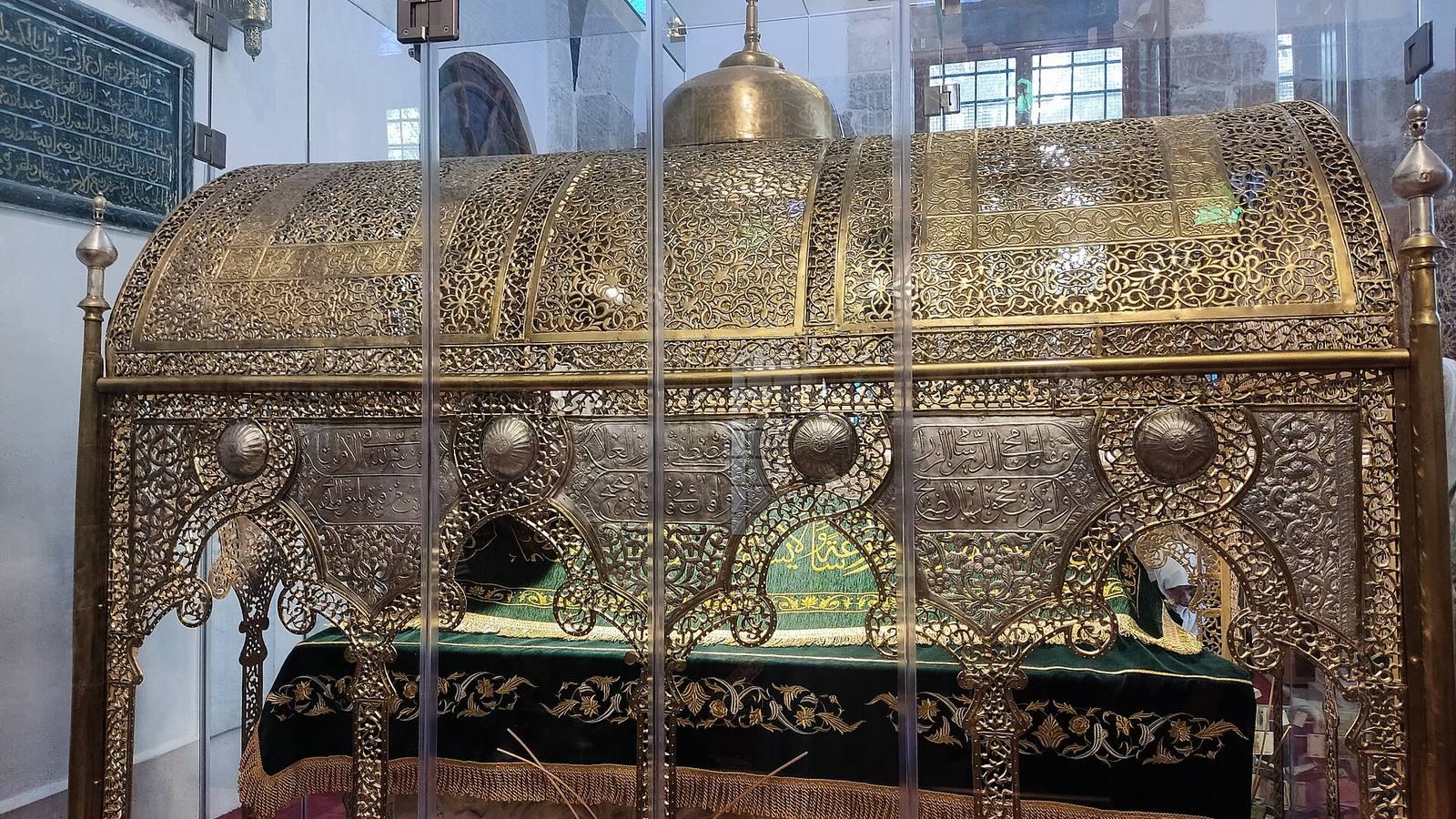
The mosque is also known as the Ibn Arabi Mosque. The complex has a single minaret and a shrine associated with Ibn Arabi.
Imaret
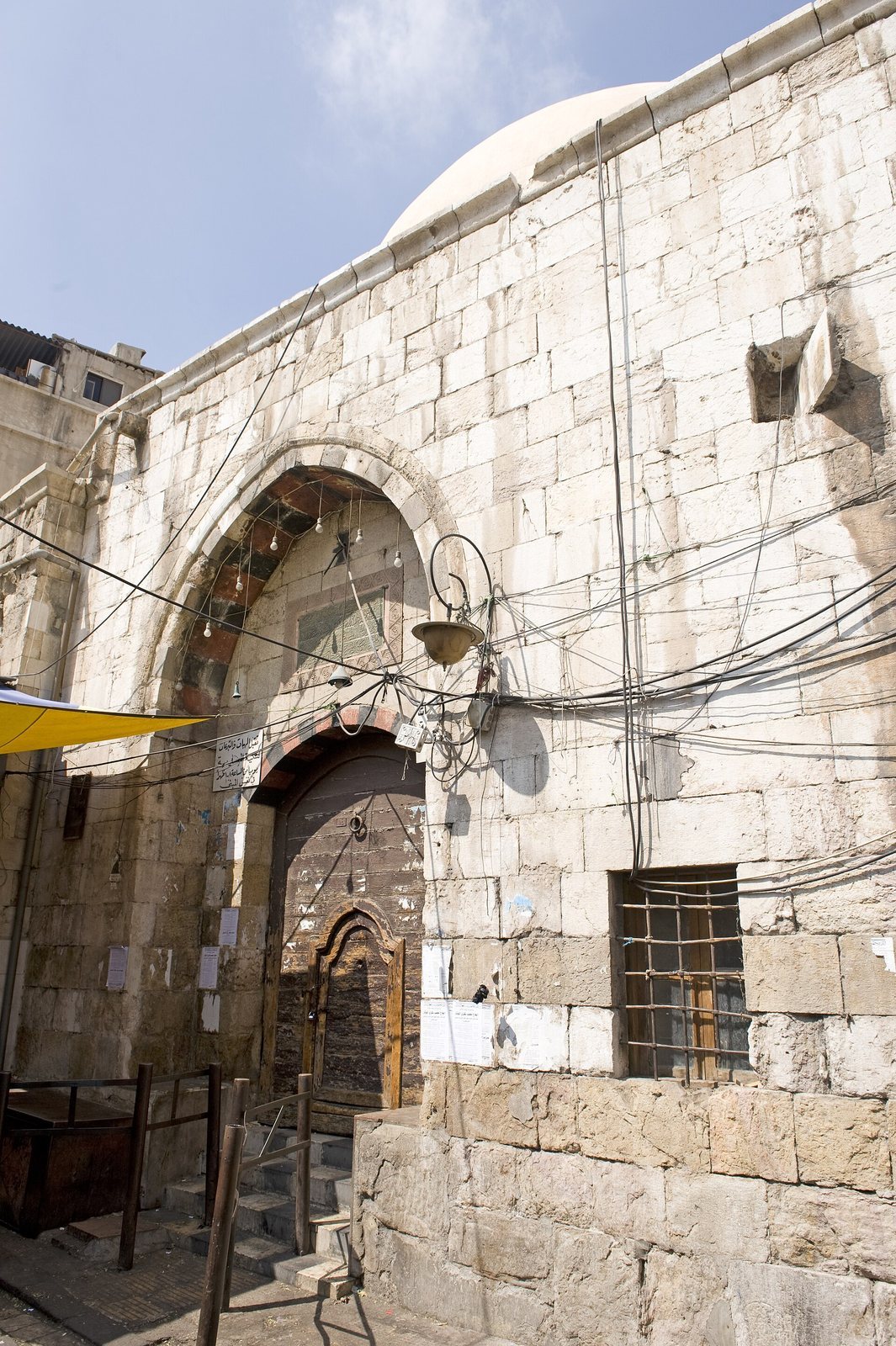
The imaret faces the mosque and forms the other principal structure in the complex.