Saki Misasagiyama Kofun: A Fourth-Century Burial Mound in Japan
Site at a Glance
- Rating
- 4.3
- Popularity
- Low
- Country
- Japan
- Primary era
- Classical
- Eras represented
- Classical
- Civilizations
- Yamato
- Site type
- Burial
- Remains
- Burial Mound
On this page12 sections
History
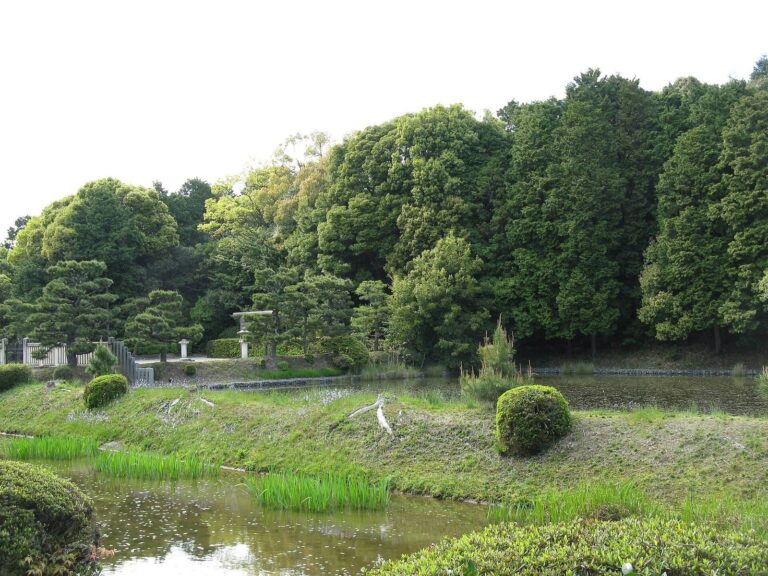
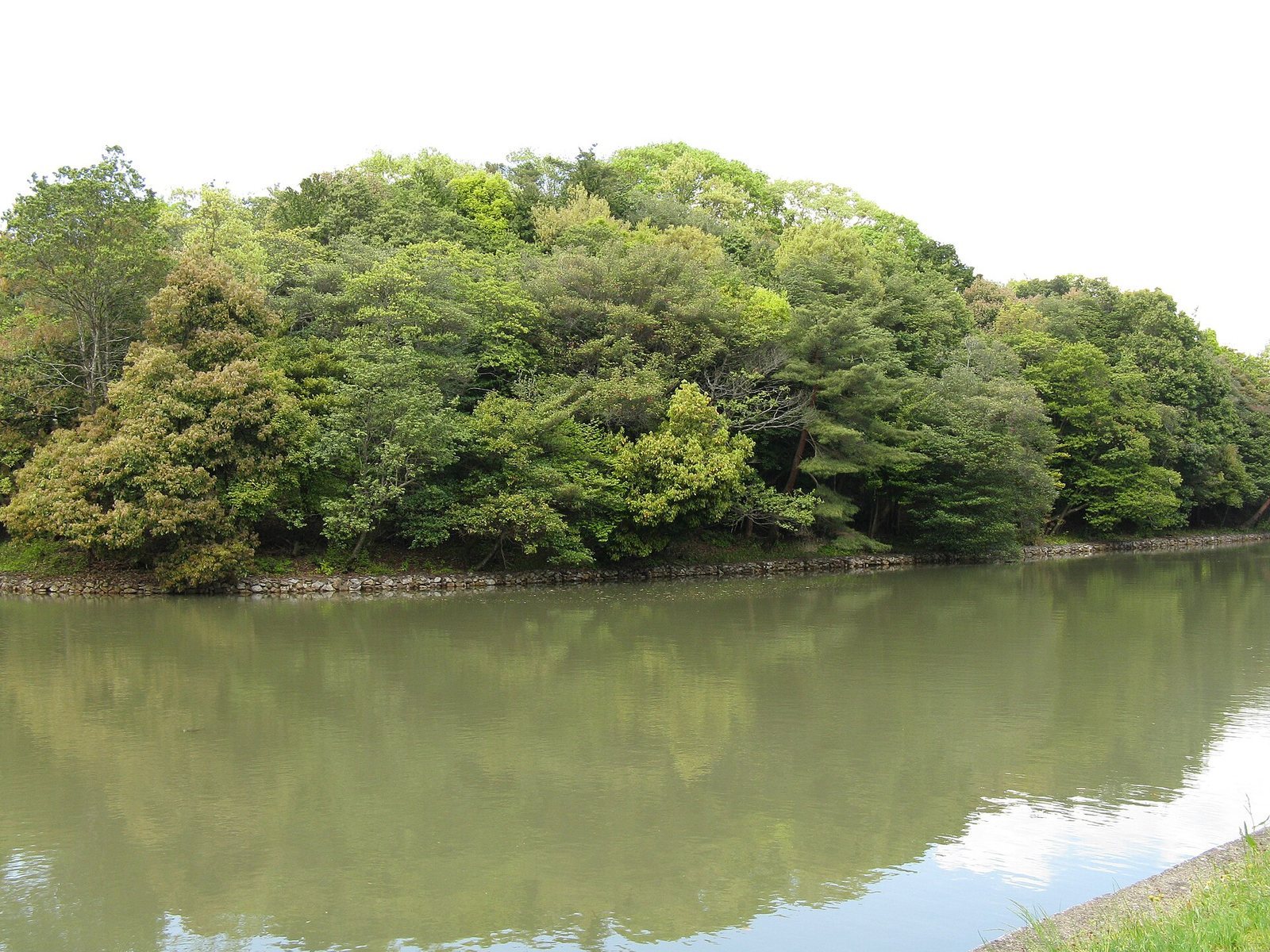
Saki Misasagiyama Kofun is a keyhole-shaped burial mound in Yamaryocho, Nara City, Japan, built in the latter half of the fourth century during the Kofun period, an era associated with elite Japanese burial mounds. It belongs to the Saki Shield-Row Kofun Group. Its haniwa, funerary clay objects placed on or around mounds, and burial goods also fit the later part of the early Kofun period.
Fourth-century mound and imperial tradition
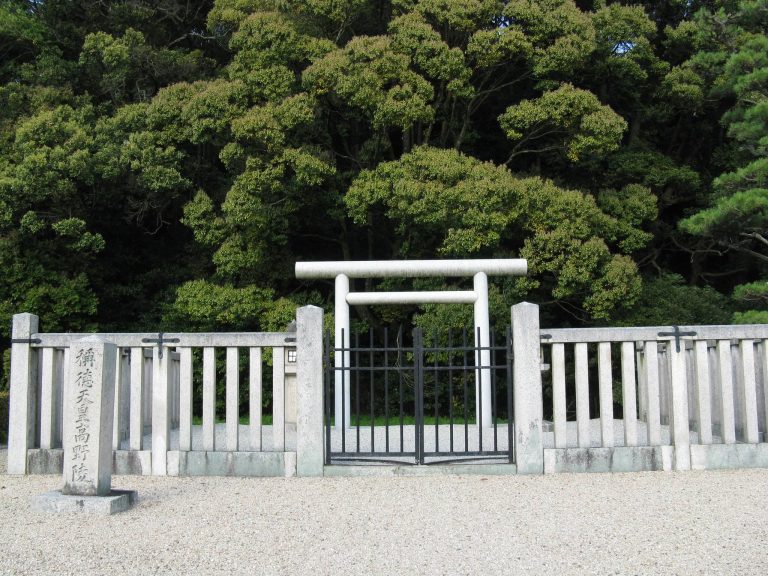
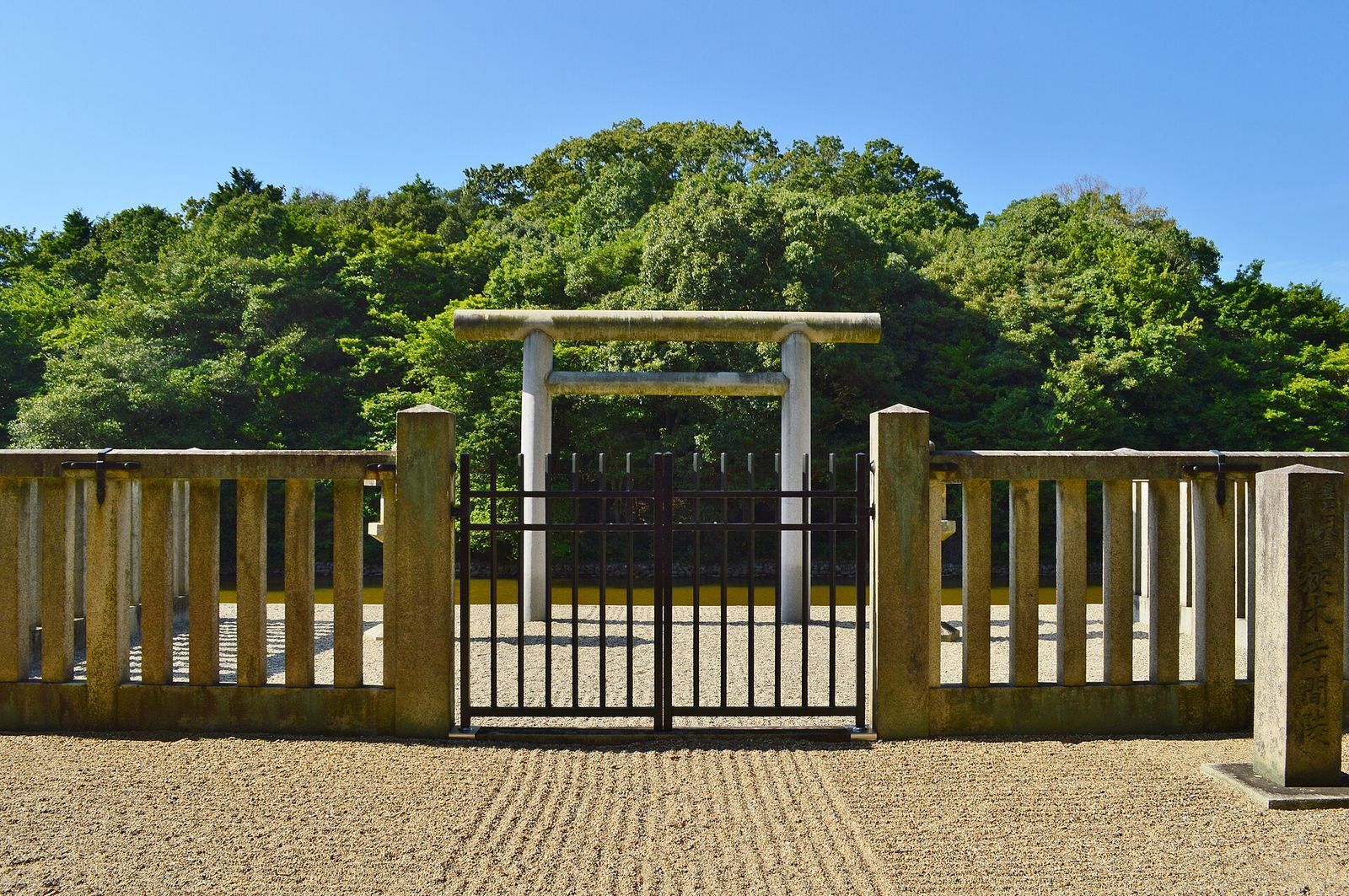
The identity of the person buried in the mound is unknown. The Imperial Household Agency, the Japanese government body responsible for officially designated imperial mausoleums, identifies it as the tomb of Hibasu-hime no Mikoto, an empress in early Japanese imperial tradition and the consort of Emperor Suinin. The agency designates the site as Sakino Terama no Misasagi. This status restricted the investigation conducted during restoration.
The eighth-century chronicle Nihon Shoki recounts that haniwa were placed at a mausoleum instead of practising junshi, the custom of retainers dying after their lord. Saki Misasagiyama Kofun has been proposed as the tomb described in this account.
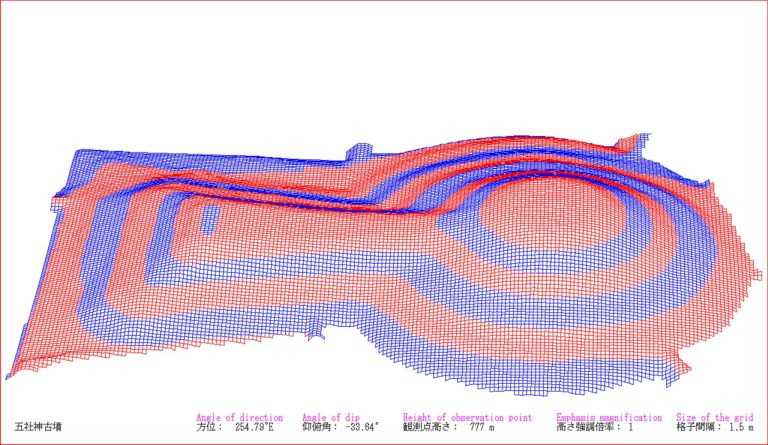
The mound’s position in relation to Saki Ishizukayama Kofun indicates that it was built first. Its rear circular section extends into the neighboring mound’s narrow middle, leaving that mound’s surrounding moat unusually narrow. Several similarly shaped mounds are known around the historic central region of Japan, Kinai, including Goshikizuka in Hyogo Prefecture, Zeze Chausuyama in Shiga Prefecture, Mihakayama in Mie Prefecture, and Mayuyama in Osaka Prefecture. Their distribution has been interpreted as evidence for a territorial system centered on Kinai in the late fourth century.
Looting and investigation
In 1915, the mound was extensively looted and grave goods were taken. The perpetrators were caught, and the objects were recovered. The Imperial Household Ministry undertook restoration the following year, alongside a substantial investigation and description of the burial chamber and its finds.
Most of the ministry’s original restoration records were destroyed in the Great Kanto Earthquake. Archaeologist Sueji Umehara had kept many copies concerning the finds and their study; these are now held by the Imperial Household Agency’s Archives and Mausolea Department. Senkichi Wada, an archaeologist at the Tokyo Imperial Household Museum, also participated in the investigation and prepared a draft drawing reconstructing the burial installation at the mound’s summit.
Remains
The three-tiered mound has a keyhole-shaped plan and measures 207 m long. Its front section is about 87 m wide and 12.3 m high; the rear circular section is 131 m across and about 20 m high.
Mound and burial installation
Burial chamber
A square enclosure at the center of the rear summit surrounds the position of a north–south-oriented stone burial chamber. The chamber measures 8.55 m long and 1.09 m wide. Its long sides consist of flat, split stones stacked end-on, while each short end is formed by one large stone with an opening high in its center. A comparable arrangement occurs at Matsuyama Kofun in Kashiwara, Osaka.
A long wooden coffin is thought to have occupied the chamber, though it had decayed by the time of the investigation. Five ceiling stones, each with rope-shaped projections at its short ends, covered the chamber. Above them lay a large stone resembling a roof-shaped coffin lid, carved with parallel straight lines that may have been intended to ward off harmful forces. Around 2 m of earth had been piled above the chamber to form a small circular mound.
Haniwa
Umbrella-shaped figures
Seven or eight umbrella-shaped haniwa stood on the small circular mound, alongside several shield-shaped examples. The large, carefully made umbrella-shaped figure at the highest central point was about 1.5 m high and 2 m wide. A complex design of straight lines and arcs circled its upper portion and decorated its four projecting fins.
Shield-shaped figures
The shield-shaped haniwa are thought to imitate wooden shields. The same straight-line-and-arc design decorated their edges and two horizontal bands. One example measured 108 cm high and up to 80 cm wide. Plaster models of some of the haniwa are held by the Tokyo National Museum.
Burial goods
Bronze mirrors
Three bronze mirrors recovered from the chamber were locally made adaptations of Chinese mirror forms, each measuring 32–34 cm in diameter. One had a flowing-cloud rim and a modified square-grid-and-compass design; another combined an arabesque-pattern rim with the same design. The third had a straight-and-arc-pattern rim and a modified inward-facing floral design. Photographs, rubbings, and plaster models of the mirrors survive. Photographs also show a flat-rimmed mirror with four animals. One or two more mirrors may have been present, but their connection to this mound is uncertain because they could have been taken from other burial mounds.
Stone objects and ornaments
Other chamber finds included three wheel-shaped stone ornaments, three hoe-shaped ornaments, and a stone bracelet. Stone imitations of tools and vessels comprised three knives, an axe, two high-footed dishes, and a chair. The remaining objects included a tubular bead, a stone object shaped like a bridge for a koto, and a stone mortar. The recovered objects were placed back in the chamber during restoration.