Saint George on the Hill Church: A Fourteenth-Century Church in Kastoria
Site at a Glance
- Popularity
- Very Low
- Country
- Greece
- Primary era
- Medieval
- Eras represented
- Medieval, Early Modern
- Civilizations
- Ottoman
- Site type
- Religious
- Remains
- Basilica
On this page9 sections
History
Saint George on the Hill Church is a fourteenth-century church in Kastoria, Greece. It probably began as the principal church of a monastery. The church originally belonged to the historic Orthodox jurisdiction of Ohrid.
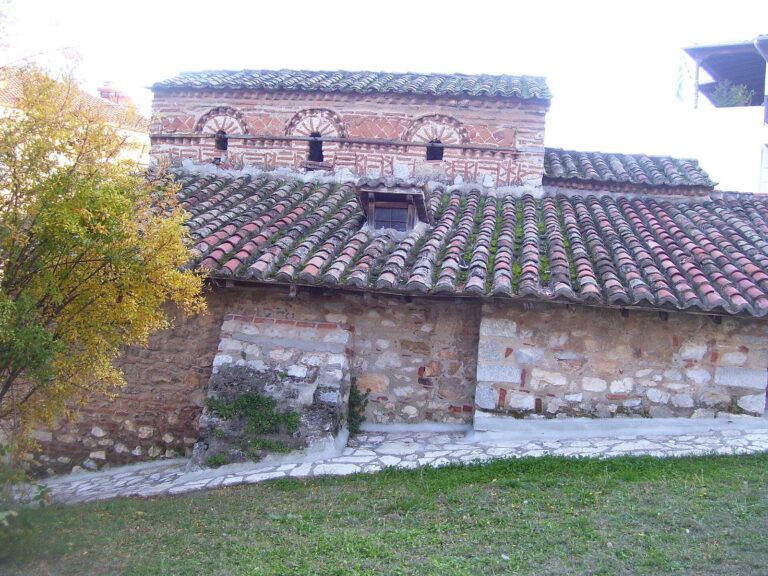
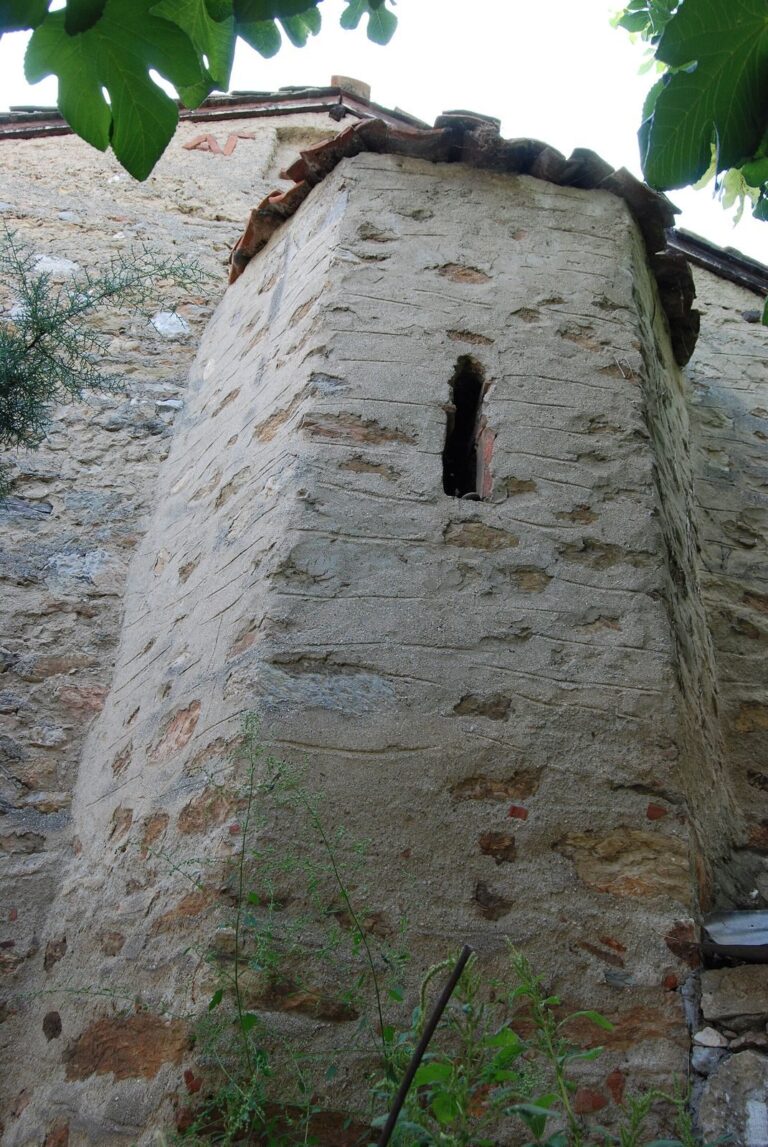
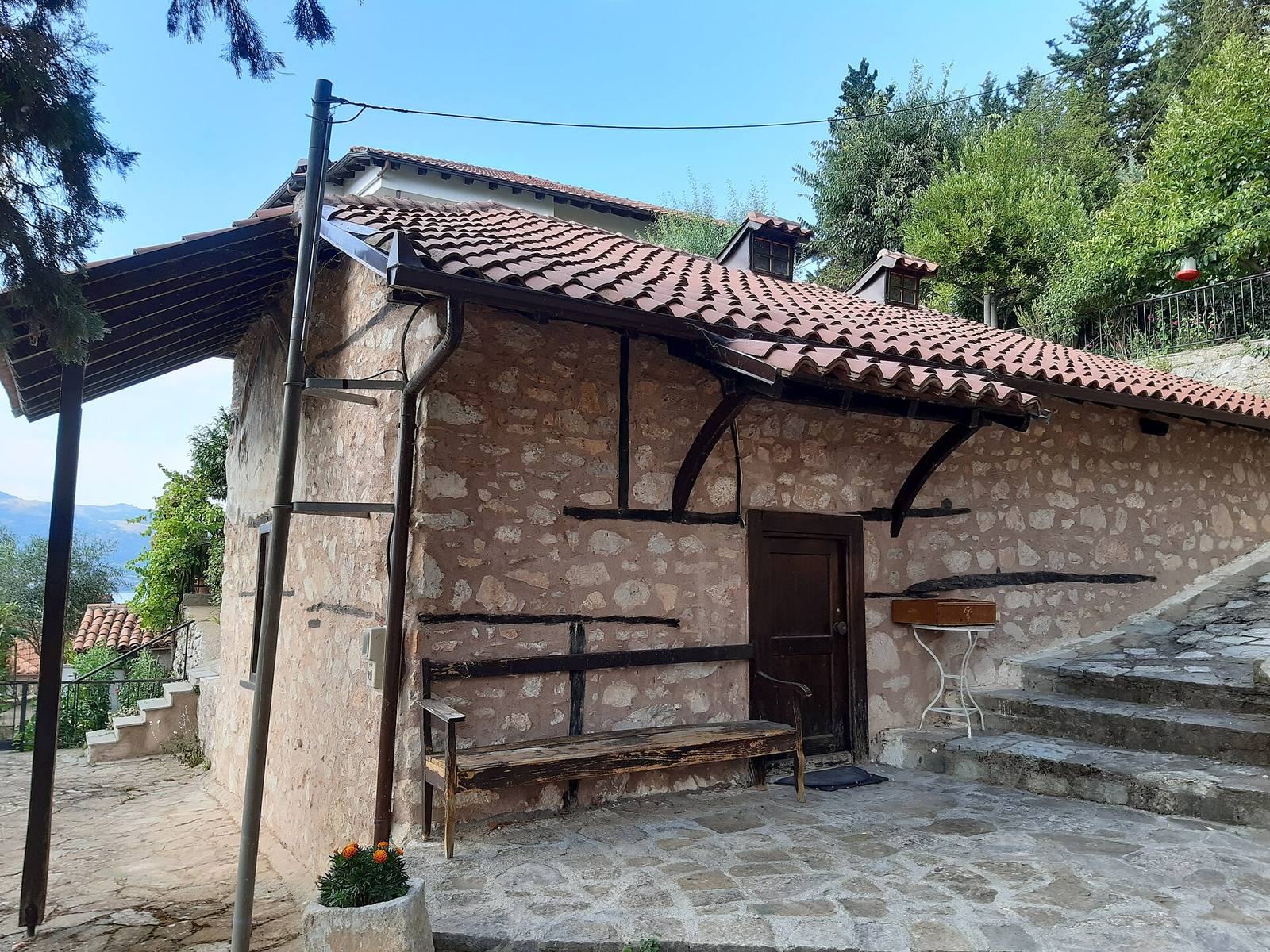
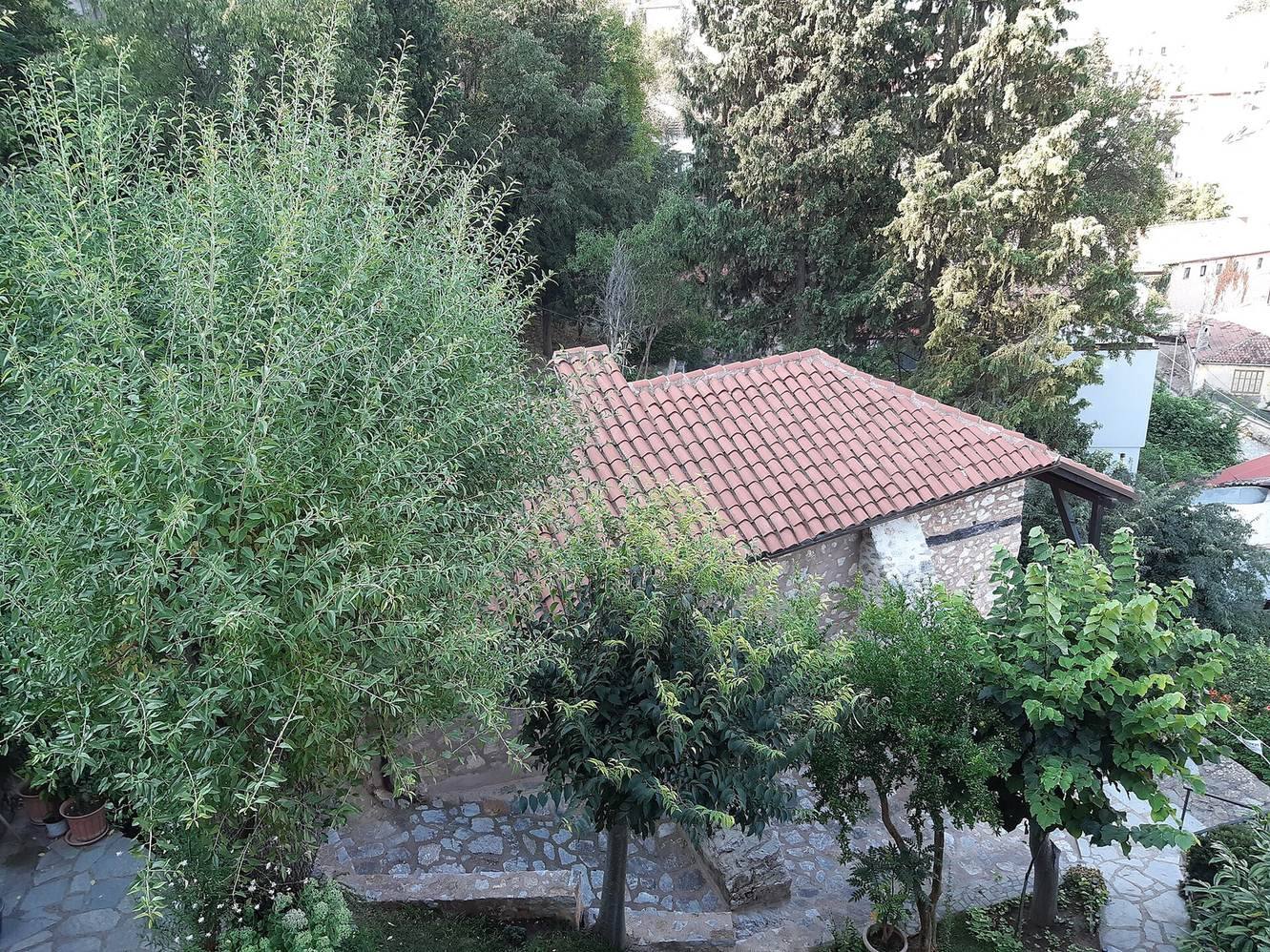
Today it is part of the Diocese of Kastoria under the Ecumenical Patriarchate and belongs to the Varlaam parish, also known as the parish of Saint Panteleimon Varlaam. It remains an active church and was declared a protected cultural monument in 1924. During the 2010s, the exterior plaster was removed, revealing the original masonry.
Remains
Plan and masonry
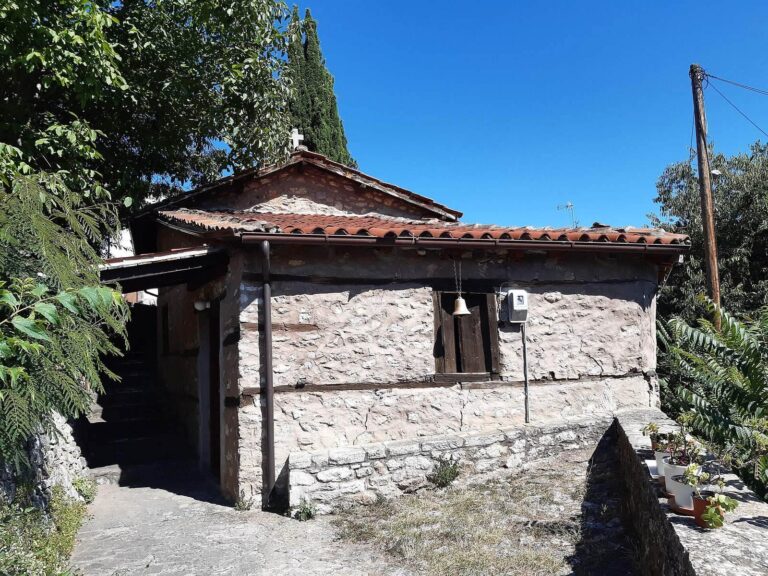
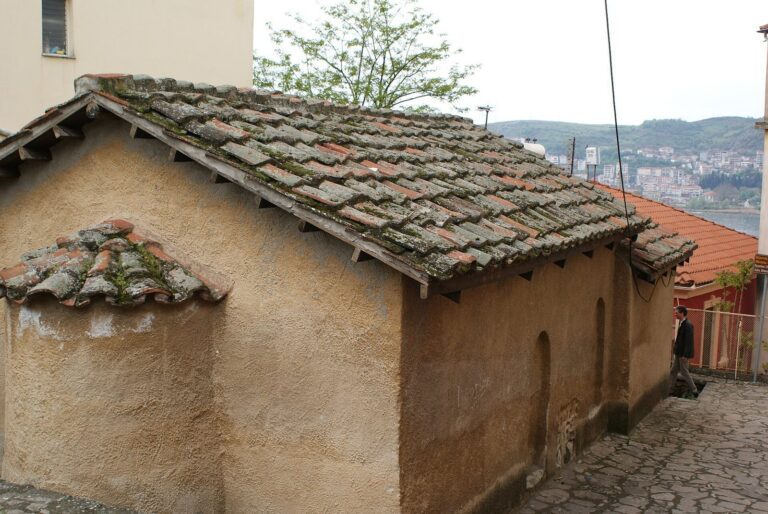
The small church stands on the slope of Saint Athanasius Hill, the setting behind its name. It has one main worship space, with entrance vestibules, or narthexes, on the north and south sides; the entrance is on the south. Stonework bonded with mud mortar follows a method characteristic of Kastoria churches of the later fourteenth century. A large arched gateway leads into the courtyard and bears an inscription. The exposed exterior shows the church’s original masonry.
Paintings in the main worship space
The wall paintings in the main worship space date to the second half of the fourteenth century. Their subjects and arrangement follow a pattern characteristic of Kastoria’s single-space churches of that period.
East wall
The Ascension appears above the pediment, the upper part of the wall, and the Annunciation is painted below it. In the apse, the rounded sanctuary end, the Virgin Mary appears as Pantanassa, a title meaning Queen of All.
South wall
The upper band contains scenes from the Twelve Feasts, the cycle of twelve major celebrations in the Eastern Orthodox tradition, including the Nativity of Christ and the Presentation. Below are Saint George, Saint Theodore Tiron, Saint Theodore Stratelates, and Saint Onuphrius. Tiron means recruit and Stratelates means general; Onuphrius was a desert hermit. Saint Marina appears on the inner face of the entrance masonry.
West wall
The upper band depicts the Transfiguration. Below it are the Dormition of the Virgin and Christ Elkomenos, showing Christ being led to the Crucifixion. The Archangel Michael appears to their left, while Constantine and Helena, the Roman emperor Constantine I and his mother, appear to the right. Saint Simeon Stylites, an ascetic known for living on a pillar, is painted on the inner face of the west-door wall.
North wall
The upper band shows the Crucifixion, the Lamentation, the Stone, and the Descent into Hades. Below are Saints Artemius, Mercurius, Procopius, Demetrius, and John the Theologian, traditionally identified with the Apostle John, together with a Deesis, an image of intercession centered on Christ. The sanctuary contains the Vision of Saint Peter of Alexandria, an early Christian bishop and martyr. Medallions depicting other saints occupy the spaces between the main bands on the south, west, and north walls.
Narthex paintings and founders’ tomb
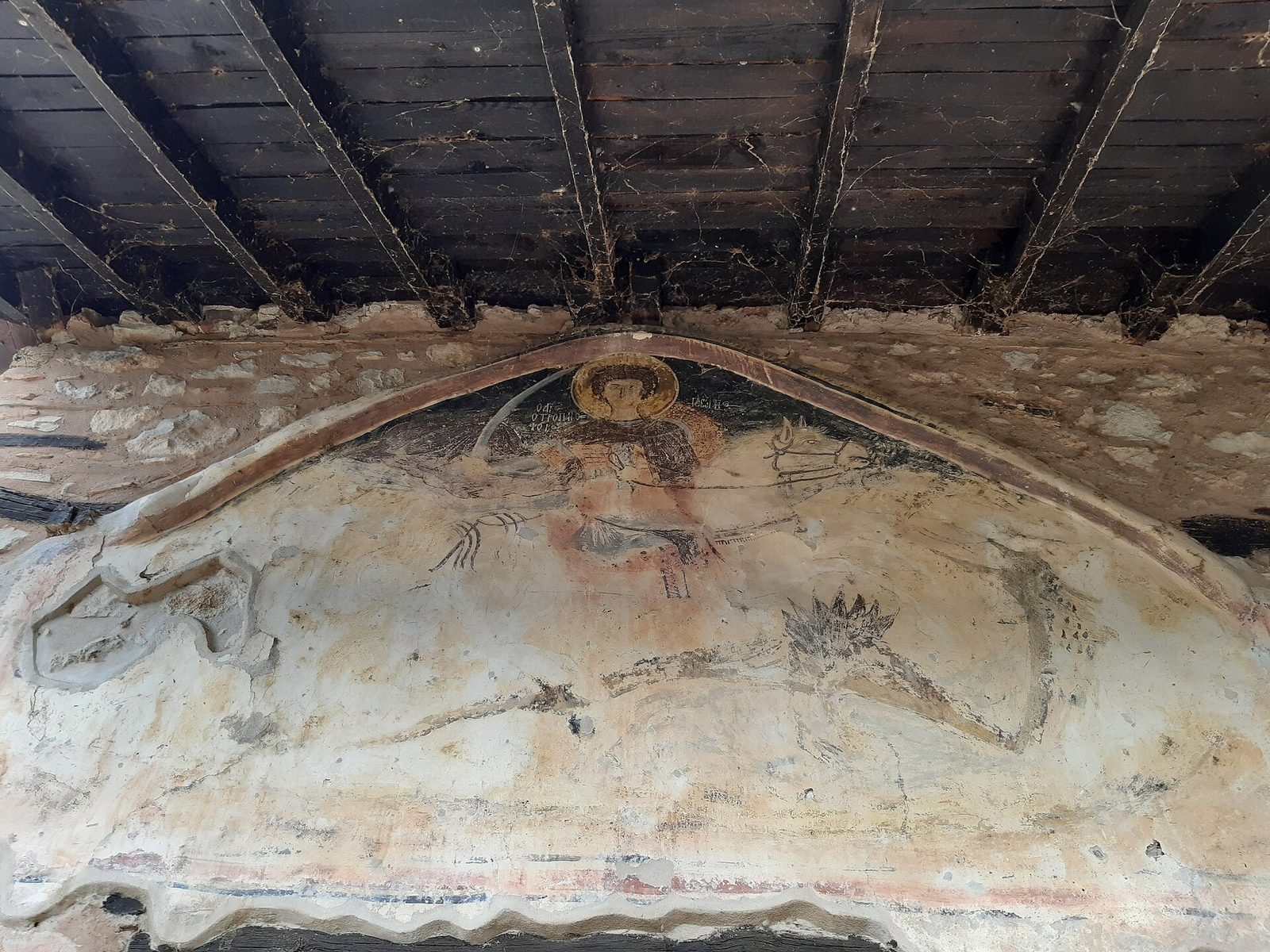
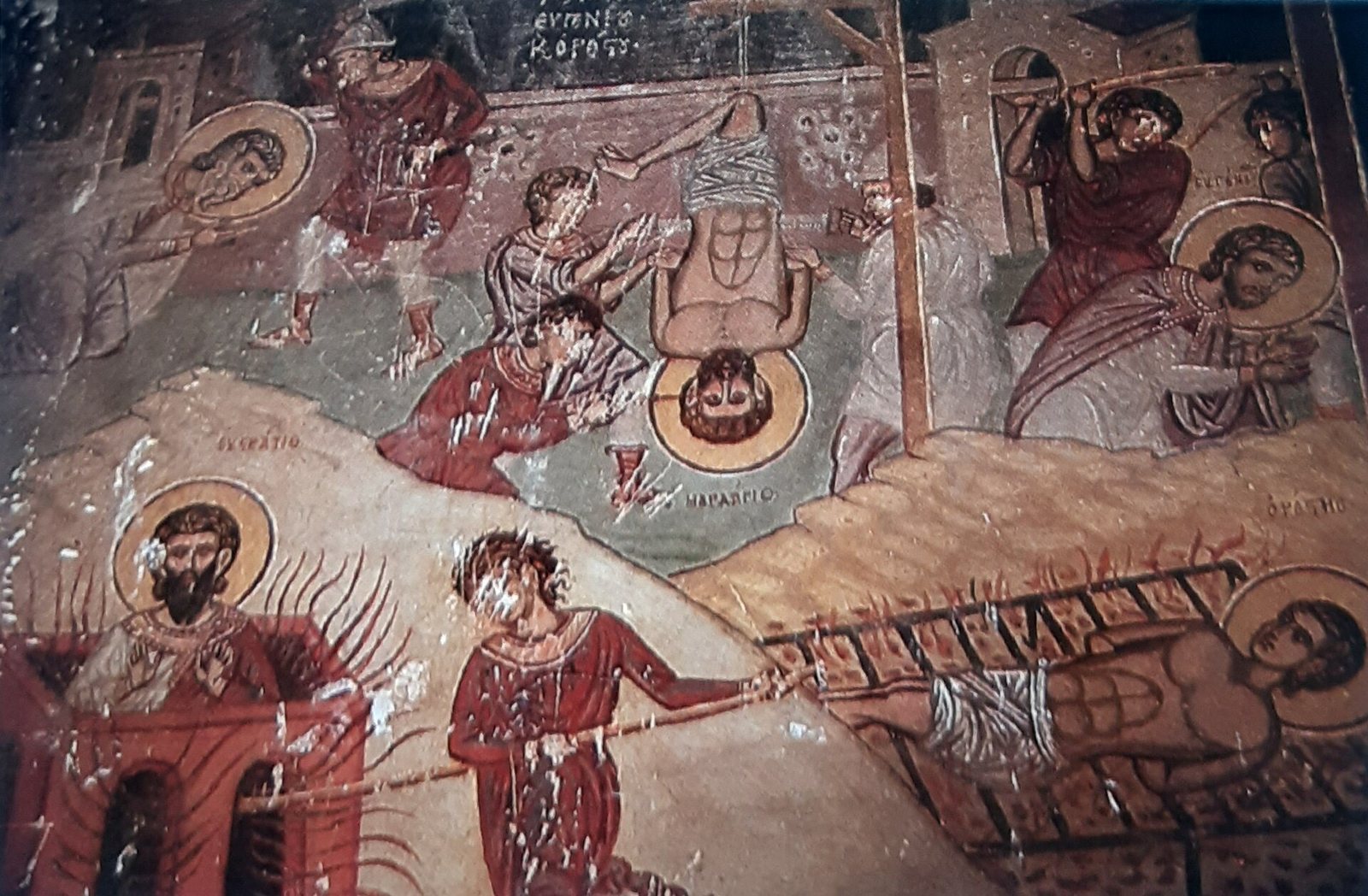
An inscription dates the narthex paintings to 1651. The upper band presents episodes from Saint George’s life and martyrdom. Full-length figures below include Gregory Palamas, a Byzantine theologian; Athanasius the Great, Gregory the Theologian, John Chrysostom, and Basil the Great, prominent early Christian bishops and theologians; Saint Theophan, whose specific identity is uncertain; and Gerasimus, a monastic saint. The founders’ tomb is on the south side, toward the east.