Rüstem Pasha Caravanserai in Erzurum: An Ottoman Travelers’ Inn
Site at a Glance
- Popularity
- Medium
- Country
- Turkey
- Primary era
- Early Modern
- Eras represented
- Early Modern
- Civilizations
- Ottoman
- Site type
- Economic
- Remains
- Caravanserai
On this page6 sections
History
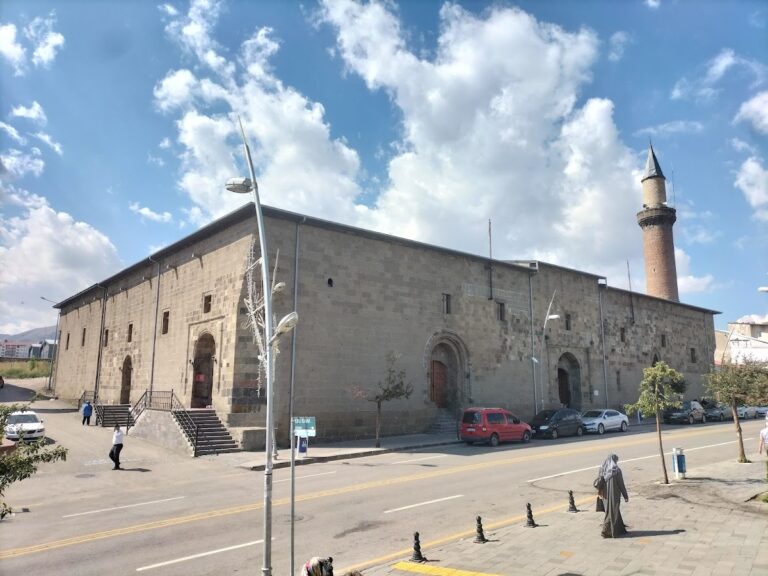
Rüstem Pasha Caravanserai in Erzurum, Turkey, is a 16th-century Ottoman inn for traveling merchants and their animals. Built in the Ottoman architectural tradition, construction began in 1554 and was completed in 1561. Rüstem Pasha, the Ottoman sultan’s chief minister under Suleiman the Magnificent, commissioned the building from Mimar Sinan, a leading imperial architect.
Construction and frontier role
The caravanserai provided travelers with lodging and services by day and night. Erzurum was then a frontier city, and an inscription over the entrance identifies the building as a border post. Border posts could be staffed by raiding troops in groups of 40 to 50, but this does not establish that a group of that size was stationed at the caravanserai.
Later changes and present use
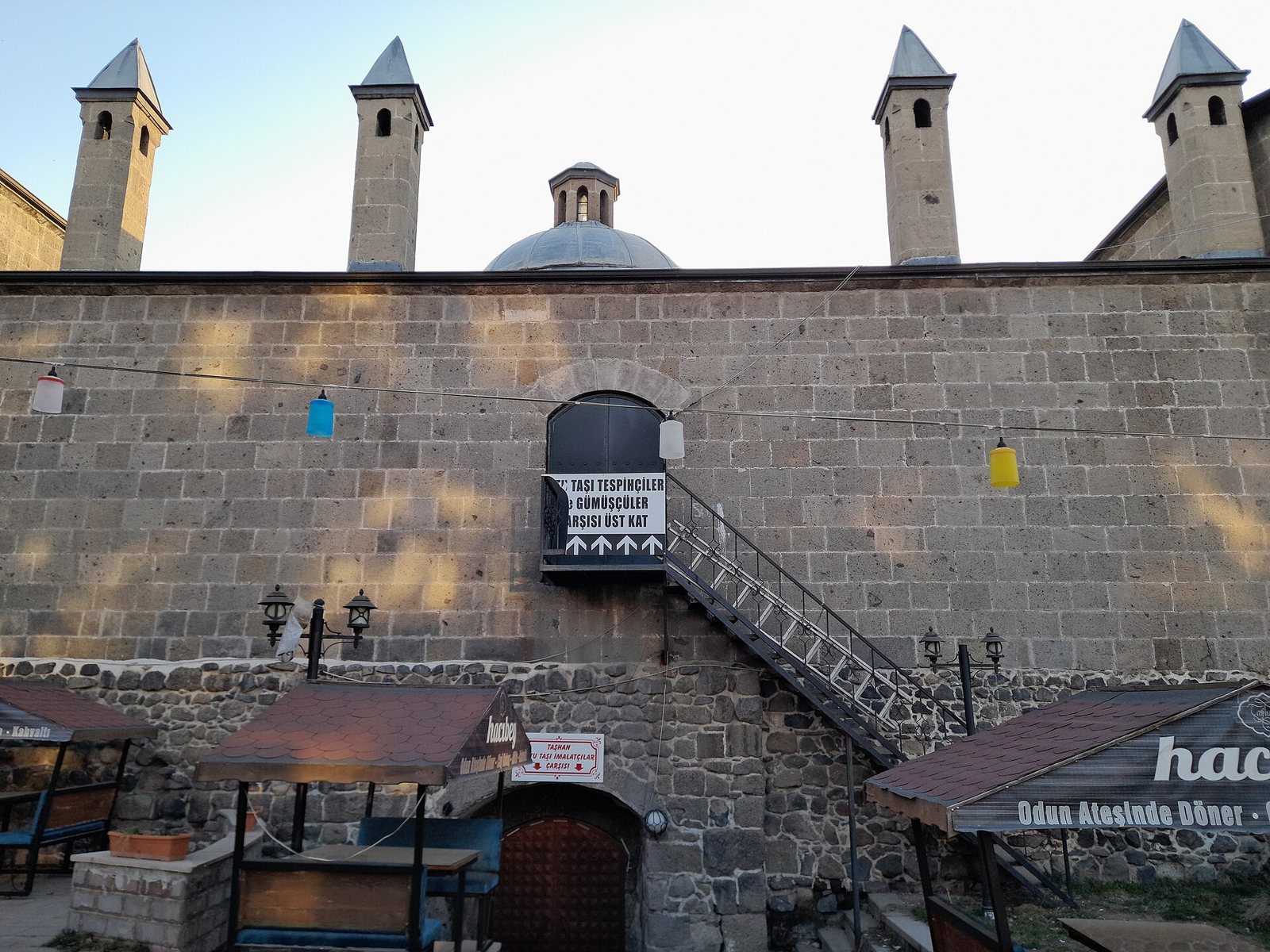
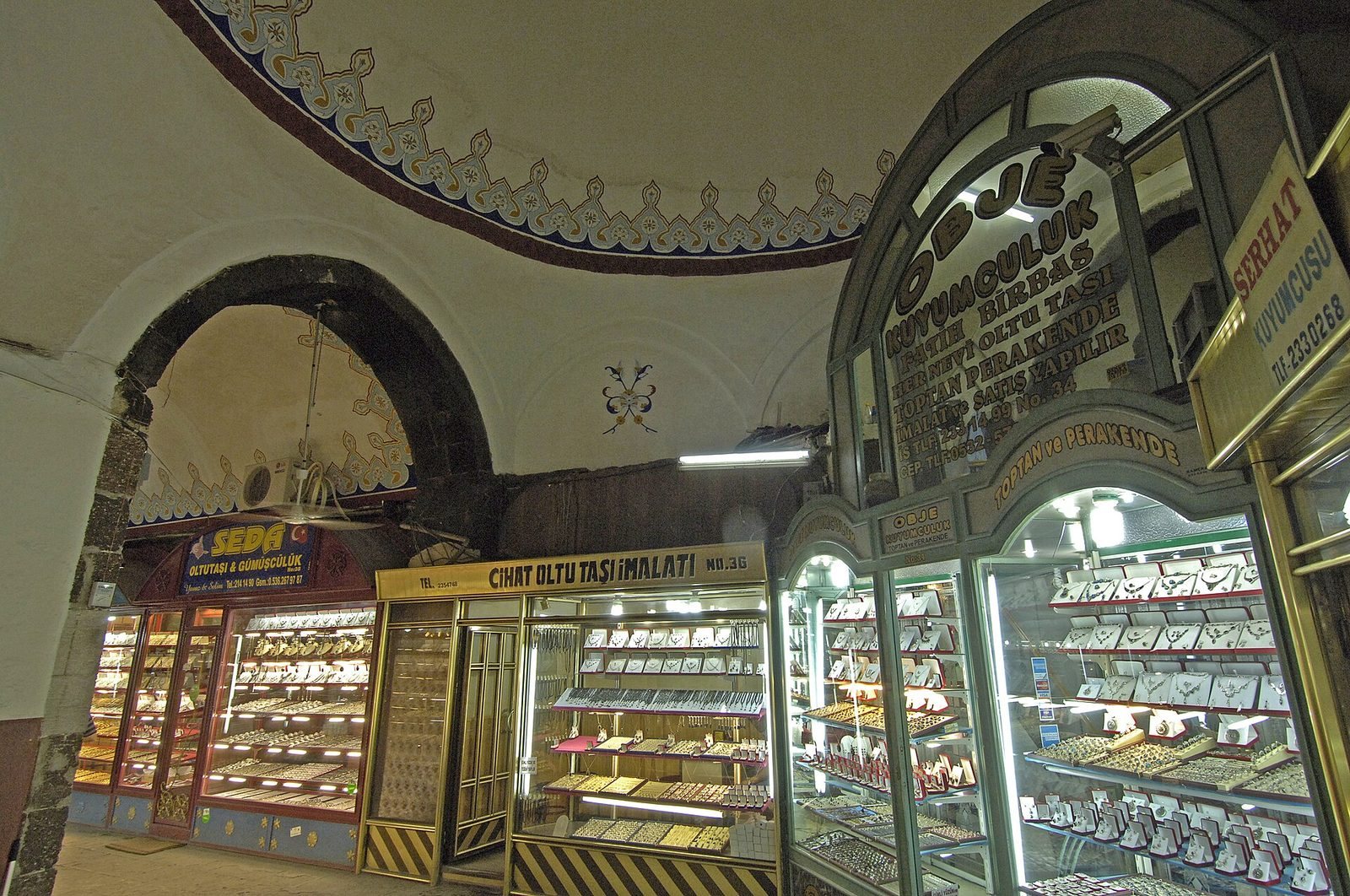
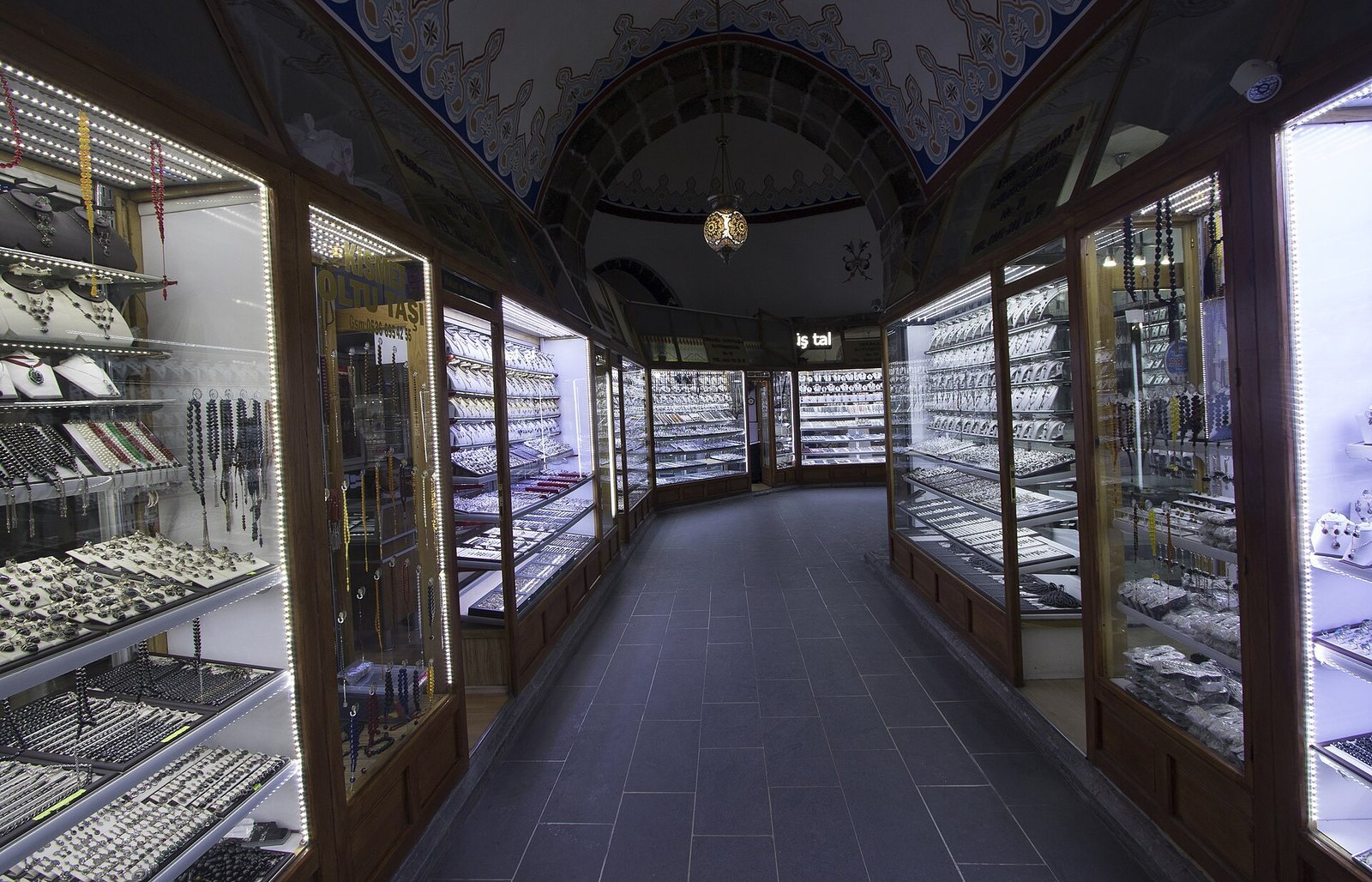
After the Ottoman eastern frontier extended to Tbilisi and the Caspian Sea, additional buildings and facilities were added to the complex. A major restoration took place in the second half of the 20th century. The caravanserai now contains around 100 workshops and souvenir shops. Many sell prayer beads and jewelry, including rings and necklaces made from Oltu stone, a locally sourced black stone used for ornaments and crafted objects.
Remains
Courtyard and rooms
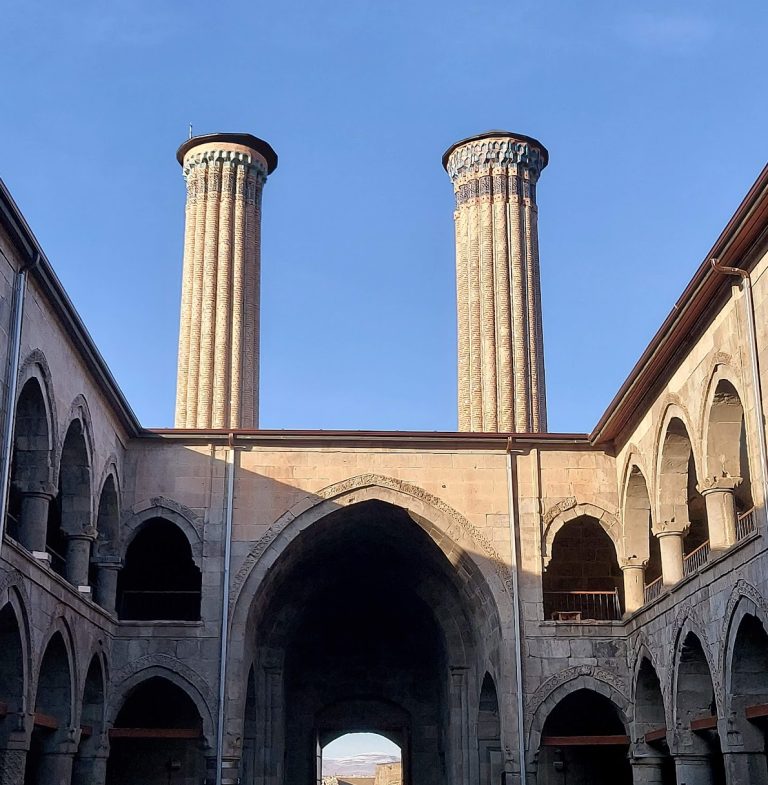
The two-story building is constructed of ashlar, carefully shaped stone blocks, and encloses a rectangular courtyard. Its west and east entrances have pointed arches and vaulted passages. Thirty-two rooms stand behind verandas facing the courtyard, with flat vaulted ceilings in the upper rooms.
Facilities and alterations
The caravanserai’s facilities included a guesthouse, a small mosque, resting places, shops, and stables for camels, donkeys, oxen, buffaloes, and horses. Later additions included mansions, shelters, barns, and shops. An upper extension on the west façade created an office for the manager above the barrel-vaulted entrance, which was also lengthened. The building’s ornaments were added in a later period.