Ruotsinsalmi Sea Fortress: Russia’s Coastal Defense Complex in Finland
Site at a Glance
- Popularity
- Medium
- Country
- Finland
- Primary era
- Early Modern
- Eras represented
- Early Modern
- Civilizations
- Russian
- Site type
- Military
- Remains
- Fort
On this page14 sections
History
Ruotsinsalmi Sea Fortress, also known as Svensksund Sea Fortress, was a Russian imperial coastal-defense complex at Kotka, Finland. Built from 1790 to 1796, it guarded the Ruotsinsalmi Strait and the approaches to the coast. Russia intended it to counter the Swedish sea fortresses at Svartholm and Sveaborg.
War and strategic planning
The strait between Kotka and Kutsalo islands was the scene of two battles during the Russo-Swedish War of 1788–1790, a conflict between Russia and Sweden. On 24 August 1789, 86 Russian ships defeated 62 Swedish ships and 24 transports. In a second battle on 9–10 July 1790, the Swedes won.
The 1743 Treaty of Åbo had set the Russian-Swedish border along the Kymi River. The Treaty of Värälä, signed in 1790, kept it there. In 1791, Russian general Alexander Suvorov spent three weeks inspecting the region and prepared a plan to defend Finland against Sweden. Appointed to command troops in the Vyborg Viceroyalty, a Russian administrative region centered on Vyborg, he directed major fortification works in 1791–1792.
Ruotsinsalmi and Kyminlinna formed a southern defensive pair. Kyminlinna guarded against an approach along the King’s Road, and Suvorov established his headquarters there. Built from 1791 to 1795, Kyminlinna was part of a wider system in which Ruotsinsalmi served as an outpost of Kronstadt, a Russian naval fortress associated with the defense of St Petersburg. Ruotsinsalmi was planned as the outermost of three defensive lines protecting the city. The system later became known as the Suvorov Defensive Line.
Fortress, fleet, and settlement
Empress Catherine II initiated the fortress’s construction. Prince Charles Henry of Nassau-Siegen first supervised the work, followed by a French colonel. The fortress served as a base for the Russian Imperial Navy until 1809. A military port operated at the Great, or Ruotsinsalmi, anchorage from 1791 to 1826.
A settlement grew alongside the fortress and reached a population of as many as 10,000. The Ruotsinsalmi garrison regiment was established on 5 January 1798.
Decline, destruction, and preservation
Under the 1809 Treaty of Fredrikshamn, Sweden ceded Finland to Russia. Ruotsinsalmi lost its military importance, and its garrison and fleet were transferred to Sveaborg, now called Suomenlinna. By the 1830s, the sea fortress had been abandoned, although a small force remained at Fort Slava to guard the strait. The fort also served as a prison. Decembrist Ivan Yakushkin, a participant in the 1825 revolt against Russian autocratic rule, was held there in 1826–1827 before being sent to penal servitude in Nerchinsk.
During the Crimean War of 1853–1856, a conflict between Russia and an alliance that included Britain and France, a British-French fleet largely destroyed the fortress in 1855. Fort Slava was bombarded, troops landed on Kotka, and the settlement was burned. Kotka became a town by decree of Emperor Alexander II in 1878. Fort Slava was partly restored in 1993, and restoration work has also taken place elsewhere in the complex. Finland recognizes the fortress as a nationally significant built cultural environment, a designation for places valued for their national importance.
Remains
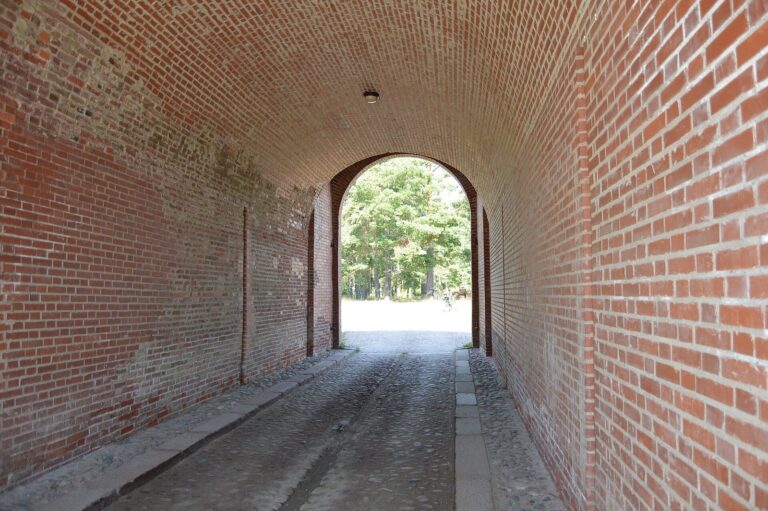
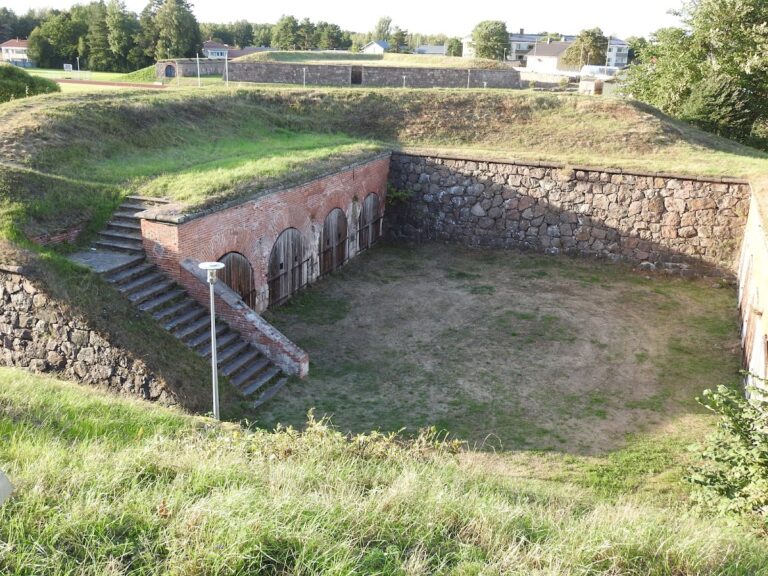
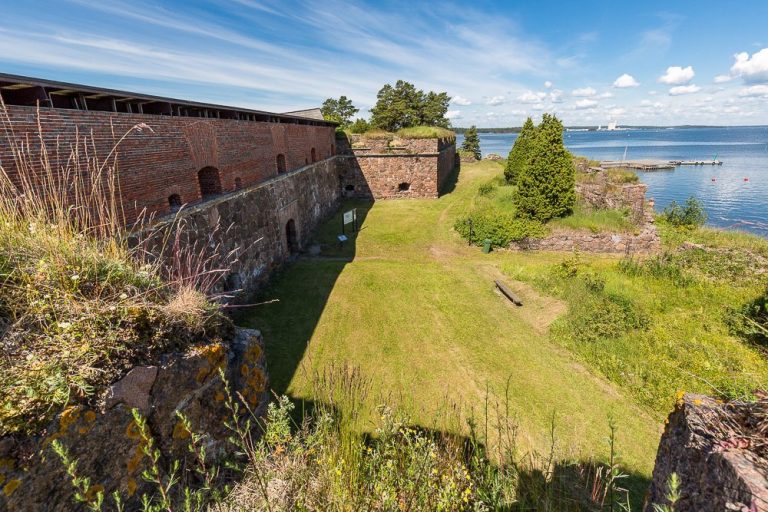
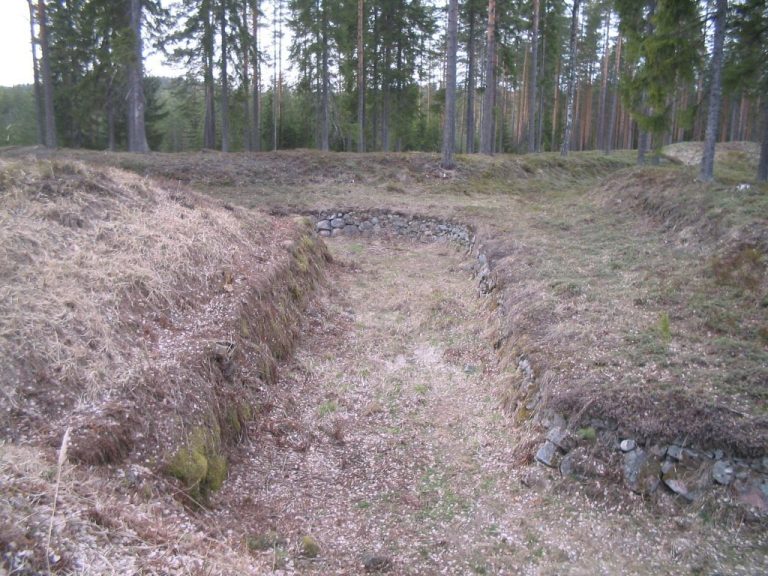
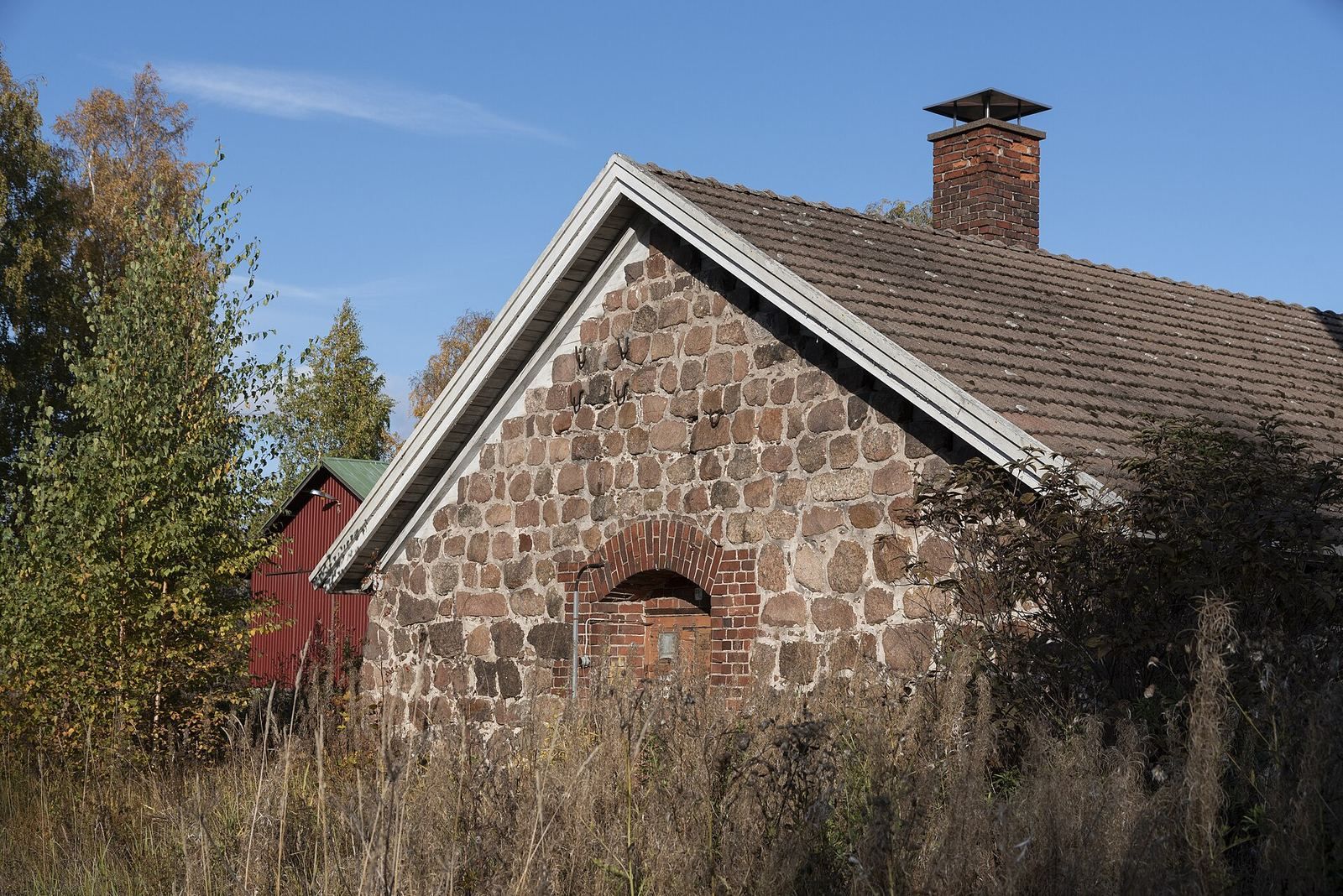
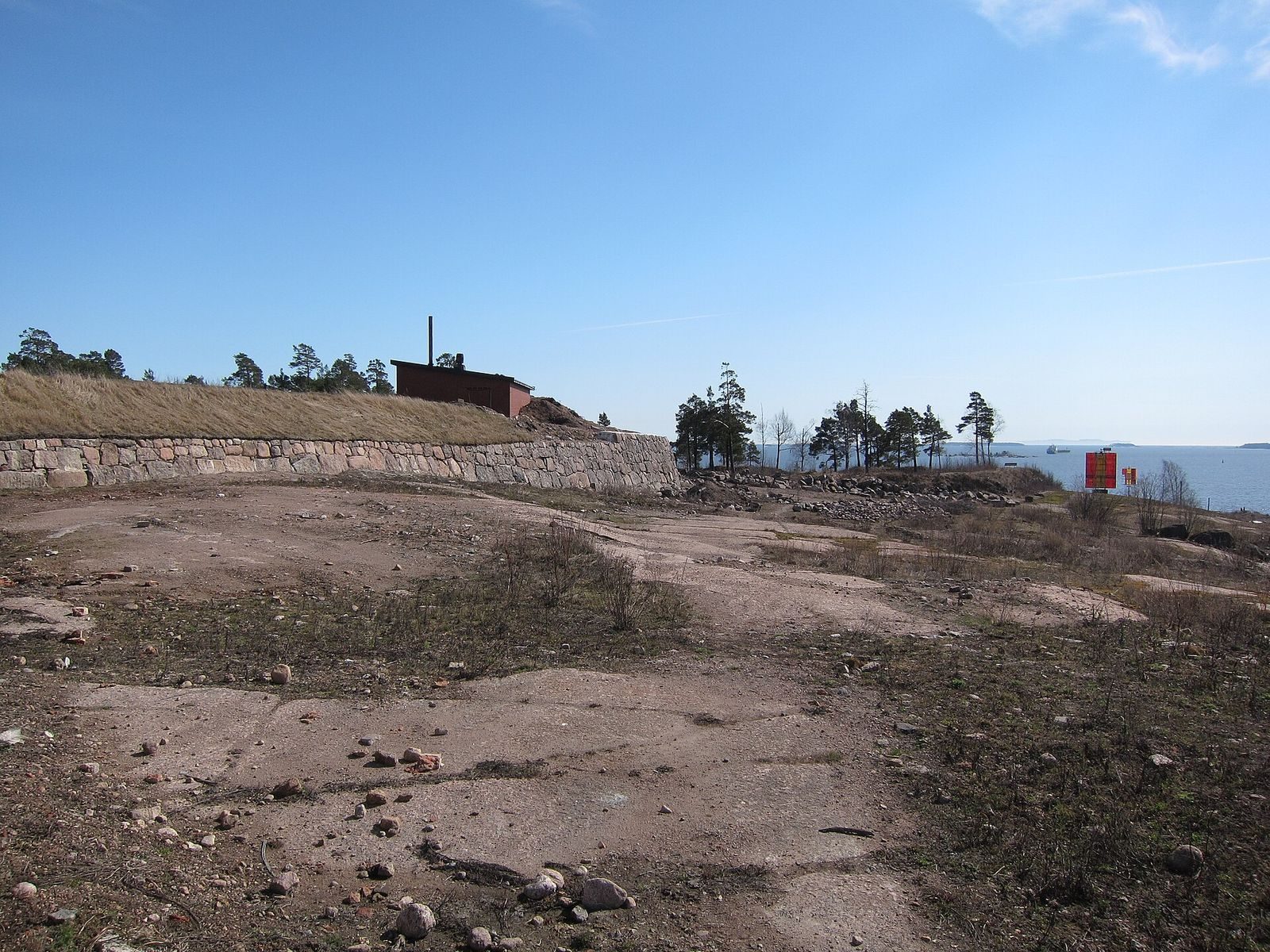
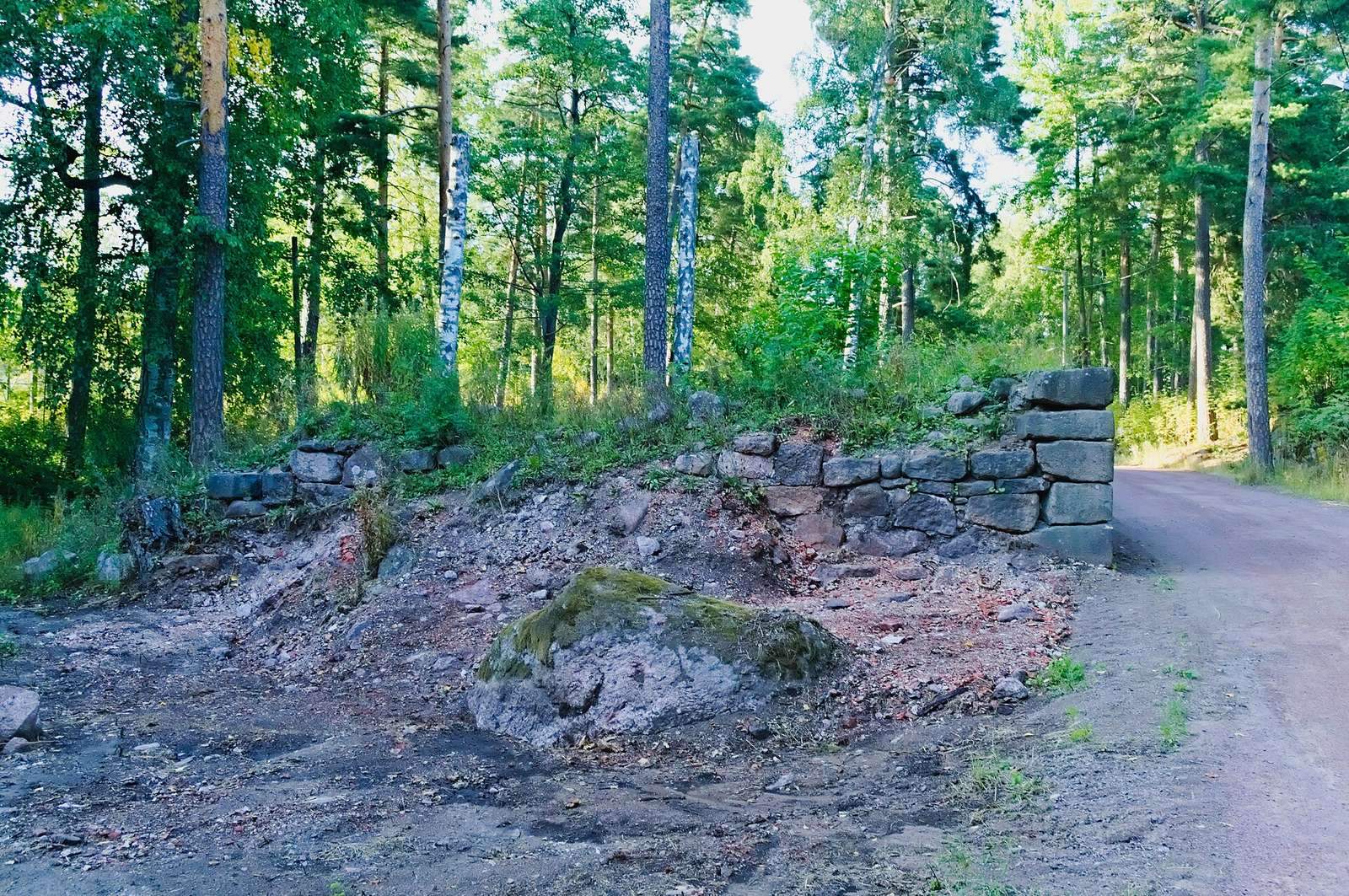
The complex was arranged as separate forts on islands, together with redoubts (detached defensive works) and artillery batteries (positions equipped for artillery). These defenses protected the strait and coastal approaches, while a lighthouse and other military facilities occupied parts of Kotkansaari and nearby areas.
Island forts and defensive works
Fort Katarina
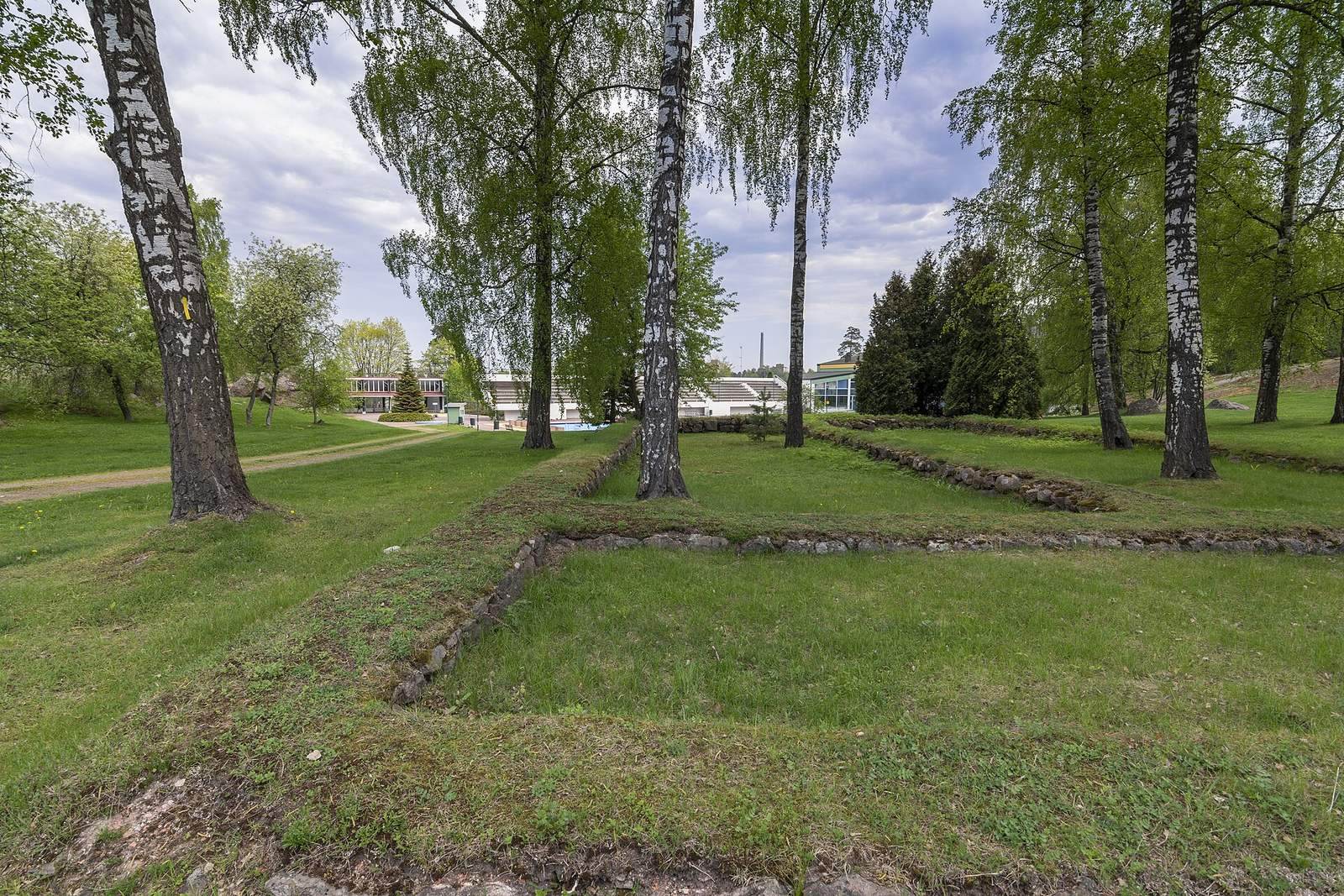
Fort Katarina was the principal fort and the first to be built. It stood at the southern end of Kotkansaari, in the area of today’s Katariina neighbourhood. Ruins of the fort remain in southern Kotka.
Fort Elisabeth
Fort Elisabeth stood on Varissaari Island.
Fort Slava
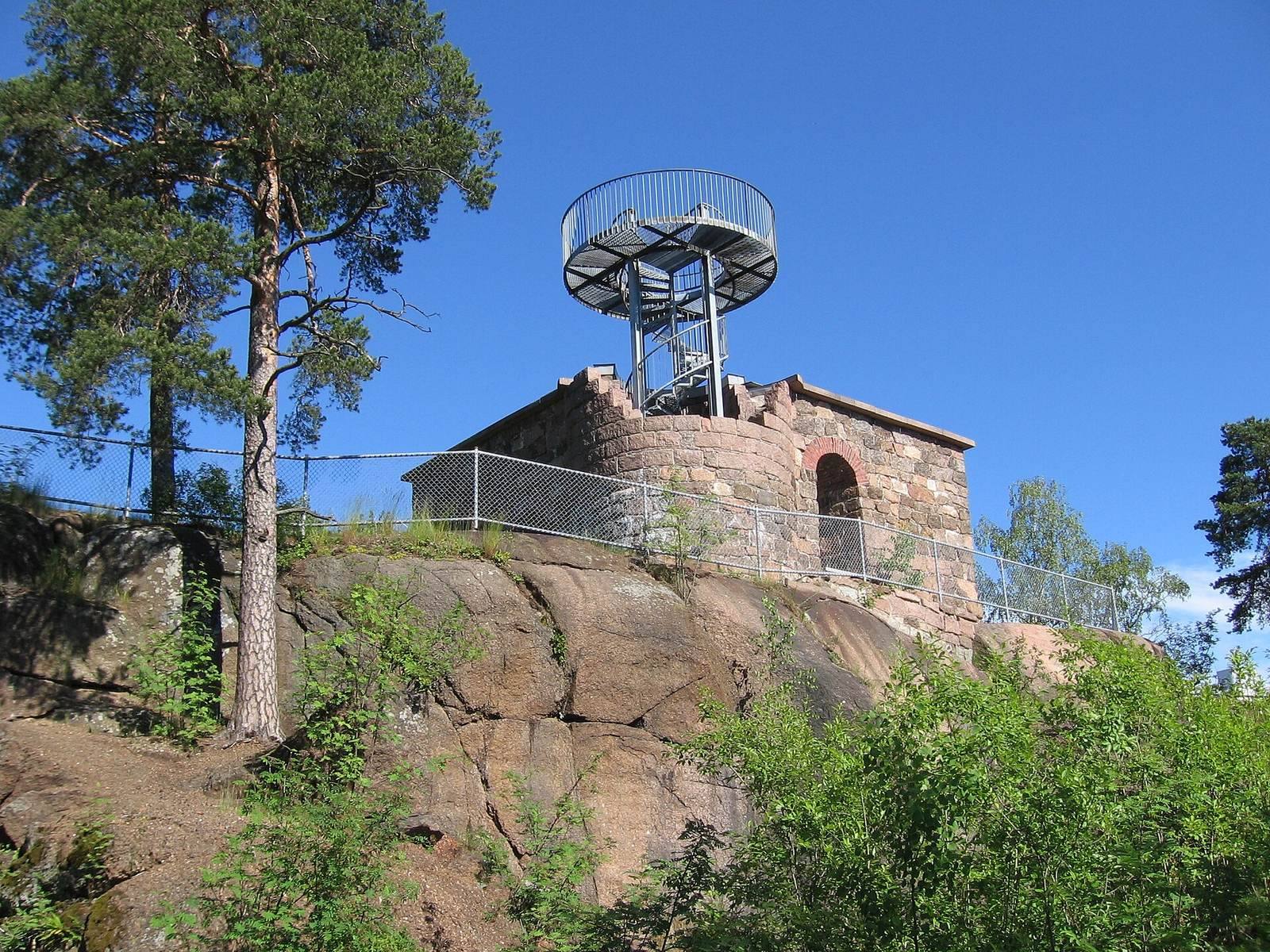
Built in 1794 on the artificially enlarged island of Kukouri, Fort Slava had a circular plan. It was partly restored in 1993.
Smaller fortifications
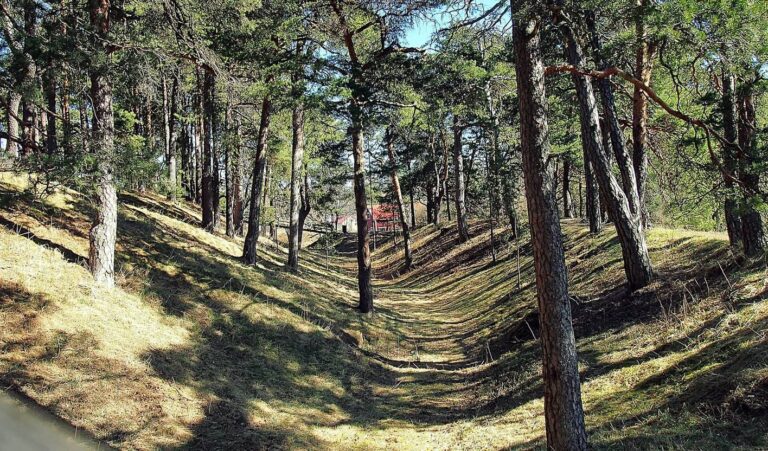
Remains of smaller defensive works are found on Tiutinen Island and at the Kotka redoubt.
Military infrastructure
A tall lighthouse was built at Kotka’s highest point. The naval hospital occupied the western part of Kotkansaari, while the military port was in the island’s northern part. A dock stood in Sapokanlahti Bay.
Settlement and church
Wooden settlement
The settlement beside the fortress consisted of small, single-storey wooden houses.
Church of St Nicholas
The Orthodox Church of St Nicholas was built between 1799 and 1801. It is the oldest surviving building in Kotka and the only building in the town to have survived the 1855 burning.