Ruïne Toutenburg: A Medieval Water Castle in the Netherlands


Site at a Glance
- Rating
- 4.4
- Popularity
- Low
- Country
- Netherlands
- Primary era
- Early Modern
- External website
- Open
- Eras represented
- Early Modern
- Civilizations
- Holy Roman Empire
- Site type
- Military
- Remains
- Castle
On this page5 sections
History
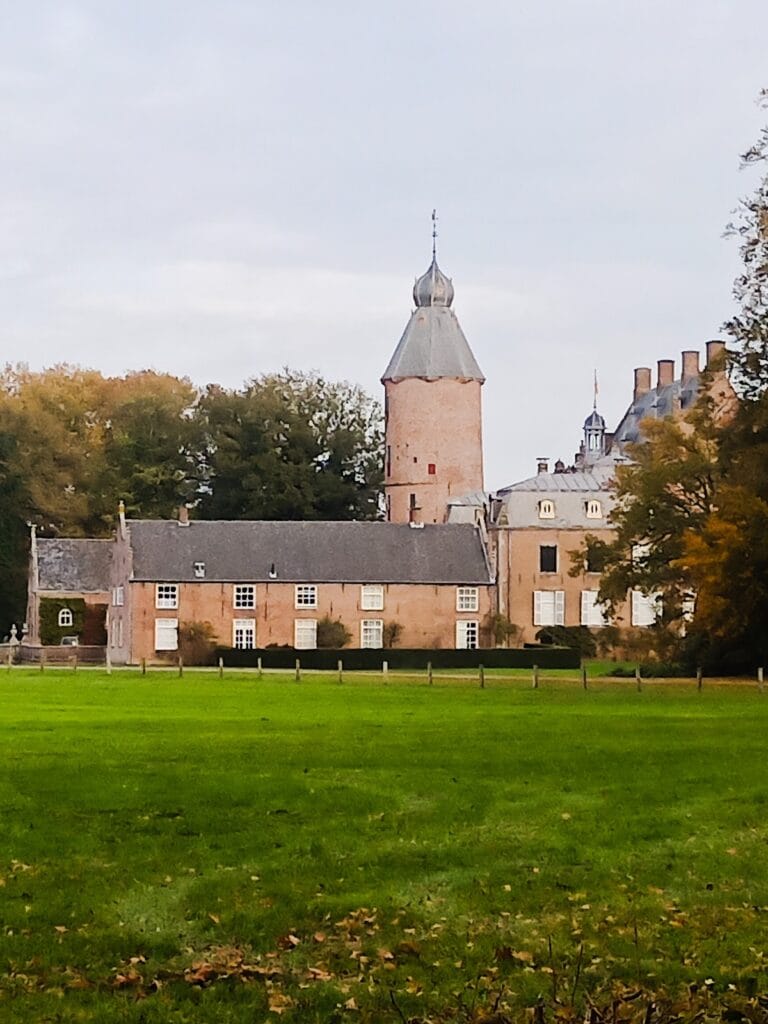
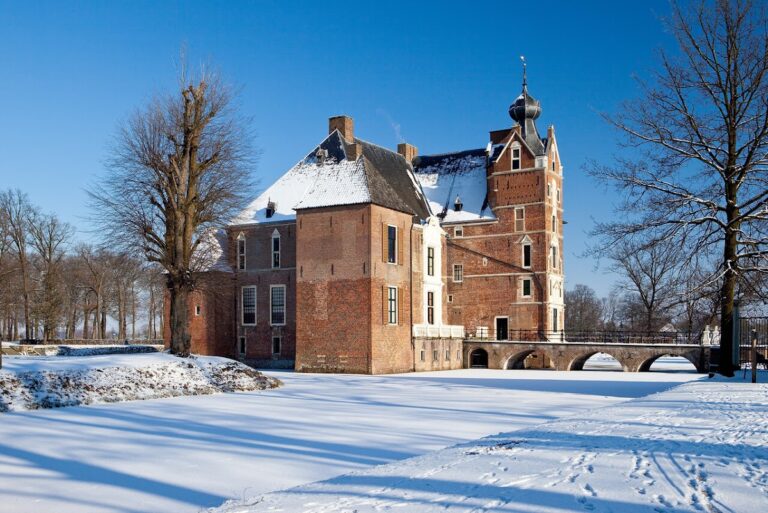
Ruïne Toutenburg is a medieval water castle in the Netherlands, located in Vollenhove in the province of Overijssel. Built around 1500 for Georg Schenck van Toutenburg, it formed part of the Oldruitenborgh estate and served as the residence of a nobleman who had been appointed schout of Vollenhove. A schout was a local judicial and administrative official.
Foundation and family history
Georg Schenck van Toutenburg came from Tautenburg in Thuringia. He married Anna de Vos van Steenwijck, who died in 1526. His second marriage, to Joanna van Egmond, produced a son, Carel, who was born at Toutenburg in 1527.
Georg died in 1540, and the castle passed to Carel. After Carel’s death in 1571, ownership went to Georg’s older brother Frederik. Frederik died in 1580, after which the estate passed to the Van Haersolte and Van Boetselaer families.
Decline and later status
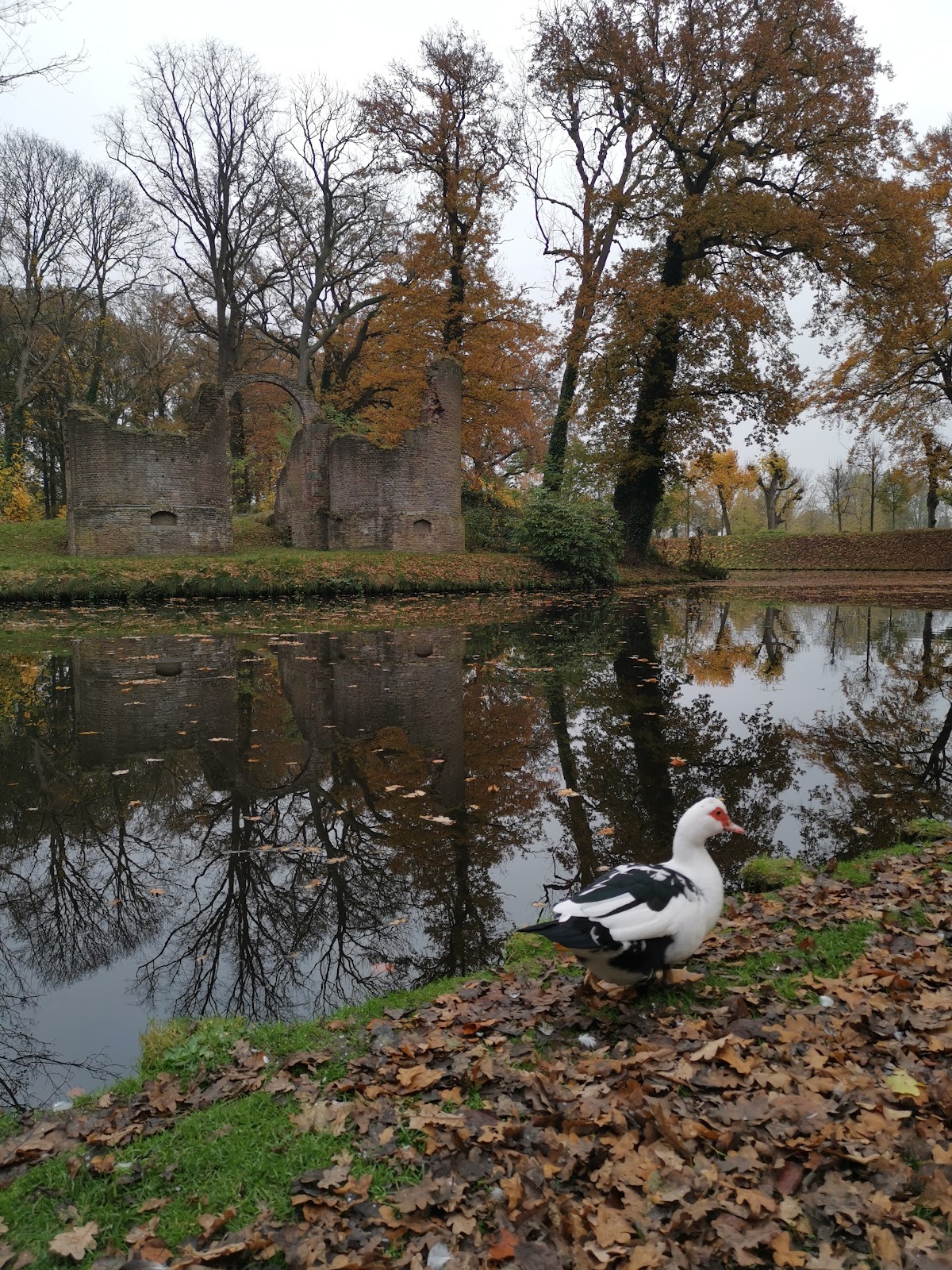
Toutenburg fell into disrepair during the eighteenth century and became a ruin. The remaining structure is now used for open-air performances. The site is a Rijksmonument, a protected Dutch national monument, under monument number 520762.
Remains
Toutenburg was a water castle, a fortified residence associated with surrounding or nearby water defenses. Only ruins of the former building survive. The castle stood as part of the Oldruitenborgh estate in Vollenhove, near Groenestraat 24.
Castle evidence and historical views
A model of the original castle is displayed at the Cultuur Historisch Centrum in Vollenhove, which also preserves associated building elements, pottery, and the tower’s weather vane. A reproduction of a drawing made around 1760 depicts the castle. Toutenburg also appears in a 1617 print by Claes Jansz. Visscher, a Dutch printmaker and cartographer, and in a historical view of Vollenhove from around 1675, where the castle is shown in the upper left.