Roznovanu Palace: A Neoclassical Residence and Civic Seat in Iași
Site at a Glance
- Popularity
- Medium
- Country
- Romania
- Primary era
- Early Modern
- Eras represented
- Early Modern, Modern
- Civilizations
- Ottoman, Principality of Moldavia
- Site type
- Civic
- Remains
- Palace
On this page4 sections
History
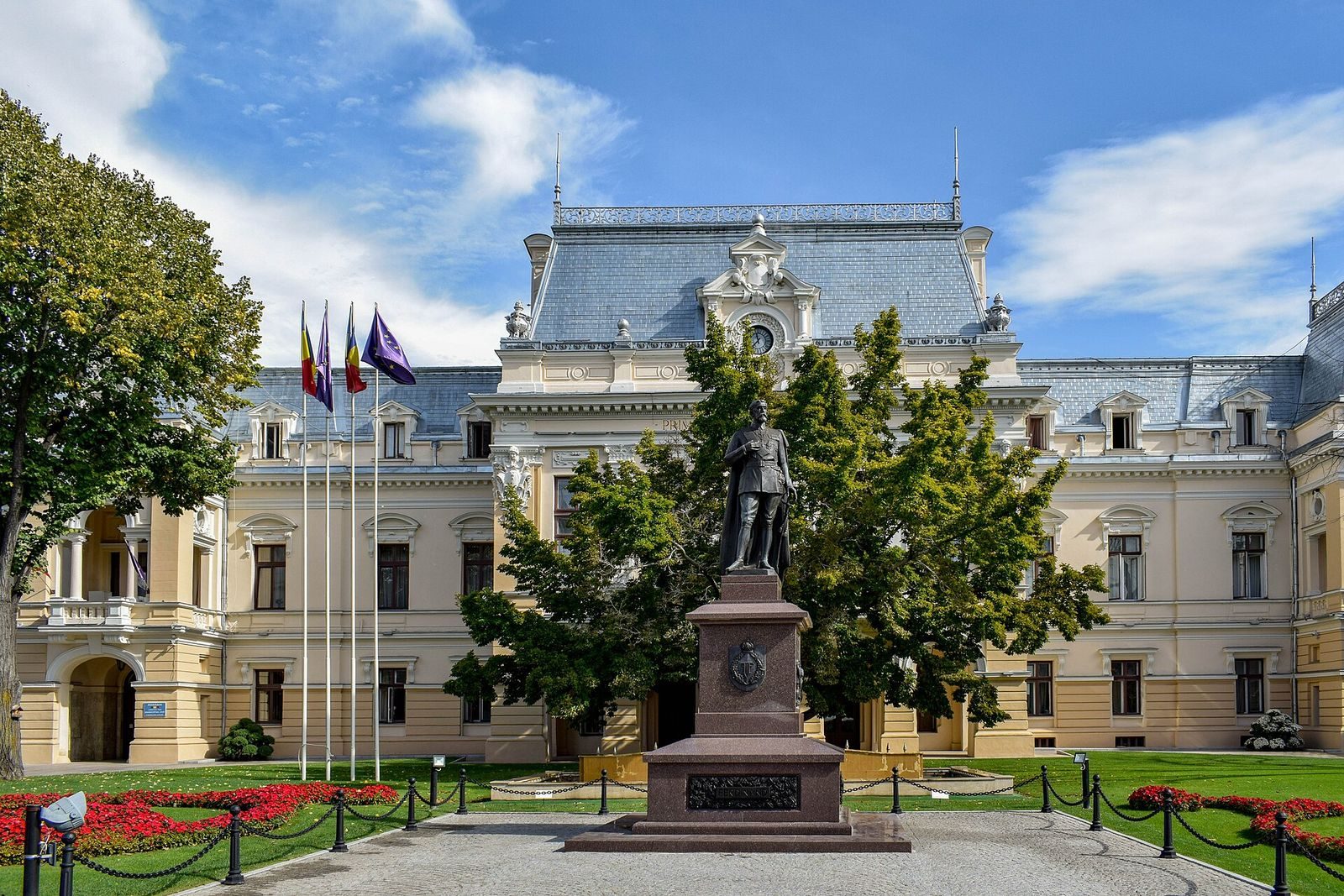
Roznovanu Palace is an eighteenth-century residence in Iași, Romania, built in the second half of the century by Iordache Ruset-Roznovanu in a neoclassical style with Baroque ornamental elements. It was the home of the Rosetti-Roznovanu family, a major force in the city’s Moldavian political life, until the family sold it to the state in 1891.
Family residence and political activity
The palace became a base for Russian officials at several points. A Russian general named Romanov lived there in 1788, and Russian diplomats were housed in the building during the Organic Regulation, a constitutional framework introduced in Moldavia and Wallachia, from 1829 to 1831. The palace underwent restoration between 1830 and 1833.
In 1858, former ruler Mihail Sturdza moved into the palace and sought to regain power ten years after leaving the country. In 1866, the Roznovanu family, with Russian political backing, attempted to put Nunuța Roznovanu on the throne of Moldavia, the historical principality. The plan failed.
State service and civic government
After its sale to the state, the palace briefly housed the royal family in 1892, while part of the building was assigned to local authorities. During the First World War, from 1916 to 1918, Romania’s political leadership relocated from Bucharest and used the palace for government ministries. King Ferdinand I kept his office there, and the War Council met in the palace in 1918. A civilian hospital run by the American Red Cross Mission occupied the ground floor.
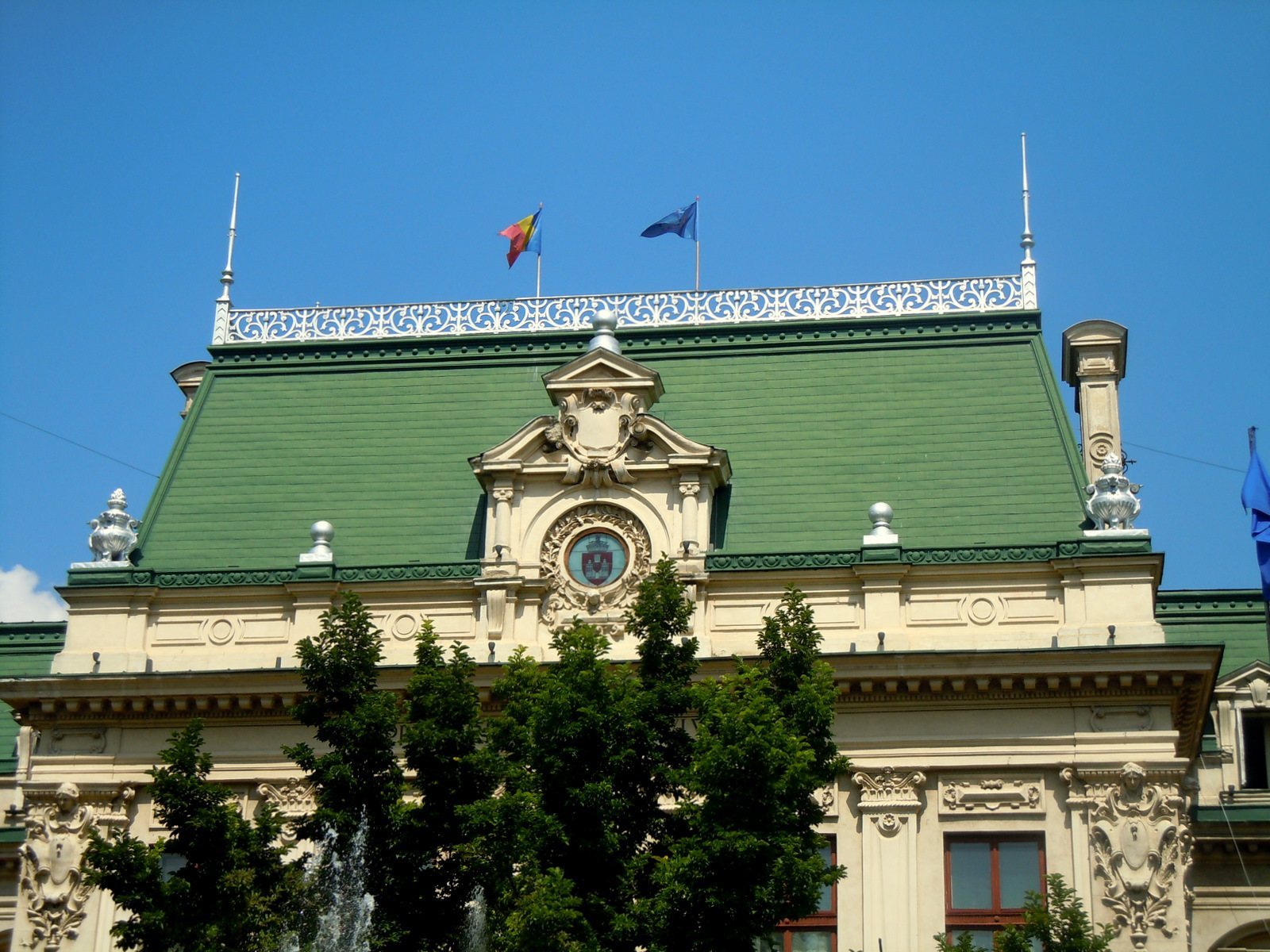
The palace resumed its fashionable social role during the interwar years. From 1944, it housed the City Party Committee; since 1970, it has served as Iași City Hall. It is included in Romania’s National Register of Historic Monuments as an architectural monument.
Remains
The palace combines neoclassical architecture with Baroque ornamental details. Statues decorated its exterior in 1830. Inside, the palace has frescoes and richly decorated rooms, including a Great Hall.
Some rooms retain public functions linked to the palace’s wartime history. King Ferdinand I’s former office is now the mayor’s office, while the room used for the Romanian War Council’s 1918 meeting serves as the Local Council chamber.