Kelmė Manor: A Baroque Residence in Lithuania
Site at a Glance
- Rating
- 4.5
- Popularity
- High
- Country
- Lithuania
- Primary era
- Early Modern
- Eras represented
- Early Modern
- Civilizations
- Polish–Lithuanian Commonwealth
- Site type
- Domestic
- Remains
- Manor House
On this page8 sections
History
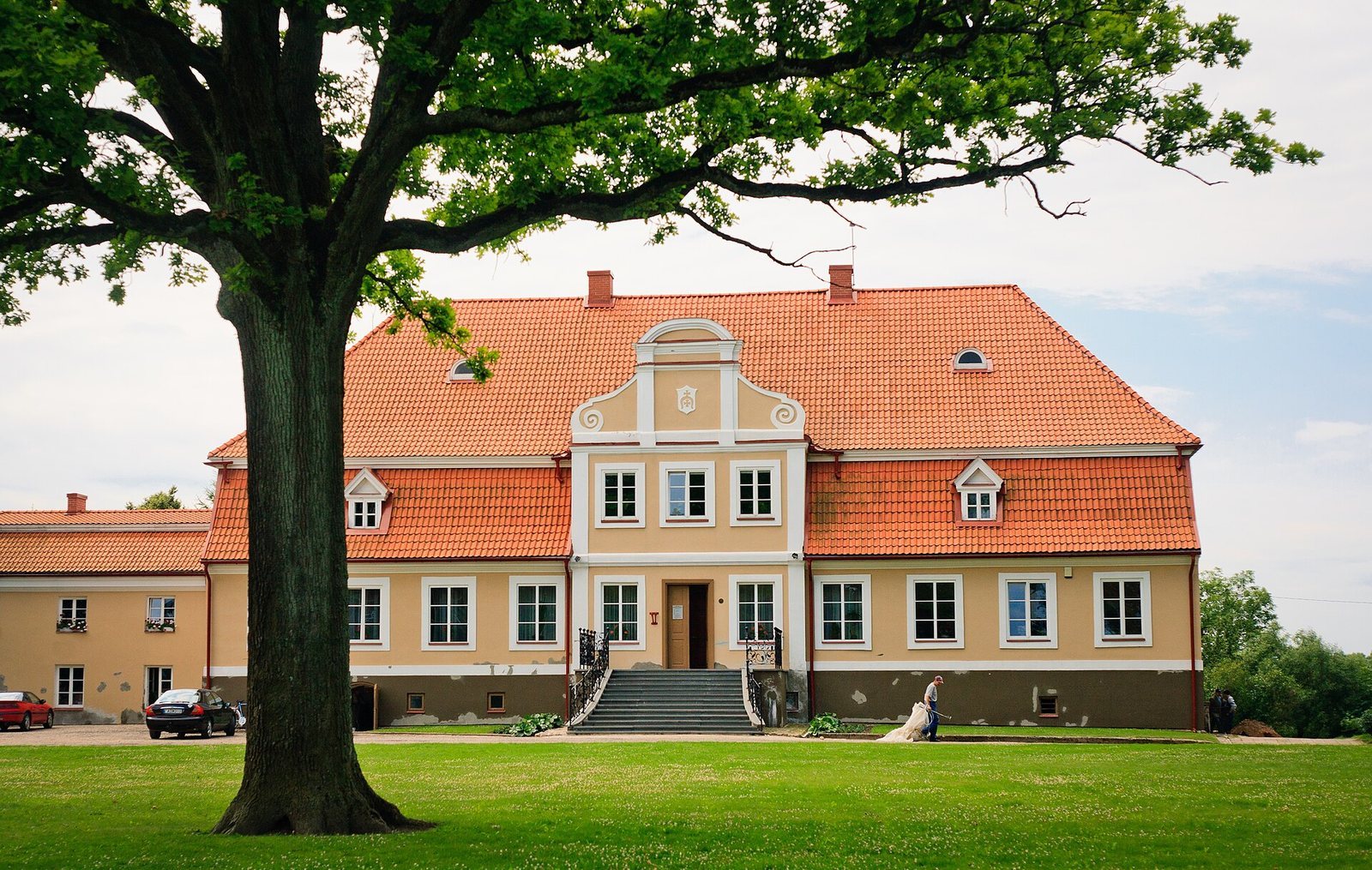
Kelmė Manor is a Baroque former residential manor in Kelmė, Lithuania, built around 1780. The estate itself dates to the fifteenth century, when it belonged to the Grand Duke of Lithuania, the sovereign ruler of the Grand Duchy of Lithuania.
The Gruzewski family and Protestant institutions
Toward the end of the fifteenth century, the estate passed to Jonas Kontautas. In 1591 it came into the hands of the Polish Gruzewski family, who supported the Reformation, a sixteenth-century movement that established Protestant churches and traditions. The family founded a Protestant parish in Kelmė in 1596 and built the town’s Protestant church in 1622. They also established its first school and gathered a library and archive focused on Reformation history.
The manor and nineteenth-century events
In 1831, the estate became a center of an unsuccessful rebellion against Russian tsarist rule. Work was carried out on the manor in 1892 under architect F. Lehmann. That year, Bronislavas Gruzewski also founded the butter-manufacturing company Biruta. A plan for establishing a park was prepared in 1898.
Seizure and later uses
The estate was taken over in 1940. Its owners, Gabriele Grużewska and her daughters Sofia and Adolfina, were expelled and eventually exiled to Siberia. During the German occupation, Baron von Haren occupied the estate. In 1941, the Reformation archive was moved to the Aušros Museum in Šiauliai; in 1952, it was transferred to the Library of the Lithuanian Academy of Sciences. The collection included about 5,000 rare volumes and collections of Greek and Roman coins.
After the war, the manor served as a school and as a center for Soviet poultry farming. Kelmė Regional Museum now occupies the former residence.
Remains
Estate buildings
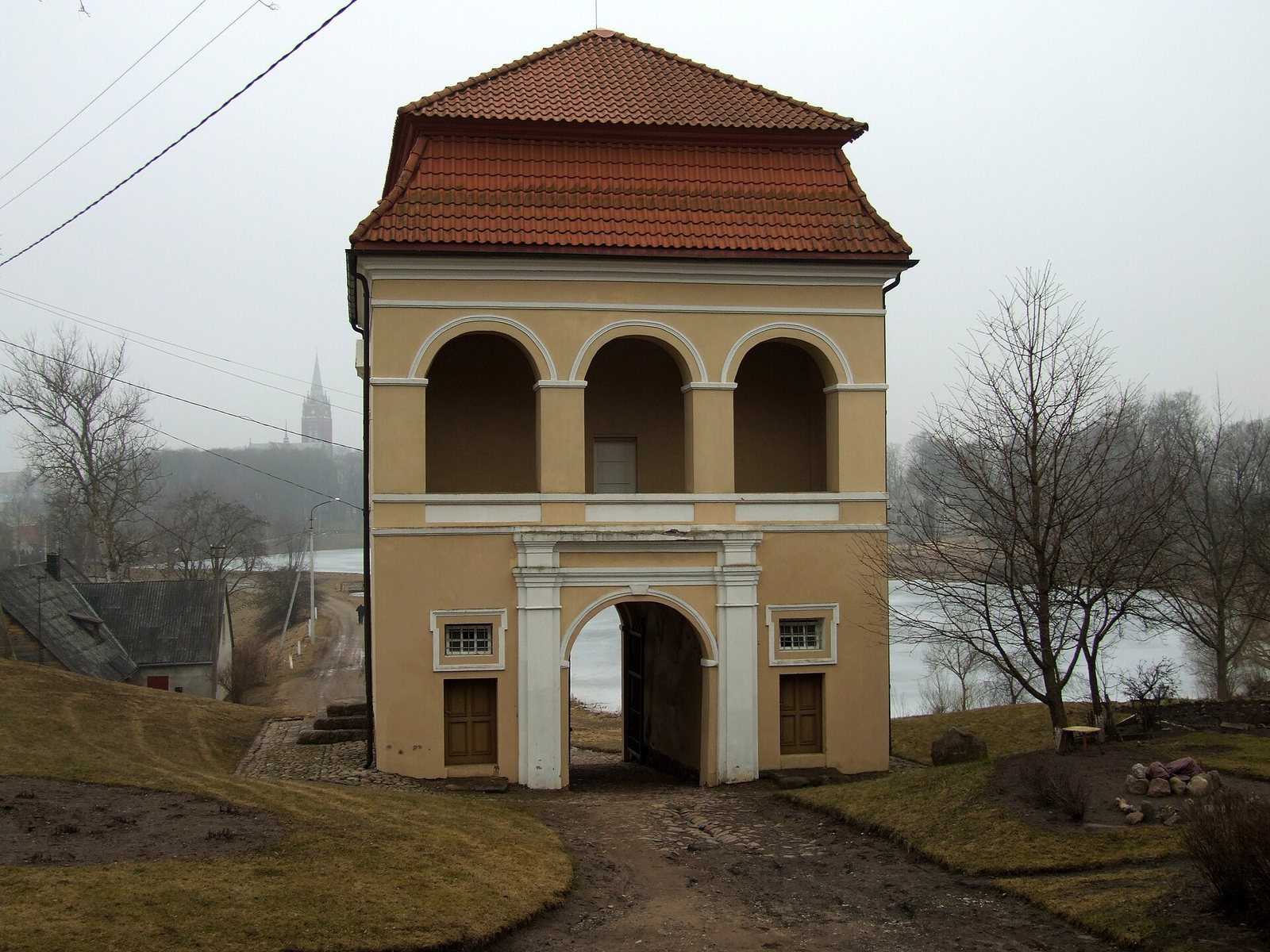
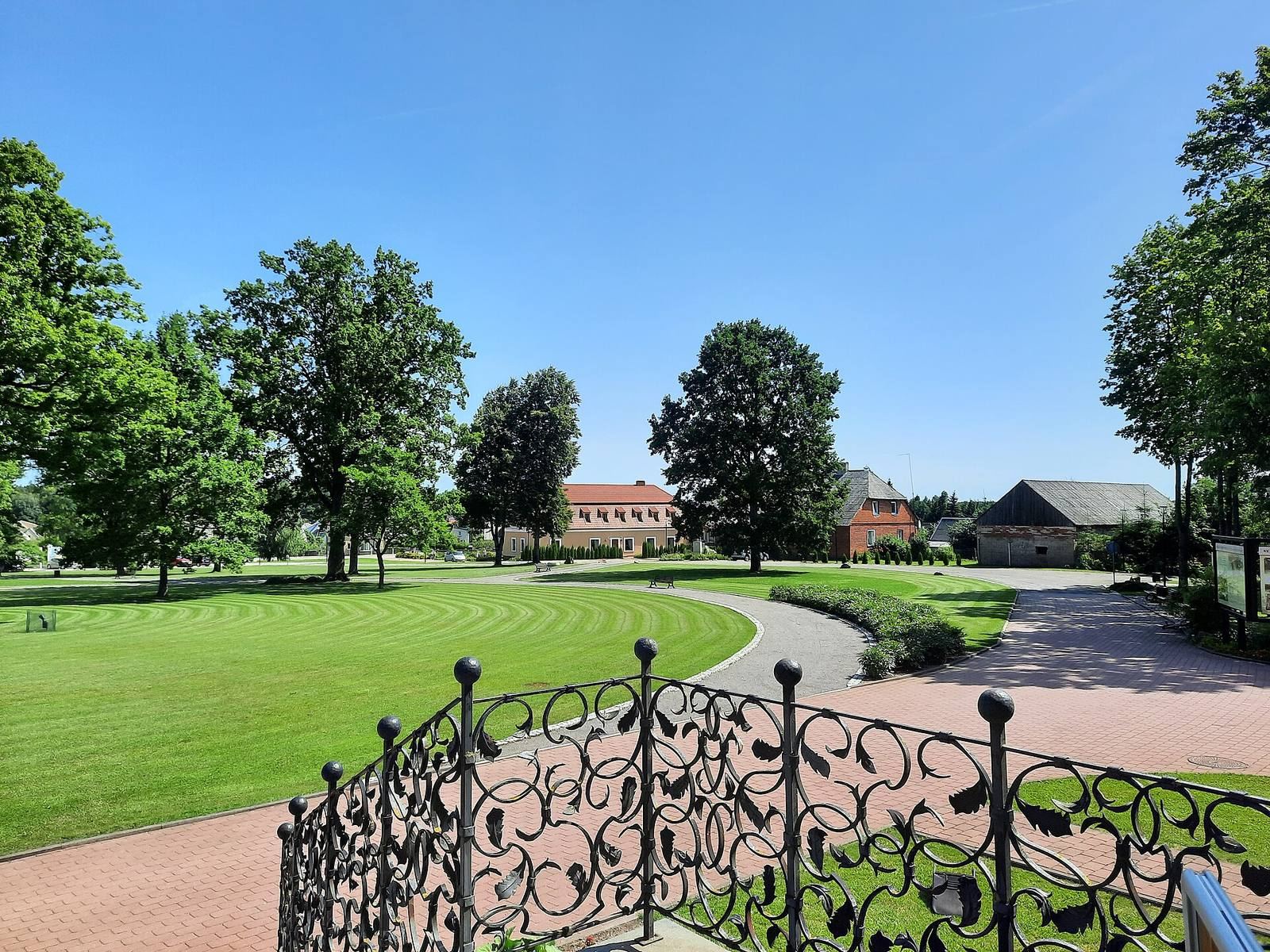
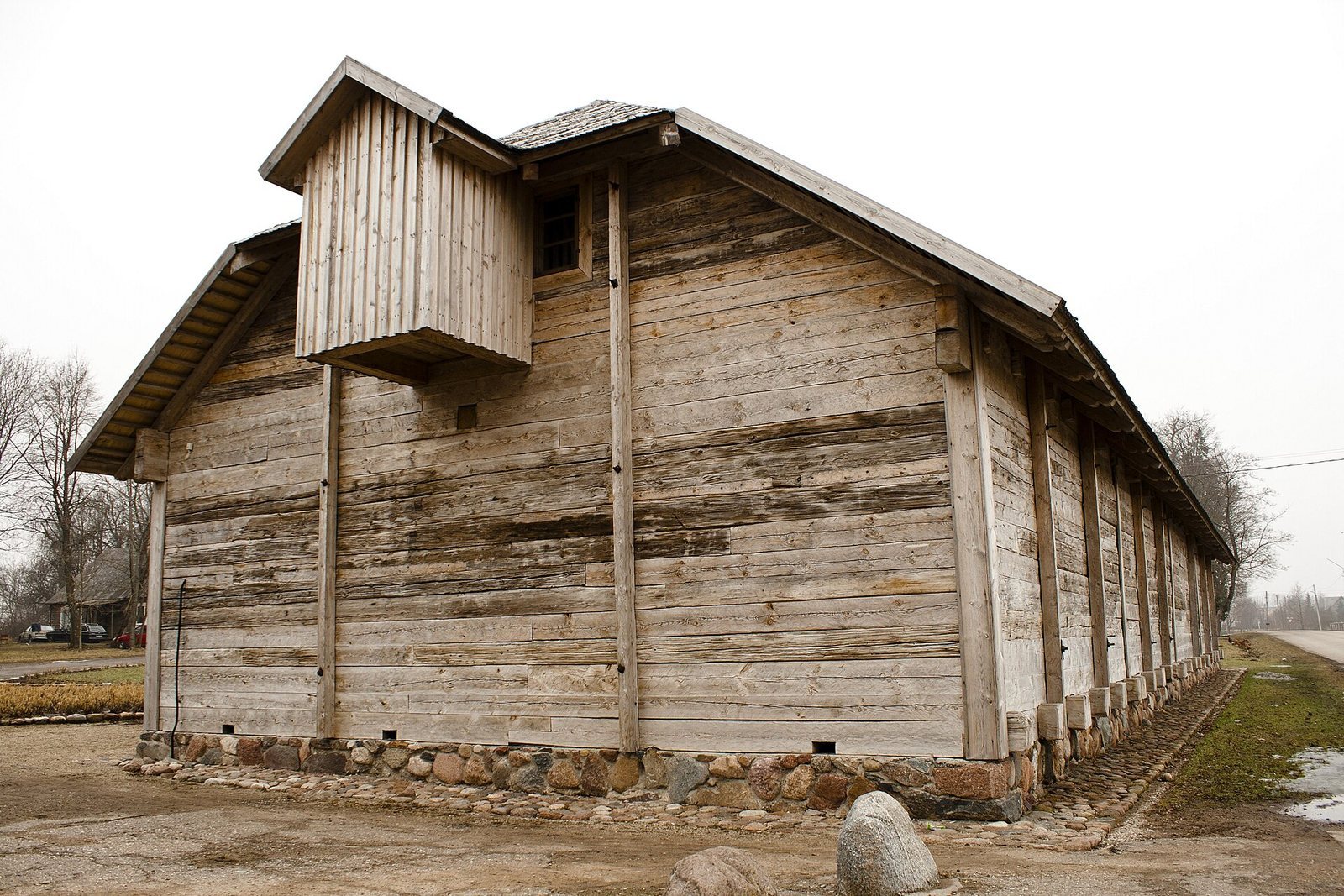
The estate covers 15.2 hectares and contains nine buildings, three of which are used to display museum artifacts. The grounds include the former residential manor and a historic barn.
Former residence
The manor building, once the estate’s residence, now houses Kelmė Regional Museum.
Historic barn
A historic barn on the estate has been restored and renovated for use as part of the museum.