Royal Castle of Ciergnon: A Belgian Royal Residence and Retreat
Site at a Glance
- Popularity
- High
- Country
- Belgium
- Primary era
- Modern
- Eras represented
- Modern
- Civilizations
- Belgian
- Site type
- Domestic
- Remains
- Palace
On this page6 sections
History
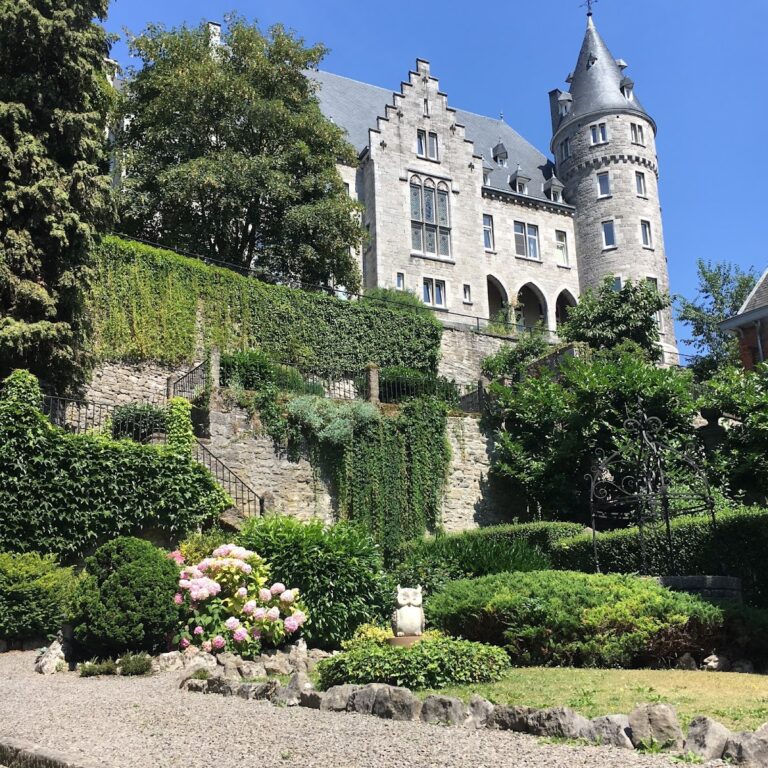
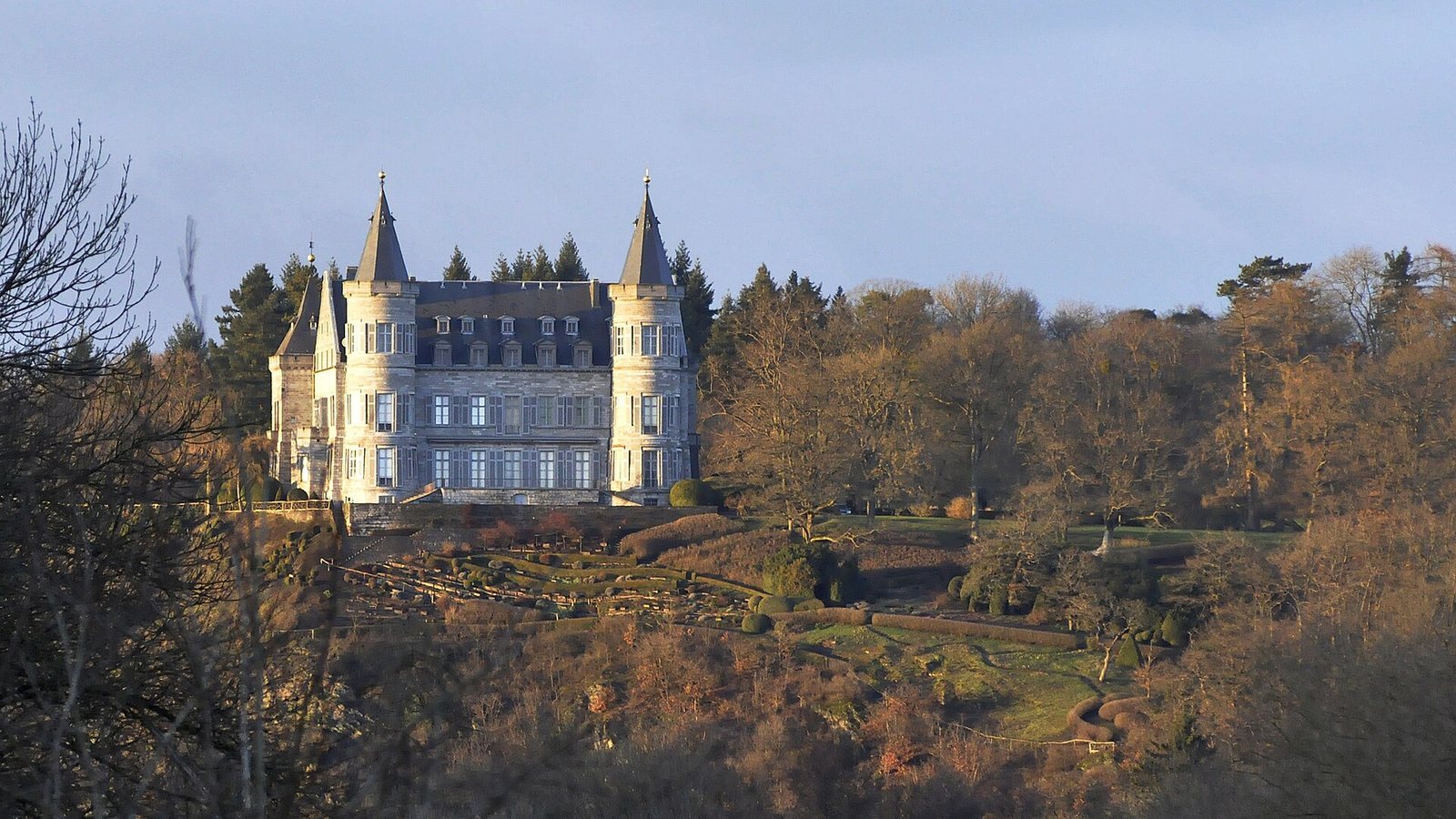
The Royal Castle of Ciergnon is a royal residence in Belgium, originating in a hunting lodge built for King Leopold I in 1842 and later remodeled in the Neo-Gothic style, a nineteenth-century revival of medieval Gothic architecture. It has served as a retreat for the royal family and as a setting for representative and political events.
A royal hunting lodge and its transformation
Leopold I acquired the Ciergnon estate in 1840 at the request of Queen Louise-Marie. Her health was fragile, and her doctors believed the local air might help her bronchial condition. Two years later, Leopold had a hunting lodge built on the estate.
In 1888, Leopold II commissioned an extensive remodeling of the lodge, which gave the building its present form.
Royal ownership and use
Leopold II bequeathed the estate to the Belgian state in 1903 as part of the Royal Donation. The castle and park are now held by the Belgian Royal Trust, which administers estates associated with the monarchy. The castle is a protected monument.
The royal family has used Ciergnon as a holiday retreat, including for weekend stays with guests, as well as for representative duties. King Albert II came there to rest and recover after operations. Queen Paola had rooms arranged to her preferences and practiced carriage driving at the estate.
In 1960, King Baudouin presented his fiancée, Fabiola de Mora y Aragón, to the press at Ciergnon. Albert II celebrated his sixtieth birthday there in 1994. On 22 and 23 November 2011, he received party leaders at the castle during negotiations to form a government after the federal election of 13 June 2010. The four children of King Philippe and Queen Mathilde were baptized in the castle chapel. In 2018, security measures were upgraded in response to the terrorist threat. In 2026, Philippe made the castle available to the Japanese emperor during a state visit.
Remains
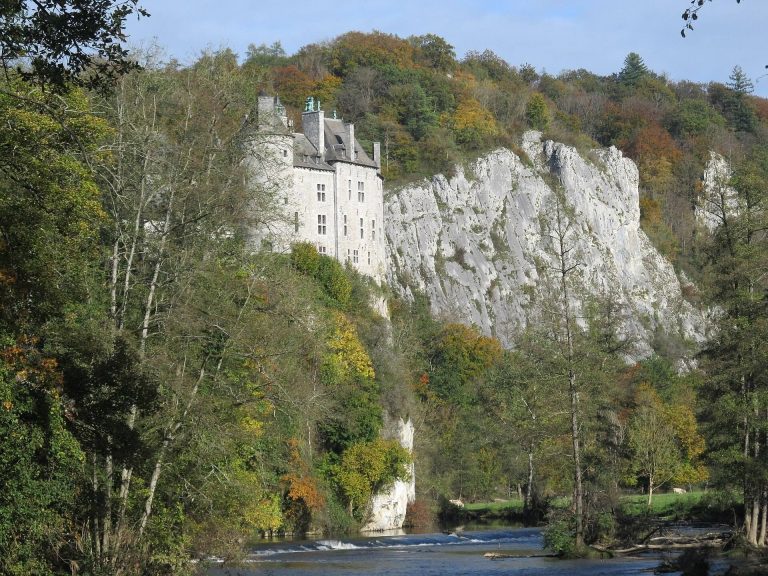
The castle stands on high rock beside the Lesse River. The original lodge occupied a terrace overlooking the river’s deep, wooded valley. The Neo-Gothic building forms part of an estate that includes a park, woods, extensive hunting grounds, and the river.
Castle and chapel
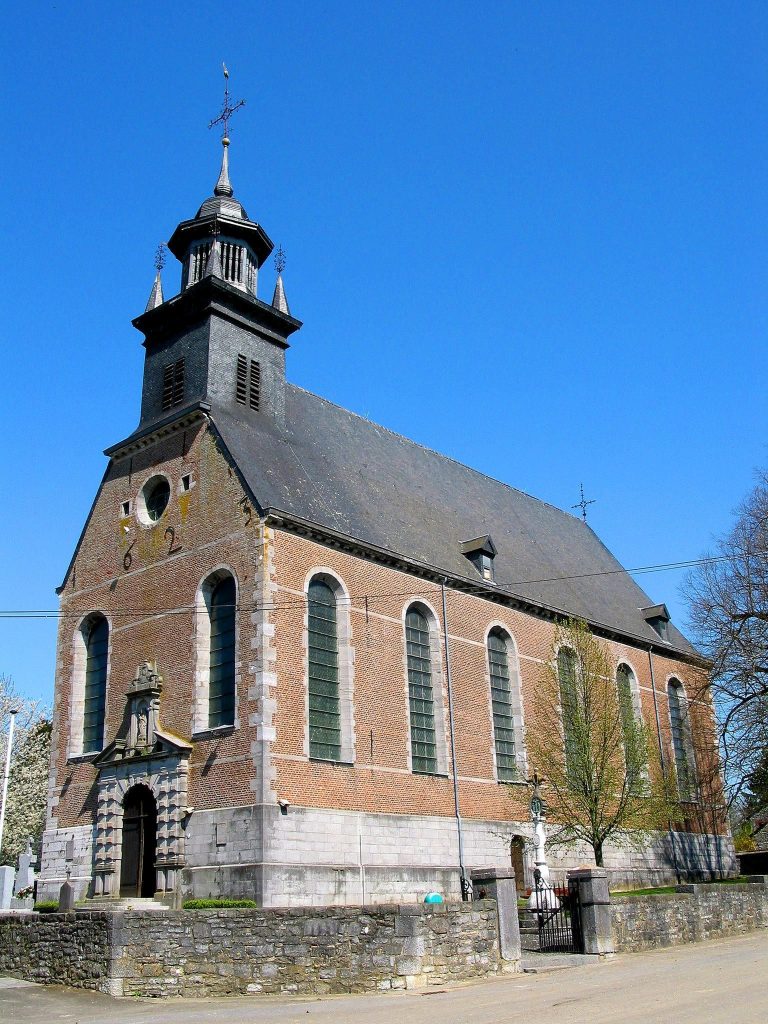
The castle includes a chapel and may contain more than 100 rooms.
Gardens and grounds
A garden plan was prepared for the estate. Its woods are known for wild boar.