Rocca Isolani: A Medieval and Renaissance Castle in Minerbio
Site at a Glance
- Rating
- 4.5
- Popularity
- Low
- Country
- Italy
- Primary era
- Early Modern
- Eras represented
- Medieval, Early Modern
- Civilizations
- Papal States
- Site type
- Domestic
- Remains
- Castle
On this page9 sections
History
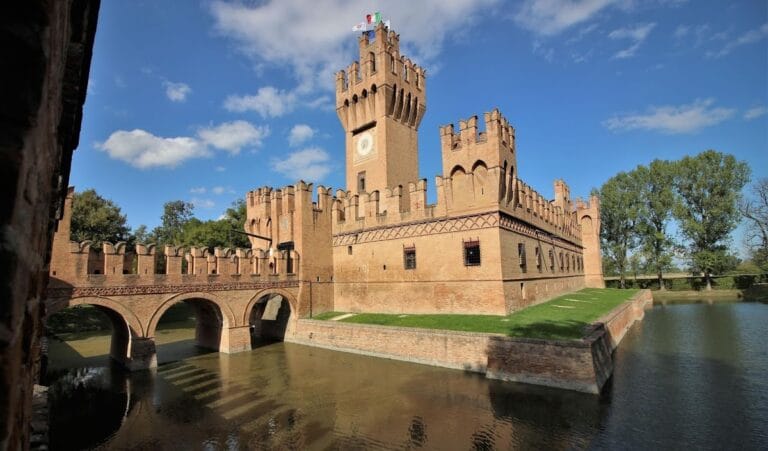
Rocca Isolani is a medieval and Renaissance castle in Minerbio, Italy, built at the beginning of the fourteenth century. Its history is closely connected with the Isolani family and with the political struggles that shaped northern Italy.
The Isolani lordship
In 1401, the Visconti, the ruling dynasty of Milan, formally invested the Isolani family as Lords of Minerbio. The first recorded owner was Count Giacomo II Isolani, who held the castle with his brothers Lodovico and Battista.
The castle was burned by Niccolò Piccinino, a professional military commander who led mercenary forces for the Visconti. It was rebuilt in 1438, and the reconstruction gave Rocca Isolani the dimensions of a fortified castle.
Destruction and Renaissance transformation
In 1527, German-speaking infantry mercenaries known as Landsknechts partially burned the castle while marching toward Rome. During the middle of the sixteenth century, it was rebuilt again, this time as a country residence rather than solely as a fortified stronghold.
Emperor Charles V, the Habsburg ruler of much of Europe, stayed at the site in 1530 in connection with his coronation in Bologna. Villa Isolani was built beside the Rocca for this purpose. Between 1538 and 1542, the Italian Renaissance painter Amico Aspertini created frescoes in three rooms of the building.
Rocca Isolani is now owned by the Cavazza Isolani family. The restored castle has Italian national heritage status.
Remains
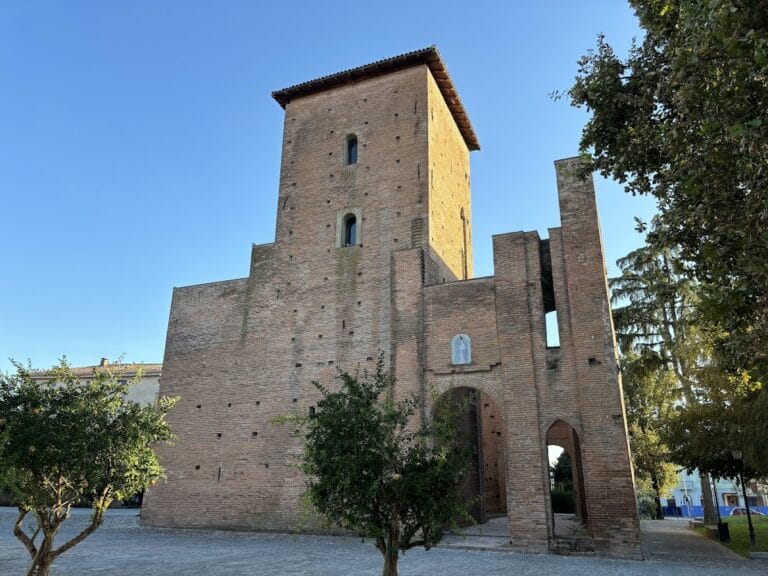
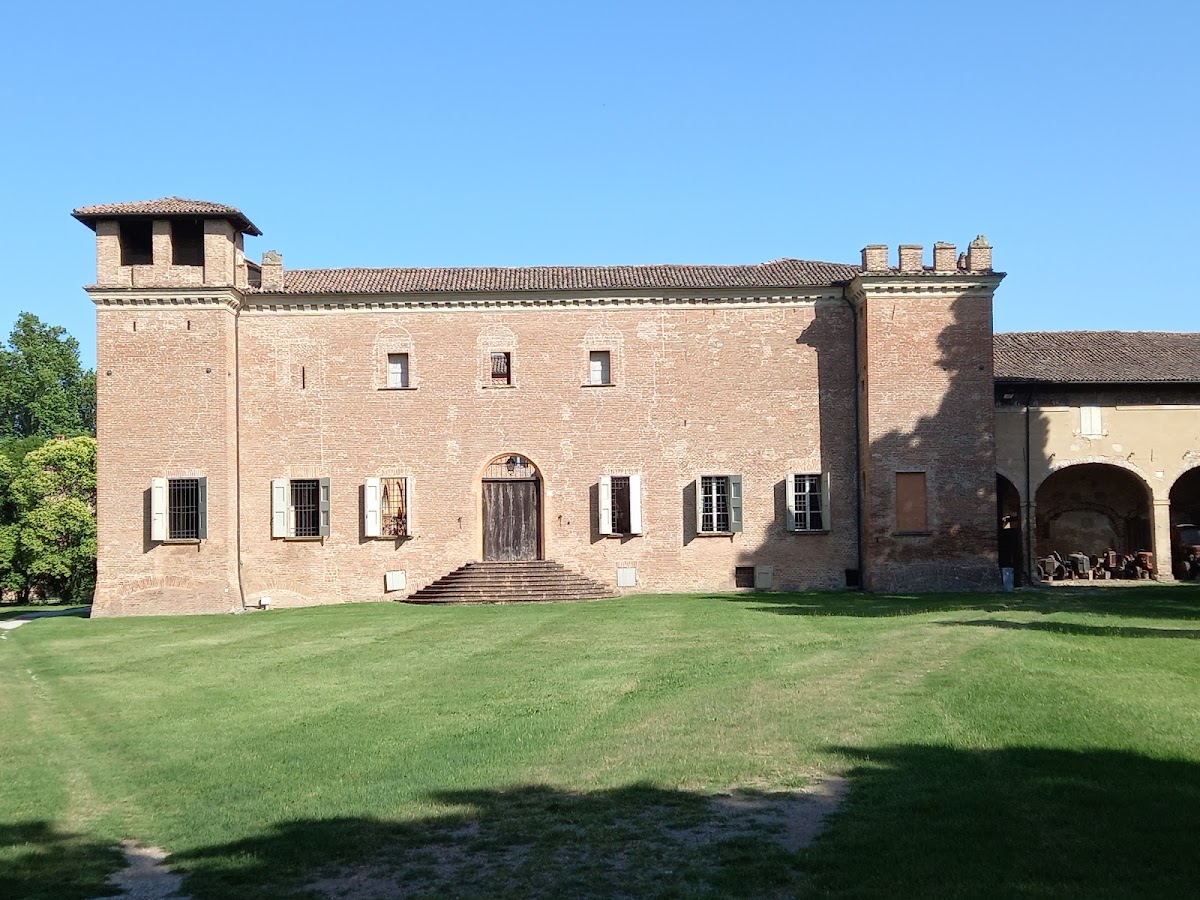
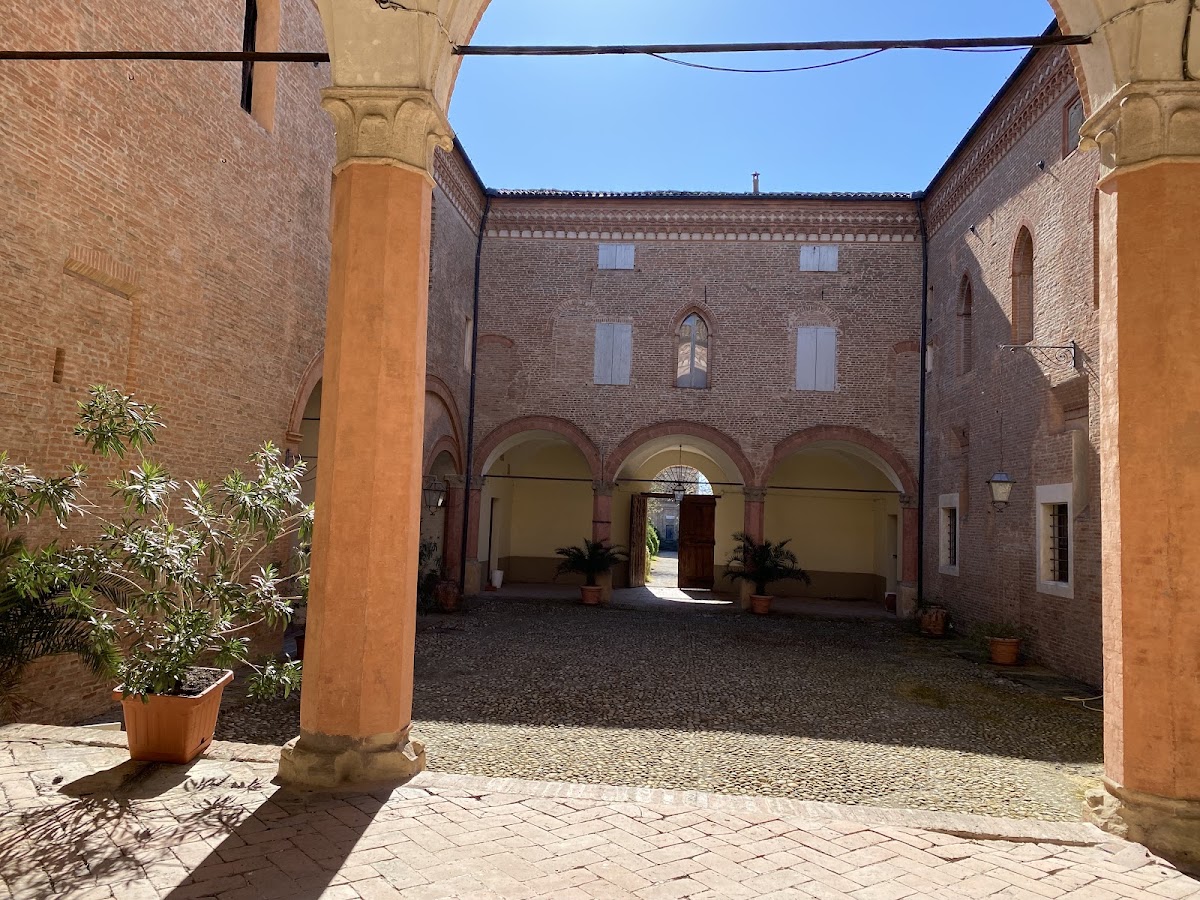
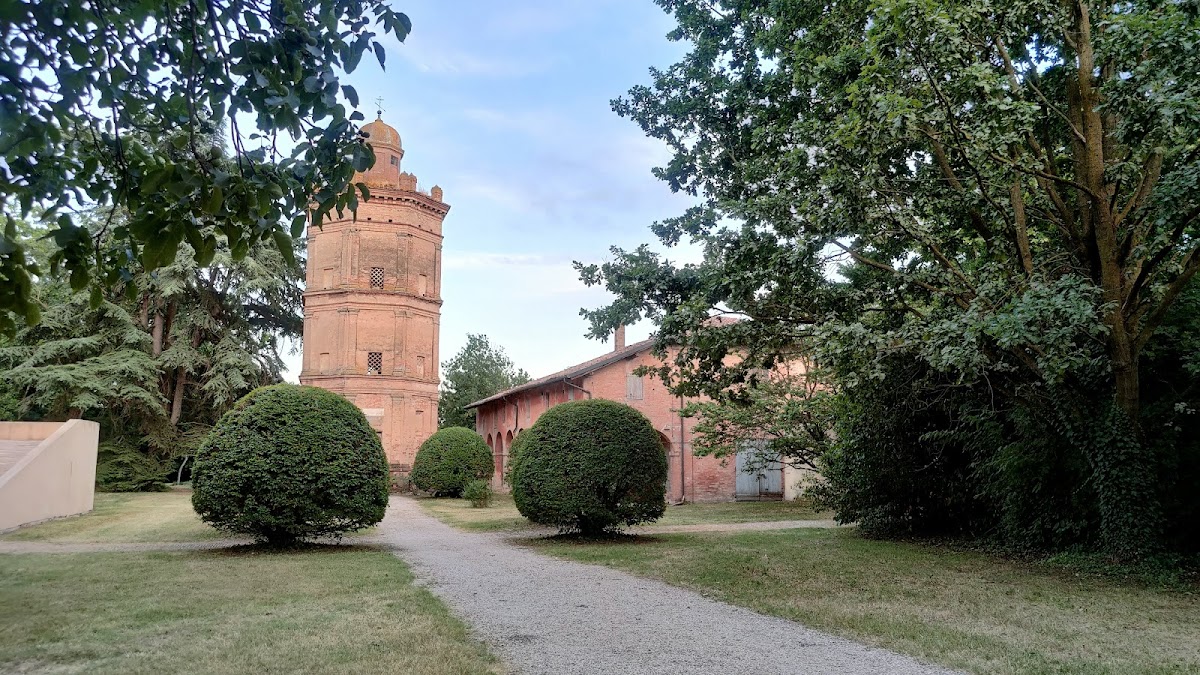
The surviving complex combines a brick-built castle with Renaissance buildings and open ground beside it. The Rocca, Villa Isolani, the dovecote, and the Prato delle Fiere form the principal documented elements of the site.
Buildings and grounds
Rocca Isolani
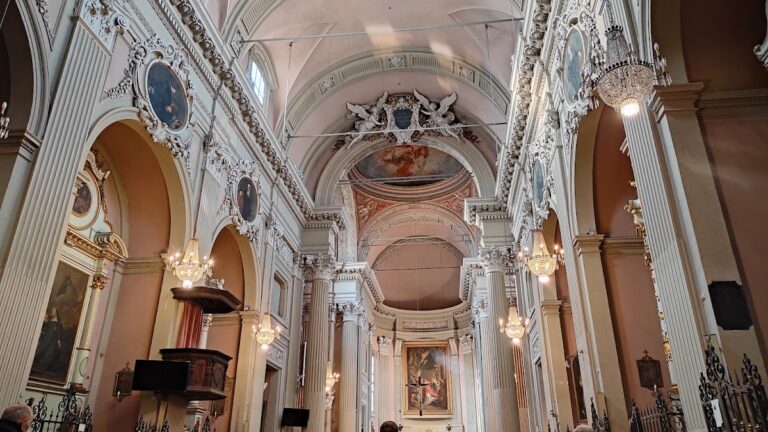
The Rocca is constructed of brick and retains a character formed by both medieval and Renaissance elements. Recovered polychrome terracotta friezes date from the middle of the fourteenth century and depict the Renaissance court. The interior decoration also includes frescoes by Amico Aspertini in three rooms, among them a telamon, a sculpted or painted male figure used as an architectural support or ornament, in the Mars Hall. The building is described as restored.
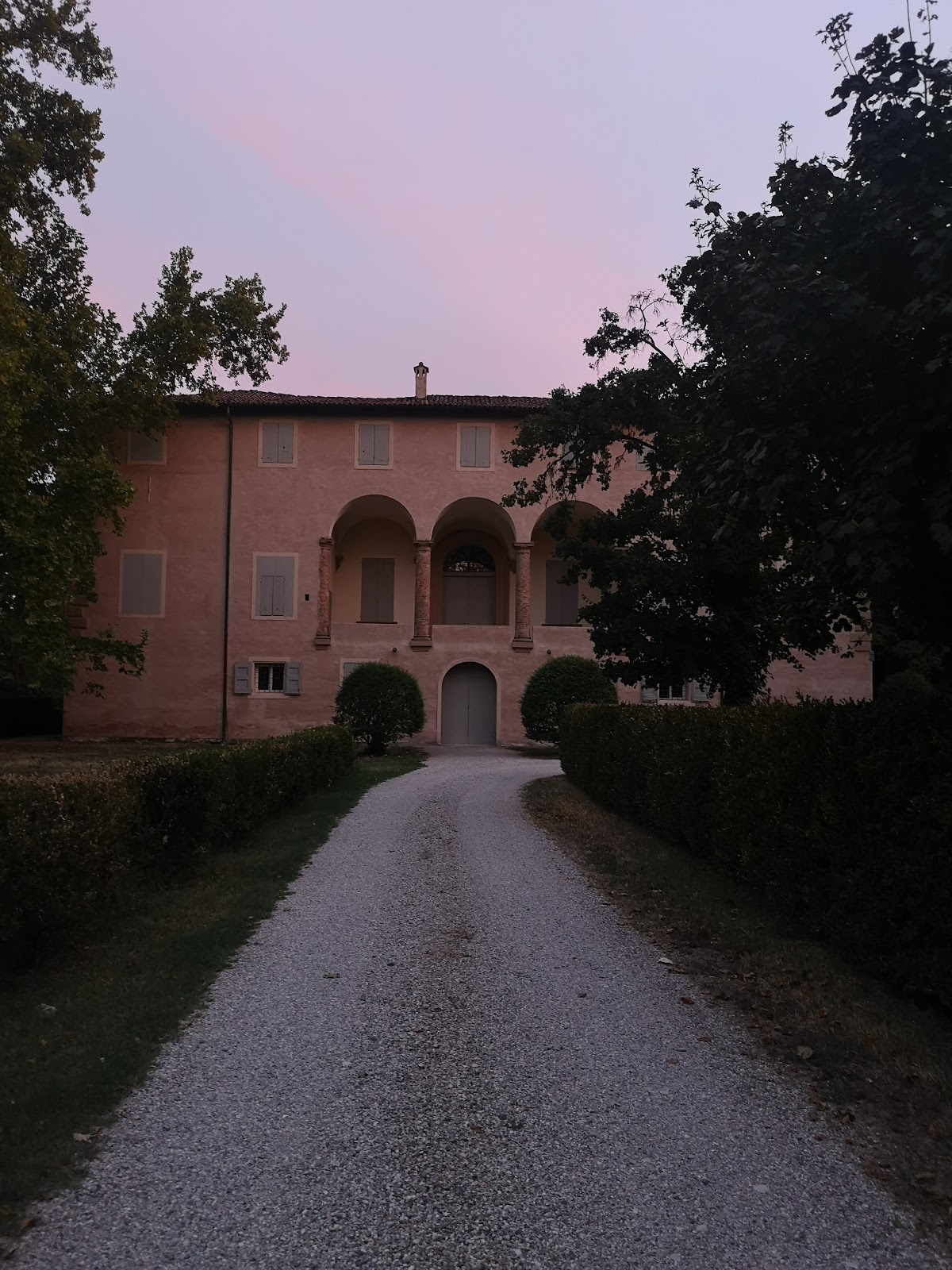
Villa Isolani
Villa Isolani stands beside the Rocca. It was built as accommodation for Charles V during his coronation visit to Bologna and is attributed to Giacomo Barozzi da Vignola, the Italian Renaissance architect whose classical designs influenced later architectural practice.
Dovecote
An elegant dovecote dating from 1536 stands behind the Rocca. Its design is possibly attributable to Vignola.
Prato delle Fiere
The Prato delle Fiere lies beside the Rocca. In antiquity, this open area served as a market place and as a venue for military tournaments.