Rocca di Solferino: Historic Tower and Museum in Italy
Site at a Glance
- Popularity
- Medium
- Country
- Italy
- Primary era
- Medieval
- Eras represented
- Medieval
- Civilizations
- Holy Roman Empire
- Site type
- Military
- Remains
- Castle
On this page7 sections
History
The Rocca di Solferino is a historic tower in Solferino, Italy, built in 1022 and later valued for its strategic position. During the Risorgimento, the nineteenth-century movement and political process that led to Italian unification, its location near the border gave it the epithet “Spy of Italy.”
Medieval and Gonzaga periods
In 1315, Rinaldo Bonacolsi, lord of Mantua, acquired the Rocca. Cristierno Gonzaga, Marquis of Solferino, restored it in 1611.
The Risorgimento and the 1859 battle
On June 24, 1859, the Rocca was contested during the Battle of Solferino and San Martino. The battle, fought between French-Piedmontese and Austrian forces, was part of the Second Italian War of Independence, one of the conflicts in the movement to unify Italy. Until 1866, the border between the Kingdom of Italy and the Austrian Empire ran nearby. After the Third Italian War of Independence and the annexation of Veneto to Italy in 1866, the tower lost its strategic function.
Restoration and museum
Following a period of abandonment, the Rocca underwent major restoration in 1870 and became a museum. It was restored again in 2011 for the 150th anniversary of Italian unification. It remains a museum owned by the Ente Società Solferino e San Martino.
Remains
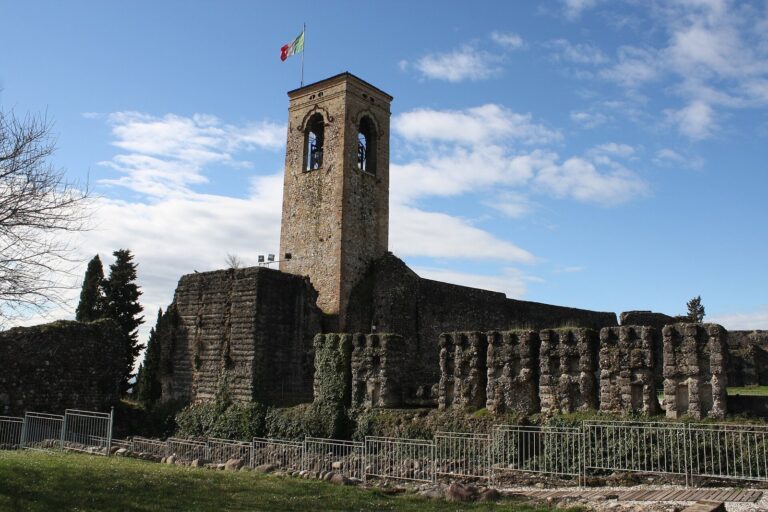
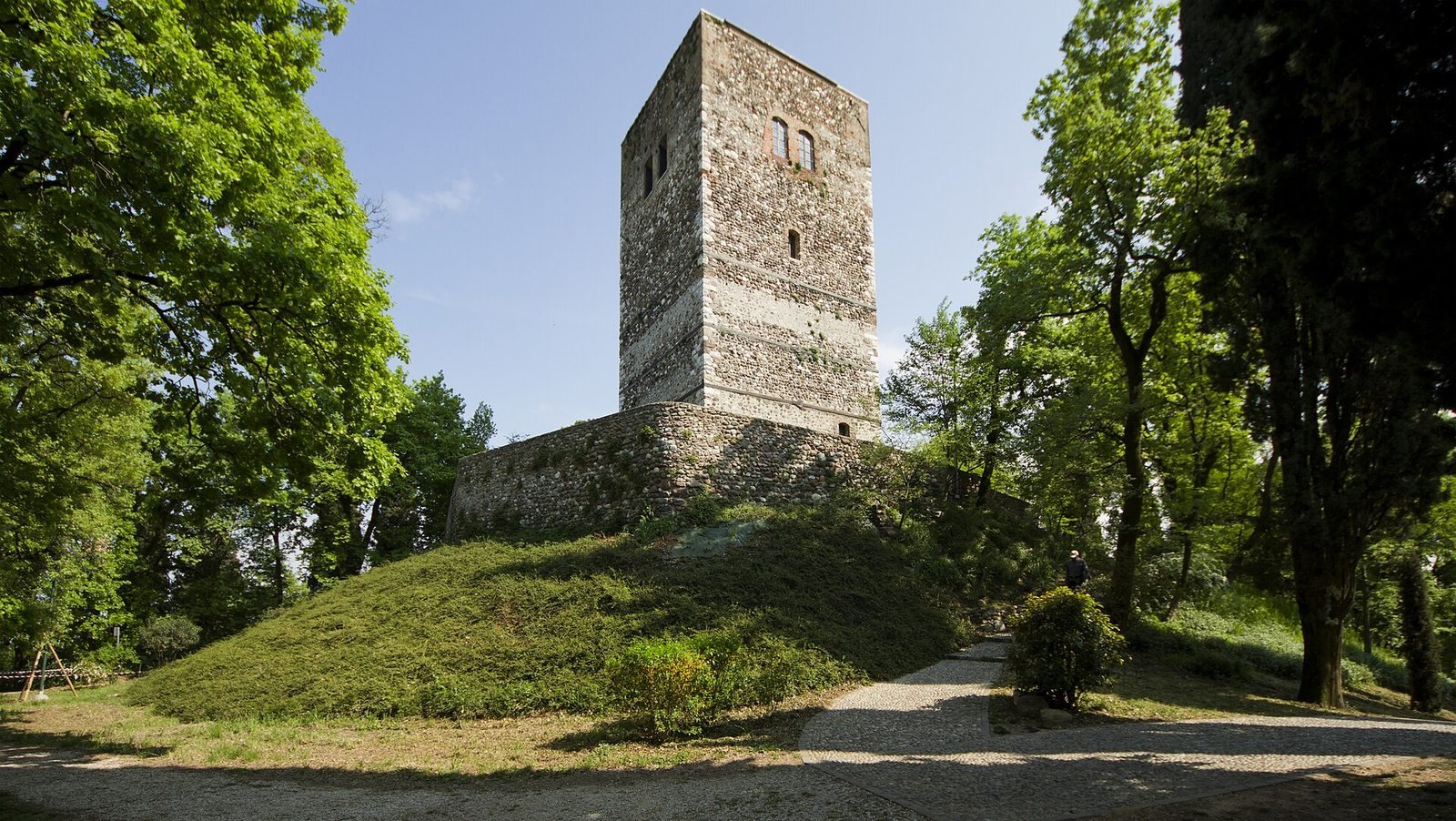
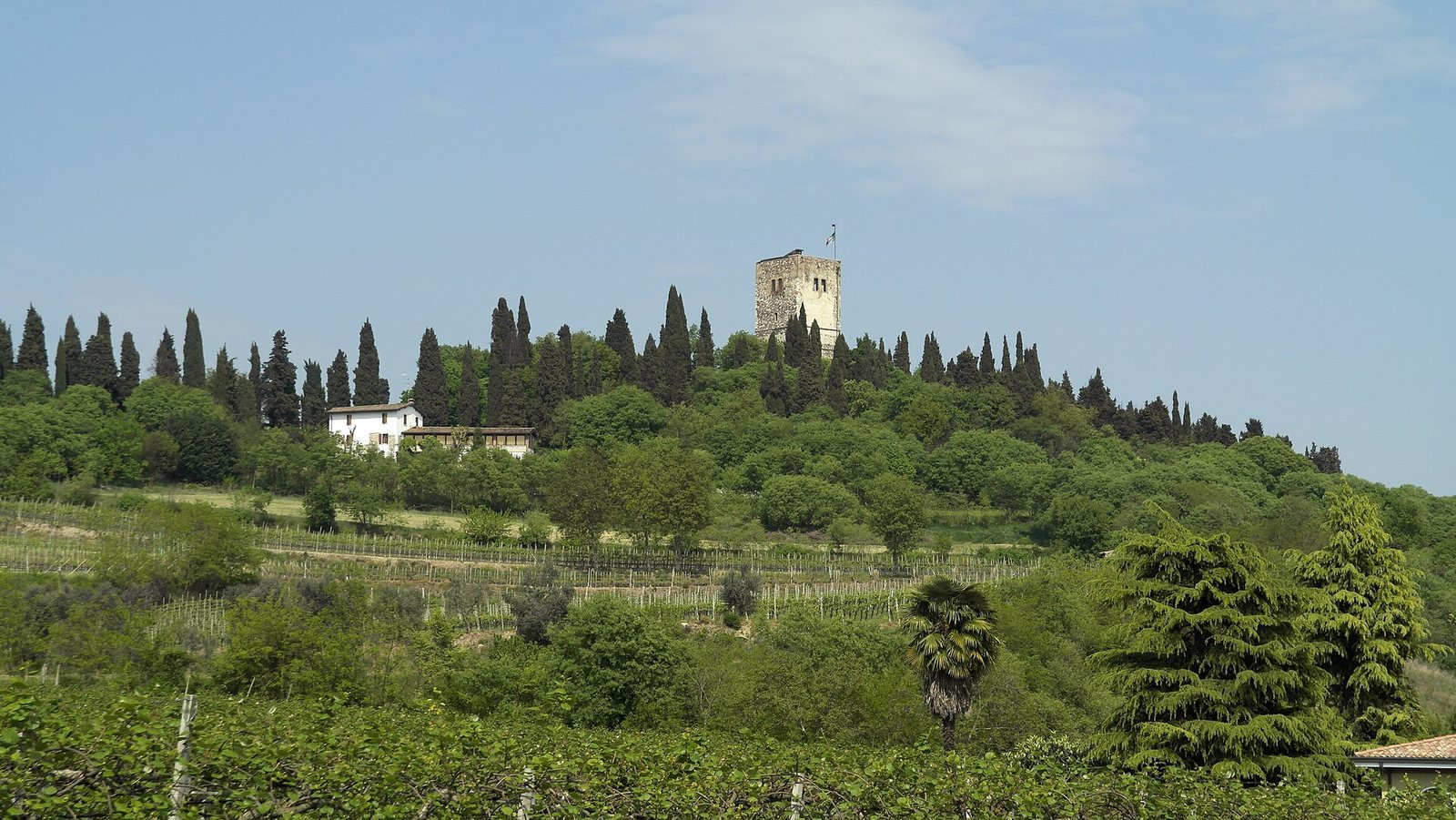
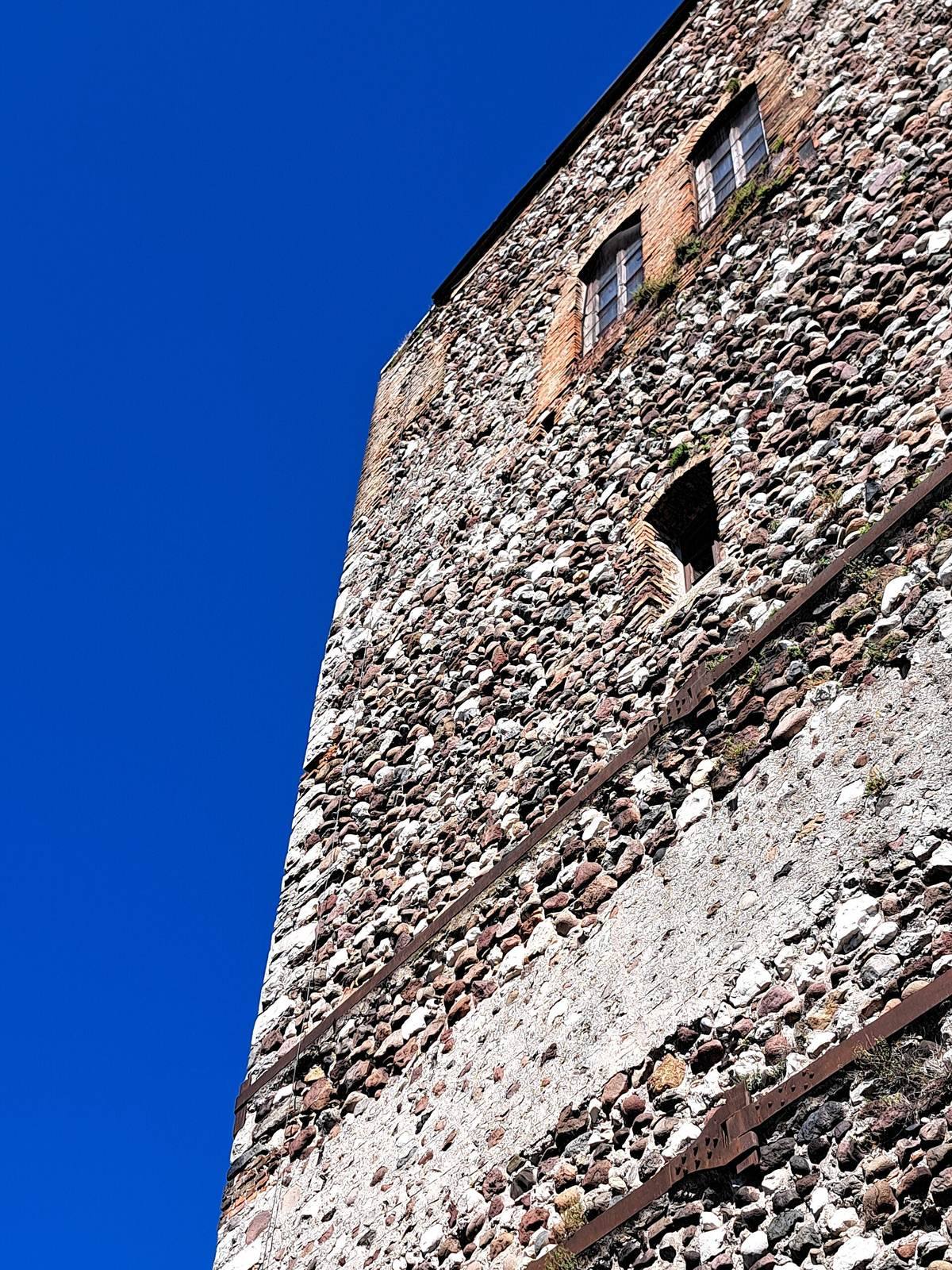
The Rocca is a 23-meter-high tower built from stone and pebbles. It stands on a hill 206 meters above sea level, the highest point in the province of Mantua, within a large public park. Nearby are Solferino’s monumental ossuary, a structure for human bones, and the Museum of the Risorgimento of Solferino and San Martino.
Ground-floor museum
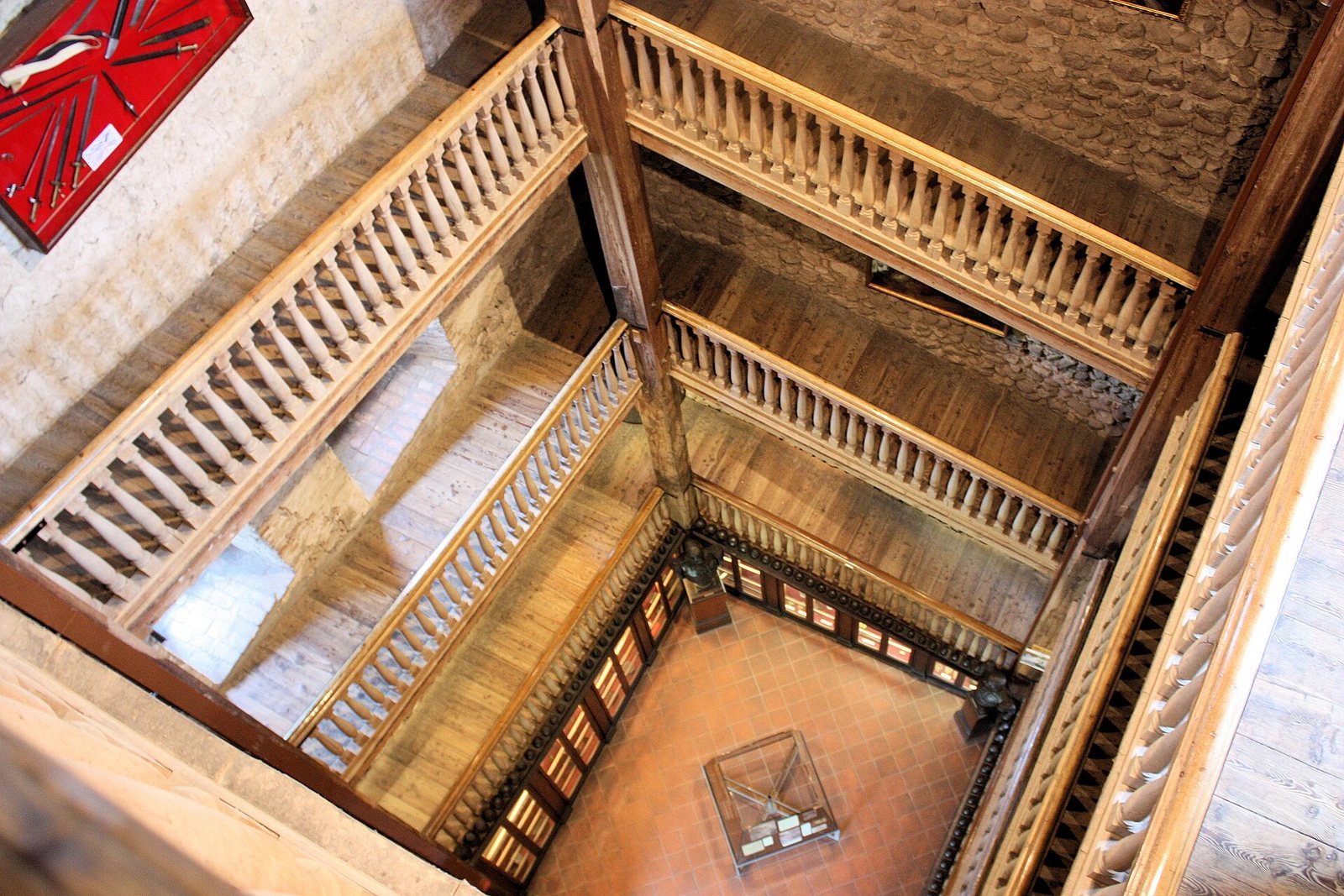
The tower’s ground floor holds memorabilia, paintings, and weapons related to the Second Italian War of Independence, especially the Battle of Solferino. Among the displays is a bust of French General Charles Auger, who died from wounds he received in the battle.
Ramp and upper terrace
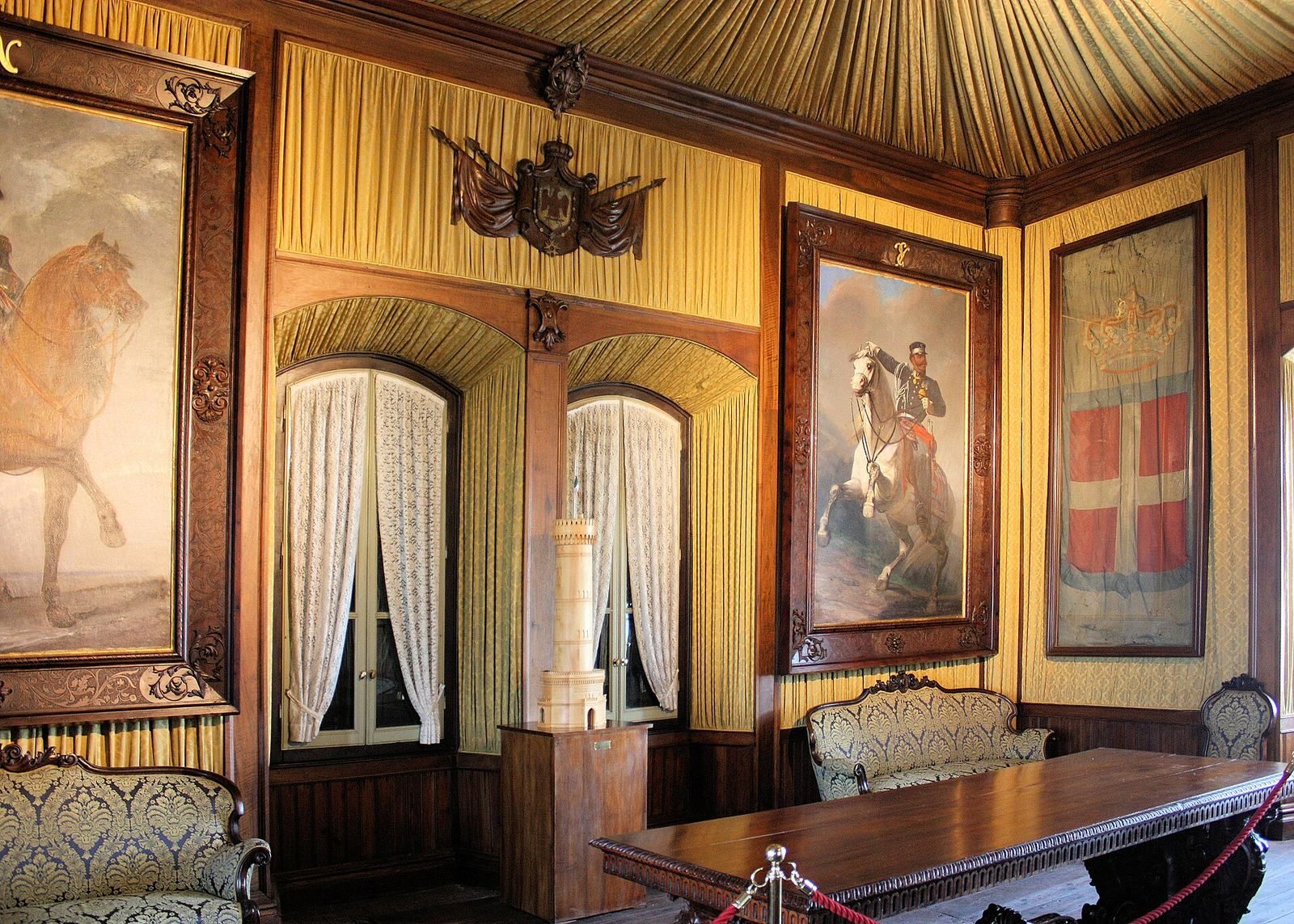
A wooden ramp leads through the tower to the upper terrace. Along the way, a collection covers the Rocca’s history and the Solferino mint, where coins were made during the Gonzaga period. The room before the panoramic terrace, known as the Hall of Sovereigns, contains paintings of Victor Emmanuel II and Napoleon III, the monarchs who commanded the French-Piedmontese army. The terrace looks out toward the nearby tower at San Martino della Battaglia, the countryside, and Lake Garda. An Italian flag flies at the summit.