Radłówka Castle: A Ruined Hilltop Castle in Poland
Site at a Glance
- Rating
- 4.1
- Popularity
- Very Low
- Country
- Poland
- Primary era
- Early Modern
- Eras represented
- Early Modern
- Civilizations
- Holy Roman Empire
- Site type
- Military
- Remains
- Castle
On this page6 sections
History
Ownership and construction
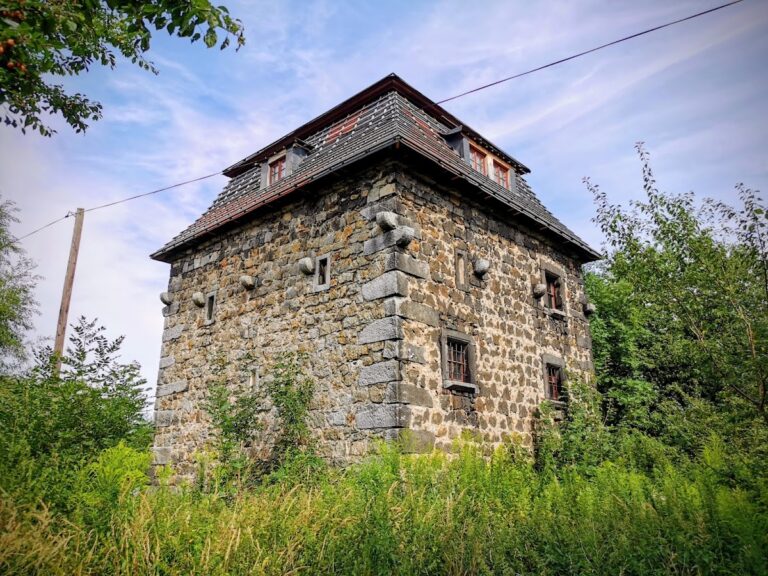
Radłówka Castle is a ruined hilltop castle in Poland, about 2 km west of Lwówek Śląski. Siegmund von Zedlitz, a Silesian nobleman and landowner, built it in the 1520s on the site of an earlier structure.
Radłówka was first recorded in the second decade of the thirteenth century, when the village belonged to the Lange family. Ownership later passed to the Raussendorf family, whose control is recorded in 1421, and then to the town council of Lwówek Śląski. In 1500, Siegmund von Zedlitz purchased Radłówka from the town and established the castle during the early sixteenth century.
War damage and abandonment
The castle was damaged during the Thirty Years’ War, a European conflict fought from 1618 to 1648 amid religious, dynastic, and political struggles. It continued to be inhabited until the middle of the eighteenth century. After it was abandoned, the building fell into its final ruin. The site is also known by the German names Hartelangenvorwerk and Hartelangvorwerk. Poland entered the ruins in its register of immovable monuments on 13 November 1961, under designation A/5478960.
Remains
Castle layout and defenses
The castle occupied a roughly square earth platform measuring about 40 m on each side. Its principal stone-built structure measured approximately 24 × 27 m. Residential wings, probably two storeys high, enclosed the courtyard on three sides, while the fourth side was closed by a wall containing the entrance gate. A double belt of moats, defensive ditches often paired with earthen ramparts, surrounded the platform. The moats were filled with mud and accompanied by an earthen rampart.
Ruin and later reuse
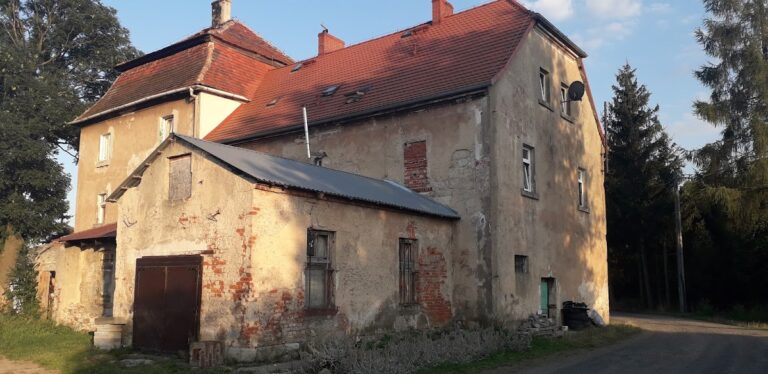
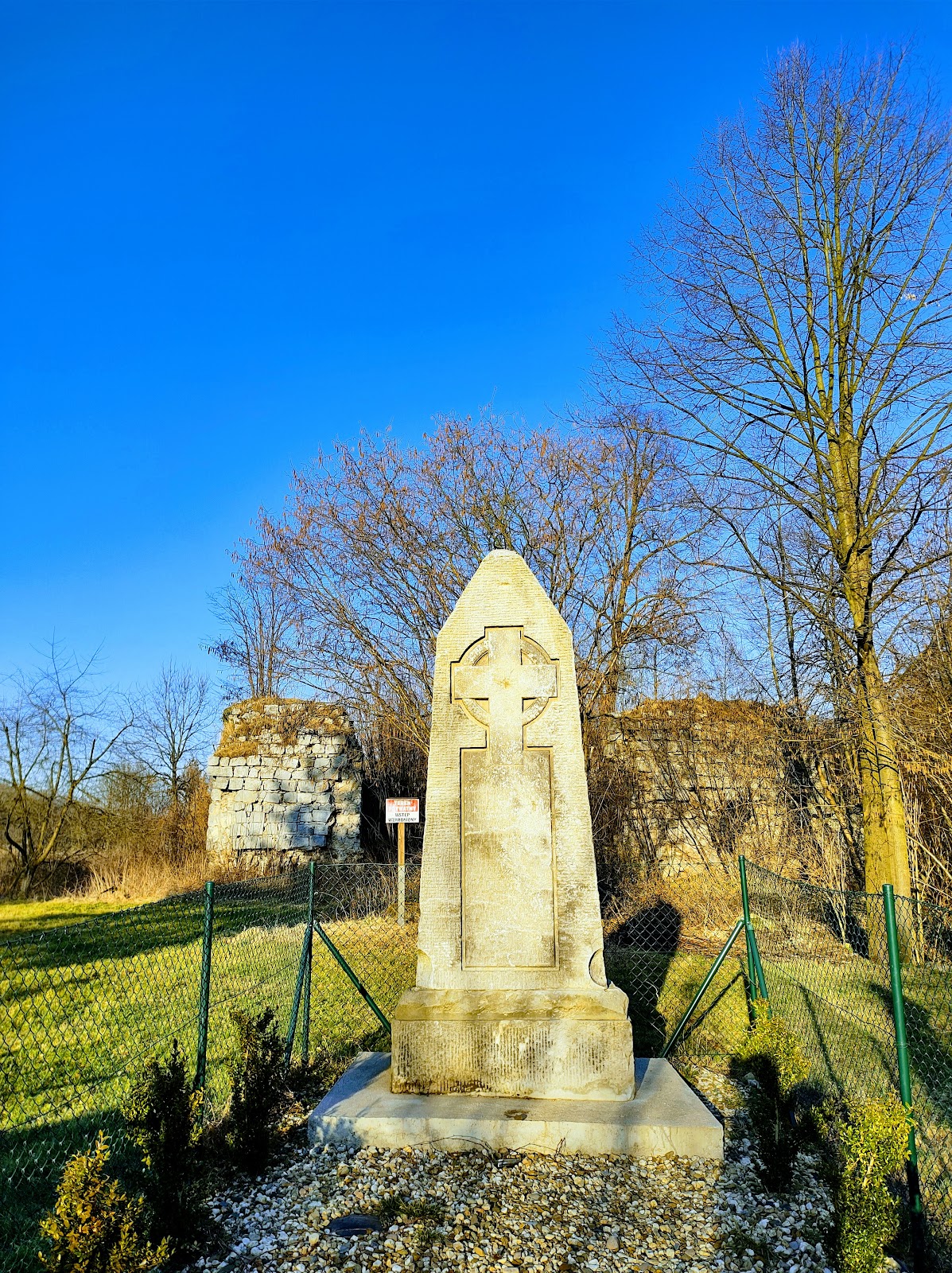
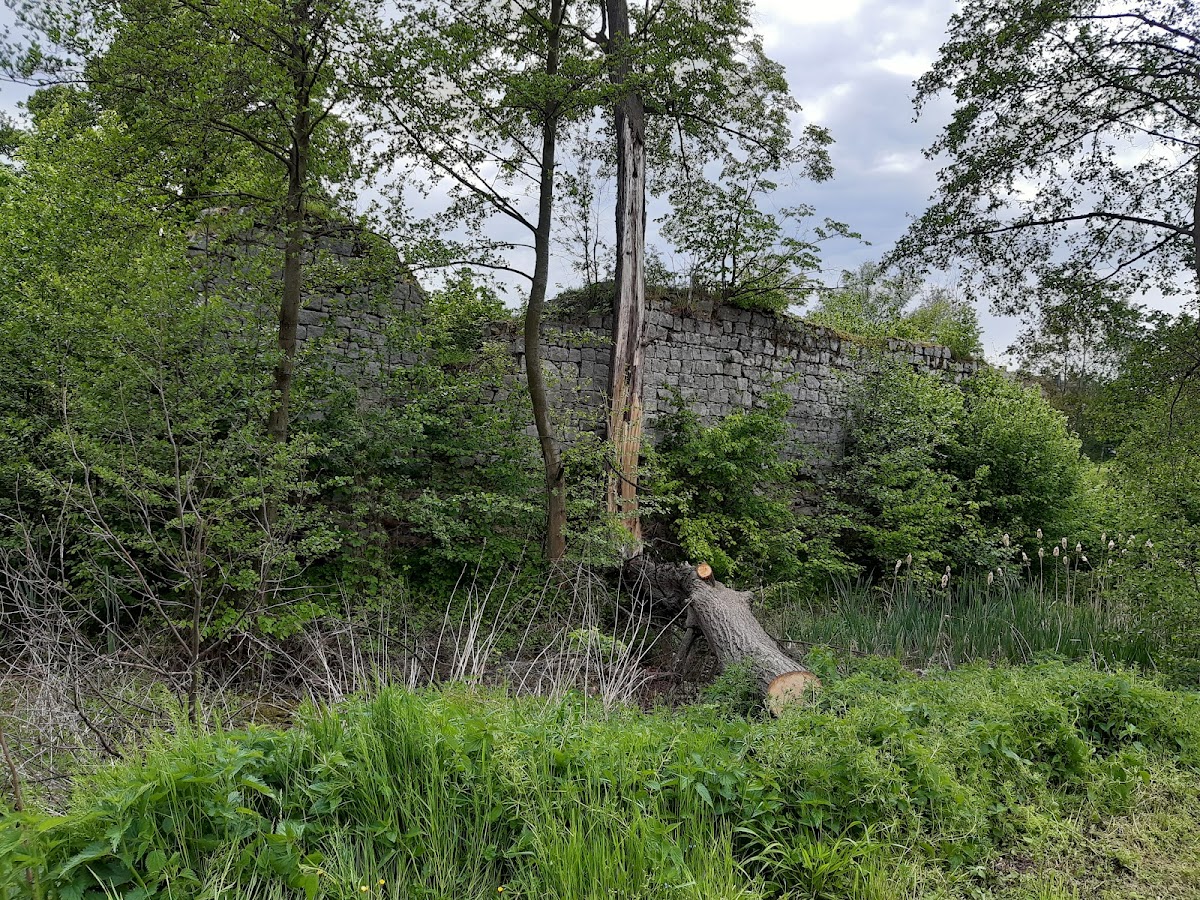
Radłówka Castle now survives as a ruin. Stone and other material from its dismantling were reused in nearby farm buildings. A large stone monument commemorating Germans who died in the First World War stands in the moat.