Puck’s Castle: A Sixteenth-Century Fortified Tower in Ireland
Site at a Glance
- Popularity
- Medium
- Country
- Ireland
- Primary era
- Early Modern
- Eras represented
- Early Modern
- Civilizations
- Norman
- Site type
- Military
- Remains
- Castle
On this page5 sections
History
Sixteenth-century construction
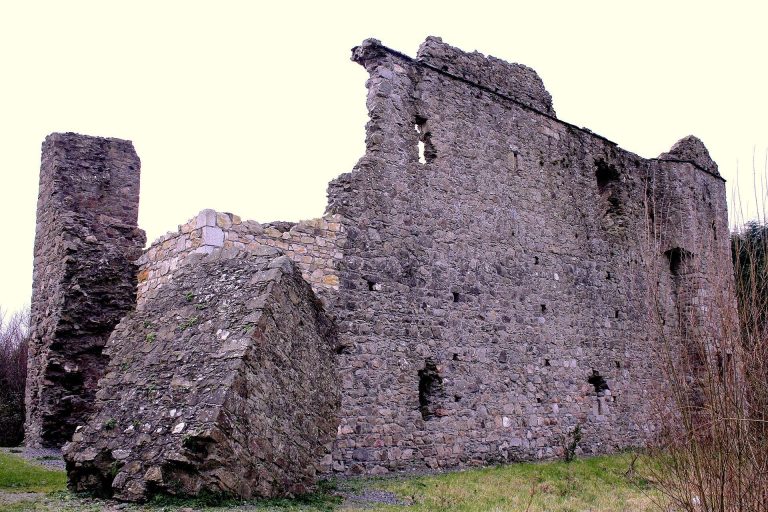
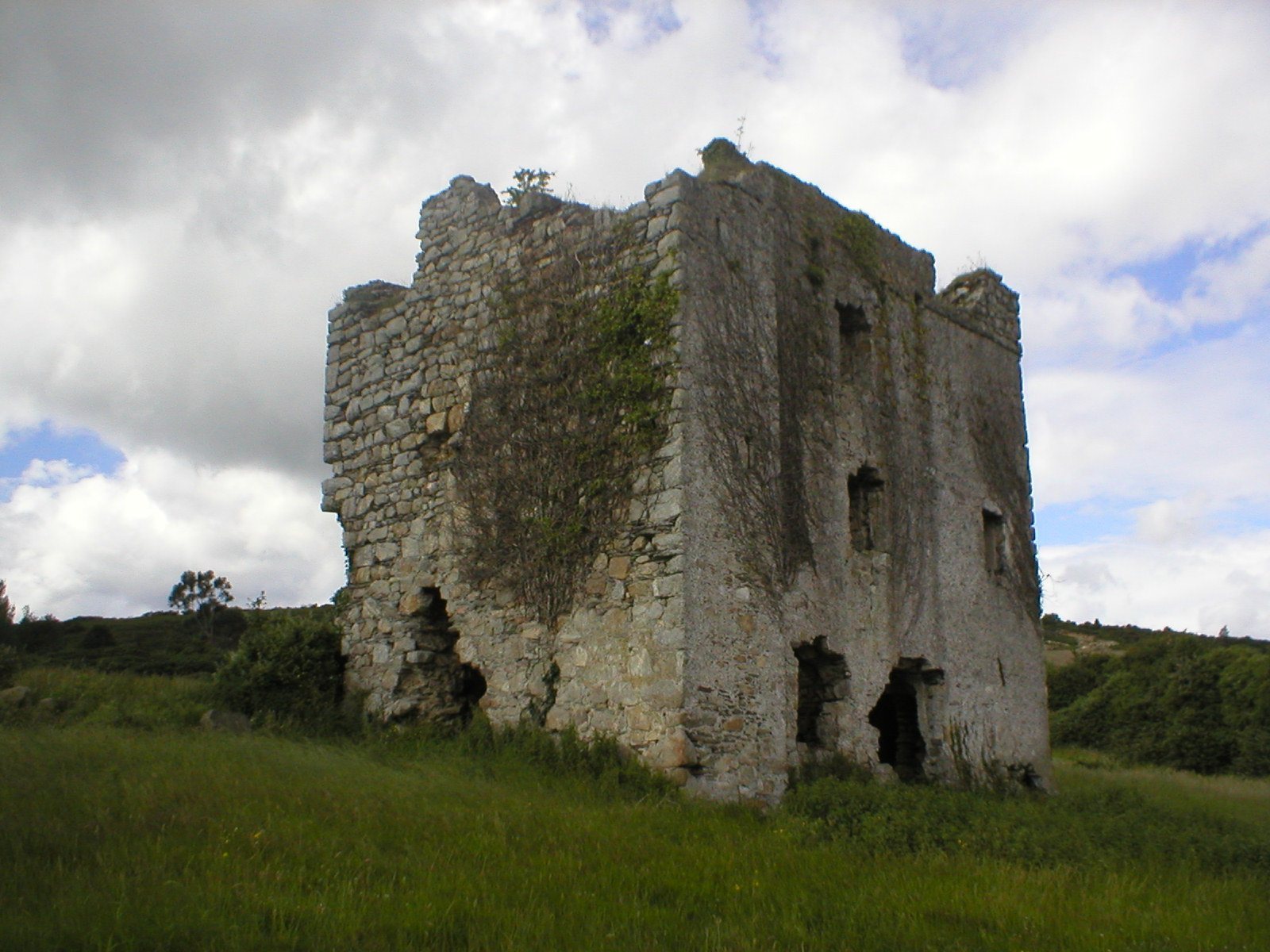
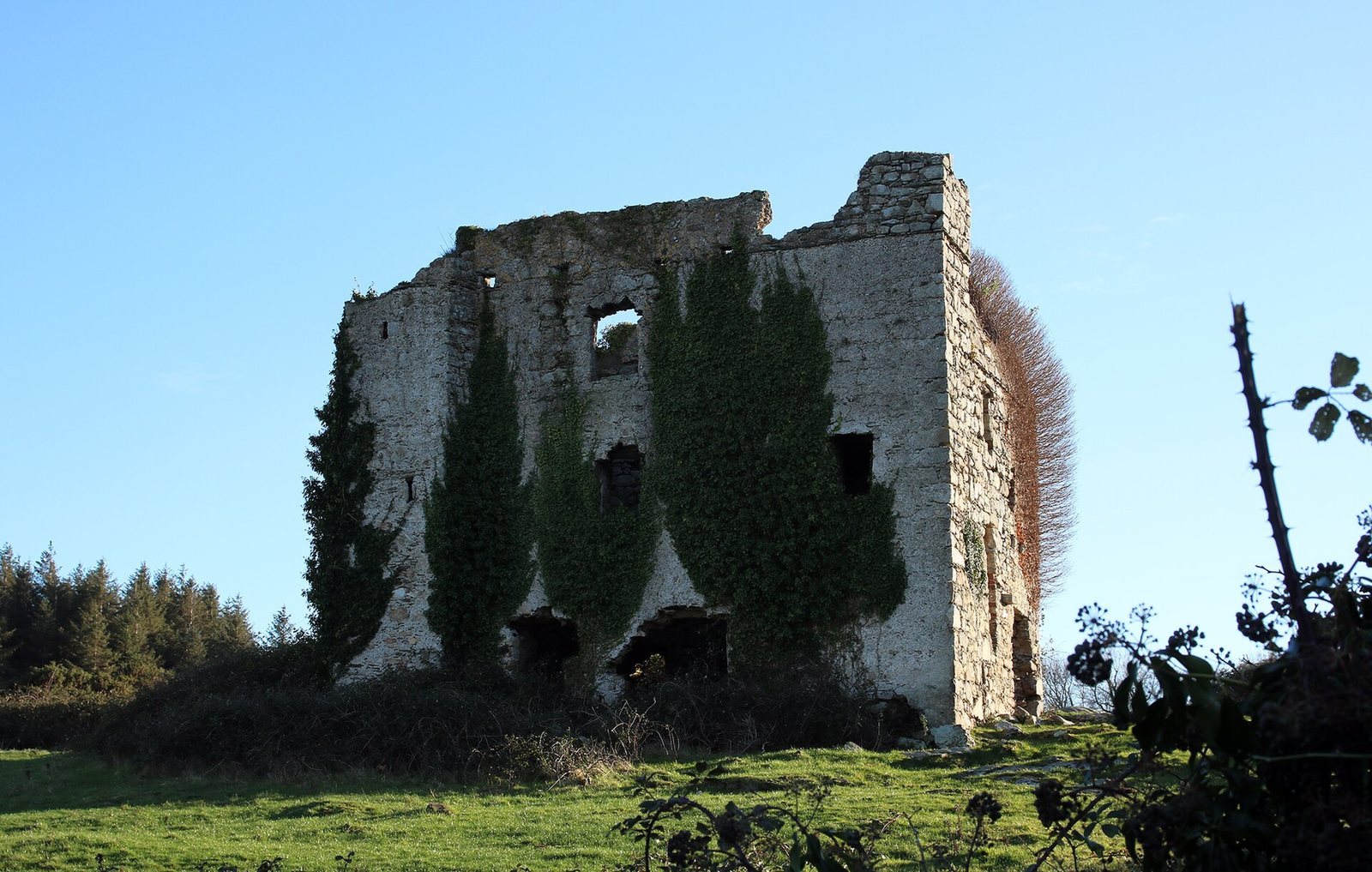
Puck’s Castle is a ruined fortified tower in Rathmichael, County Dublin, Ireland. Built around 1537, with its construction attributed to Peter Talbot, it formed part of the Pale’s defenses. The Pale was the English-ruled area centered on Dublin in medieval and early modern Ireland. The castle was intended to help protect this territory from incursions by Irish clans, including the O’Tooles, a Gaelic Irish clan based chiefly in what is now County Wicklow.
Later history
After James II’s defeat at the Battle of the Boyne in 1690, the castle is said to have sheltered him and members of his retreating army. James, the Stuart king seeking to regain the English and Irish crowns in the conflict known as the Williamite or Jacobite War in Ireland, later fled to France.
In June 1867, Jane Eleanor Sherrard, the daughter of a local Englishman, disappeared near the castle while picking flowers. A local postman was the last person known to see her. A police search did not find her, and her fate remains unknown.
Local traditions
The Irish name Caisleán an Phúca refers to the púca, a spirit or ghost in Irish and Celtic folklore. Local legend casts the púca as the castle’s true owner, guarding its entrance behind invisible gates that can be passed only with a secret sign. The spirit is said to carry people to mysterious realms or bogs, or to give them objects that bring misfortune. Another tradition holds that the castle was built with stones from Bearna Dhearg, an ancient pagan sanctuary.
Remains
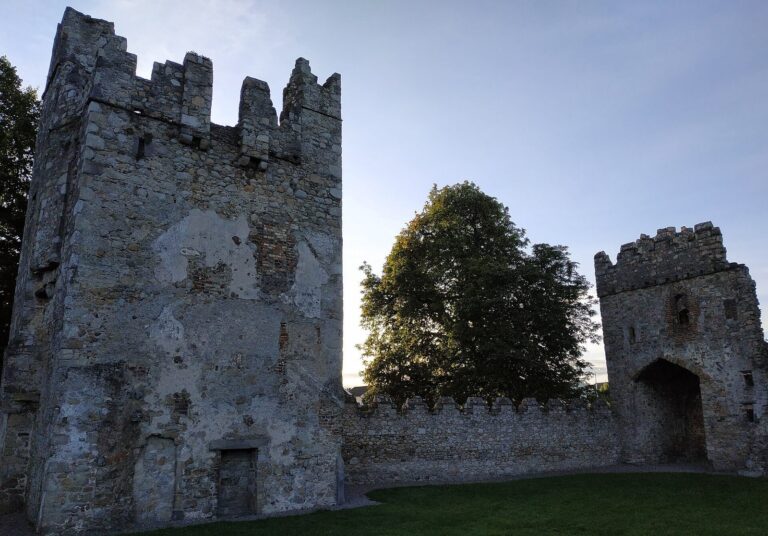
The remains center on a three-storey fortified tower, with a stone stairwell and fireplace surviving inside. The tower measures about 10 metres long and 7 metres wide. Its northwest corner reaches 9 metres in height, and its elevation is given as 134 metres.
The entrance is in the west wall. Within the tower, the remains of a stone stairwell lead to the first floor, and evidence of a fireplace survives. The tower, stairs, and fireplace are in a severely deteriorated condition, which continues to worsen. A fortified manor and estate once stood near the castle.