Ptghnavank: An Early Armenian Domed-Hall Church
Site at a Glance
- Rating
- 4.8
- Popularity
- Medium
- Country
- Armenia
- Primary era
- Medieval
- Eras represented
- Medieval
- Civilizations
- Armenian
- Site type
- Religious
- Remains
- Church
On this page4 sections
History
Ptghnavank is an Armenian Apostolic church in the village of Ptghni, Kotayk Province, Armenia. Built in the late sixth or early seventh century, it is considered one of the earliest and finest examples of the domed-hall church type. The church belongs to the Kotayk Diocese, a church district overseen by a bishop.
Restoration work took place at the church in 1940.
Remains
Ptghnavank was built as a single-nave domed hall, with one principal lengthwise space beneath a dome. The church measures 15.7 metres wide and 30.4 metres long; its prayer hall measures 10.3 by 23.8 metres.
Surviving structure
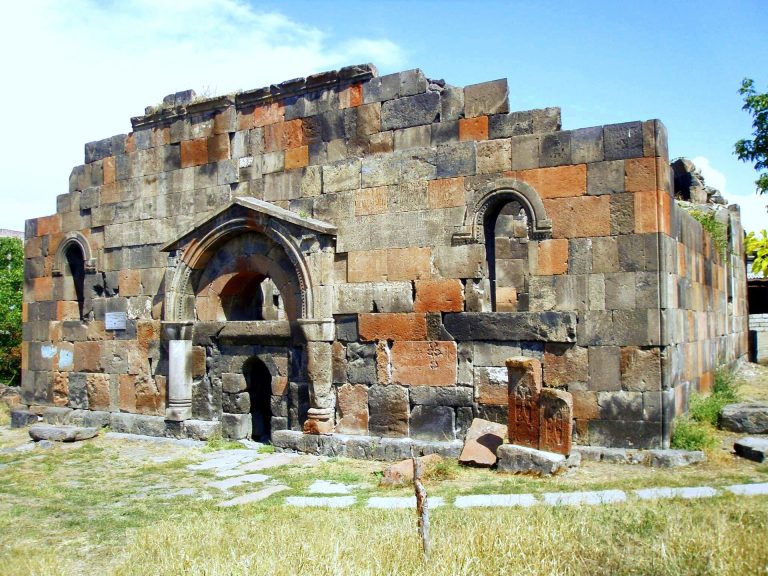
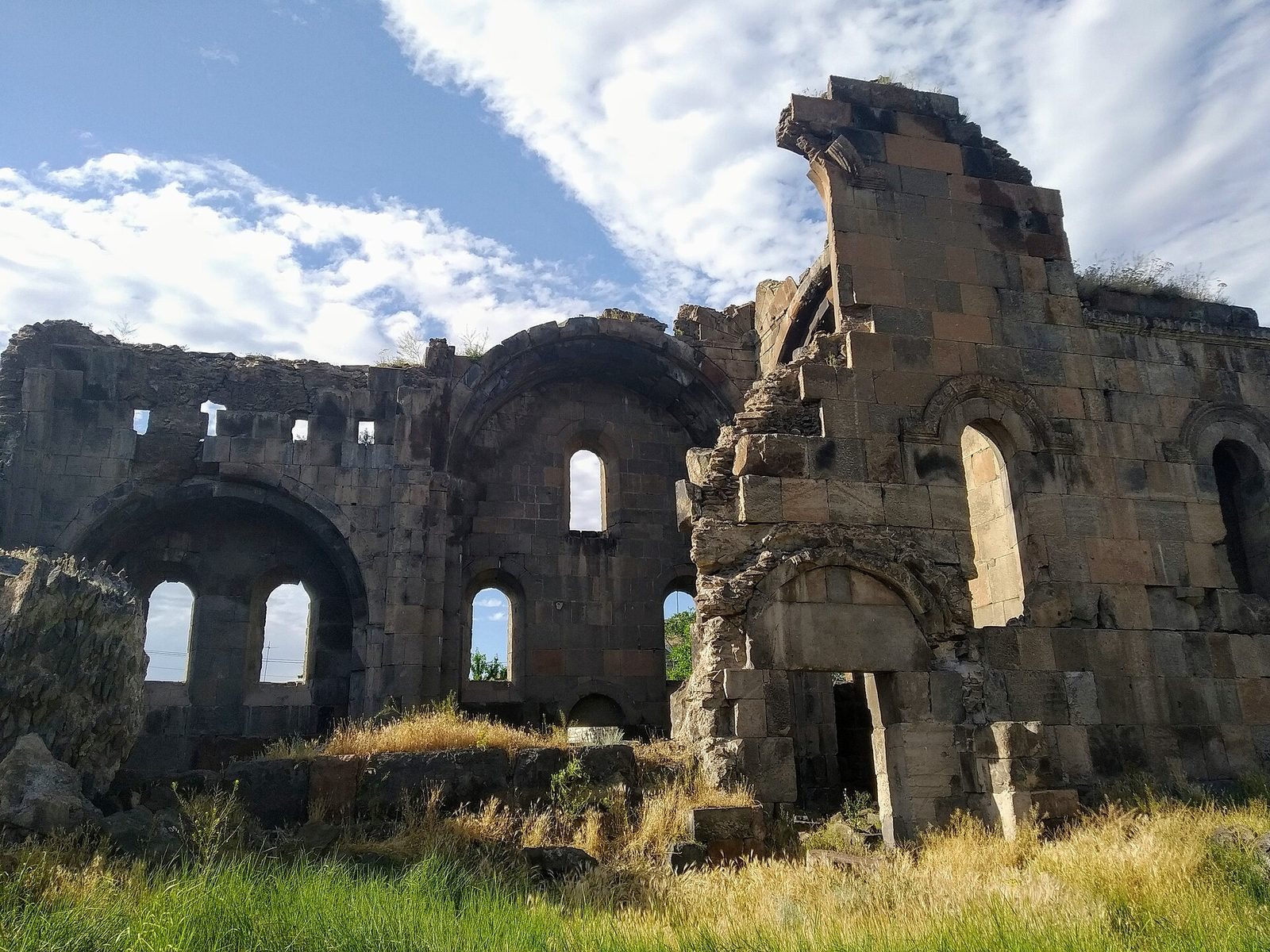
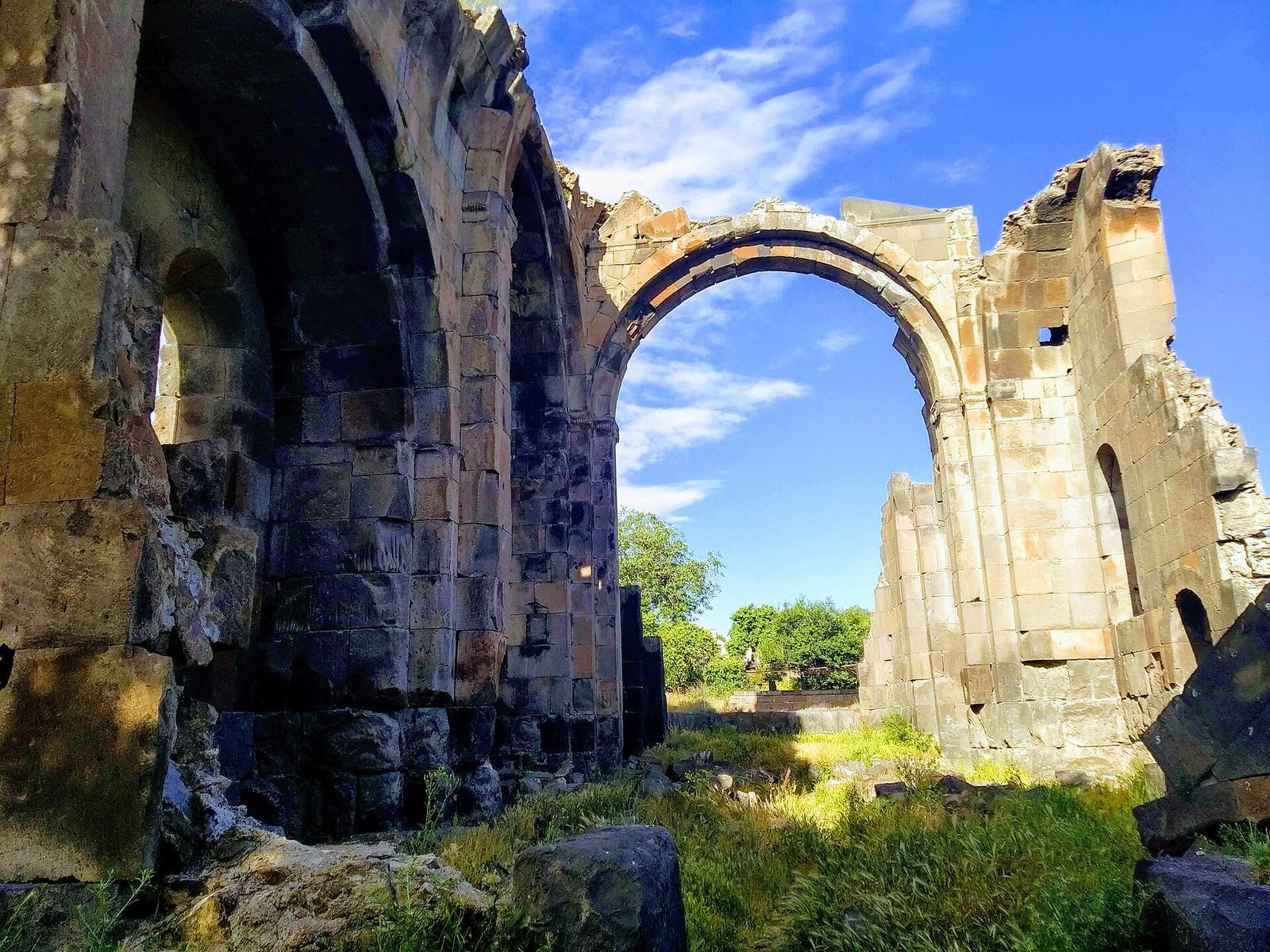
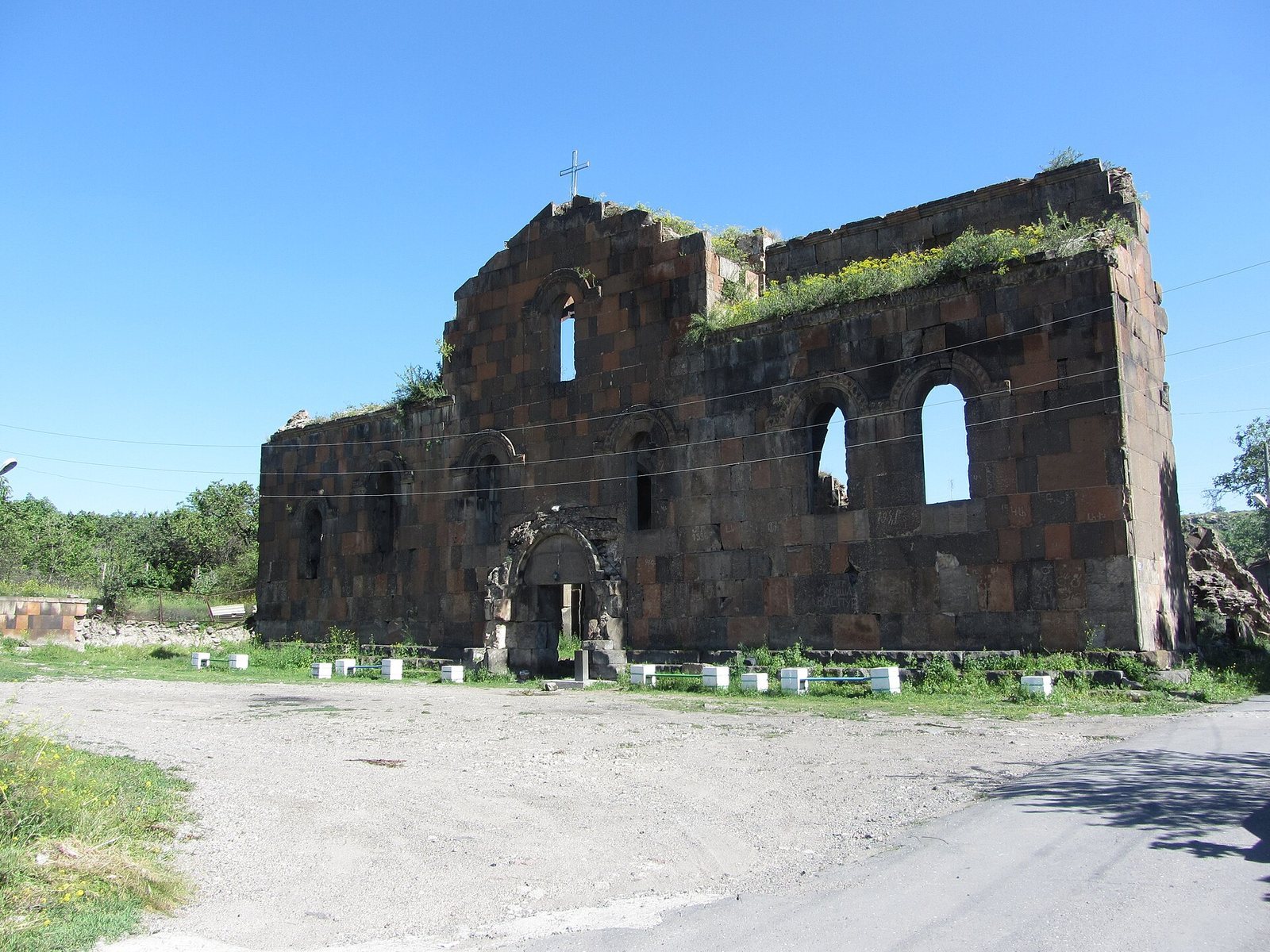
The north façade is fully preserved. Other surviving parts include the north wall, the eastern section of the south wall, the eastern arch that supported the dome, and traces of the vaulting. The dome, its supporting drum, and the ceiling vaults have collapsed.
Façade and reliefs
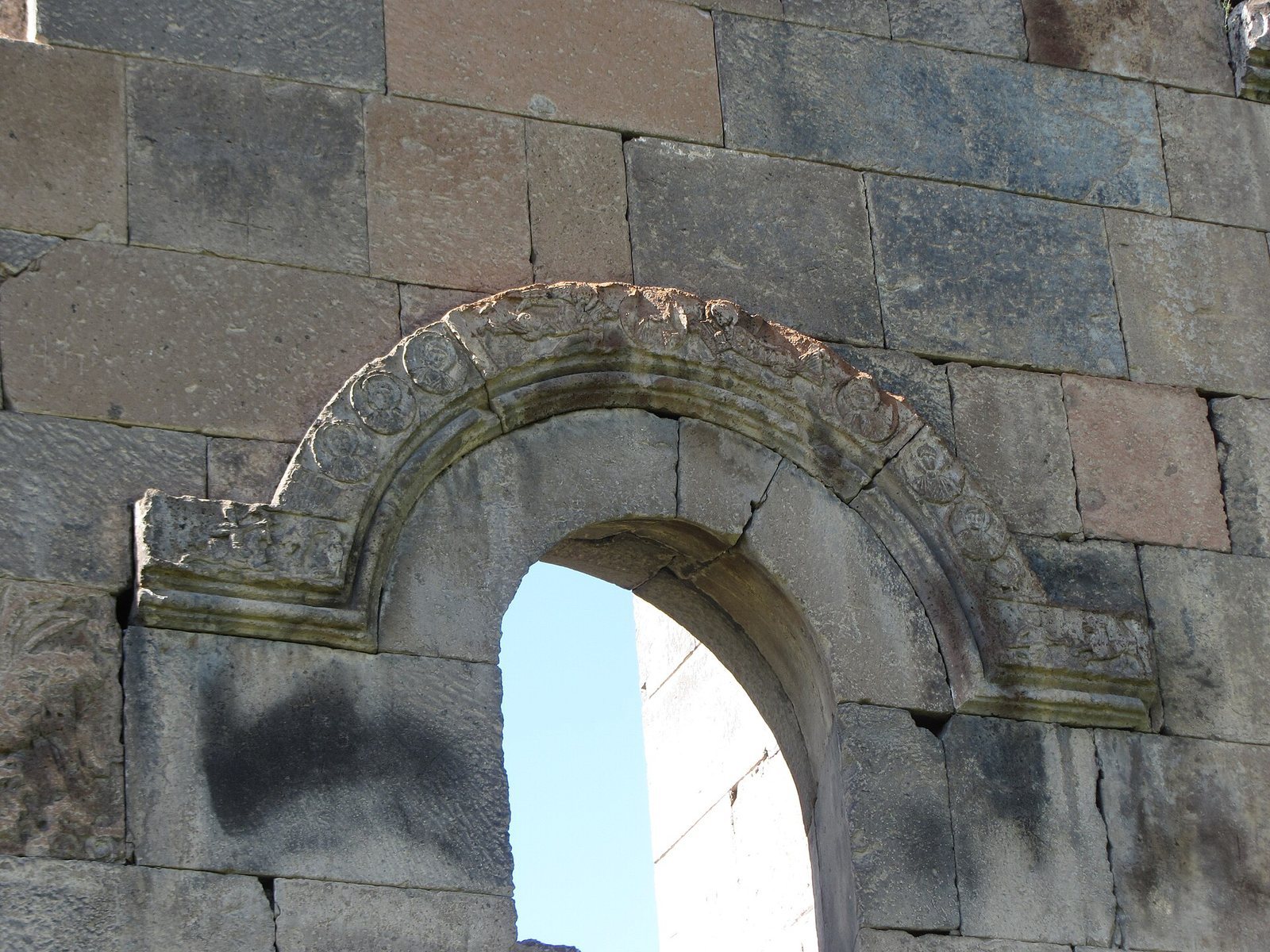
An arched main entrance sits near the lower centre of the north façade beneath a pitched roof. Six matching arched windows are arranged above it, with three on each side. Around a surviving south-façade window, reliefs depict the Virgin Mary, Christ, and the apostles.
Other carvings show geometric and plant patterns, along with human, animal, and bird figures. A secular relief depicts a mounted archer shooting a wounded animal; an inscription names the rider as Manuel Amatuni. Nearby, a man fights a lion with a spear. The figure probably represents Manuel’s son, Sahak Amatuni. The Amatunis were an Armenian noble family.