Presles Castle: A Rebuilt Estate in Belgium


Site at a Glance
- Rating
- 4.5
- Popularity
- Very Low
- Country
- Belgium
- Primary era
- Medieval
- External website
- Open
- Eras represented
- Medieval
- Civilizations
- Holy Roman Empire
- Site type
- Domestic
- Remains
- Castle
On this page4 sections
History
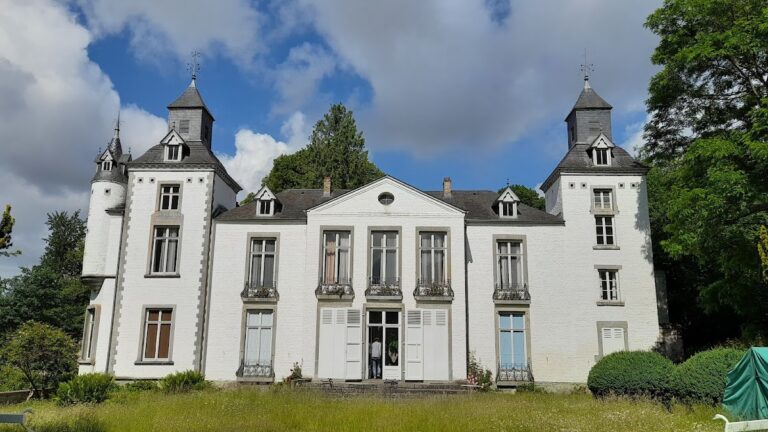
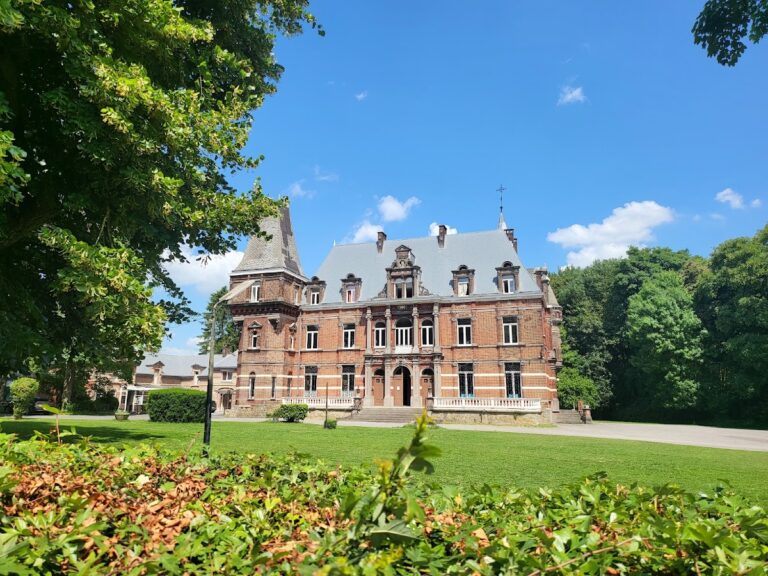
Presles Castle is a historic castle in Belgium, in the village of Presles, now part of the municipality of Aiseau-Presles. The present building reflects a reconstruction carried out in 1851, followed by interior decoration in 1859–1860.
Medieval feudal succession
The land of Presles passed through several noble families, including Rumigny, Haneffe, and Enghien-Havré. On 30 July 1361, Thierry, Lord of Seraing and a knight, formally received the land through succession from his brother Wautier de Seraing. The feudal relief, the formal act acknowledging possession of an inherited or transferred fief, described the estate as holding high justice, cens, rents, and appurtenances. High justice gave its holder authority over the highest level of local judicial matters, while cens and rents were dues or income connected with the estate.
On 31 March 1382, Gérard d’Enghien, castellan of Mons and lord of Havré and Seraing, received Presles through his wife, Jeanne de Seraing, Thierry’s daughter. On 25 December 1392, the land passed formally to Gérard d’Enghien-Havré, known as “the Bearded,” who was the son of the preceding Gérard and lord of Havré and Presles.
On 28 November 1430, Jean, the recognized illegitimate son of Gérard d’Enghien-Havré, received Presles through a donation from his father. At that time, the estate included land, meadows, woods, waterways, and forges, presenting a broad combination of agricultural, natural, and productive resources.
Later ownership and nineteenth-century rebuilding
In 1625, Herman de Lierneux purchased the castle. It later passed by inheritance to the d’Oultremont family, which remains its owner. The family rebuilt the castle in 1851, with the work carried out by the architect Alphonse Balat. A further phase of interior embellishment followed when the family commissioned the painter François Stroobant to create frescoes in 1859–1860.
Remains
The surviving castle is chiefly shaped by the 1851 reconstruction. Its interior includes frescoes painted by François Stroobant during the decoration campaign of 1859–1860. These interiors form part of the building’s nineteenth-century appearance, while the castle’s continued ownership by the d’Oultremont family connects the present estate with its later history.