Prandau-Normann Castle: A Medieval Fortress and Baroque-Gothic Palace in Croatia
Site at a Glance
- Popularity
- Medium
- Country
- Croatia
- Primary era
- Early Modern
- Eras represented
- Medieval, Early Modern
- Civilizations
- Habsburg, Habsburg Austria, Hungarian
- Site type
- Military
- Remains
- Castle
On this page10 sections
History
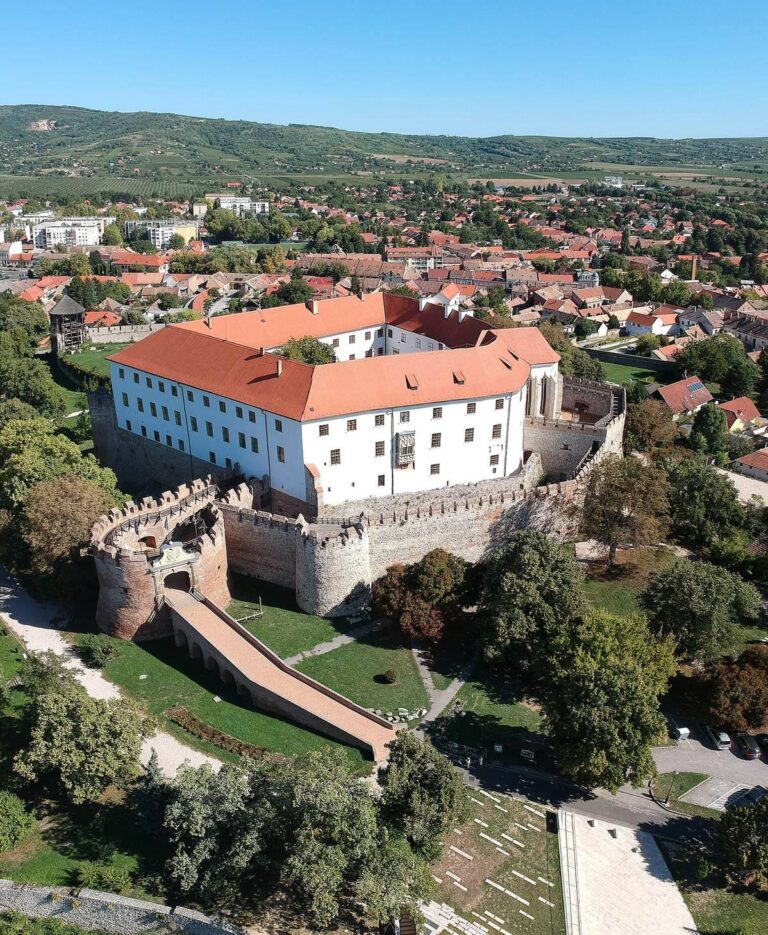
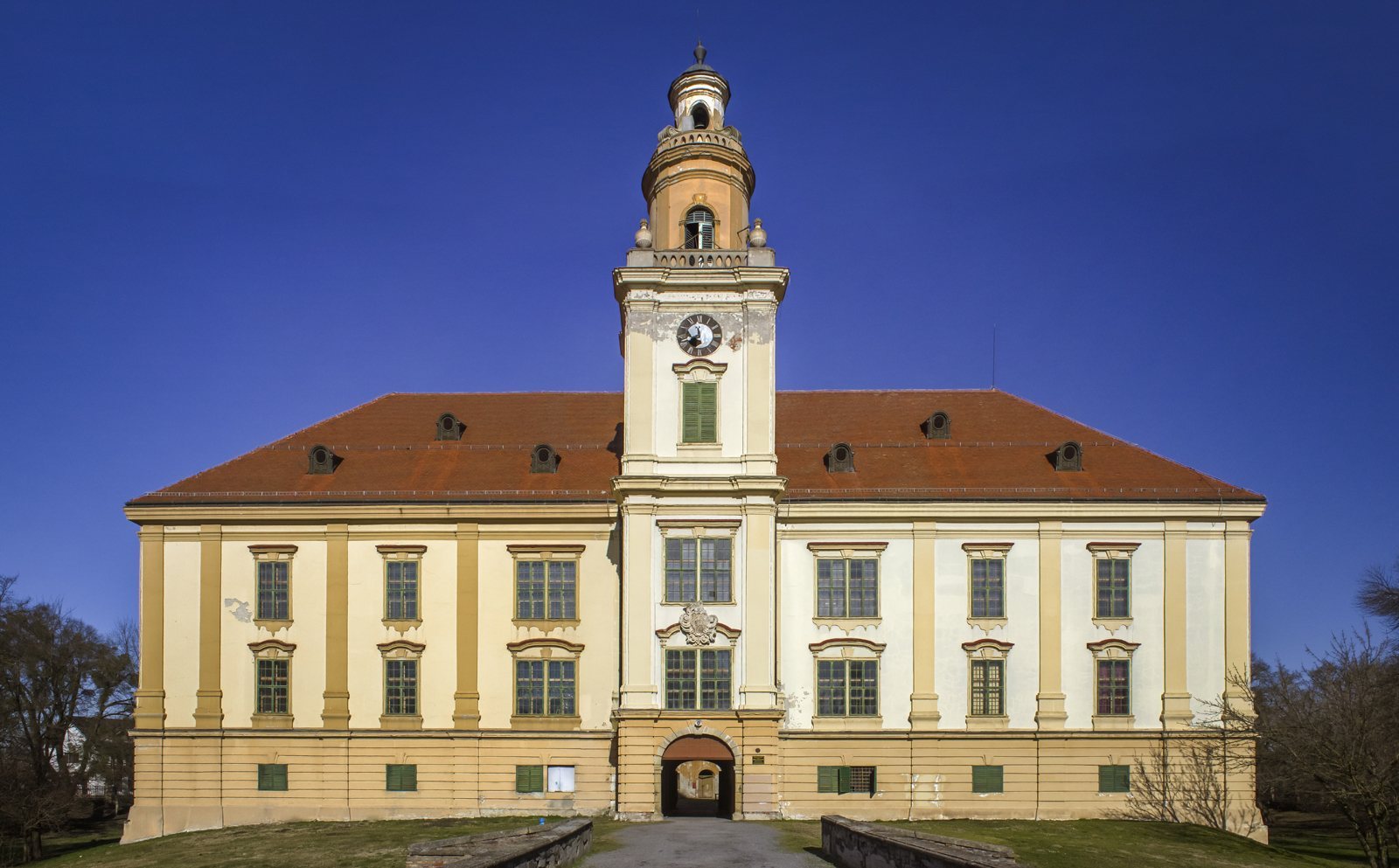
Prandau-Normann Castle, also known as Valpovo Castle, is a historic fortress and palace in Valpovo, Croatia. Ban Ivan Morović, a high-ranking governor in Croatian lands, built its medieval predecessor in the early fifteenth century as a water castle, a fortified residence defended by water. Known as WALPO, the complex retained its fortress character and was never wholly transformed into a castle. Its present form took shape through reconstruction and additions in the first half of the eighteenth century, combining Baroque forms, known for their elaborate and dramatic character, with Gothic architecture, often marked by pointed arches and vertical emphasis.
Prandau and Normann families
After acquiring the manor in 1721, Baron Antun Petar Hilleprand von Prandau began renovating the fortress. Three generations of the Prandau family held the property. In 1885, it passed through marriage to the Normann von Ehrenfels family.
Nationalization and museum use
The castle was nationalized in 1945. Since 1954, it has housed the Museum of the Valpovo Region.
Remains
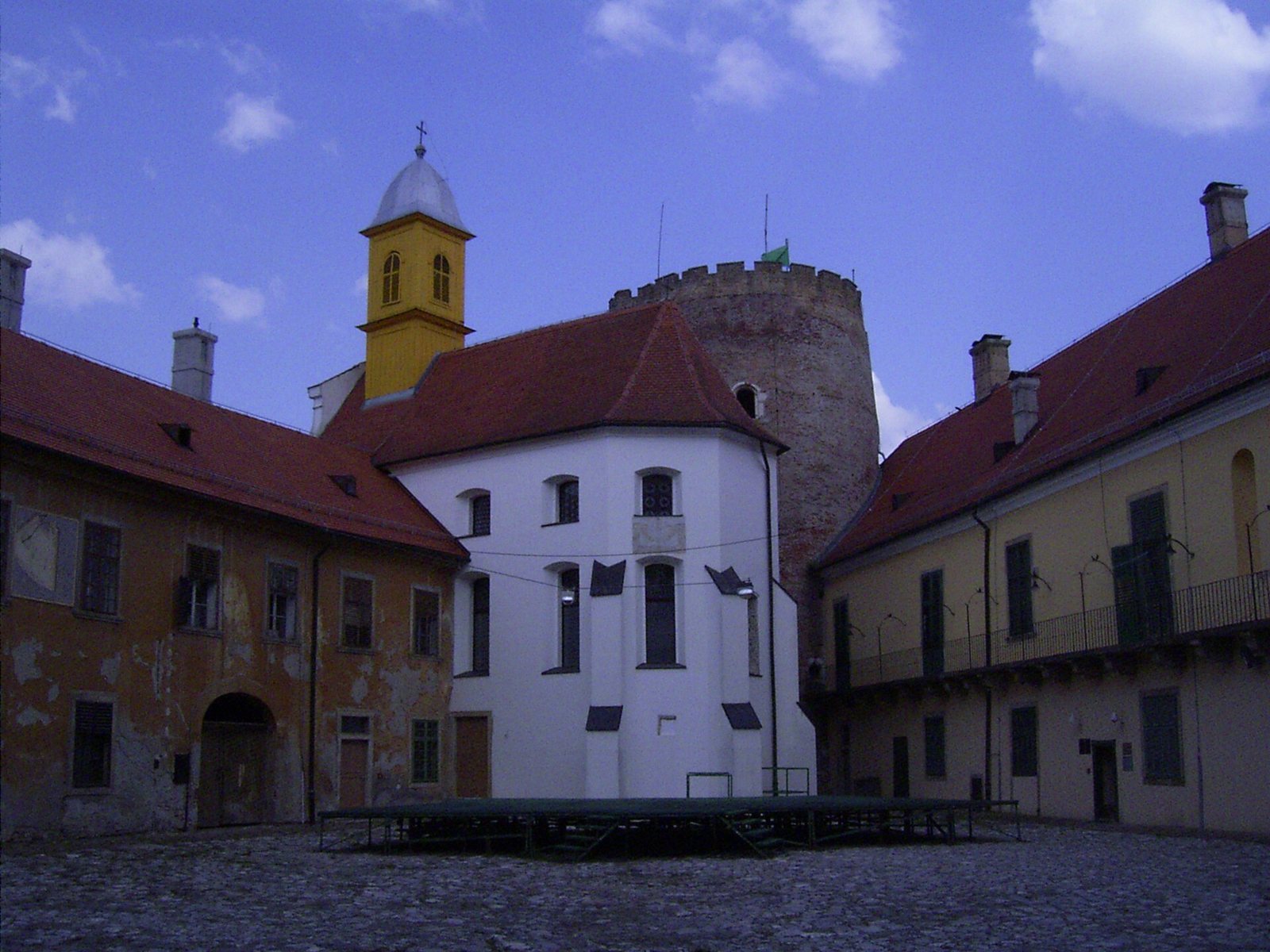
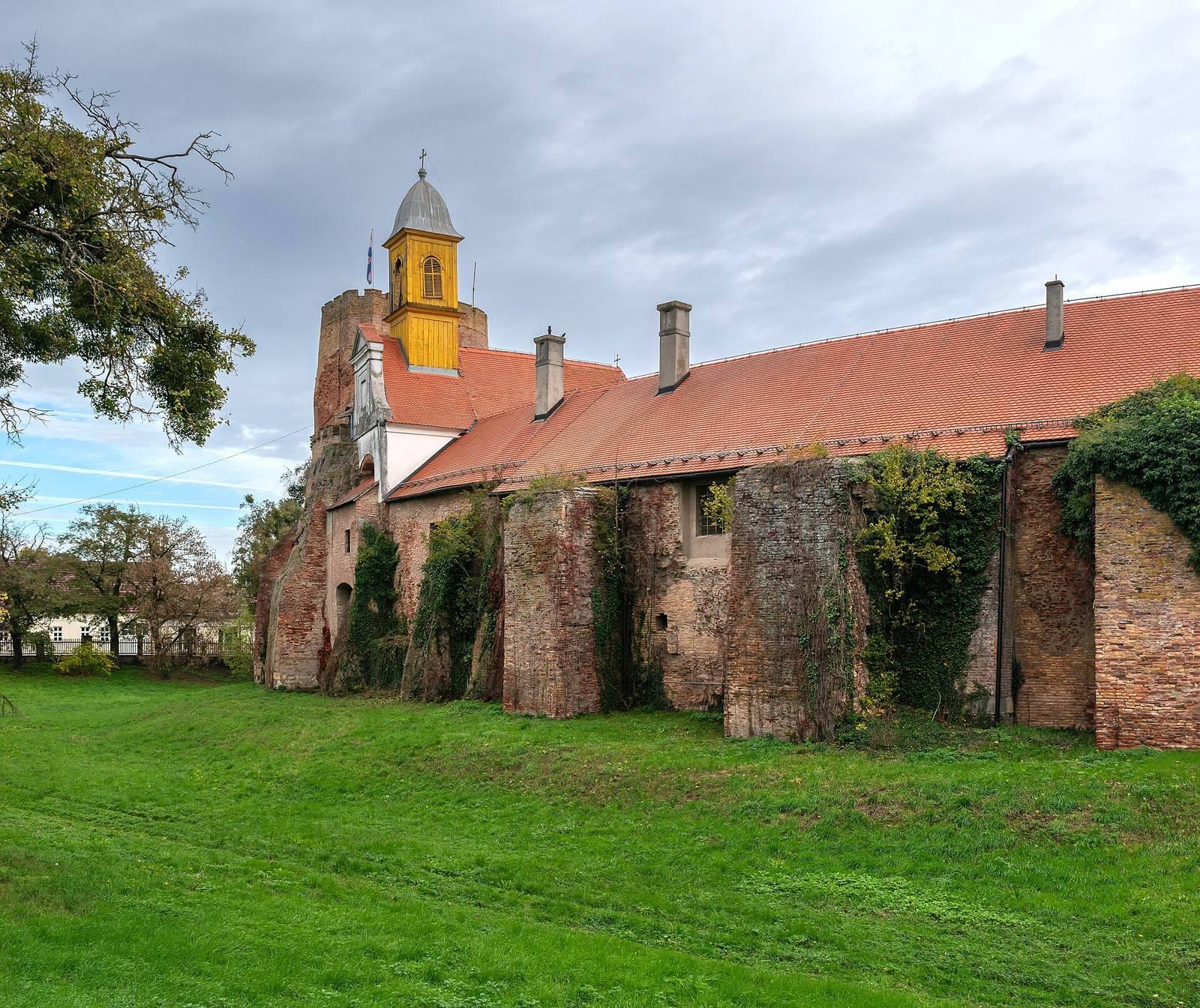
The complex preserves the medieval fortress alongside later palace structures. Its principal buildings include the main palace, medieval tower, Holy Trinity Chapel, and side wings, with an inner courtyard forming part of the ensemble.
Principal buildings
Palace and tower
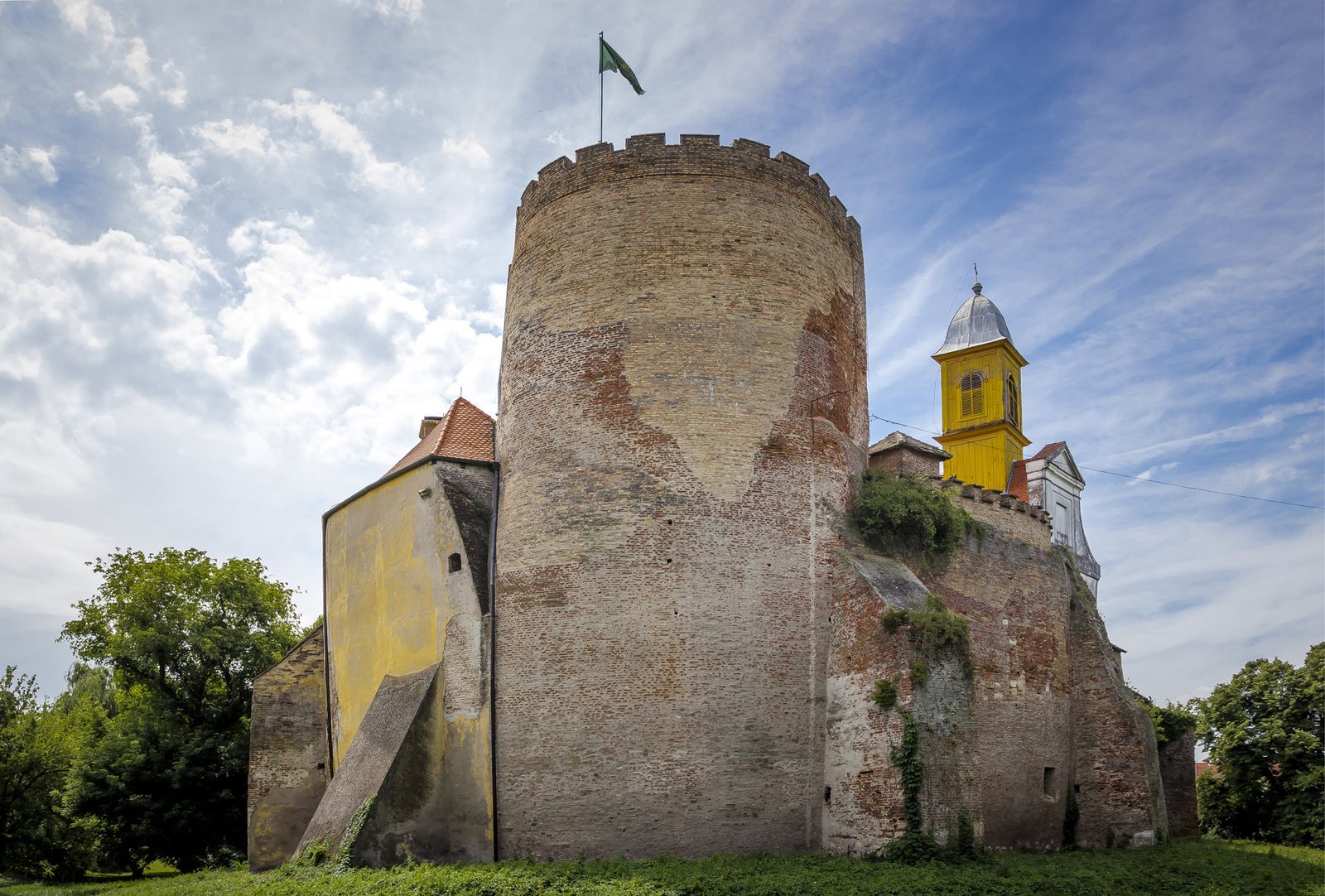
The southern wing developed into a monumental palace, accompanied by a 37-metre tower. The tower’s interior retains its medieval character, and a lookout at the top provides views over Valpovo and the surrounding area. Around 1885, the castle had 62 rooms and a stated total area of 431 square metres, including the courtyard.
Holy Trinity Chapel
A new chapel dedicated to the Holy Trinity, the Christian doctrine of God as Father, Son, and Holy Spirit, was built over the remains of a Gothic chapel. A historical organ is associated with the chapel.
Courtyard and grounds
Courtyard, moat, and gardens
The complex includes an inner courtyard and a moat, with gardens beside the castle.
Associated buildings and grounds
Auxiliary buildings and a theater building form part of the wider complex. Forest hunting grounds are also associated with the castle.