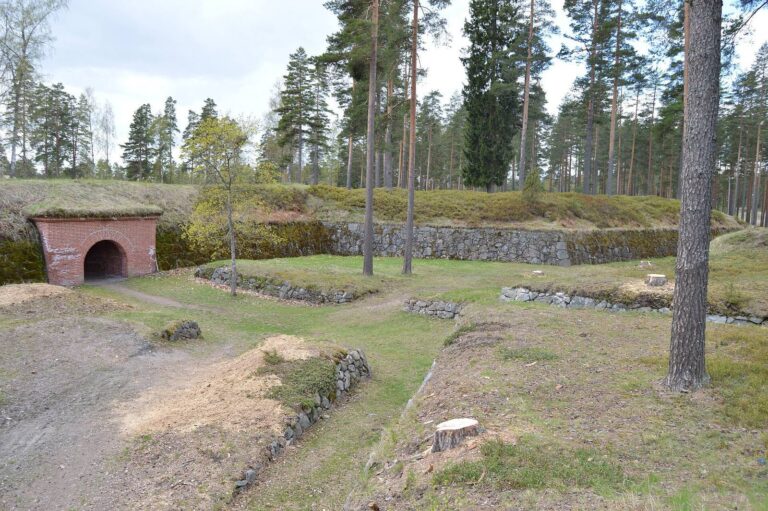
Pontus Excavation: An Unfinished Canal in Finland
Site at a Glance
- Rating
- 3.6
- Popularity
- Low
- Country
- Finland
- Primary era
- Early Modern
- Eras represented
- Early Modern
- Civilizations
- Swedish
- Site type
- Infrastructure
- Remains
- Canal
On this page7 sections
History
The Pontus excavation is an unfinished canal near Lappeenranta, Finland, begun in 1607 to connect Lake Saimaa with Suomenvedenpohja, the innermost part of Vyborg Bay. Ordered by Swedish King Charles IX, the project was intended to open a water route from the lake toward the Baltic Sea.
Earlier waterway plans
An earlier attempt to create a route from Lake Saimaa through the Juustilanjoki River toward the Gulf of Finland began in the early sixteenth century. Eerik Tuurenpoika Bielke, appointed commander of Olavinlinna in 1499, sought to address the transport challenge. Work on that excavation stopped in part because of rocky ground. It lay south of the later Pontus channel, on the site of the present Saimaa Canal, and was buried during the canal’s construction.
The 1607 excavation
Work on the Pontus excavation started in summer 1607 under Admiral Pentti Severinpoika Juusten, a senior naval officer. Juusten’s death interrupted the project, which is dated to 1607–1608. It became known locally by the name of Pontus De la Gardie, a French-born commander in Swedish service who was not involved in its construction. An early name, Uusikaivanto, means “new excavation.”
Limited funds and the engineering capabilities of the period prevented completion. Lake Saimaa lies nearly 76 metres above the Baltic, so a navigable canal would have required a complex sequence of locks, chambers that raise or lower boats between water levels. Without them, the channel could have become a fast-flowing river with dangerous rapids. There were also concerns that such a waterway might drain much of the Saimaa lake system and cause severe ecological harm.
Later canal and civil war
Construction of the Saimaa Canal in 1845–1856, near Mälkiä lock, continued the broader effort to link Lake Saimaa with the sea. During the Finnish Civil War, the 1918 armed conflict between the Reds and Whites in Finland, Jooseppi Musto was executed at the excavation. His grave remains at the site.
Remains
The channel
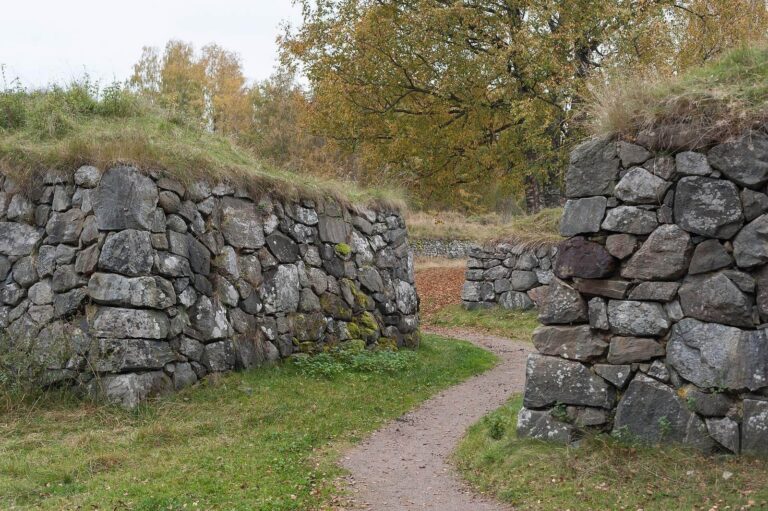
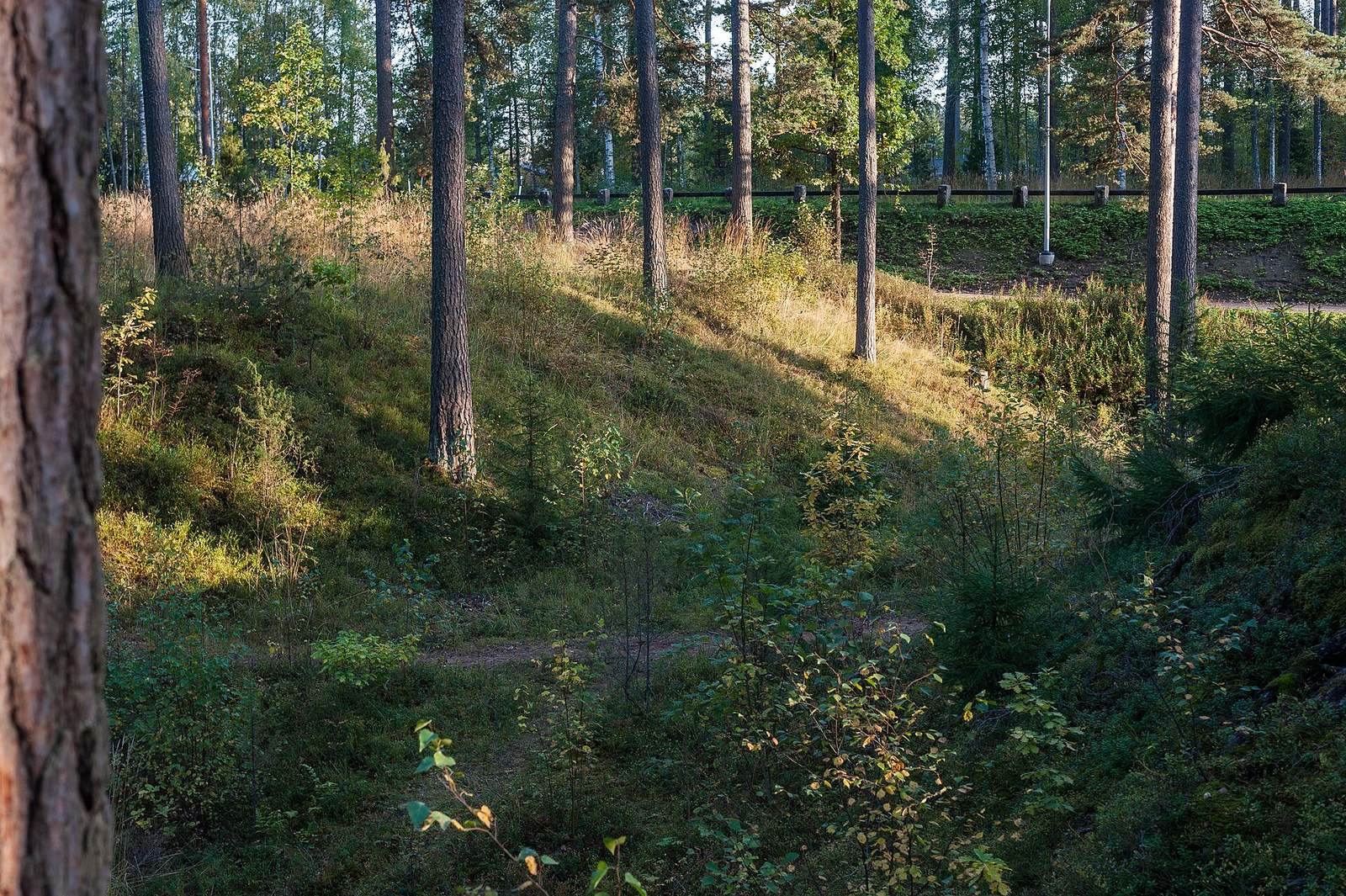
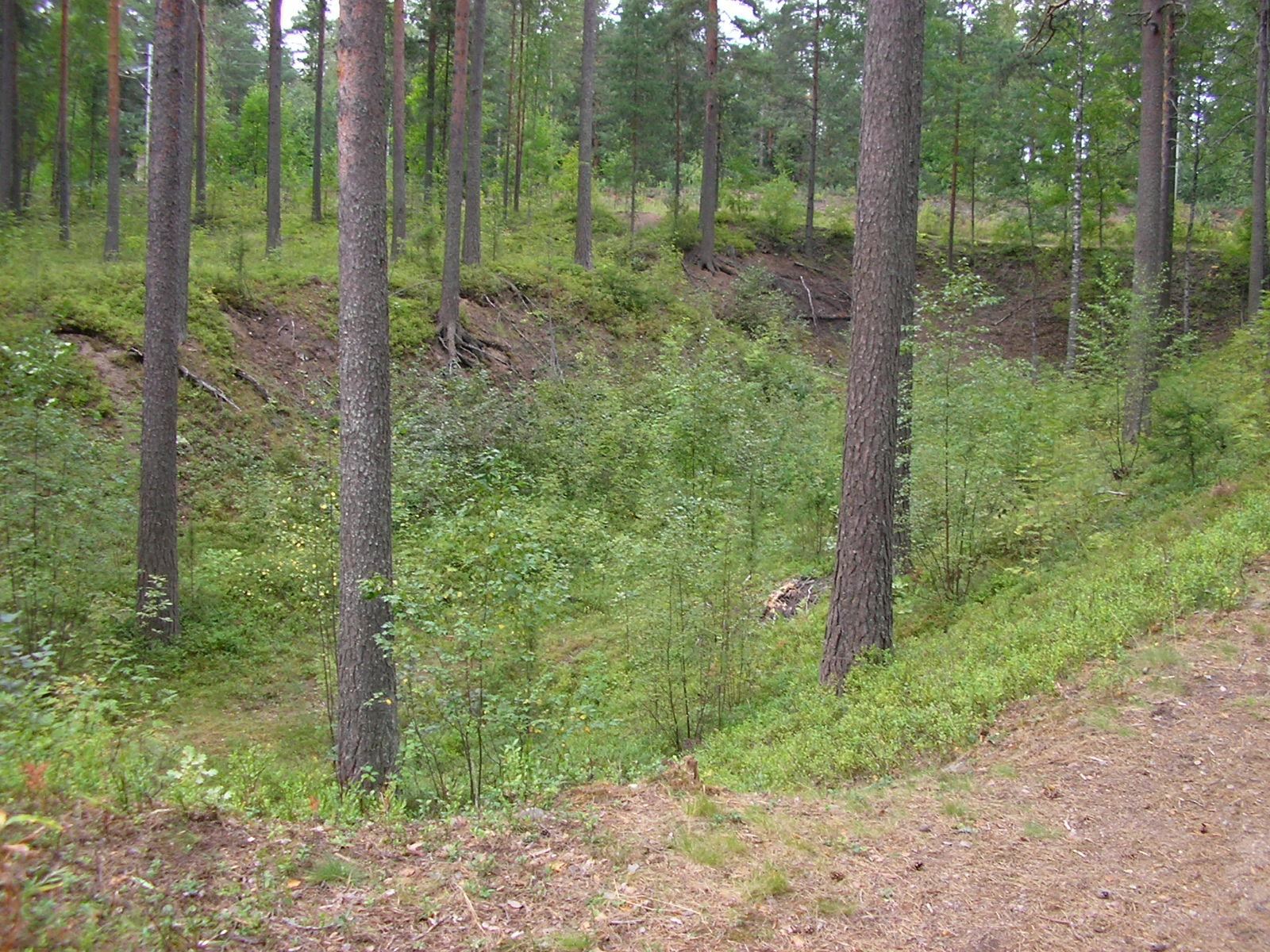
The excavation is an earth-cut channel about half a kilometre long, lying in Lappeenranta’s Mälkiä and Laihia districts. It runs partly between a railway and Muukontie, the old road to Joutseno. The channel is 10–20 metres wide and reaches about 25 metres at its upper end beside the road. Measurements from a 2008 archaeological investigation give a depth of 1–9 metres; another profile records 4–5 metres at the upper end and 7–8 metres at the southern end. About 100 metres from the road, the bed at the southern end merges into a glacial ravine. Sections of the excavation remain visible in Lauritsala.
Memorial and grave
A memorial to the canal and Jooseppi Musto’s grave are located at the excavation.