Whitefield’s Tabernacle, Kingswood: A Congregation and Its Successive Churches
Site at a Glance
- Rating
- 5
- Popularity
- Very Low
- Country
- United Kingdom
- Primary era
- Modern
- Eras represented
- Early Modern, Modern
- Civilizations
- British
- Site type
- Religious
- Remains
- Church
On this page9 sections
History
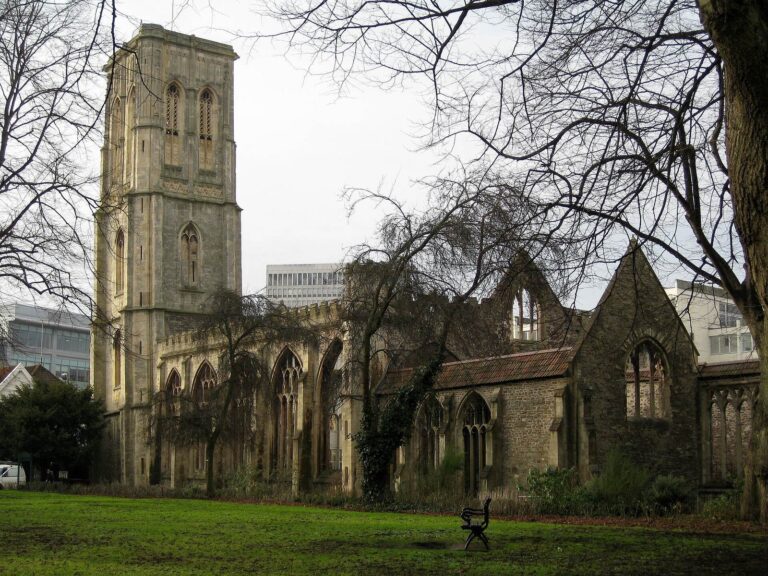
Whitefield’s Tabernacle, Kingswood, is a historic congregation site on the eastern edge of Bristol, United Kingdom. Its origins lie in a meeting room built in 1741, followed by a much larger church in the Gothic Revival style, which reinterpreted medieval Gothic forms.
Whitefield and the New Society Room
George Whitefield, an eighteenth-century Anglican clergyman and evangelical preacher, preached outdoors to coal miners in Kingswood. The congregation met in the New Society Room, built for Whitefield and John Cennick after their separation from John Wesley. The room was enlarged in 1802.
Later buildings and congregational changes
A much larger church was built in 1851. The congregation’s affiliations included Calvinistic Methodism, which joined the Methodist revival with Calvinist theology, and Congregationalism, which gives local congregations independence. It later became affiliated with the United Reformed Church, a Protestant denomination in the United Kingdom. After the church closed in 1983, the congregation returned to its original eighteenth-century building for several years.
The congregation later left both buildings and joined a Moravian congregation, part of a Protestant tradition associated with an eighteenth-century religious revival, at its church across the High Street. The united congregation, called United Church Kingswood, continued until it closed in January 2023.
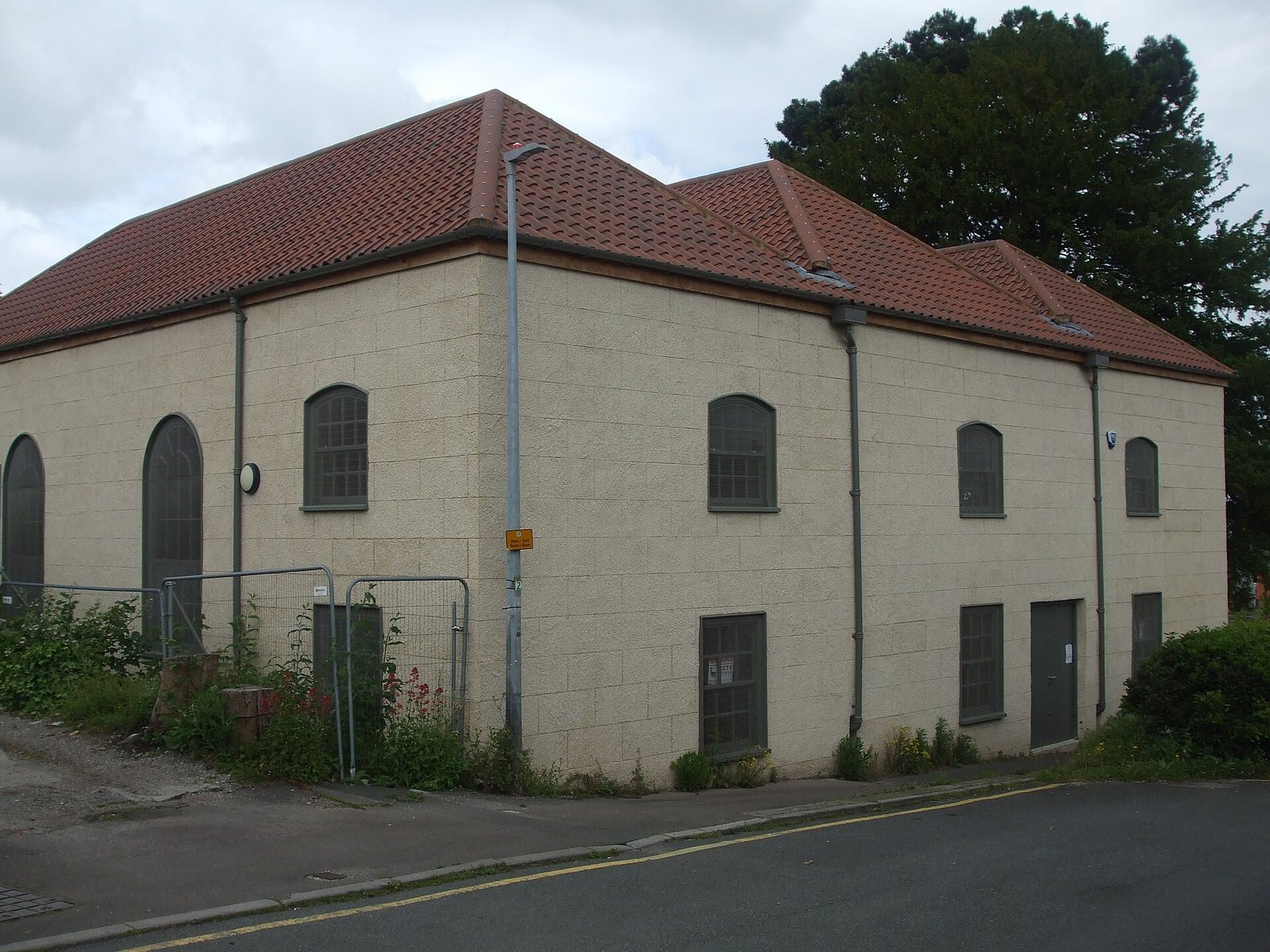
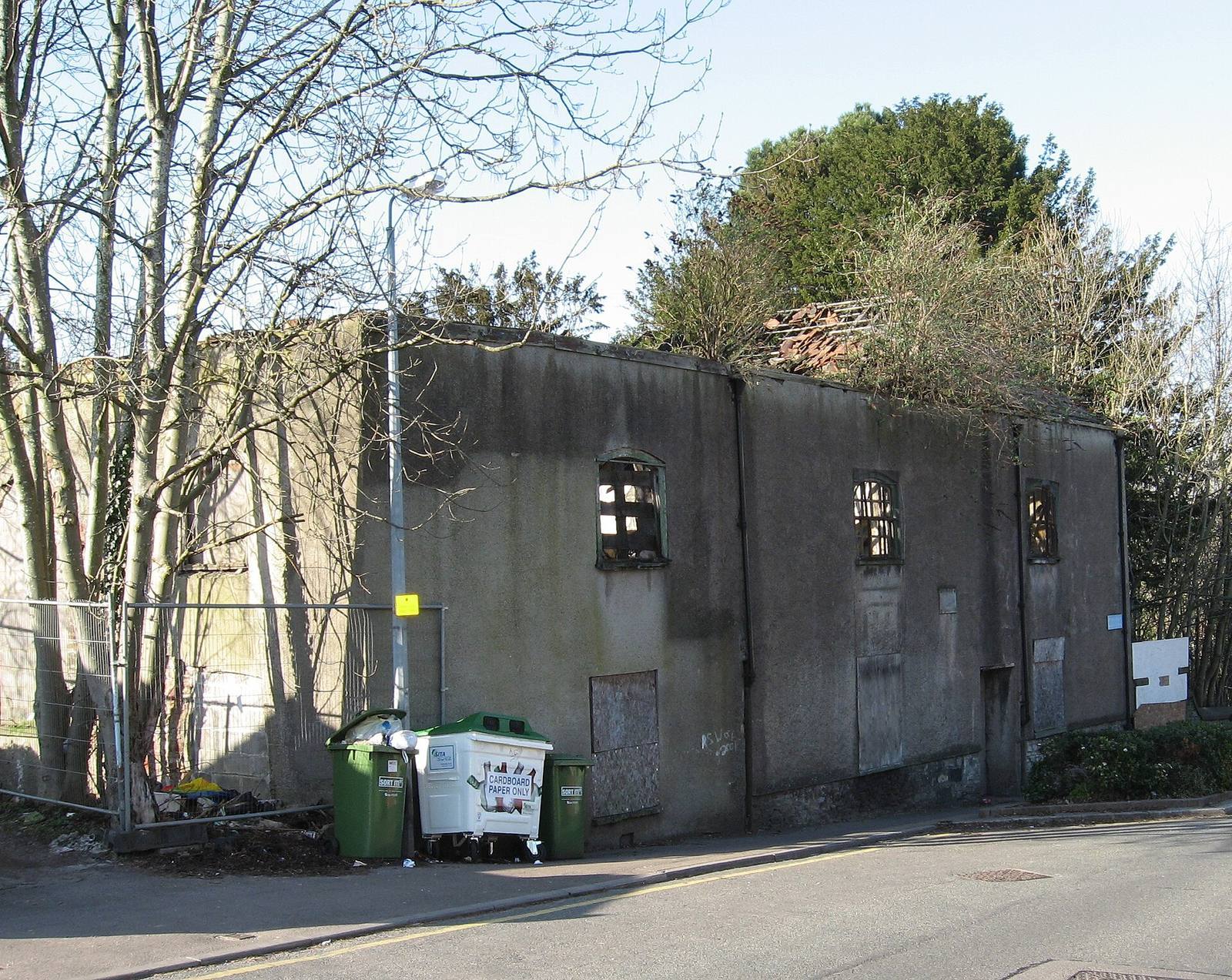
An arson fire in 2000 left the original building disused and derelict for years. The Whitfield Tabernacle Trust acquired it in January 2019, and restoration work began in 2021 with the aim of adapting it as a community arts centre. The original building is Grade I listed, the highest English listed-building category; the 1851 church is Grade II listed, and Chapel House is also listed.
Remains
The site includes the original meeting room and a much larger later church immediately to its west, together with Chapel House and a large graveyard.
Buildings and grounds
New Society Room
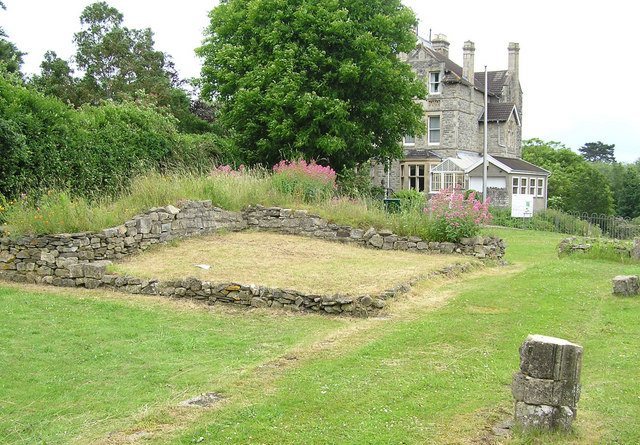
The original meeting room is now roofless and derelict.
Later church
The large church immediately west of the original building is now home to the Ellis Court apartments.
Chapel House
Chapel House, an eighteenth-century building, forms part of the site.
Graveyard
The site also has a large graveyard. It had been cleared of weeds by February 2011, but was overgrown again by February 2015.