Park House: A Historic Baronial Mansion in Aberdeenshire
Site at a Glance
- Popularity
- Medium
- Country
- United Kingdom
- Primary era
- Early Modern
- Eras represented
- Medieval, Early Modern, Modern
- Civilizations
- British, Kingdom of Scotland
- Site type
- Domestic
- Remains
- Castle
On this page10 sections
History
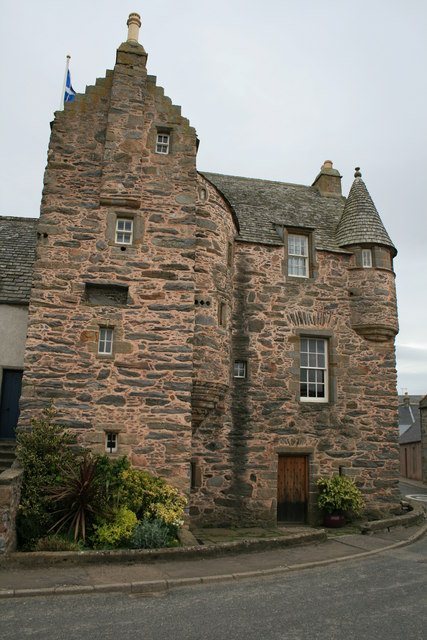
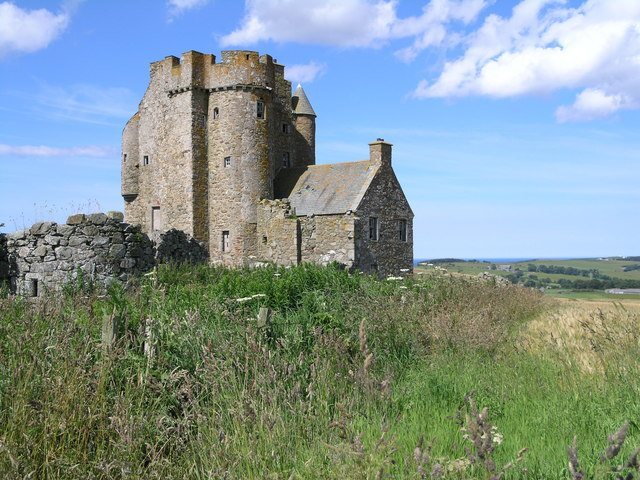
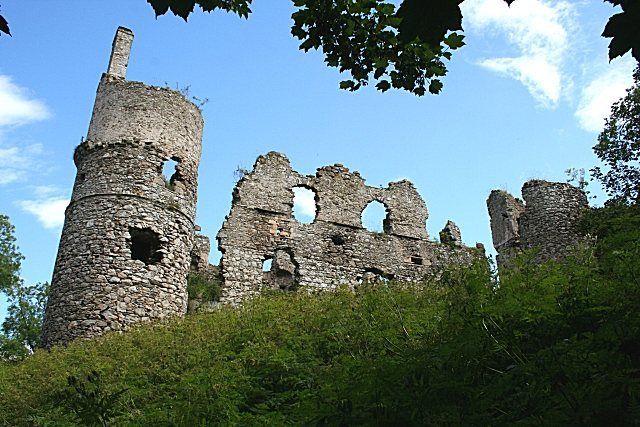
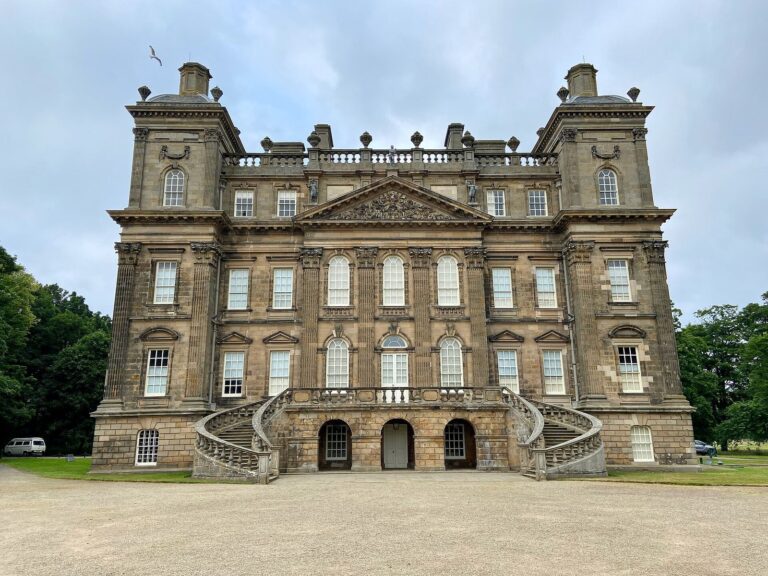
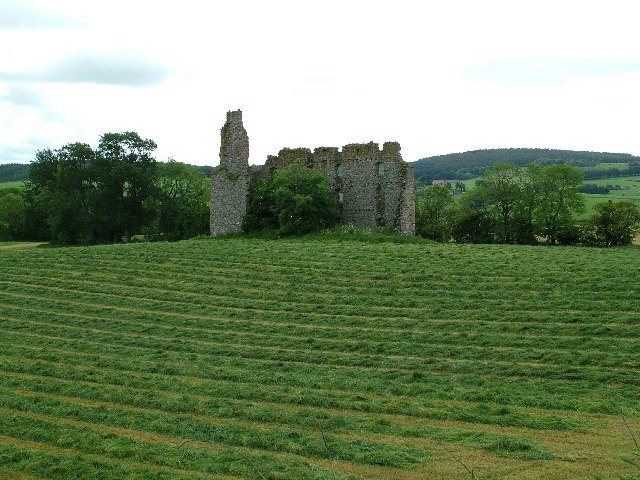
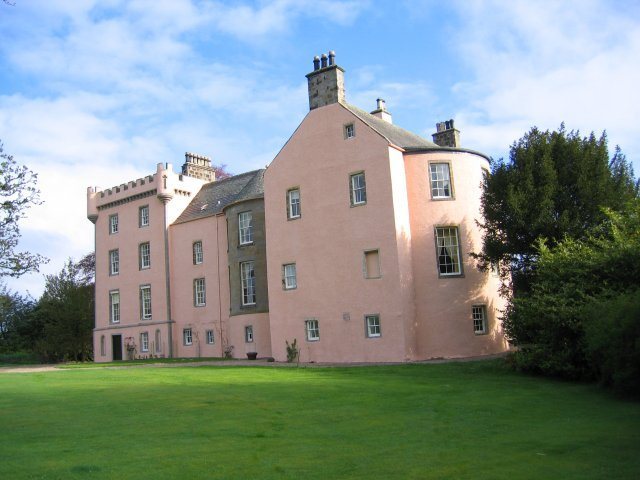
Park House, also known as Castle of Park, is a baronial mansion near Cornhill in Aberdeenshire, Scotland, United Kingdom. Its castle was rebuilt in the mid-sixteenth century as a Z-plan tower house, a fortified residence with a central block and projecting wings arranged in a Z. The estate’s history reaches back to the Royal Forest of Banff.
Medieval estate and castle
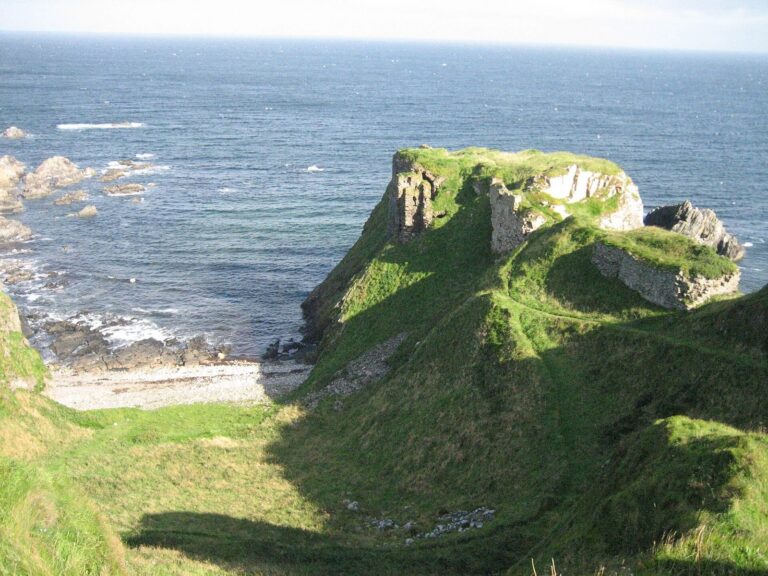
The estate formed part of the Royal Forest of Banff, land governed by royal authority and forest law and often reserved for hunting. King Alexander II of Scotland granted it to Sir Waleran de Normanville in 1242, and it was first mentioned in 1252. A castle was built on the property in 1292 and for a time provided refuge for Robert the Bruce, who later became King of Scots.
Gordon ownership and eighteenth-century change
After John Abernethy, 8th Lord Saltoun, went bankrupt in 1605, the barony passed to Clan Gordon, a kin-based Scottish family with political influence. The castle was sold to Sir Adam Gordon, who became laird of Park, or landowner, in 1623. Sir John Gordon became the first Baronet of Park on 15 August 1686. A baronet held a hereditary title below the rank of baron.
The house was remodelled in 1717, enlarged in 1723 and extended again later in the eighteenth century. Sir William Gordon, the 3rd Baronet of Park, fought for the Jacobites, who supported the Stuart dynasty’s claims to the British throne, in the rising of 1745. Captured by English forces at Culloden, a battle in that rising, he was imprisoned and later executed. The property was forfeited and acquired by Clan Duff.
Later changes and use
Further building phases took place in 1829, 1876 and 1918, with alterations continuing afterward. Park House received Category A listing in 1972, Scotland’s highest listed-building grade, generally used for buildings of national or international importance.
After a period under Duff ownership, the property was sold in the late 1970s to Dutch dentist Rudi Ovenveldt. Painter James Duncan acquired it in the late 1980s and ran it as a hotel and restaurant. Bill and Lois Breckon bought the property in 2000 and renovated it to accommodate students attending art courses. Rebecca and Neil Wilson bought it in 2007, lived there during historic restoration work, and began operating it as a bed-and-breakfast in the early 2010s before later offering self-catering accommodation. It was put up for sale in 2020 and had closed permanently by 2026.
Remains
The property comprises a three-storey mansion with a roughly H-shaped main block, an older tower house and separate estate buildings. Its surviving features and landscape extend beyond the principal house.
Main house
The mid-sixteenth-century tower house has a Z-shaped plan, and its original outline remains identifiable in the towers at its ends, which retain battlements, defensive parapets with gaps. The main block has exterior walls finished in roughcast, a coarse coating. Later additions include a Neo-Gothic tower, which revives medieval Gothic forms, and a classical facade. Victorian-period additions are also present, while twelve windows from the Georgian period, 1714 to 1830, remain clearly visible. Inside, a medieval whetstone, a stone used to sharpen tools, was reused to form an arch.
Estate buildings and grounds
Gate lodge
The single-storey gate lodge stands about 300 metres north of the mansion, flanking the entrance. Its roughcast-coated front is arranged in two main sections, and its roof is covered with grey slate. The lodge dates to around the middle of the eighteenth century.
Estate farm
The farm consists of several buildings constructed in 1867. It lies about 150 metres west of the mansion.
Estate landscape
About 45 acres of the former Park baronetcy estate remain, along with Park Burn, a small stream, and several sycamore trees estimated to be about 250 years old.