Palu Kalesi: A Castle Built by the Urartians in Turkey
Site at a Glance
- Rating
- 4.5
- Popularity
- Medium
- Country
- Turkey
- Primary era
- Iron Age
- Eras represented
- Iron Age, Medieval, Early Modern
- Civilizations
- Ottoman, Seljuk, Urartian
- Site type
- Military
- Remains
- Castle
On this page7 sections
History
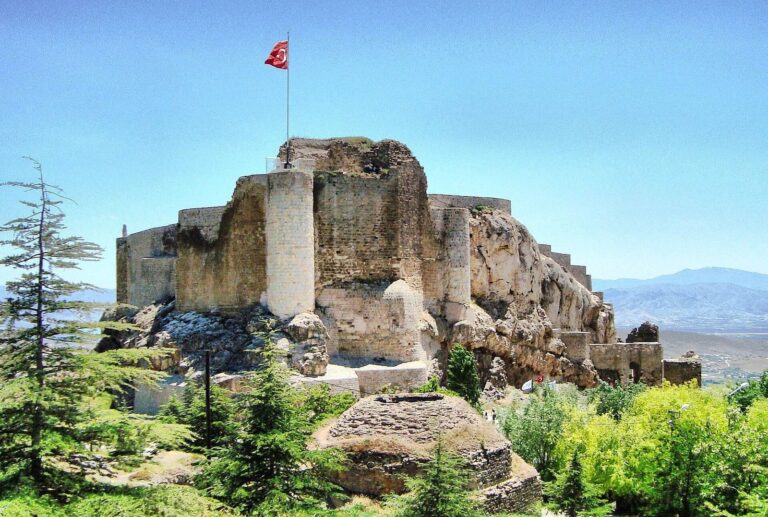
Palu Kalesi is a castle in Turkey built by King Menuas during the Urartian period. Urartu was an ancient kingdom centered in eastern Anatolia. The castle’s later phases include palace and military buildings, as well as fortifications associated with medieval and Ottoman rule.
Urartian foundation
The castle dates to the Urartian period and is attributed to Menuas, one of Urartu’s kings. Its origins place it within the history of this ancient kingdom.
Later ruling dynasties
Further building phases are associated with the Artuqids and Seljuks, medieval ruling dynasties, and with the Ottomans, whose dynasty established an empire in Anatolia and beyond. These phases included palace and military buildings and fortifications. In his seventeenth-century travel-writing work, Seyahatnâme, the Ottoman writer Evliya Çelebi described the castle as seeming to raise its head toward the sky.
Remains
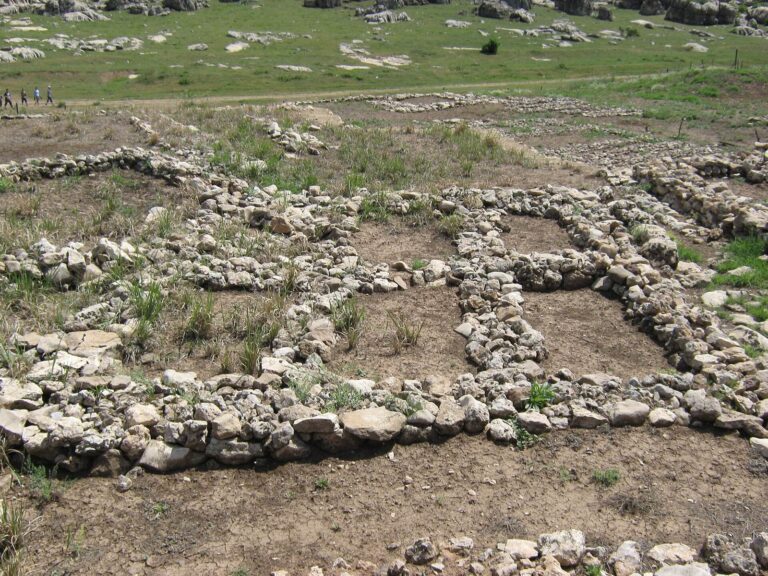
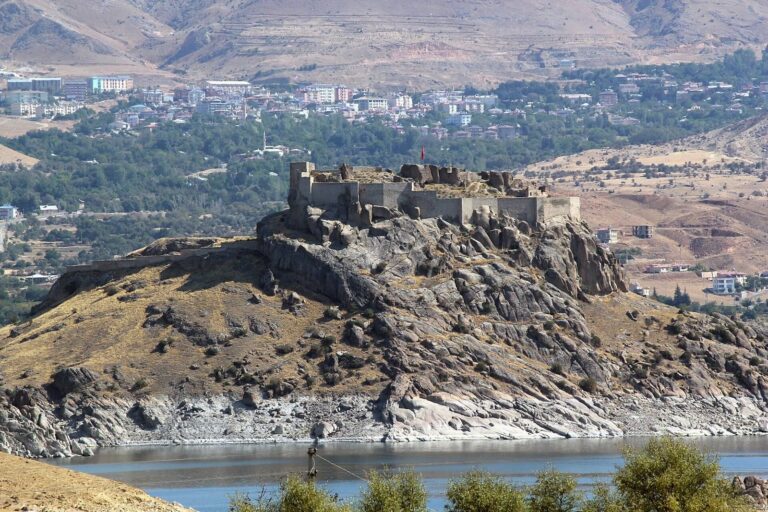
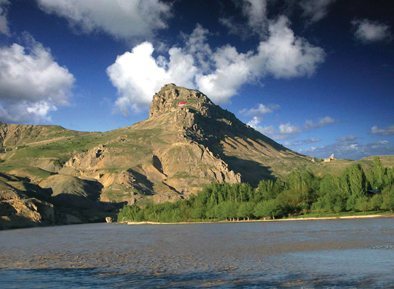
The castle is built on rock. The Murat River borders its southern and southeastern sides, while steep ground to the north and west added to its natural defensibility. Ashlar masonry, made from cut stone blocks, was used in its construction; rubble stone also appears in walls and some buildings. The remains are partially standing.
Urartian features
Rock-cut structures
The Urartian remains include tunnels, tombs, stairways, temples, and niches for worship, all cut into rock. Water cisterns are also present at the site.
Inscription
A cuneiform inscription, written with wedge-shaped marks, is roughly 3,000 years old.