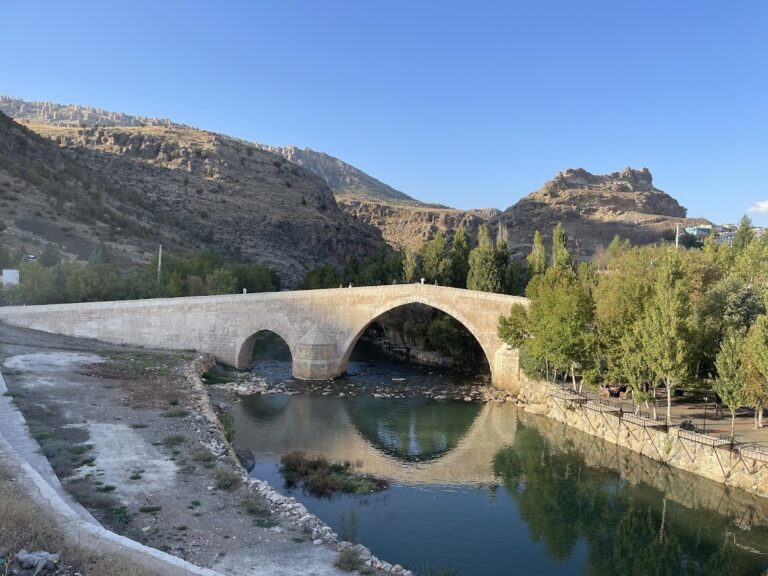
Harput Castle: An Urartian Fortress in Türkiye
Site at a Glance
- Rating
- 4.5
- Popularity
- Medium
- Country
- Turkey
- Primary era
- Iron Age
- External website
- Open
- Eras represented
- Iron Age, Classical, Medieval
- Civilizations
- Byzantine, Roman, Urartian
- Site type
- Military
- Remains
- Castle
On this page13 sections
History
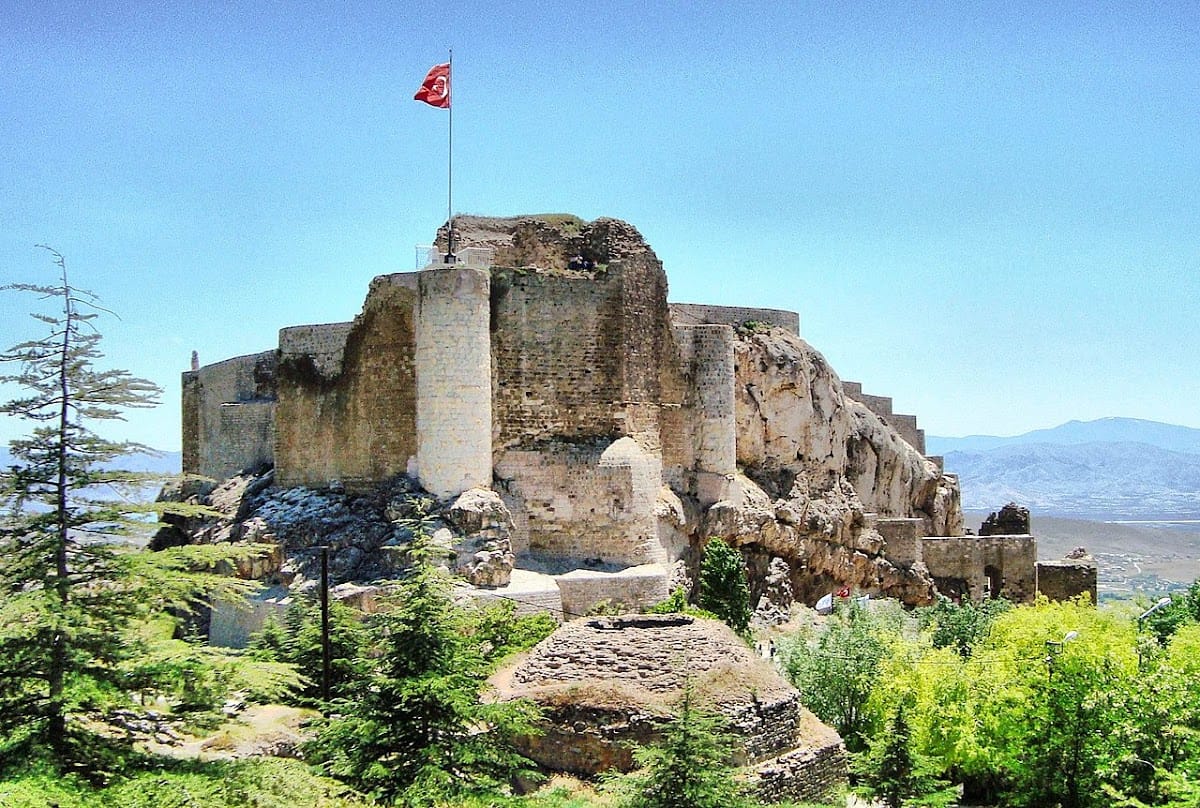
Harput Castle in Türkiye is an Urartian fortress built in the eighth century BC by the Urartian Kingdom, an Iron Age state centered in the Armenian Highlands and influential around Lake Van and eastern Anatolia. The castle is also known as Milk Castle, a name linked by tradition to the supposed use of milk instead of water in its mortar during a period of water shortage.
Persian and Byzantine Rule
From the sixth century BC, Harput Castle came under Persian rule. Control later passed through Armenian, Parthian, Roman, Sassanid, Byzantine, and Abbasid authorities, followed by another period of Byzantine control that lasted until the end of the eleventh century.
Medieval Dynasties
The Çubukoğulları took the castle in 1085, followed by the Artuqids in 1112 and the Seljuks in 1234. Under the Artuqid ruler Belek Ghazi and the Seljuk ruler Alaeddin Keykubad, Harput Castle served as a governmental center. The Artuqids and Seljuks were successive Muslim ruling dynasties that controlled parts of Anatolia and surrounding regions during the medieval period.
From 1366, the castle changed hands repeatedly during conflicts between the Dulkadirids and the Aq Qoyunlu, a White Sheep Turkmen confederation. Aq Qoyunlu ruler Hasan Bahadir Han captured Harput in 1465 and incorporated it into the confederation’s administration. Shah Ismail, founder and first shah of the Safavid dynasty, conquered the Harput region in 1507. In 1515, during the reign of Sultan Selim I, the region and castle entered Ottoman rule.
Restoration and Archaeology
Harput Castle was restored during the Artuqid, Aq Qoyunlu, and Ottoman periods. Archaeological excavations began in 2005 with permission from Turkey’s Ministry of Culture and Tourism, under the scientific consultancy of Veli Sevin, and continued until 2009. A second phase began in 2014 under Ismail Aytaç.
The excavations and restoration also addressed an Ottoman neighborhood within the castle. It had been inhabited from the mid-seventeenth century to the early twentieth century, providing an important part of the site’s Ottoman archaeological record.
Remains
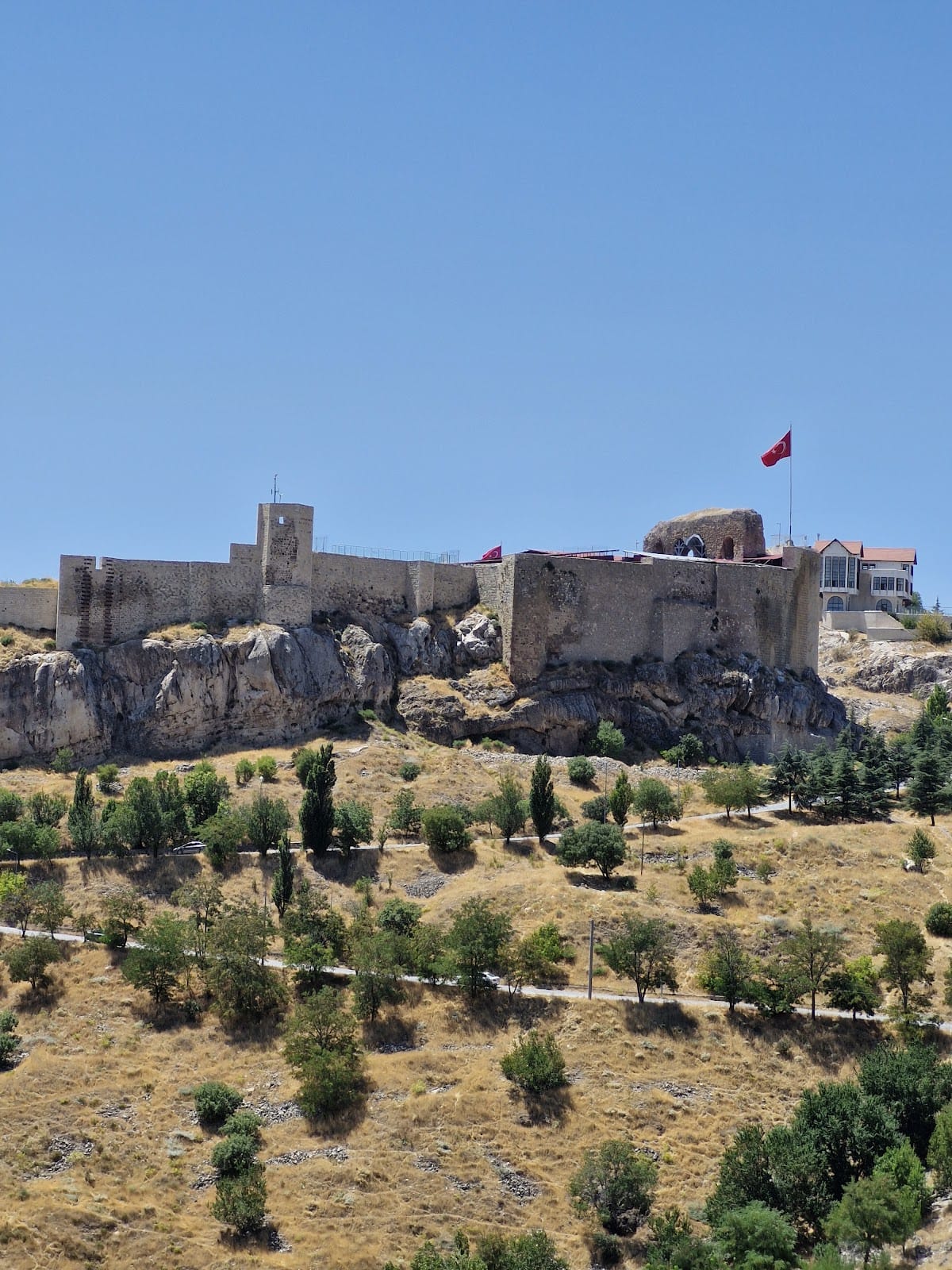
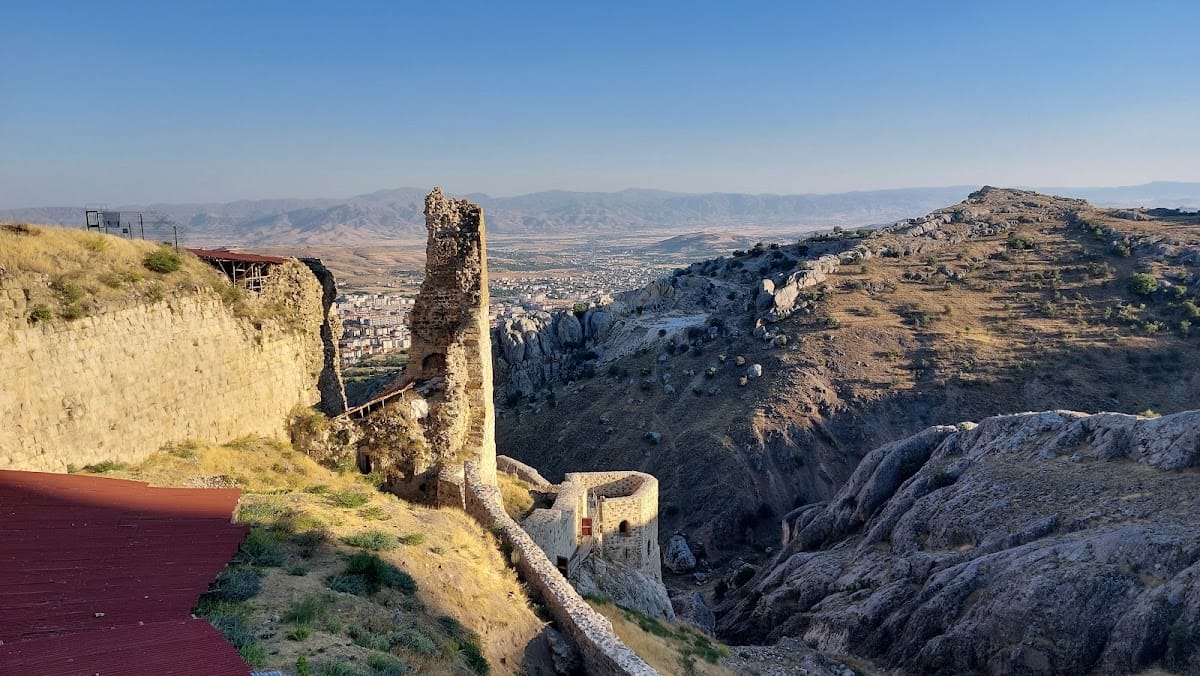
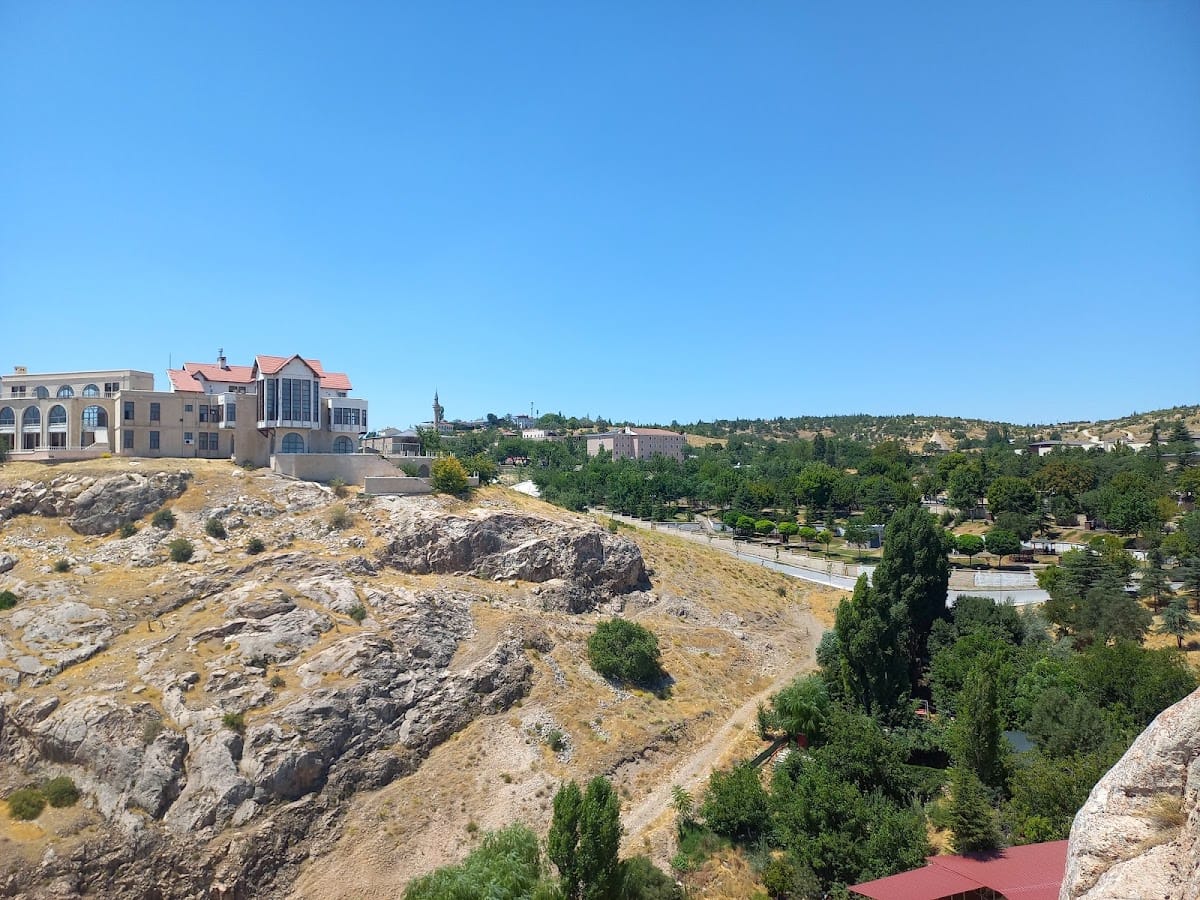
Harput Castle occupies a rectangular plan divided into an inner castle and an outer fortified area. The eastern entrance faces Harput, while the castle stands above the Elazig Plain. The inner castle rises on steep rocky ground, and the surviving walls, gates, towers, and inscriptions preserve traces associated with the different cultures that controlled the site.
Fortifications and Inner Castle
Inner Castle
The inner castle, also called Milk Castle, was built on steep rock. Excavations have brought to light dungeons, living areas, and treatment areas within this section of the fortress. Numerous inscriptions remain visible on its inner walls.
Outer Walls and Entrance
The outer walls have been completely destroyed, while the remains of a tower survive at the entrance to Harput. The gate and towers were restored in 2005. Their surviving fabric, together with the traces in the castle walls, reflects the repeated rebuilding and occupation of the fortress.
Civic and Religious Structures
Artuqid Palace
The remains of an Artuqid palace lie at the northwestern end of the castle. They form part of the physical evidence for the period when Harput served as a governmental center under the Artuqids.
Urartian Open-Air Temple
South of the castle is an Urartian open-air temple, a sanctuary established in an uncovered natural or built outdoor setting rather than inside an enclosed temple building.
Church of the Virgin Mary
The Church of the Virgin Mary stands in the eastern part of the castle. Built in the fourth century, it has a wall resting on the rock that supports the castle.
Ottoman Neighborhood
A substantial Ottoman neighborhood once occupied part of the castle. Its buildings remained until approximately 60 to 70 years ago and were subsequently destroyed. Excavation and restoration work has sought to preserve and interpret this later layer of occupation alongside the fortress’s earlier remains.