Palazzo Taverna in Rome: A Historic Palace and Former French Embassy
Site at a Glance
- Popularity
- High
- Country
- Italy
- Primary era
- Medieval
- Eras represented
- Medieval
- Civilizations
- Papal States
- Site type
- Religious
- Remains
- Palace
On this page7 sections
History
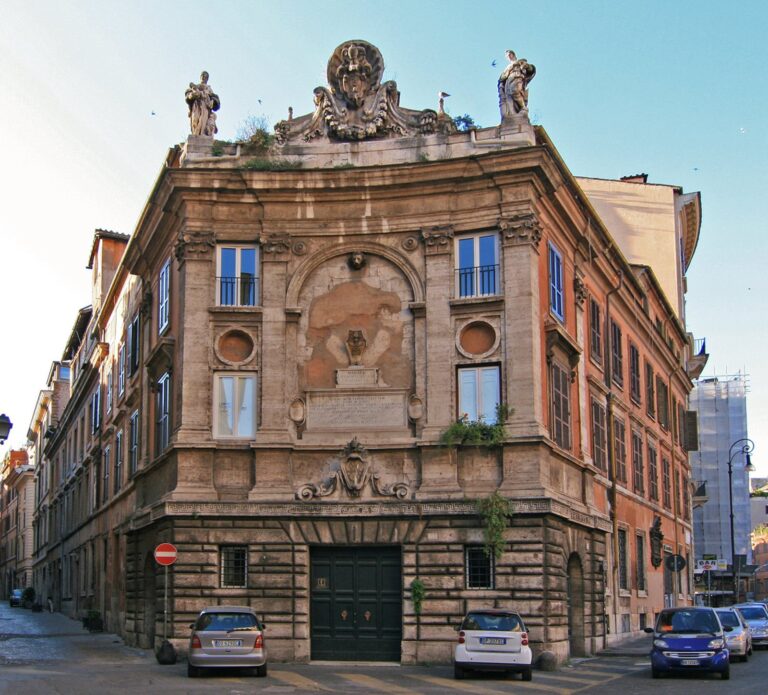
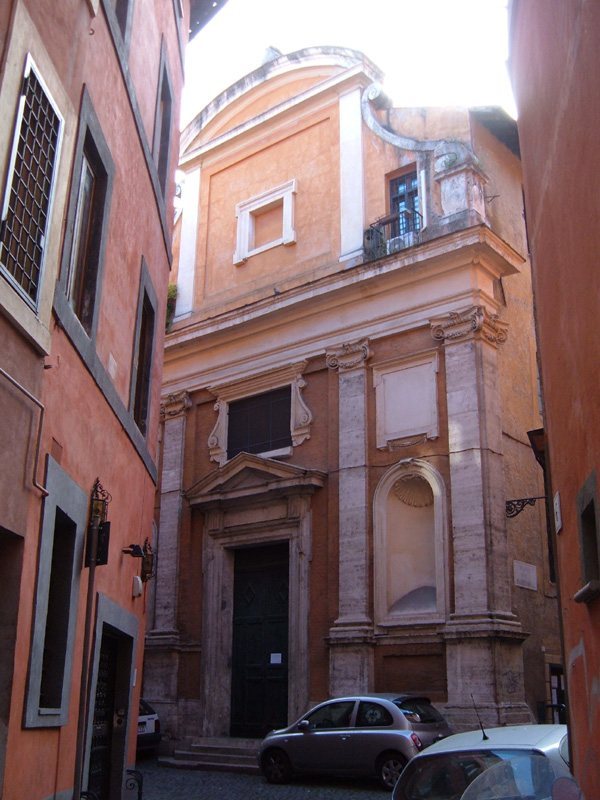
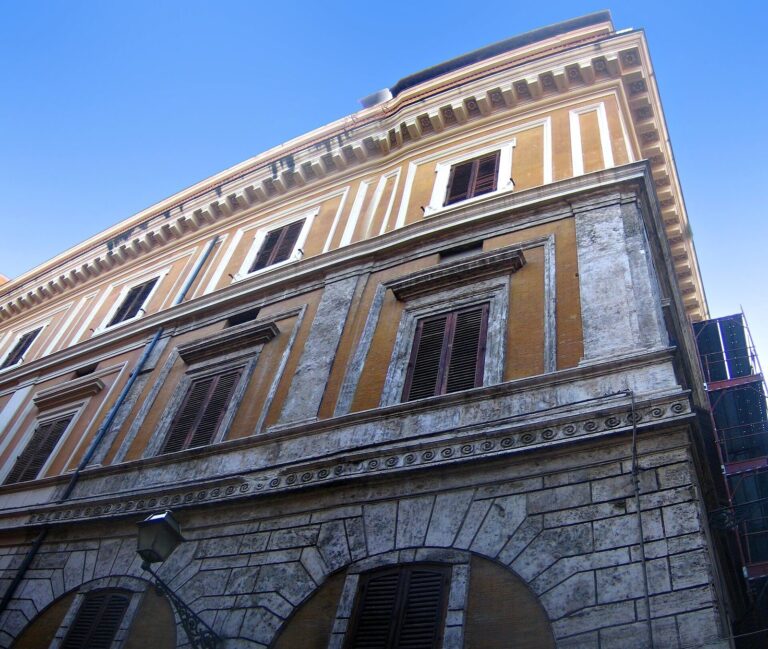
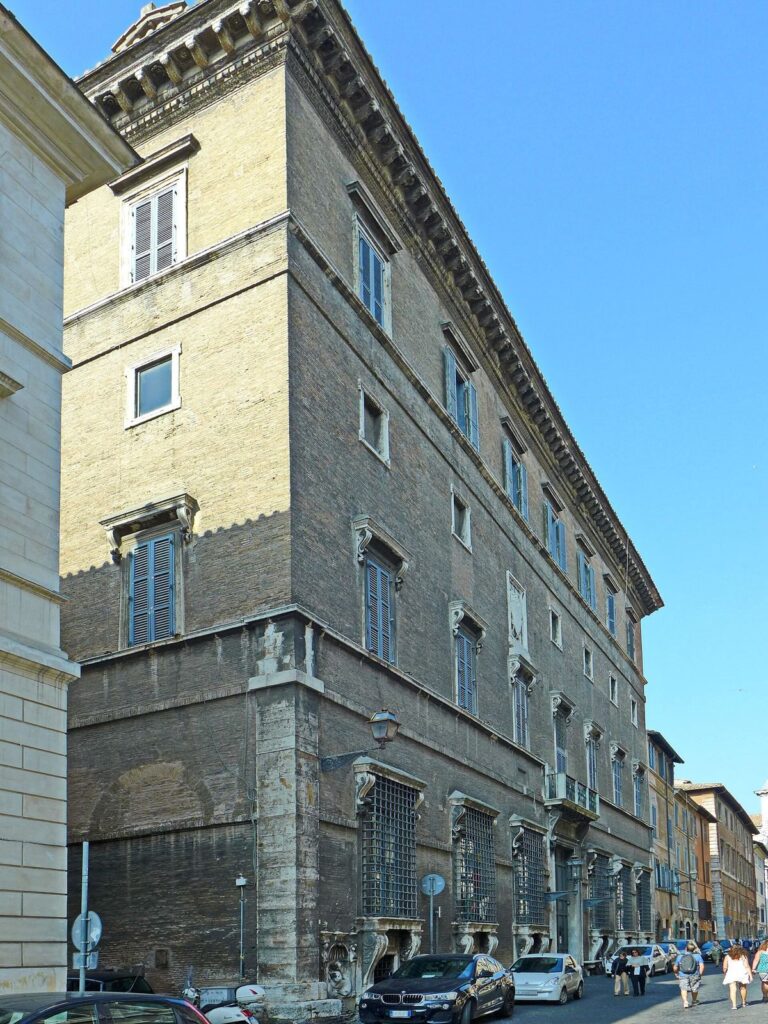
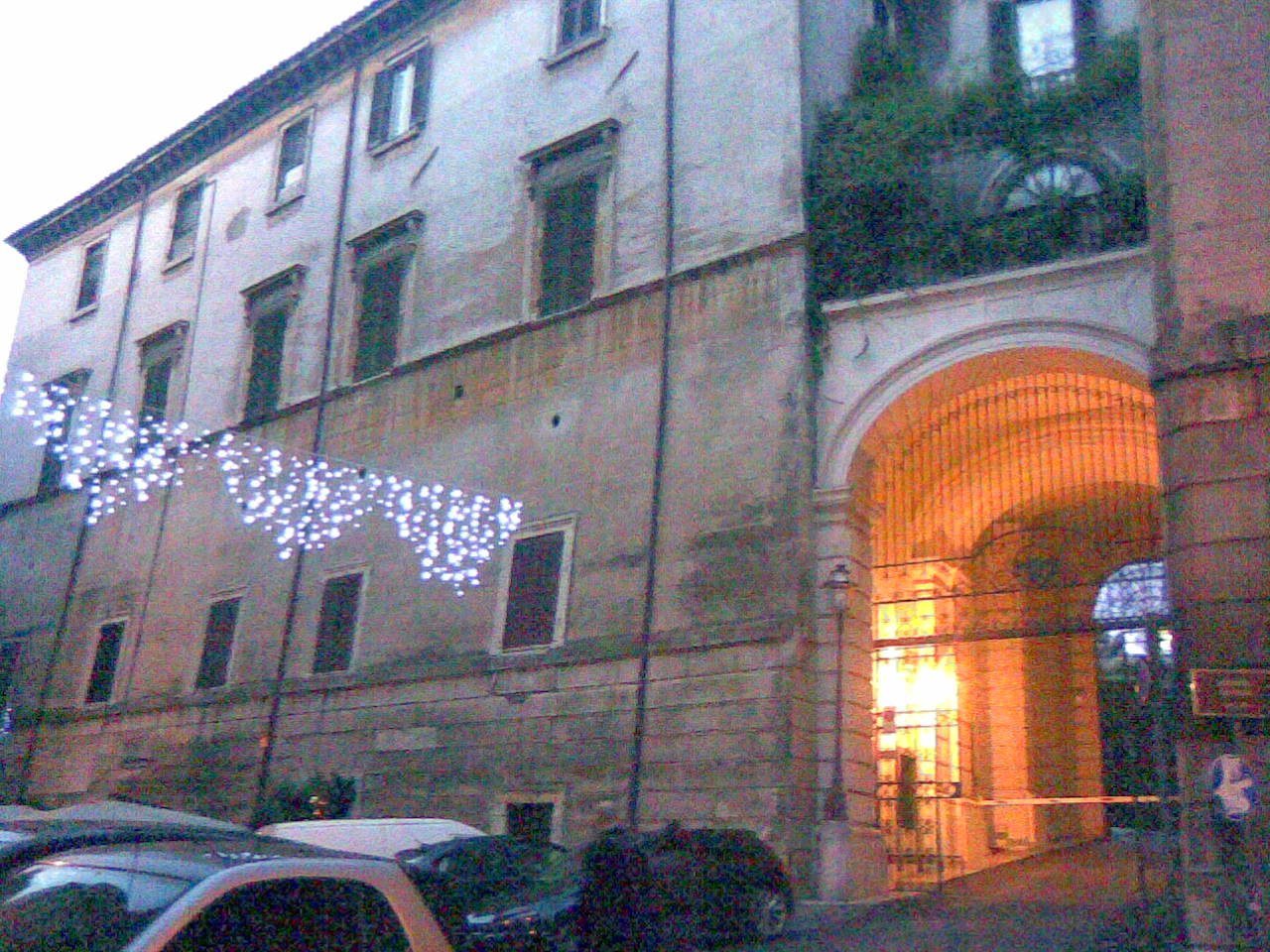
Palazzo Taverna is a palace on Via di Monte Giordano in Rome, Italy, built around 1400 as the planned residence of Giordano Orsini, a cardinal (a senior official of the Catholic Church). It occupied the site of an older fortress owned by Orsini. The palace is also known as Palazzo Orsini Taverna and was formerly called Palazzo Gabrielli.
Orsini and later Renaissance residents
Adriana, a relative of the Borgia family, lived at the palace while overseeing the education of Lucrezia, Juan, and Cesare Borgia, whose father later became Pope Alexander VI. Later residents included Cardinal Ippolito II d’Este, who hosted the Italian poet Torquato Tasso, and Cardinal Maurizio di Savoia.
Gabrielli and Taverna ownership
The palace passed to the Gabrielli family in 1688 and became known as Palazzo Gabrielli. The family received members of the Bonaparte family, including Eugénie de Montijo, Empress of the French, and Cardinal Lucien-Louis Bonaparte, who died there. Around the middle of the nineteenth century, Guido, Augusto, and Giovanni Baccelli lived in the palace and may have been born there. In 1888, Prince Placido Gabrielli transferred the property to the counts Taverna.
Embassy and later uses
The French Embassy to the Holy See, the central authority of the Catholic Church associated with the pope, occupied the palace until 1951. That year, Ambassador Wladimir d’Ormesson decided to move the embassy to Villa Paolina. The newly founded Saint Louis of France Study Center also used the palace for several weeks. Its founder, the French philosopher and diplomat Jacques Maritain, then moved the center to premises near the Church of Saint Louis of the French. The European Institute of Innovation for Sustainability is now based in the palace.
Remains
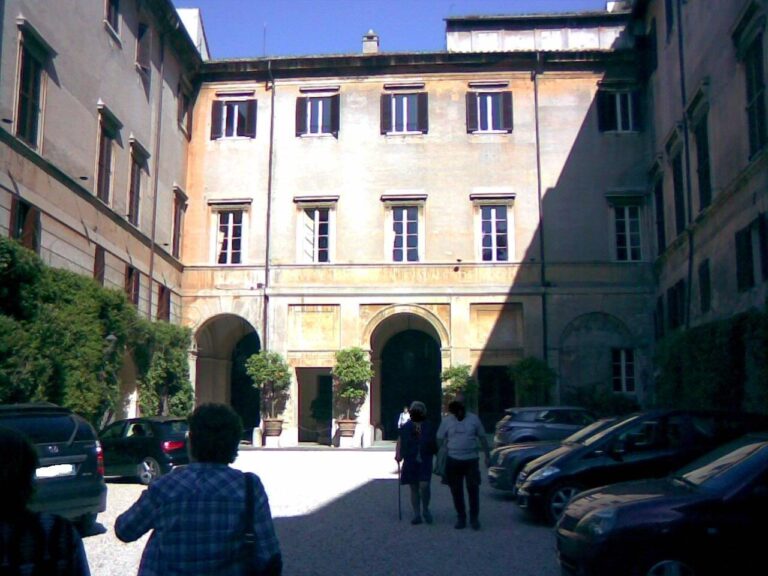
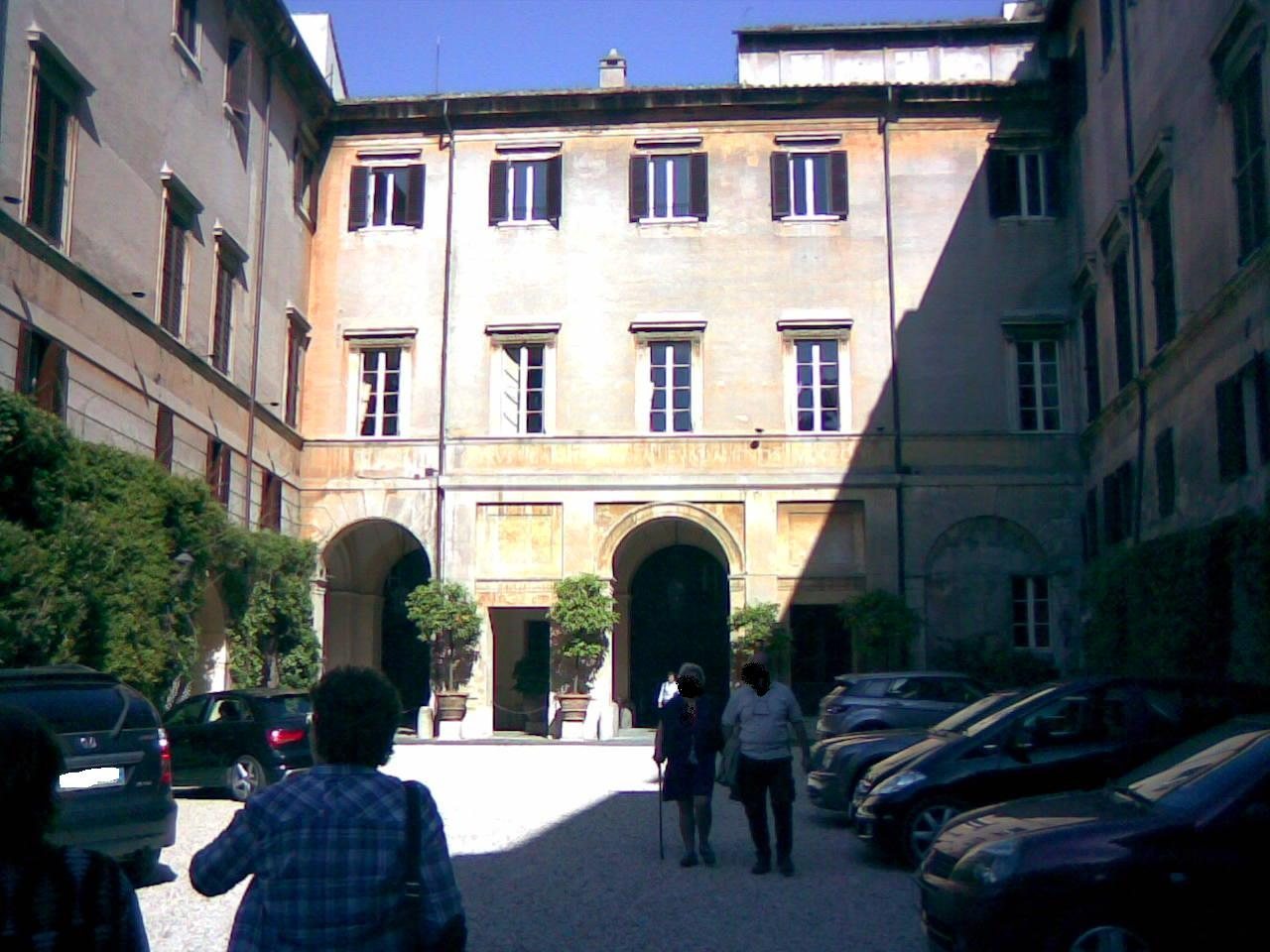
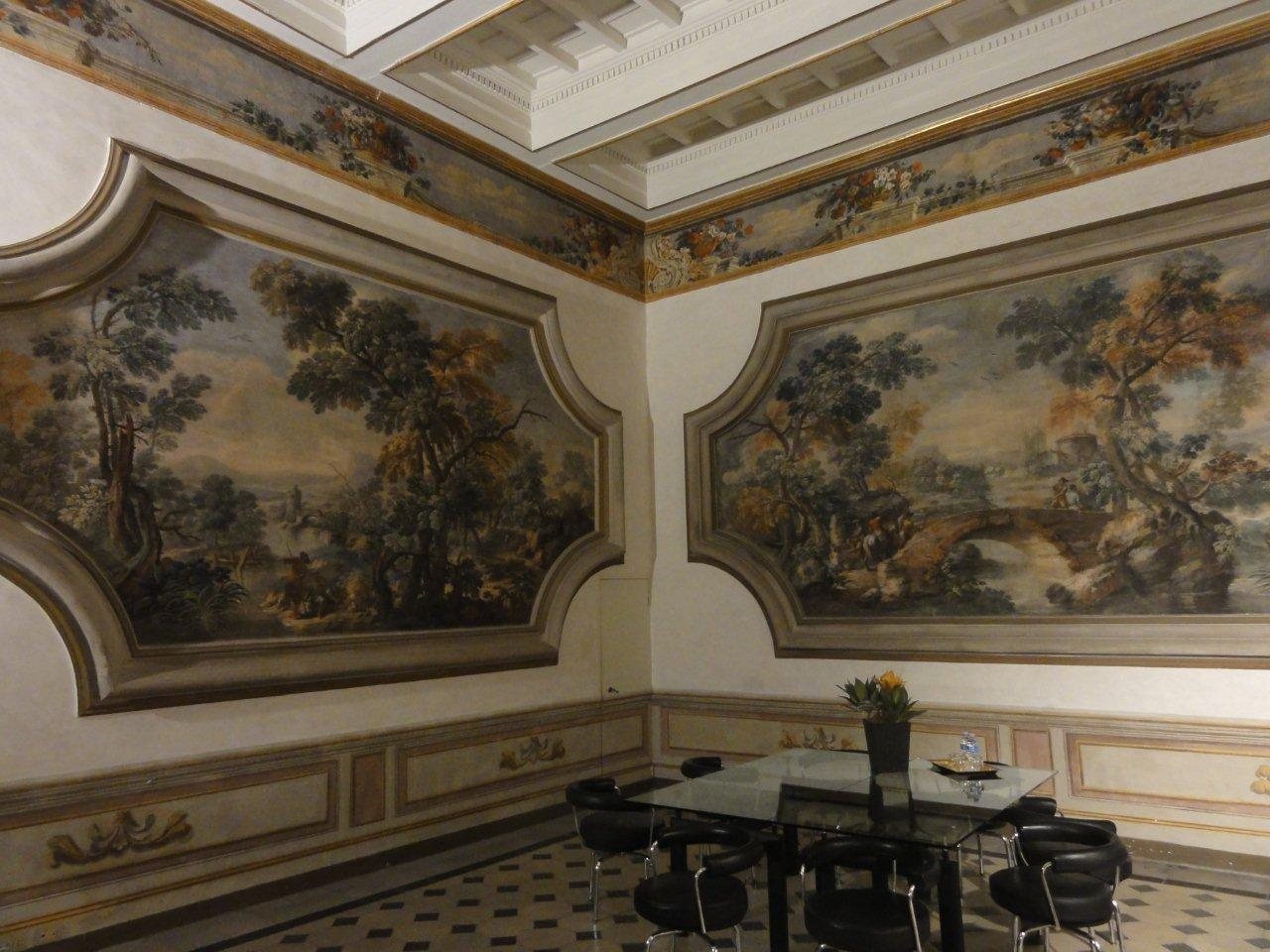
The palace’s physical features include several large halls, a courtyard, and a garden. Marble basins form part of the courtyard, while the interiors are frescoed.
Courtyard and garden
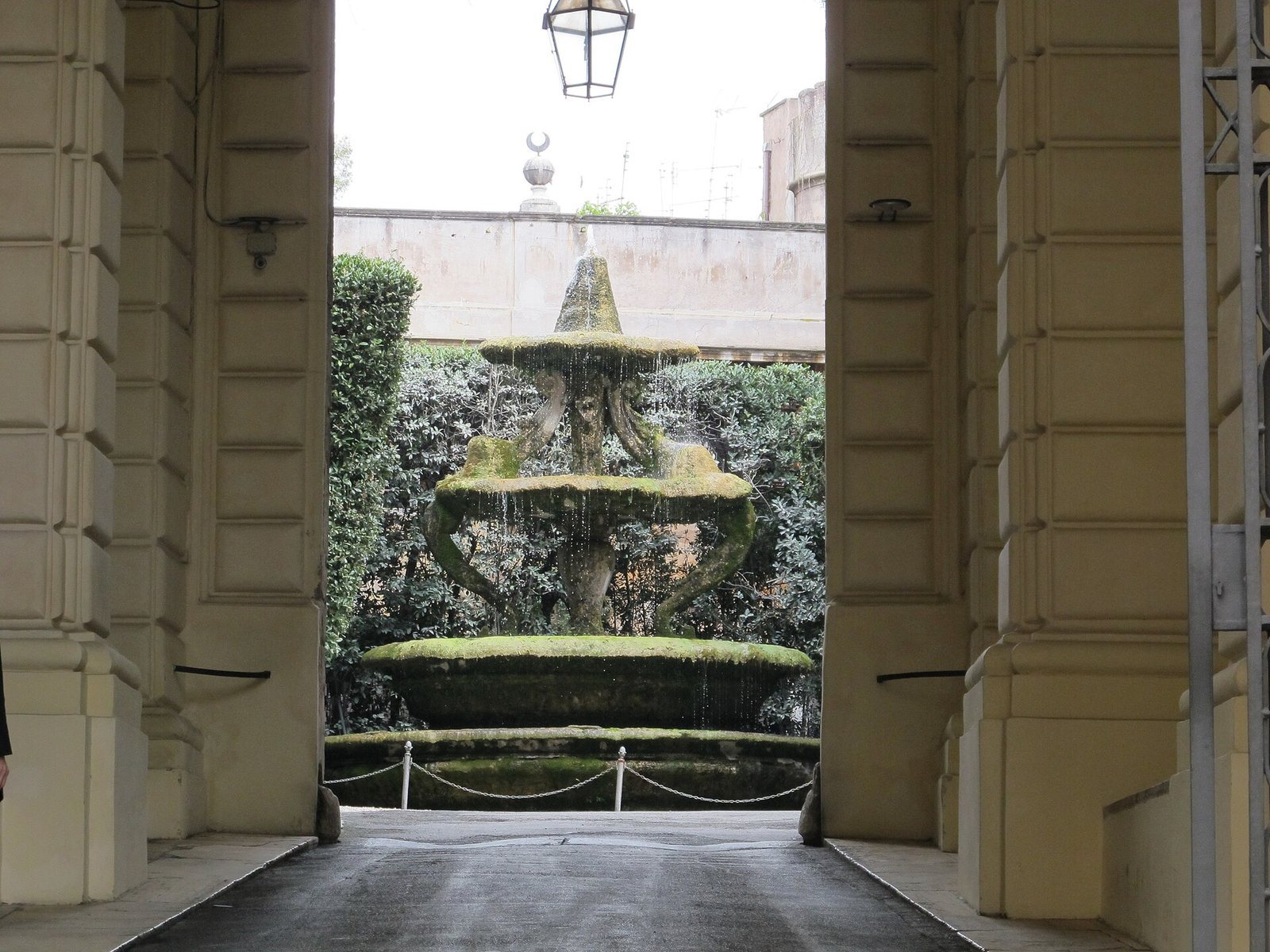
The courtyard contains four marble basins and a central fountain designed by Antonio Casoni. The garden includes a tower, an arcade (a covered passage or gallery formed by arches), and a loggia (a roofed, open-sided gallery).
Halls and interiors
Several large halls form part of the palace. Its interiors are entirely frescoed, with paintings applied to wet plaster, and contain a large collection of works by Sebastiano Ricci, Giambattista Pittoni, and Rosa di Tivoli.