Palazzo Simi: A Sixteenth-Century Palace and Archaeological Centre in Bari


Site at a Glance
- Rating
- 4.4
- Popularity
- Low
- Country
- Italy
- Primary era
- Early Modern
- External website
- Open
- Eras represented
- Classical, Medieval, Early Modern
- Civilizations
- Byzantine, Kingdom of Naples, Roman, Spanish
- Site type
- Domestic
- Remains
- Elite Residence
On this page6 sections
History
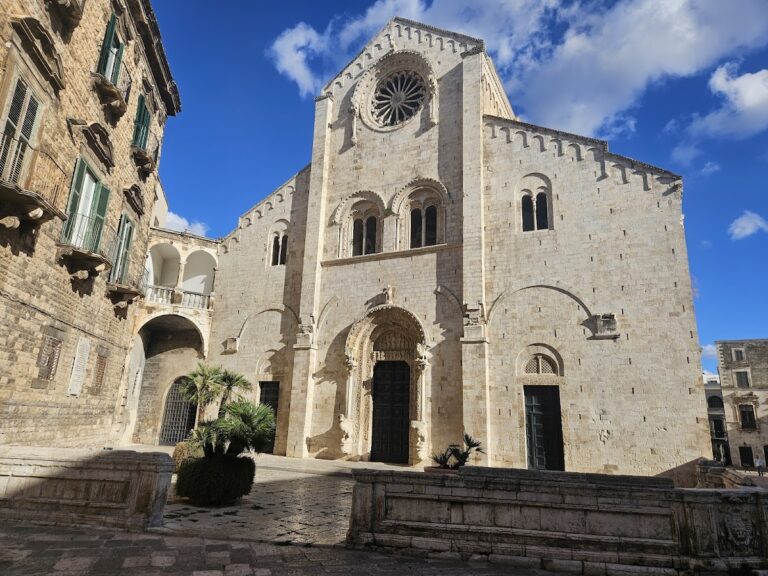
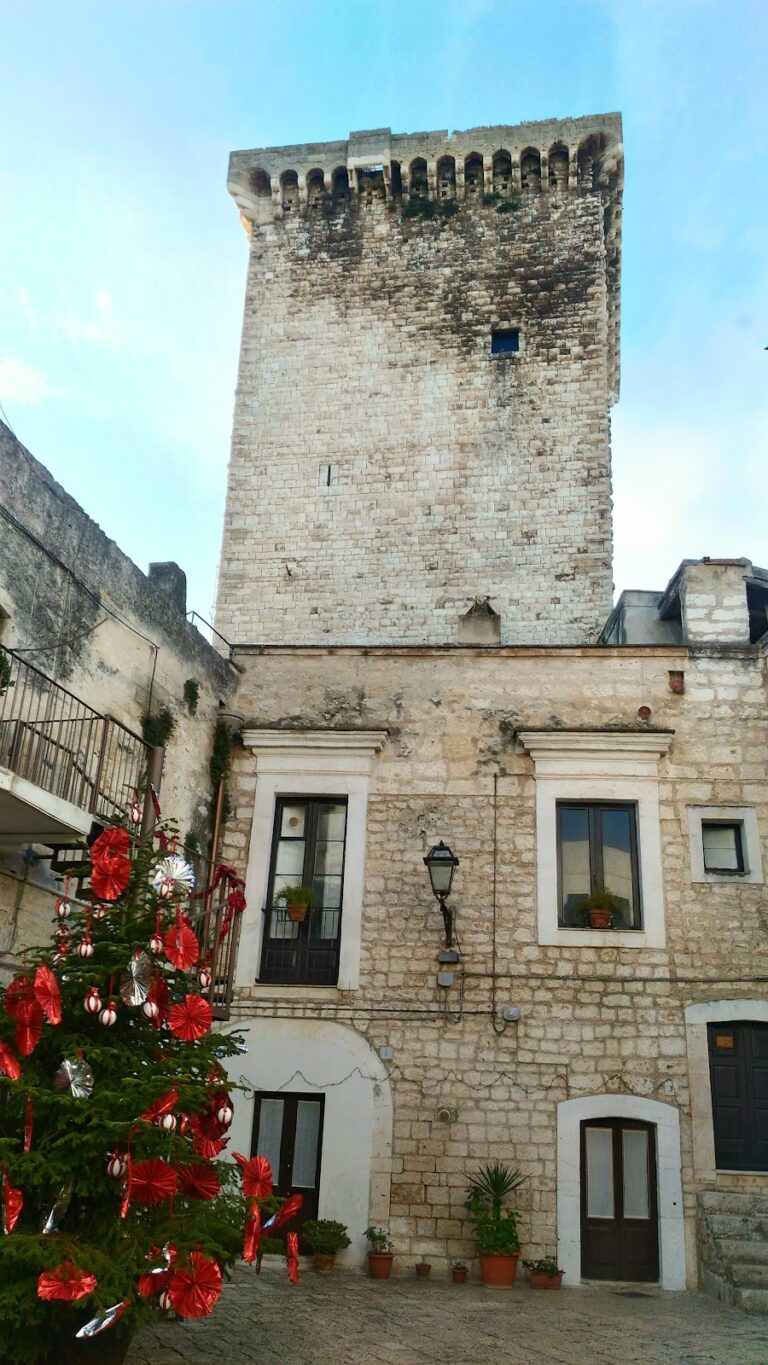
Palazzo Simi is a sixteenth-century palace in Bari, Italy, built in the architectural tradition that shaped the city’s palatial houses during the sixteenth and seventeenth centuries. It stands on Strada Lamberti, formerly called Strada Simi, near Largo San Sabino and behind the Cathedral of San Sabino. The building occupies a historically layered site, rising above a Byzantine church, probably dedicated to Saint Gregory de Falconibus, and resting on foundations dating to the Roman imperial period.
The Simi de Burgis family
From the end of the seventeenth century, Palazzo Simi belonged to the Simi de Burgis family, a patrician family from Lucca whose presence there is documented from the eleventh century. Other branches settled in Pescia from the early seventeenth century. The principal Pescia branch entered the city’s nobility and joined the Sacred Military Order of Saint Stephen, a Catholic chivalric order founded in Tuscany in the sixteenth century and associated with naval and military service.
Members of the family renovated and enlarged the Bari palace through several building phases and retained it until the beginning of the twentieth century. The acquisition and expansion are described in Tavola e memoria della famiglia Simi de Burgis, a manuscript begun in 1682 by Michele Simi and continued by his descendants until the early twentieth century. Michele Simi was an abbot and a canon of the Chapter of Saint Nicholas in Bari, the governing body of canons attached to a church. The original manuscript is preserved in the Puglian Families Collection of the Provincial Library and was published in Bari in 2001.
Related buildings and archaeological use
Michele Simi also described another Palazzo Simi in Bari’s old city, a residence given to him by his mother, Livia Antonia Di Negro, who belonged to an ancient Genoese patrician family. He later transferred that building to the Chapter of Canons of the Royal Basilica of Saint Nicholas. The residence still stands on present-day Strada degli Orefici, opposite Palazzo Gironda and Palazzo Milella, and its portal retains a legible family coat of arms. Palazzo Lamberti, which stood closer to the Cathedral of San Sabino, was demolished at the beginning of the twentieth century. Since 1999, Palazzo Simi has served as the seat of Bari’s Archaeological Operations Centre and has housed archaeological exhibitions.
Remains
Palace and earlier foundations
Palazzo Simi is a historic urban building organized around an entrance, an atrium, a prominent staircase, and rooms on the ground floor. Its sixteenth-century construction belongs to the architectural character of Bari’s palatial houses from the sixteenth and seventeenth centuries. Beneath the palace are the remains of a Byzantine church, probably dedicated to Saint Gregory de Falconibus, while its foundations reach back to the Roman imperial period. These earlier layers give the building a physical connection with successive phases of Bari’s urban history.
Entrance and exhibition spaces
The entrance opens onto an imposing white-stone staircase positioned on the right. The atrium contains ornamental plants in pots, and the ground floor is divided into rooms. Interior spaces accommodate exhibition rooms and other ground-floor areas used for archaeological displays, reflecting the building’s present role as the home of Bari’s Archaeological Operations Centre.