Palazzo Rondinini: An Eighteenth-Century Palace for an Art Collection
Site at a Glance
- Rating
- 4.1
- Popularity
- Very Low
- Country
- Italy
- Primary era
- Early Modern
- Eras represented
- Early Modern, Modern
- Civilizations
- Italian, Papal States
- Site type
- Domestic
- Remains
- Elite Residence
On this page8 sections
History
Palazzo Rondinini is an eighteenth-century palace in Rome, Italy, commissioned by Marquis Giuseppe Rondinini, an art collector from Faenza, to house his extensive collection.
Construction and collection
The project enlarged a building that had belonged to Cavalier d’Arpino, the professional name of painter Giuseppe Cesari. Architects Gabriele Valvassori and Alessandro Dori designed the palace, and the four-year building work was completed in 1764. Rondinini’s collection was transferred there that year.
During his stay in Rome, German writer and thinker Goethe visited the palace and its collection.
Later ownership and use
Count Sanseverino Vimercati bought the palace in 1904. From 1990 to 2023, it housed the Circolo degli Scacchi, a chess club.
Remains
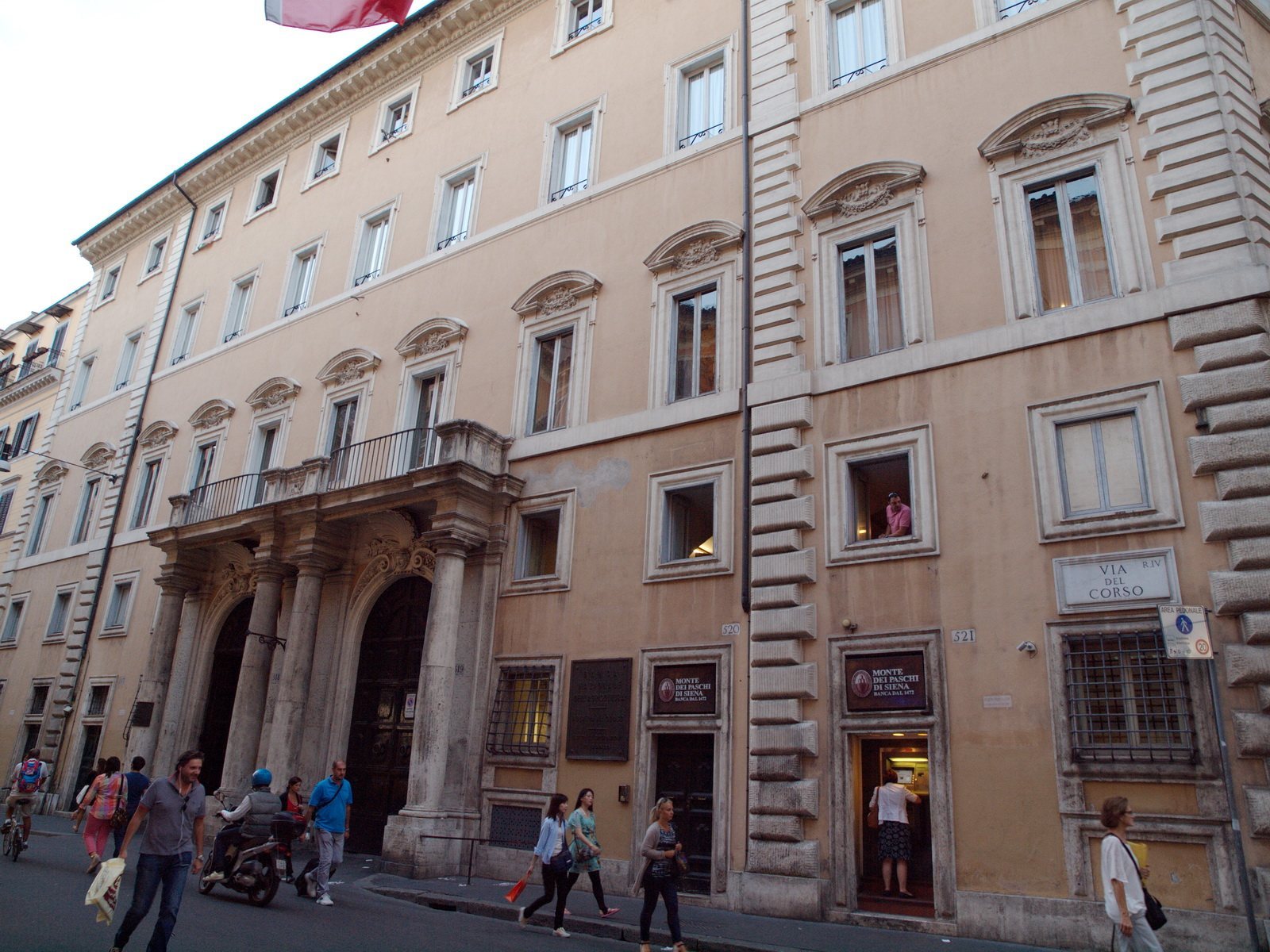
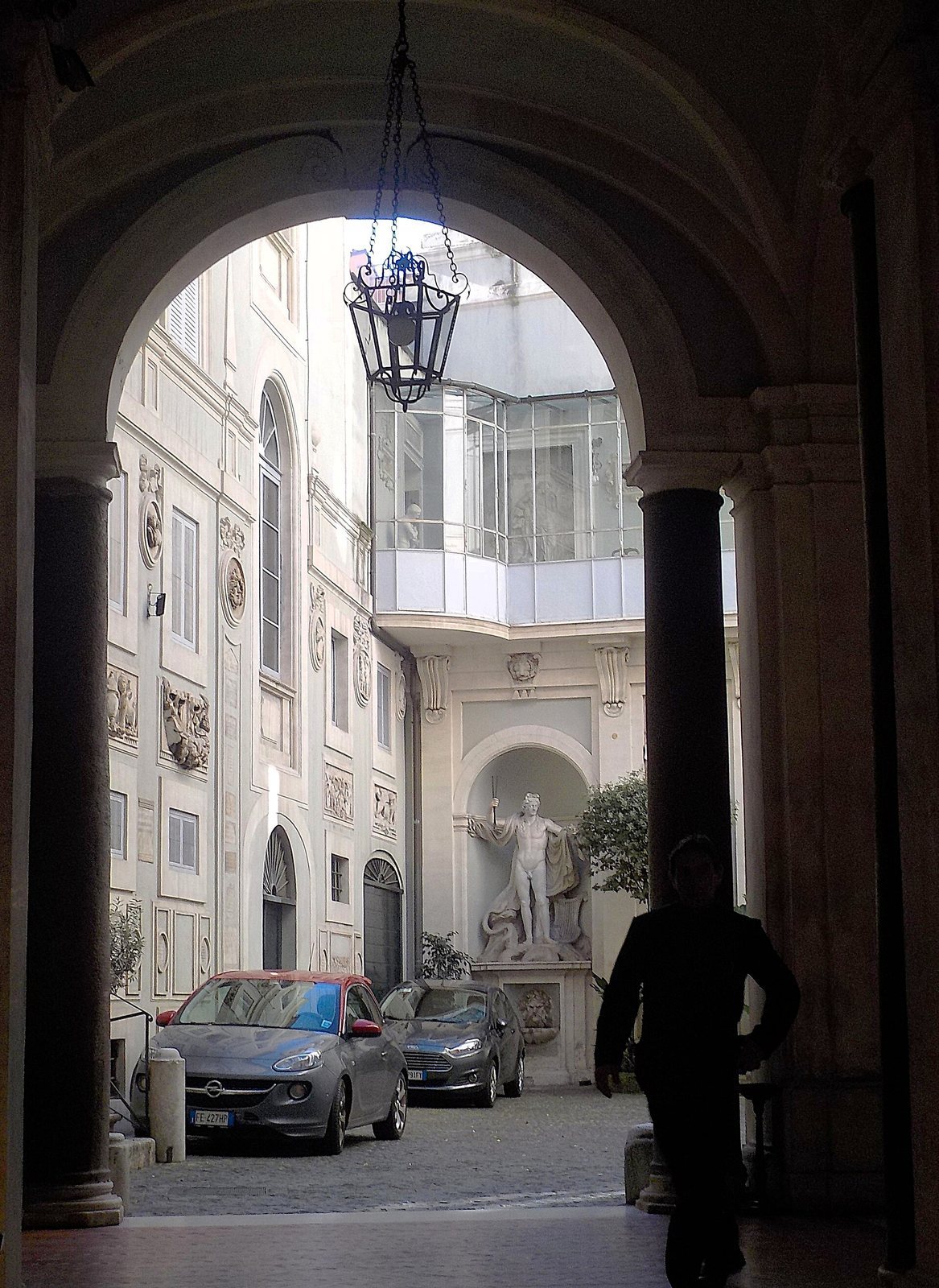
The palace extends an earlier building and brings together exterior work largely designed by Valvassori with Dori’s facade on Via del Corso, courtyard, and interiors.
Exterior and interior arrangement
Facade and entrance
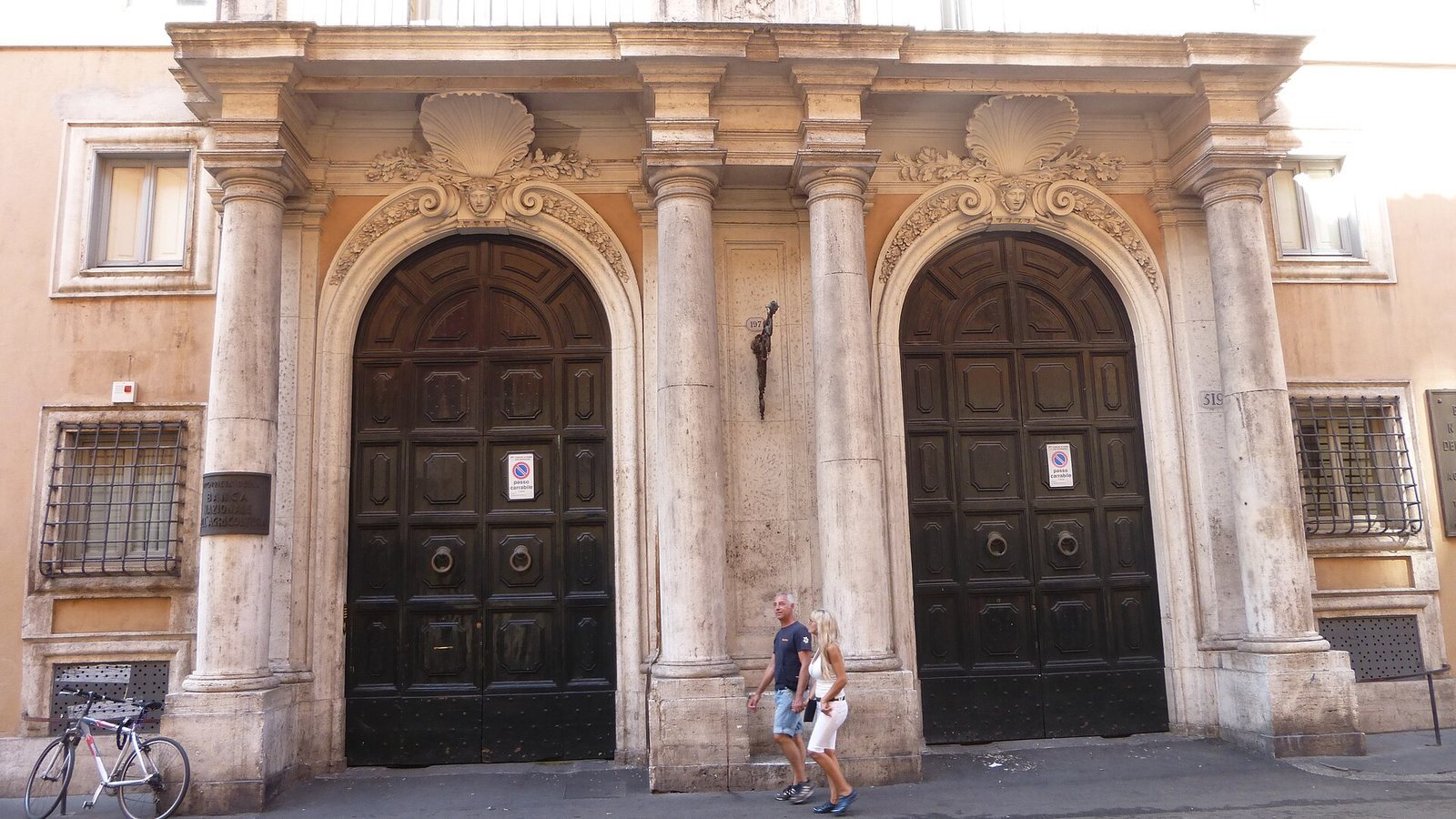
The entrance is marked by a double portal with a balcony and columns. Valvassori designed most of the exterior structure, while Dori was responsible for the Via del Corso facade and courtyard.
Principal floor
The principal floor contains rooms with frescoes, paintings made by applying pigments to wet plaster, as well as a ballroom and a gallery. Several rooms in the west wing were redecorated in Neo-Rococo, a revival of Rococo decoration.
Artworks associated with the palace
The collection included paintings, sculptures, Roman inscriptions, columns, and ancient marbles. Among its works was the Medusa Rondanini, a head of Medusa, a figure from Greek mythology; it is now held at the Glyptothek in Munich. Michelangelo’s Pietà, acquired in 1744, was also placed in the palace. The sculpture depicts Mary mourning the dead Christ and is now held at Sforza Castle in Milan.