Palazzo Maurogordato: A Neo-Renaissance Residence in Livorno, Italy
Site at a Glance
- Popularity
- Medium
- Country
- Italy
- Primary era
- Modern
- Eras represented
- Modern
- Civilizations
- Grand Duchy of Tuscany, Italian, Kingdom of Sardinia
- Site type
- Domestic
- Remains
- Elite Residence
On this page6 sections
History
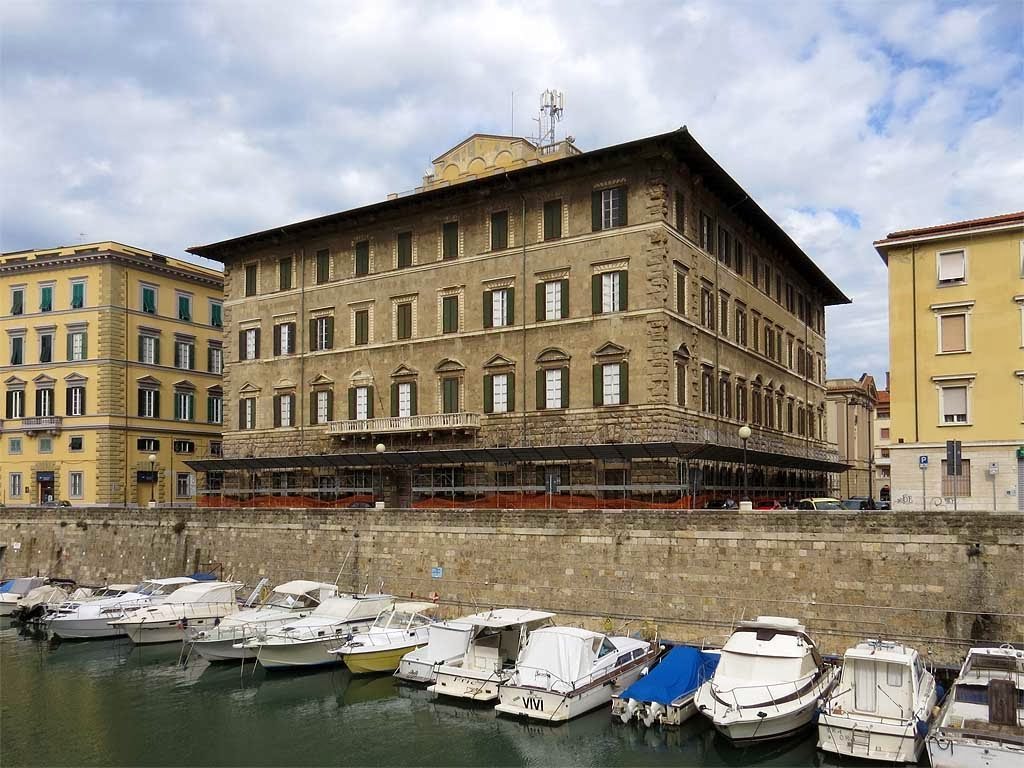
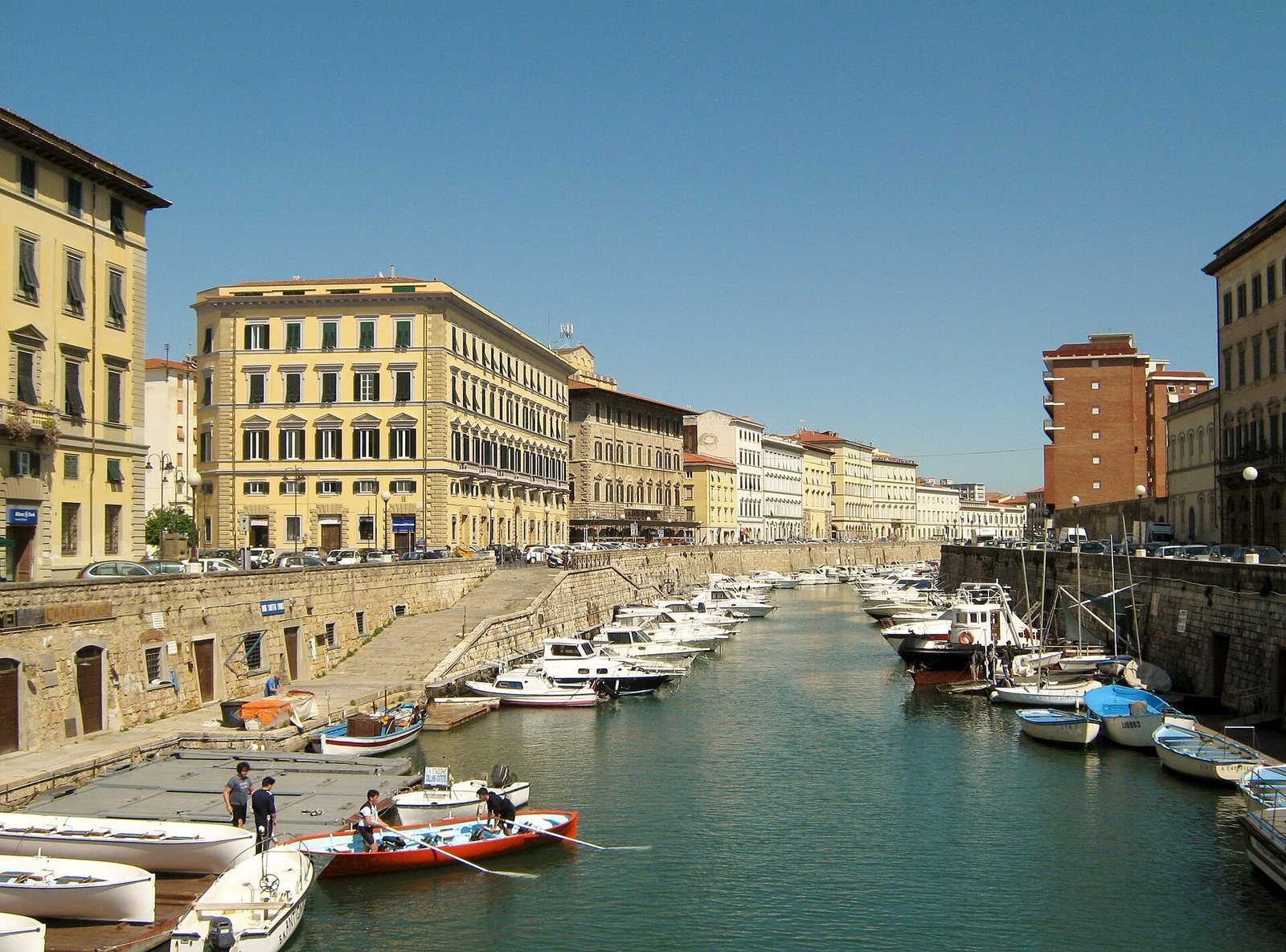
Palazzo Maurogordato is a Neo-Renaissance residence beside the Fosso Reale at Scali d’Azeglio in Livorno, Italy. Greek-born merchant Giorgio Maurogordato commissioned its design in 1856, and the building was completed in 1864. It is regarded as one of the most significant buildings along the waterway.
Urban renewal and construction
The residence arose from a major reorganization of Livorno promoted around the 1840s by Italian engineer Luigi Bettarini. The plan removed the Medici bastions that enclosed the old pentagonal town, created a large square beside the Fosso Reale, now Piazza della Repubblica, and opened new building plots along the canal. Maurogordato acquired one of these plots and entrusted the design to Giuseppe Cappellini. Master builder Giovanni Mazzanti carried out the work.
War damage and later use
The palazzo suffered damage during the Second World War. It later accommodated a local Enel electricity utility office until 2010. After the office left, the building stood unoccupied and deteriorated. In 2015, families who had been evicted occupied part of it without authorization.
Remains
Exterior
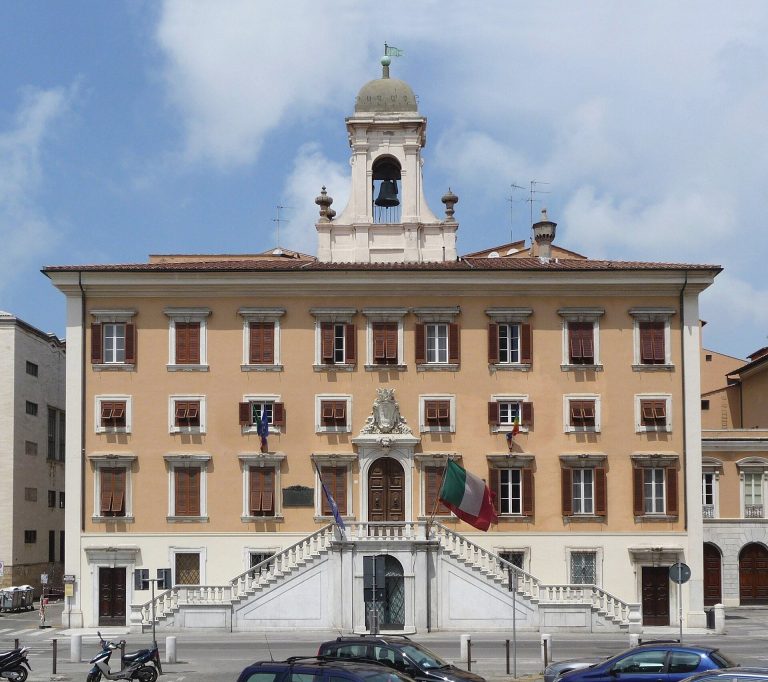
The large palazzo stands along the Fosso Reale. Its Neo-Renaissance design revives forms associated with Renaissance buildings, particularly sixteenth-century Florentine palaces. A heavy base of rough-faced masonry with emphasized joints supports a regular sequence of large openings. A broad balcony marks the entrance, while numerous pediments ornament the first-floor windows. The pediments are badly deteriorated, and the facade needs restoration.
Interiors
The interiors reflect Cappellini’s Neoclassical training, drawing on forms from classical antiquity. They include an entrance gallery, a grand staircase, and a music salon. These spaces have restrained decoration and paintings.