Velarde Palace: A Renaissance Palace in Santillana del Mar
Site at a Glance
- Popularity
- Medium
- Country
- Spain
- Primary era
- Early Modern
- Eras represented
- Early Modern
- Civilizations
- Crown of Castile, Spanish
- Site type
- Domestic
- Remains
- Elite Residence
On this page4 sections
History
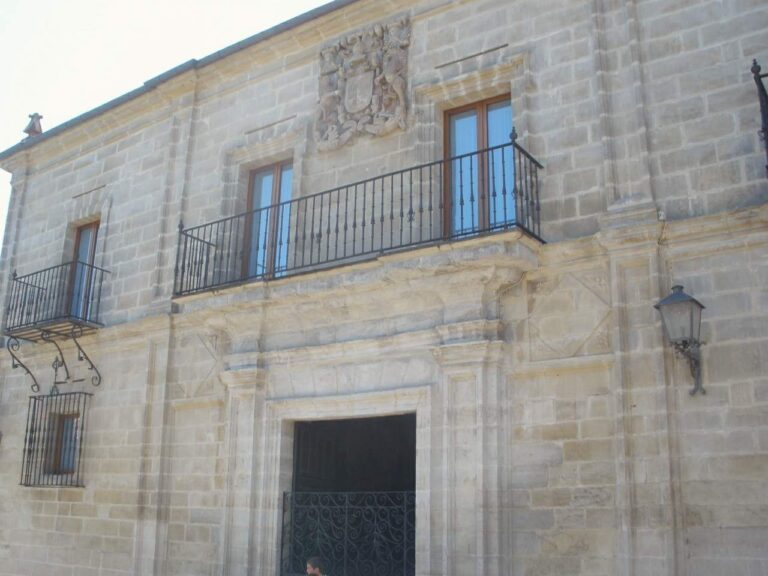
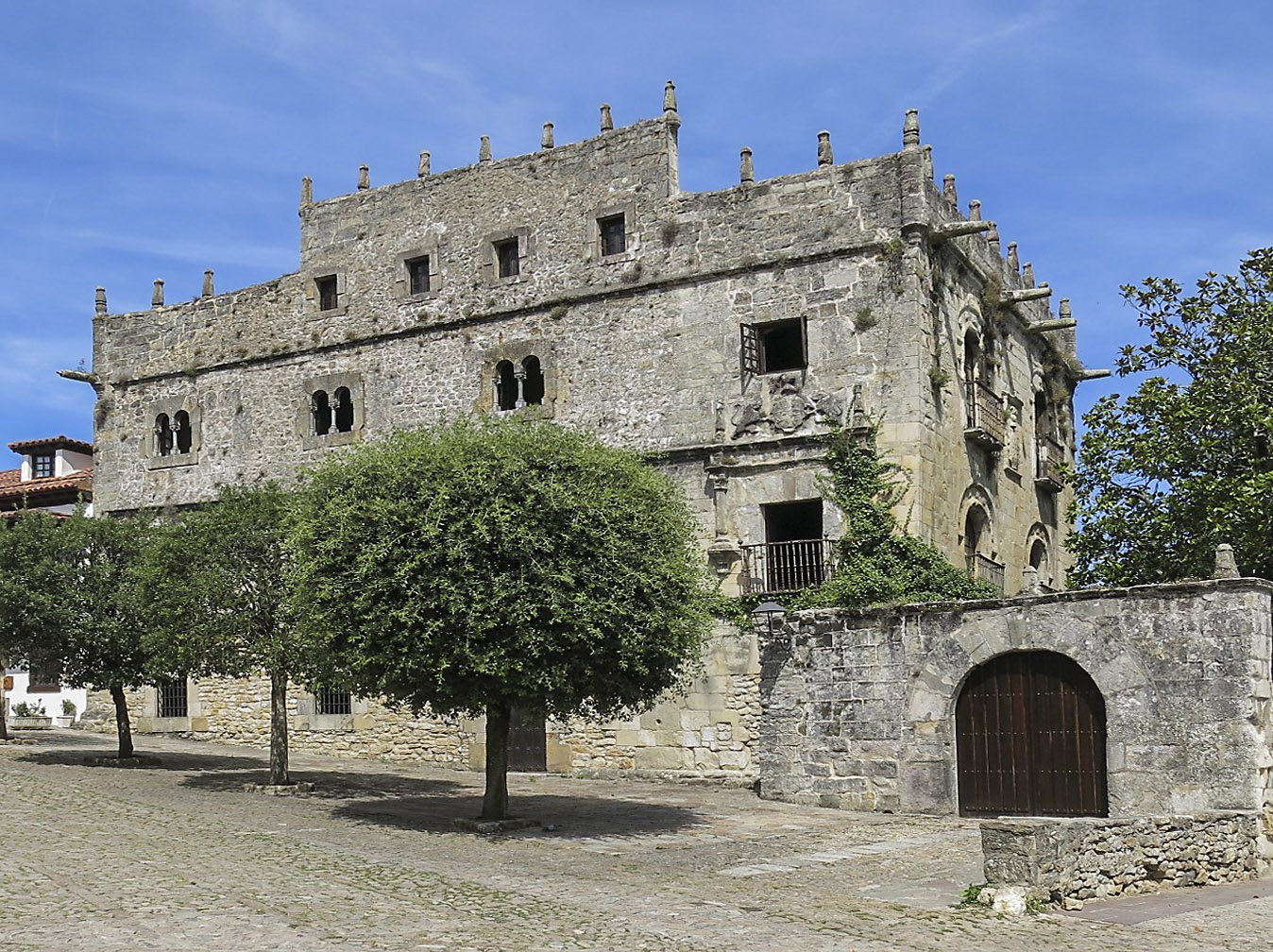
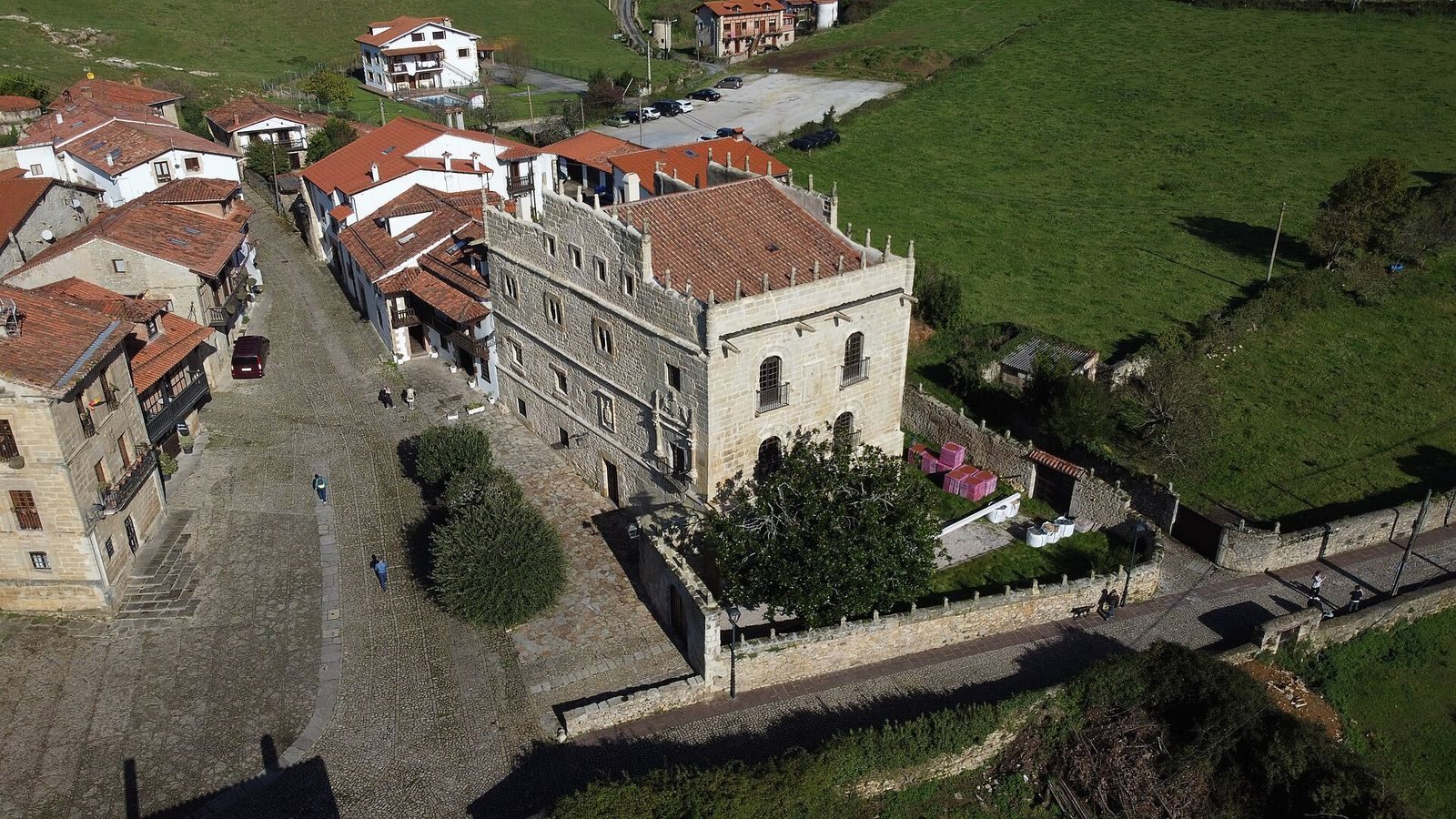
Velarde Palace, also known as the Palace of the Arenas, stands on Plaza de las Arenas in Santillana del Mar, Spain. Alonso de Velarde, a member of a powerful local lineage, had it built, and it was completed around the middle of the sixteenth century. Its architecture is Gothic and Renaissance, and the palace is specifically described as an example of the early Renaissance.
Family ownership
The palace and its descendants remained in the Velarde family until the early twentieth century. In 1915, María García de la Llata, the last hereditary owner, sold it to the writer Ricardo León.
Twentieth-century transfers
Fernando de la Cerda, Duke of Parcent, later acquired the palace and carried out an extensive restoration. When he died without children, his widow, Trinidad von Scholtz Hermensdorff, inherited it. An art patron and collector, Trinidad left the property to her daughter from an earlier marriage, María de la Piedad de Yturbe, Marquise of Belvís de las Navas.
María’s son, Prince Alfonso of Hohenlohe, subsequently inherited the palace and died in 2003. In 2008, physician Francisco Guerra put it up for sale. The palace is used as a museum.
Remains
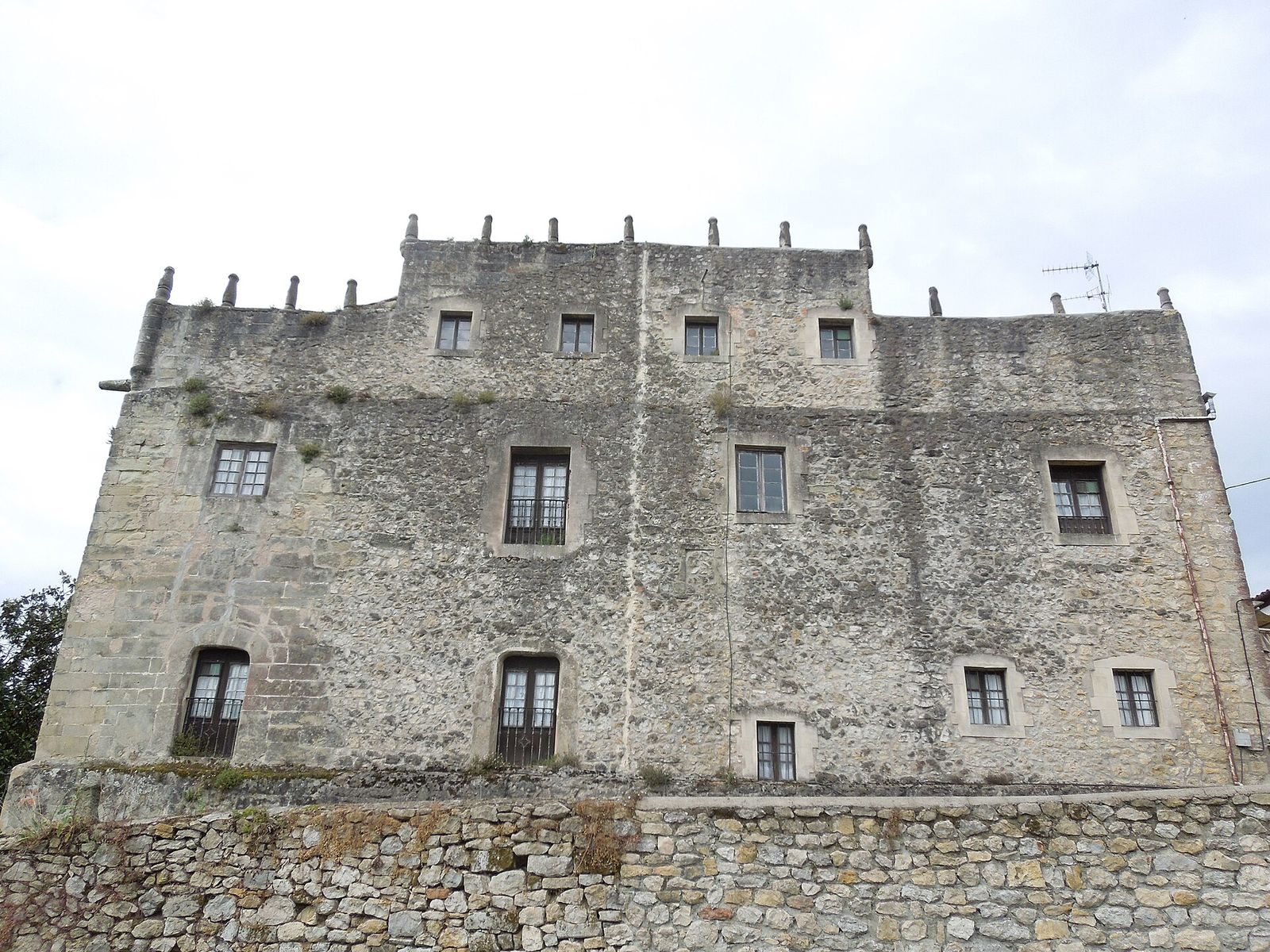
The palace’s Gothic and Renaissance character is visible in its facade and main hall. The facade has regularly spaced windows and a crowning arrangement of pinnacles, small pointed architectural ornaments. In the main hall, a dado, the lower portion of a wall, is decorated with Plateresque motifs, elaborate Spanish Renaissance ornament often compared to intricate silversmith’s work.