Palazzo Gozzani San Giorgio: A Baroque Palace in Turin
Site at a Glance
- Rating
- 3.5
- Popularity
- Very Low
- Country
- Italy
- Primary era
- Early Modern
- Eras represented
- Early Modern, Modern
- Civilizations
- Kingdom of Sardinia
- Site type
- Domestic
- Remains
- Elite Residence
On this page11 sections
History
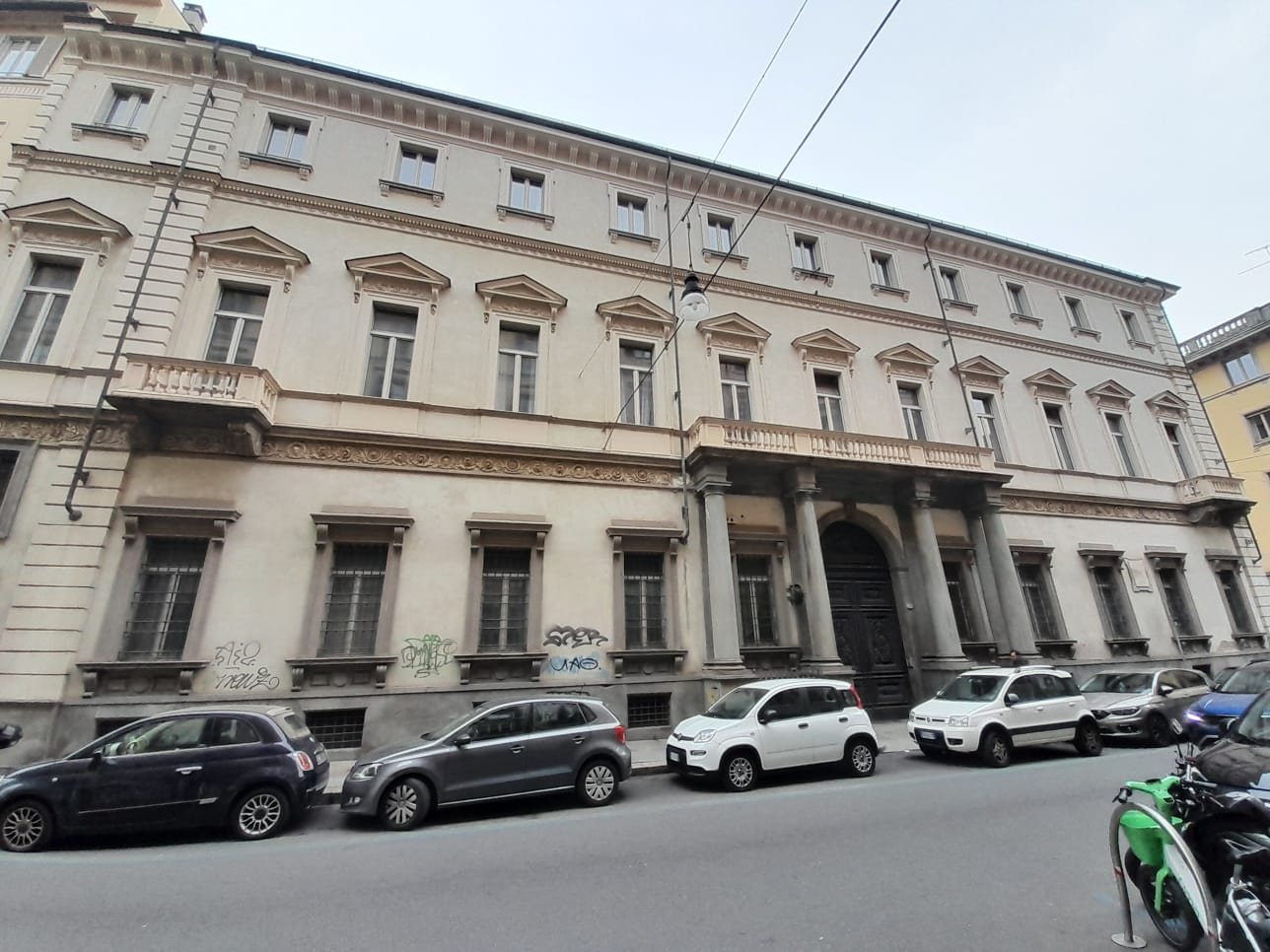
Palazzo Gozzani San Giorgio is an eighteenth-century Baroque palace in Turin, Italy, reconstructed in the first half of that century after the municipality commissioned the renewal of an older building. Baroque architecture is associated with elaborate forms and ornament. Architect Ignazio Agliaudi, a pupil of the Italian late-Baroque architect Filippo Juvarra, carried out the work to Juvarra’s design and made the palace his residence. Agliaudi was also known as Giovanni Pietro Baroni and held the title Count of Tavigliano, which explains the palace’s occasional name, Palazzo Baroni di Tavigliano.
Origins and eighteenth-century residents
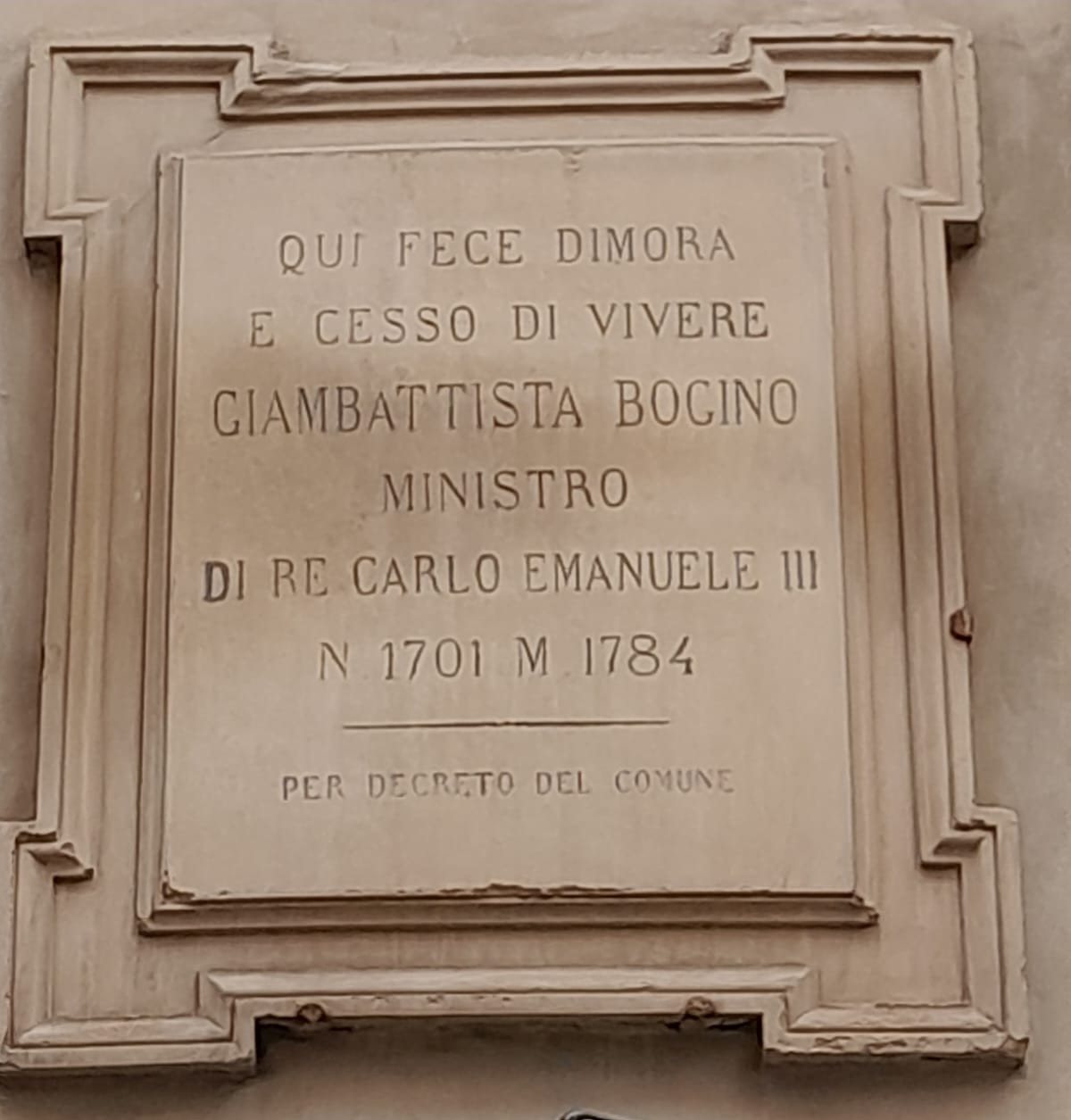
The palace was later acquired by Giovanni Battista Gozzani, Marquis of San Giorgio Monferrato. He used the property both to generate income and as a base during visits to Turin. Part of the building was occupied by Giambattista Bogino, a state minister to Carlo Emanuele III, king of Sardinia, and governor of Sardinia. Bogino died at the palace in 1784. He adopted Prospero Balbo as his son; Balbo lived there before moving to Palazzo Balbo on the same street.
In June 1769, Joseph II, a Habsburg ruler and Holy Roman Emperor, stayed at the palace while travelling to Naples to visit his sister, Maria Carolina, queen of Naples. The Duke of Chablais accompanied him.
Nineteenth-century ownership
Giovanni Battista Gozzani and his son, Marquis Carlo Antonio, died in 1791. The palace passed by inheritance to Giovanni Battista’s nephew, Marquis Carlo Giovanni. In May 1814, Austrian general and official Ferdinando Bubna stayed briefly at the property. He had expelled French forces from the region during the Napoleonic era and served as governor-general of Piedmont, Nice, and Savoy. His stay came before Vittorio Emanuele I, king of Sardinia, returned to Turin.
Carlo Giovanni left his estate to his Austrian cousin Felice Carlo Gozzani in 1827. The Gozzani family retained the palace until 1861, when a court in Casale declared Felice Carlo bankrupt and the property passed to credit institutions.
Restoration and later use
The palace was restored in 1951 and 1968, then again between 1980 and 1986 by Banca Nazionale dell’Agricoltura. It later passed to Banca Monte dei Paschi di Siena. Reale Mutua Assicurazioni is identified as its present owner, and the palace is used as a residence.
Remains
Architectural features
Overall form
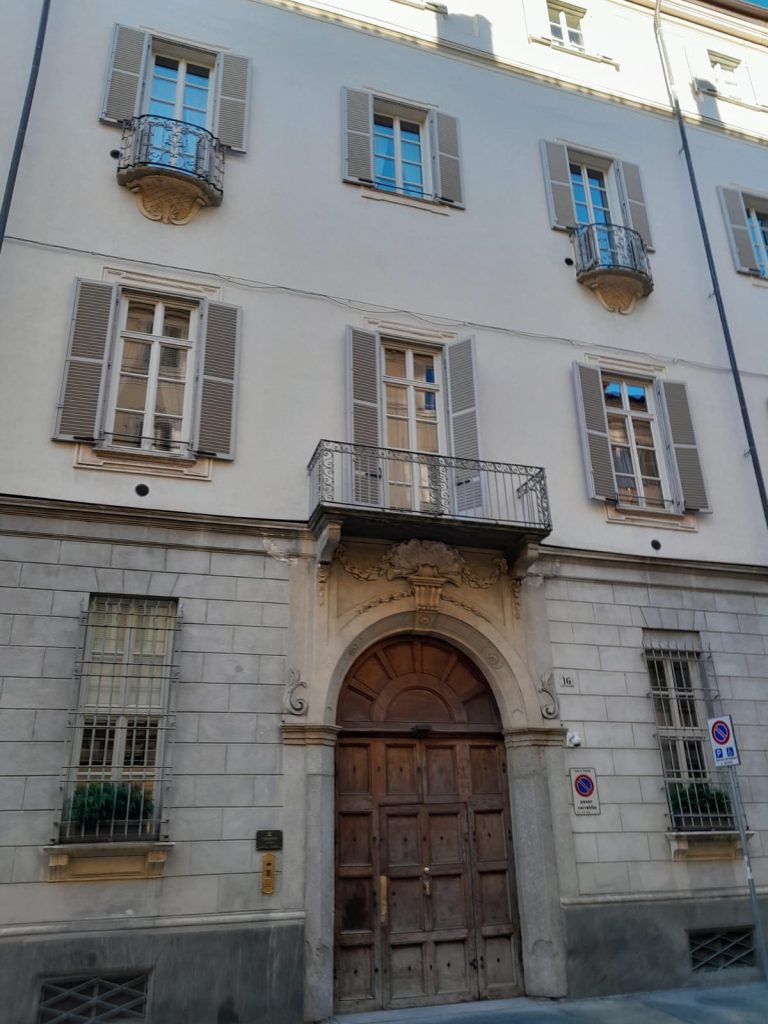
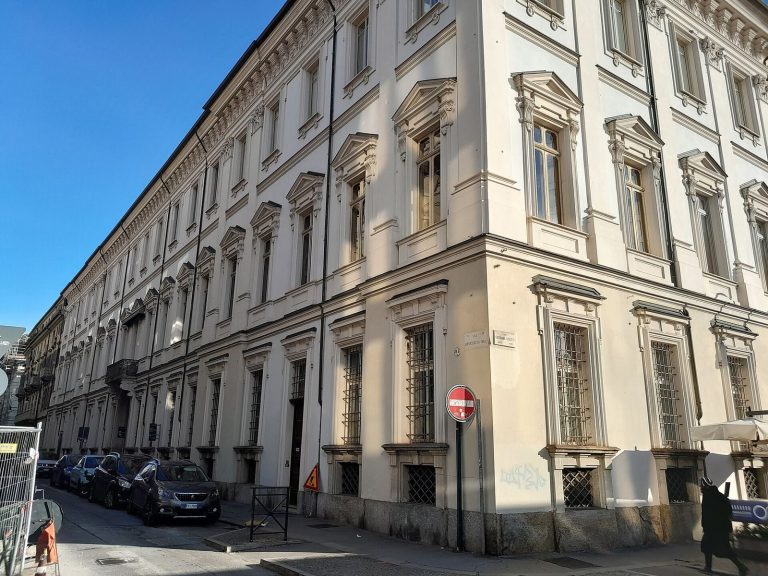
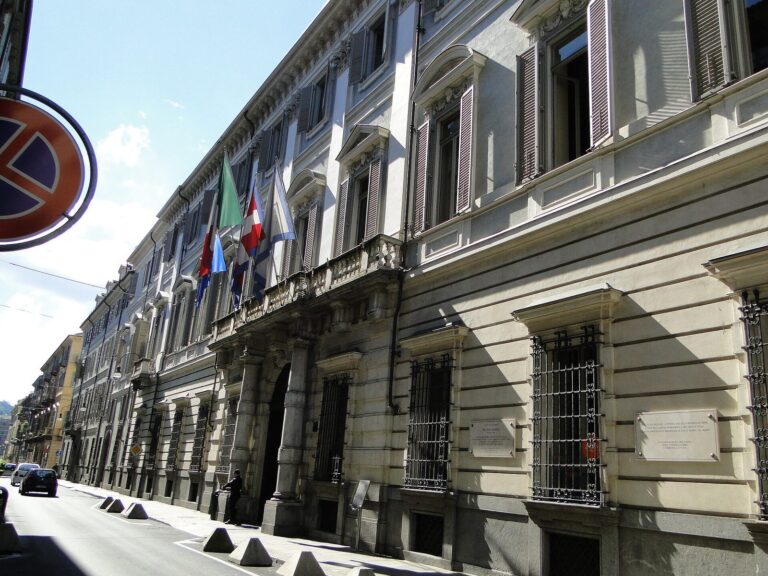
The palace has four floors above ground. Its eighteenth-century design is Baroque, while the facade was later remodelled in the Neoclassical style, which draws on classical design.
Facade
A plaque on the facade commemorates Giambattista Bogino’s time at the palace.
Interior decoration
Frescoes by the Galliari brothers were still present inside the palace in the early nineteenth century.
Wing and courtyard
An alteration in 1840 added a right-hand wing at Via Giolitti 13, which has a terrace, and a courtyard. Architects Antonelli and Bollati designed the courtyard, where black and white cobbles form a circular pattern.
Coat of arms
A coat of arms carved from fine marble and attributed to Giovanni Battista Gozzani depicts the head of a fair-skinned youth. Its shield is divided into sections corresponding to the arms of Casale and Luzzogno. The family later replaced it with its feudal arms, which featured Moor’s heads. The earlier marble coat of arms is now displayed at the Museum of Ancient Art in Palazzo Madama. It was probably removed from the palace during renovations after 1861.