Palazzo Liviano: A University Palace in Padua
Site at a Glance
- Rating
- 4.6
- Popularity
- Medium
- Country
- Italy
- Primary era
- Modern
- External website
- Open
- Eras represented
- Medieval, Early Modern, Modern
- Civilizations
- Italian, Venetian
- Site type
- Civic
- Remains
- University
On this page12 sections
History
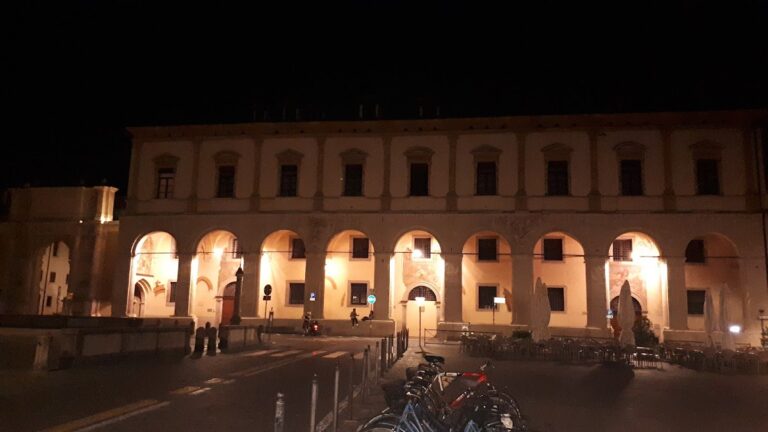
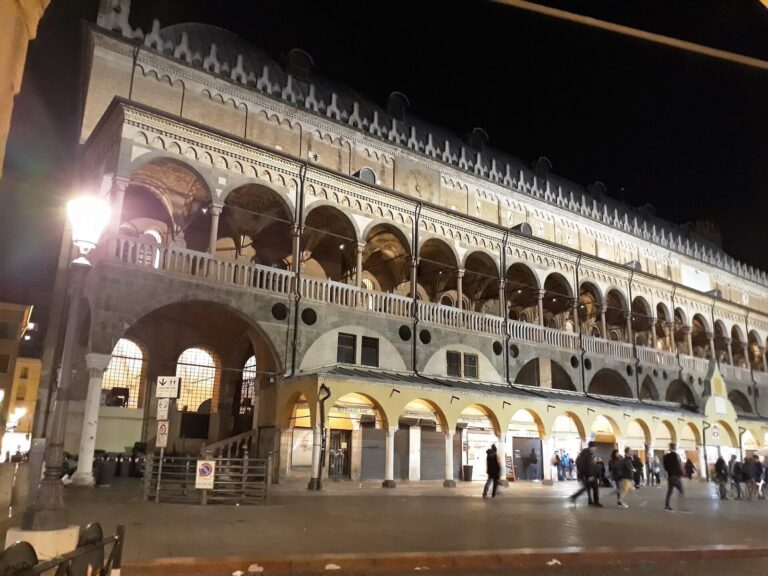
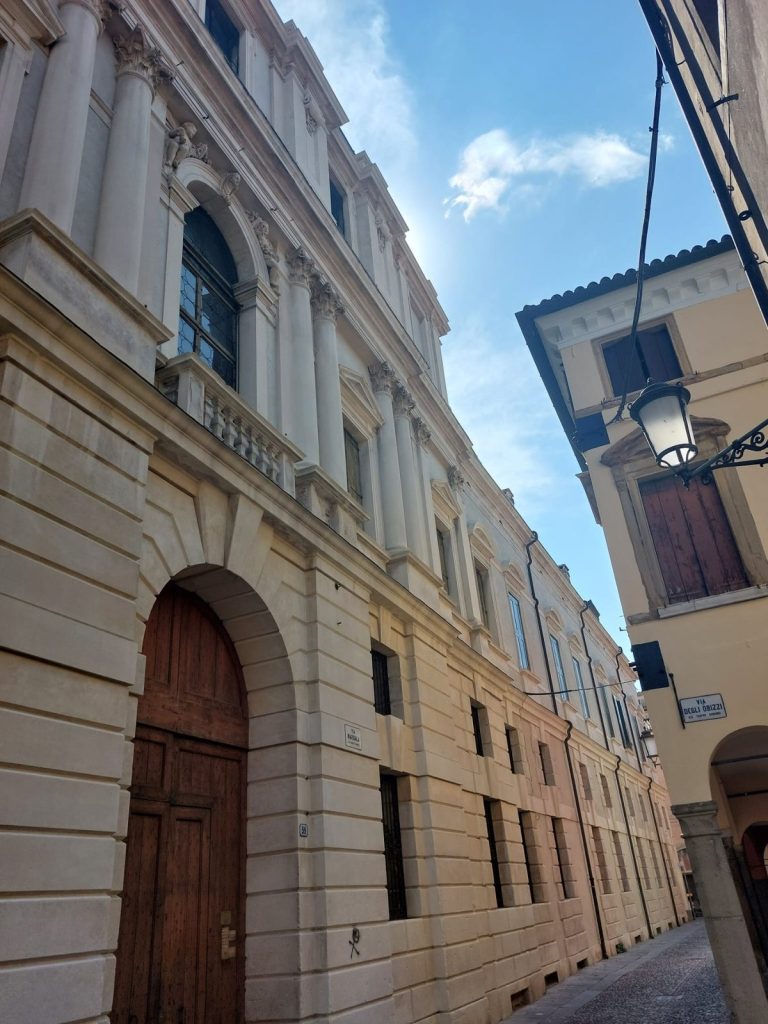
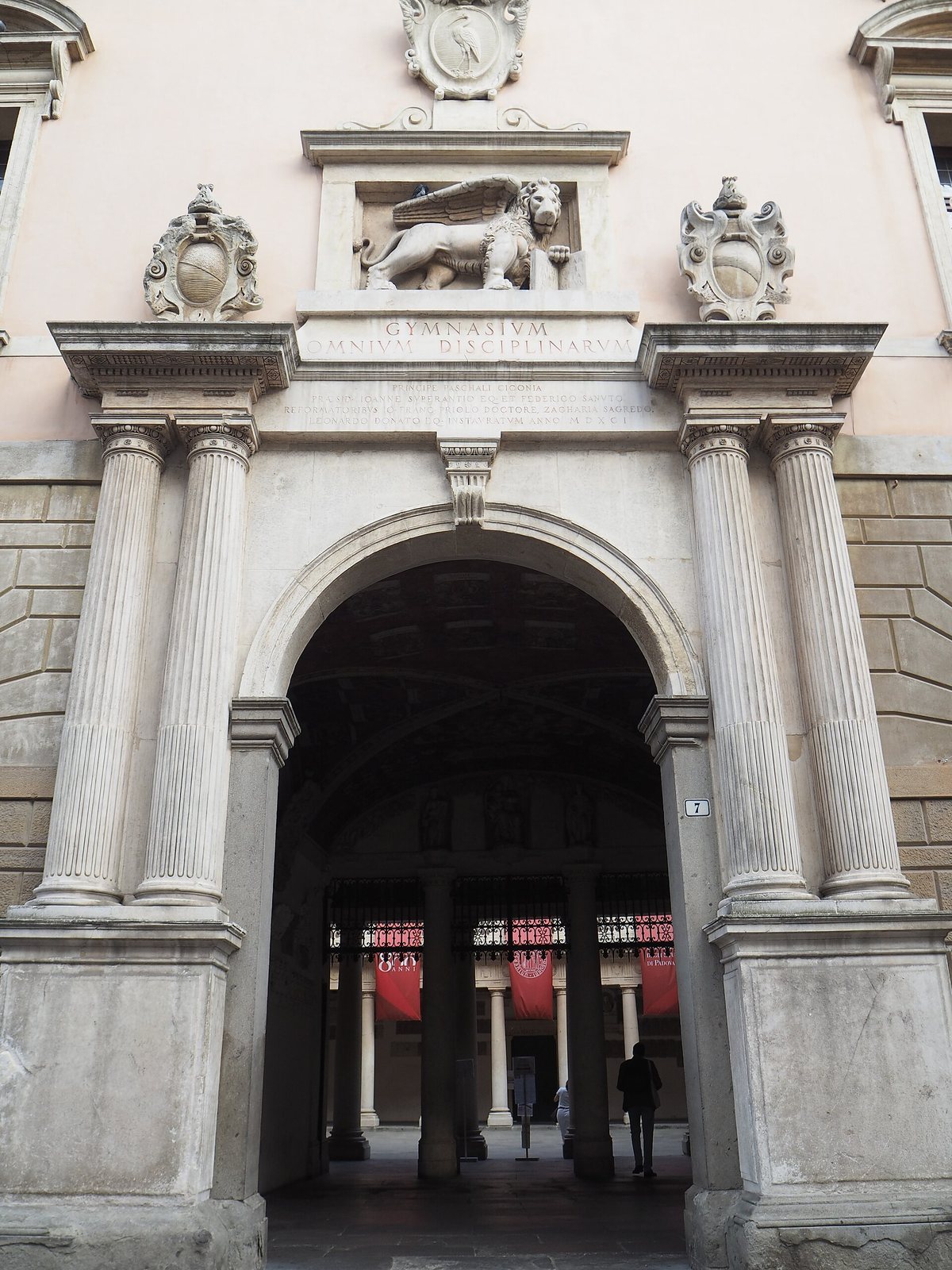
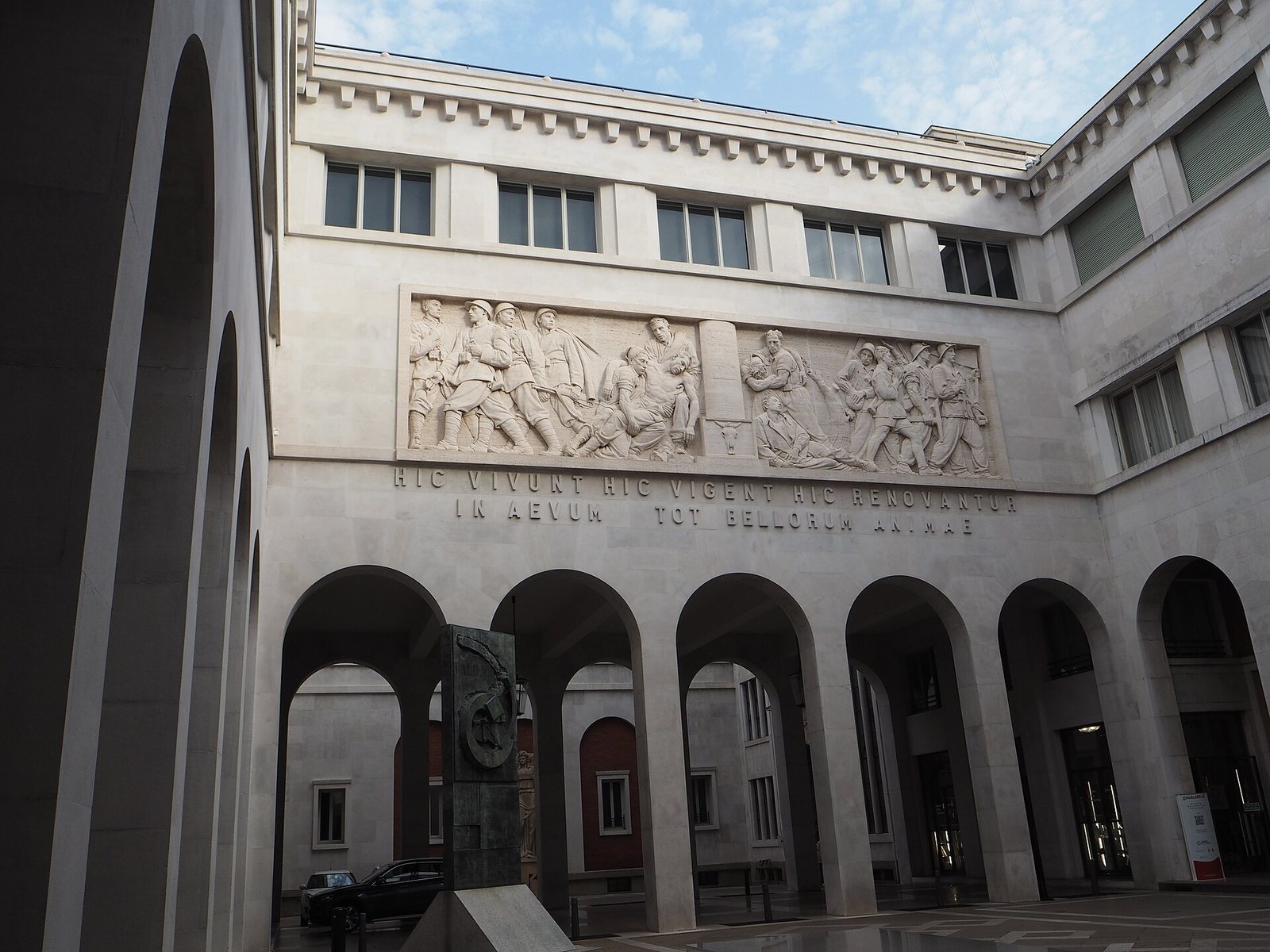
Palazzo Liviano is a university palace in Piazza Capitaniato, Padua, Italy, built between 1930 and 1940 in the metaphysical style, associated in Italian art with enigmatic or unreal imagery. Gio Ponti designed the building and its furnishings. Carlo Anti initiated the project as part of a wider university renewal; he served as rector, or head, of the University of Padua from 1932 to 1943. The palace is named for Livy, the Roman historian.
From Carrara courtyard to Venetian seat
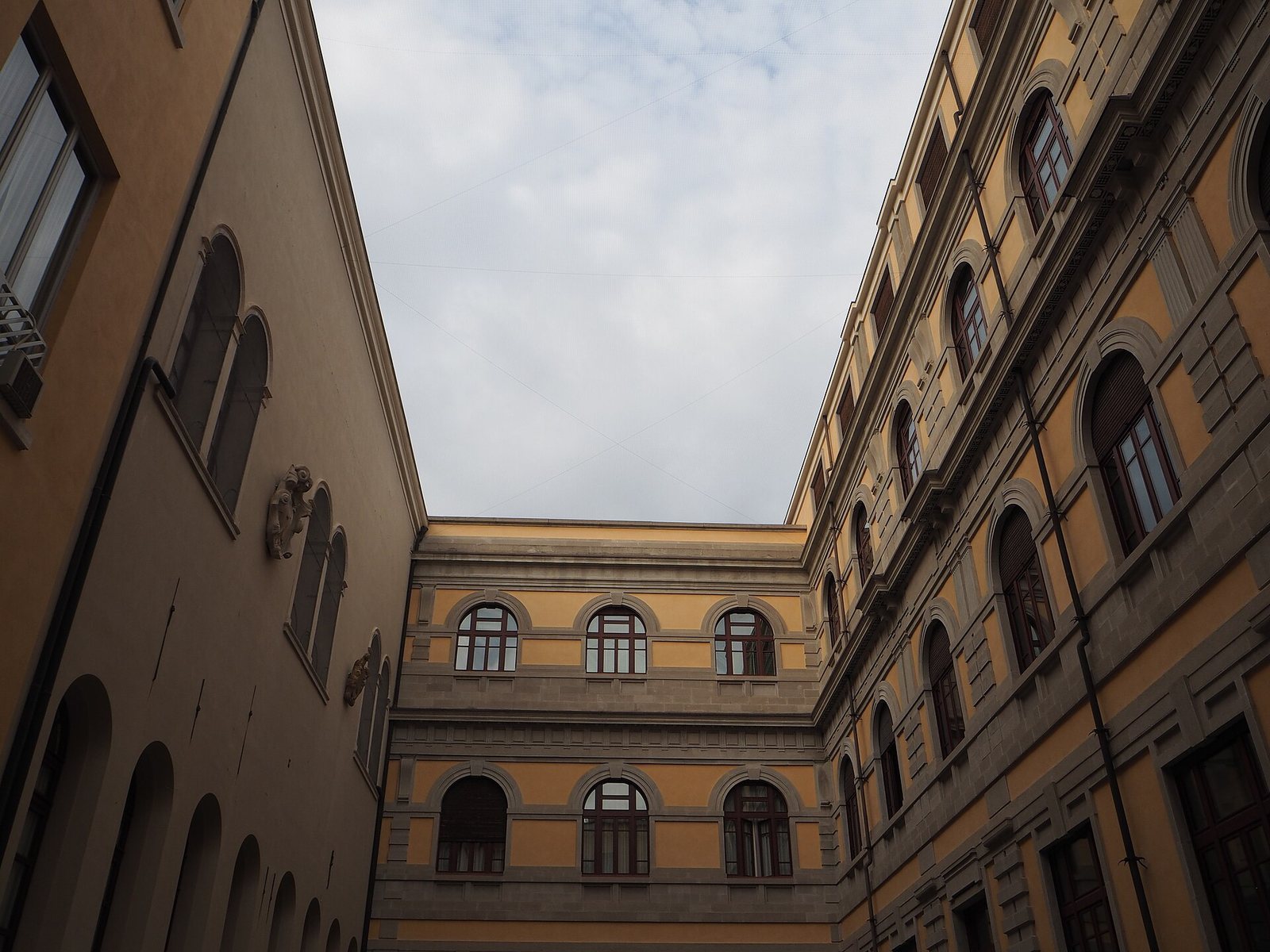
The building occupies the western side of Piazza Capitaniato, once a courtyard of the Carrara palace. Under Venetian rule, the area was redeveloped to provide a seat for one of the two Venetian captains governing Padua. Palazzo Liviano also incorporated remains of the earlier Palazzo del Capitanio.
The Sala dei Giganti
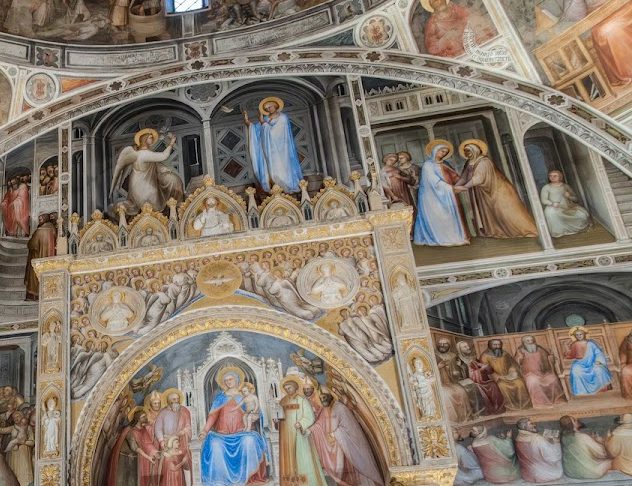
The Carrara rulers built the Sala dei Giganti (Hall of the Giants) in the fourteenth century as a reception room. In the fifteenth century it passed to Venetian governors, who added decoration and let the University of Padua use it for celebrations and lectures. Its early-sixteenth-century frescoes, wall paintings made on wet plaster, continued a subject treated in an earlier room of the Carrara palace. That lost room’s paintings drew inspiration from a work by Petrarch, the medieval Italian poet and scholar, who was then a guest of Padua’s rulers.
The hall served as the university library until the early twentieth century. After its bookcases were removed, it was used for university ceremonies, concerts, and conferences.
The university palace
Since 1937, the palace has housed the Museum of Archaeological and Artistic Sciences. It also accommodates University of Padua units devoted to the humanities, social sciences, and cultural heritage, including archaeology, art history, cinema, and music. On 22 April 1978, Professor Ezio Riondato was shot in the leg as he entered a classroom in the palace. The Fighting Communist Committees, an Italian militant communist organization, claimed responsibility.
Remains
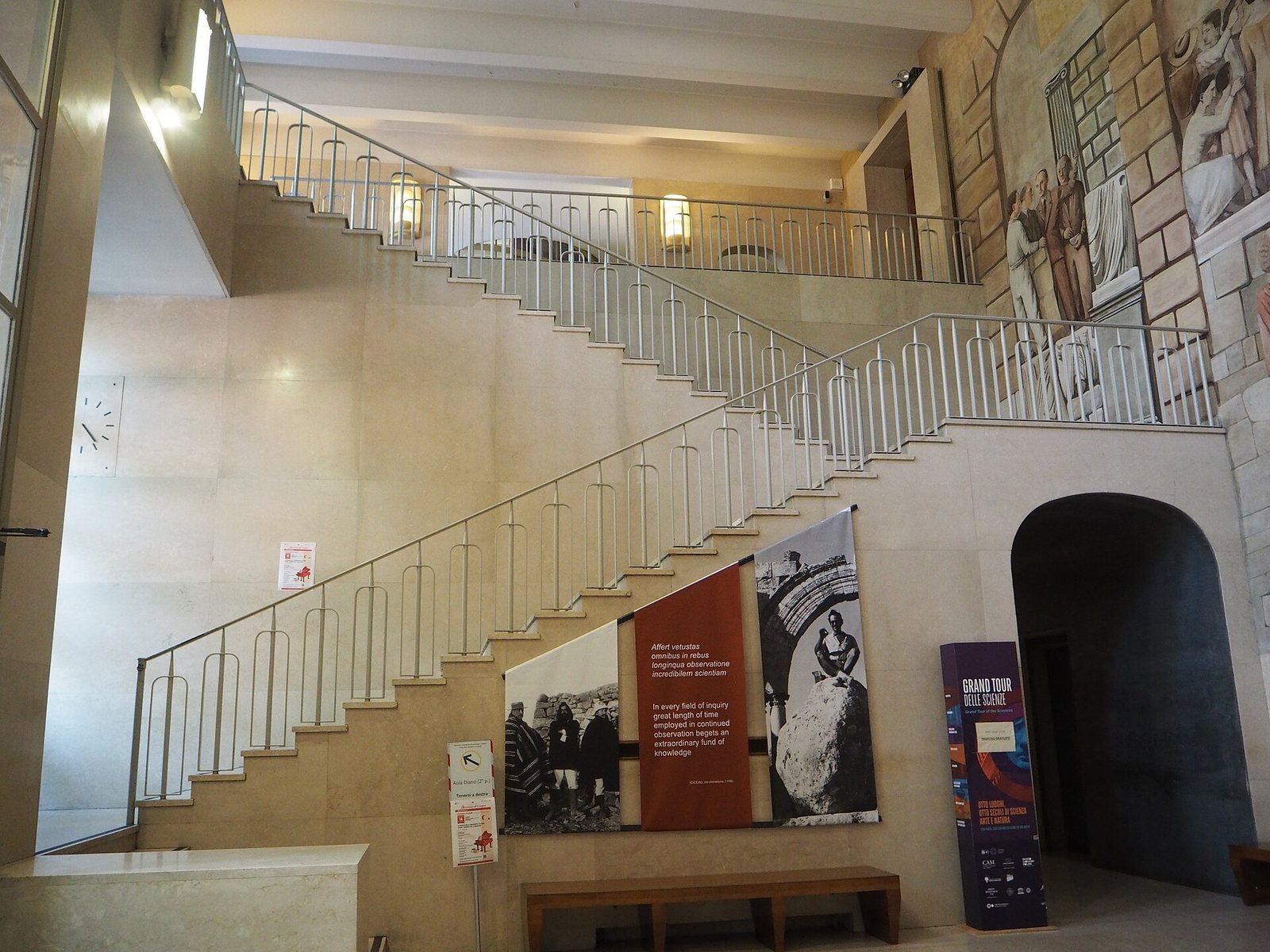
The twentieth-century palace follows the metaphysical style and incorporates physical remains of the Palazzo del Capitanio. Its layout includes an entrance hall, the Museum of Archaeological and Artistic Sciences on the third floor, and air-raid shelters in the basement. A staircase along one side connects the palace to the Hall of the Giants.
Palace interiors and collections
Entrance-hall frescoes
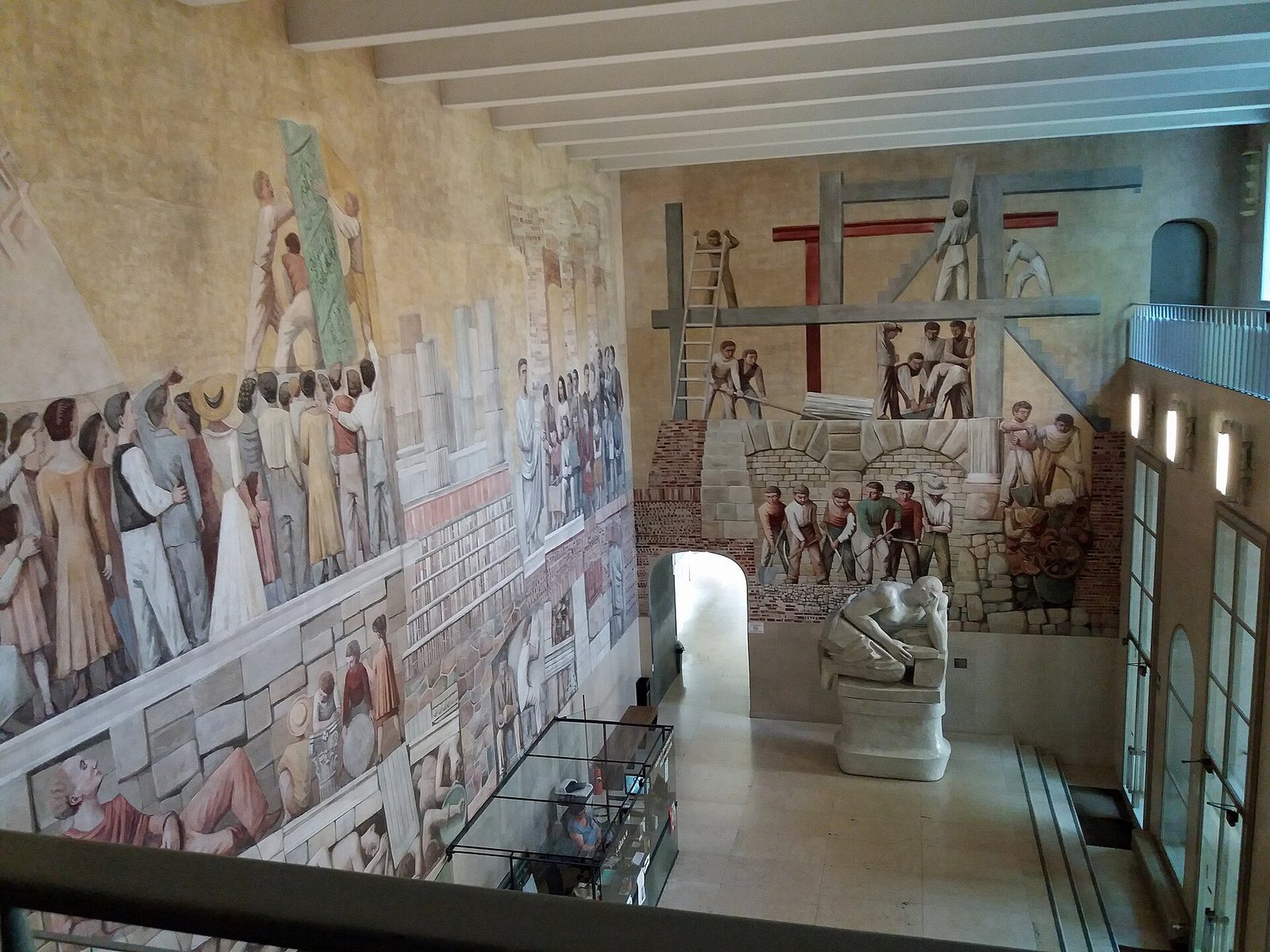
Massimo Campigli painted an entrance-hall fresco between 1937 and 1940 with Giuditta Scalini, presenting archaeology as part of Italy’s cultural heritage. Another fresco, on the left side of the central band of the main wall, portrays Campigli, Ponti, Anti, and Scalini. Scalini is shown in masculine clothing, holding project plans. The palace’s frescoes were restored in 2009.
Livy sculpture
In the entrance hall, a sculpture depicts Livy leaning forward in a thoughtful pose. Arturo Martini made the work in 1942.
Museum collections
The museum’s holdings include sculptural works from antiquity and the Renaissance, as well as archaeological finds associated with the Etruscan, Greek, and Roman periods.
Basement shelters
Air-raid shelters occupy the palace basement. They were never used.
Commemorative plaque
A plaque marks the place where the 1978 attack on Professor Riondato occurred.
The Hall of the Giants
Painted figures cover the hall’s walls at life size, depicting ancient heroes and other historical figures. The portraits include figures ranging from Romulus, the legendary founder of Rome, to Charlemagne, a medieval emperor, as well as prominent Italians from the past.