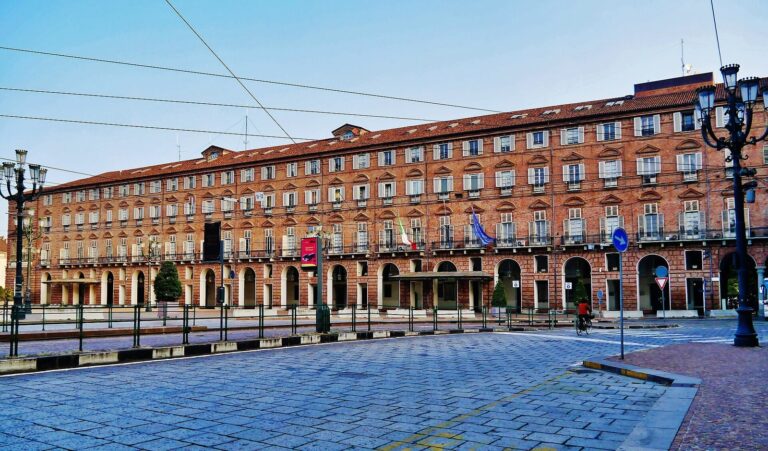
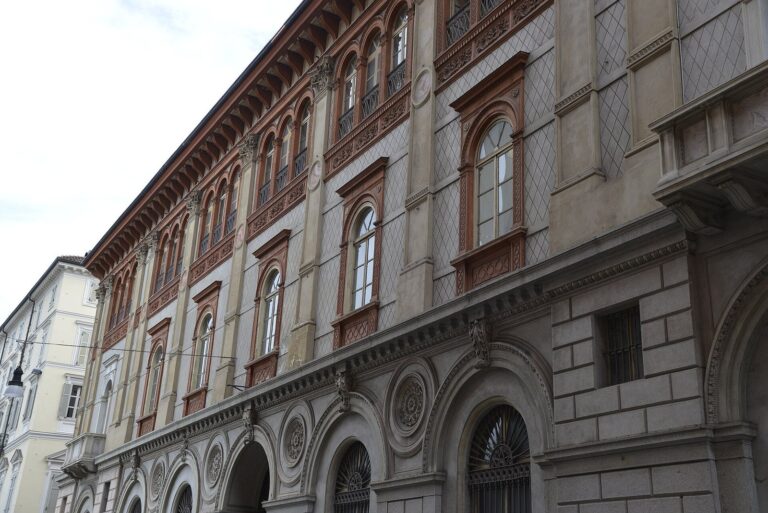
Palazzo dell’Università in Turin: Baroque Seat of the University
Site at a Glance
- Rating
- 3.9
- Popularity
- Medium
- Country
- Italy
- Primary era
- Early Modern
- Eras represented
- Early Modern, Modern
- Civilizations
- Duchy of Savoy, Kingdom of Sardinia
- Site type
- Civic
- Remains
- University
On this page6 sections
History
Palazzo dell’Università, also known as Palazzo del Rettorato, is an eighteenth-century Baroque university palace in Turin, Italy. It was built as part of a major reform of the University of Turin and has served as the university’s central seat since its construction.
Commission and construction
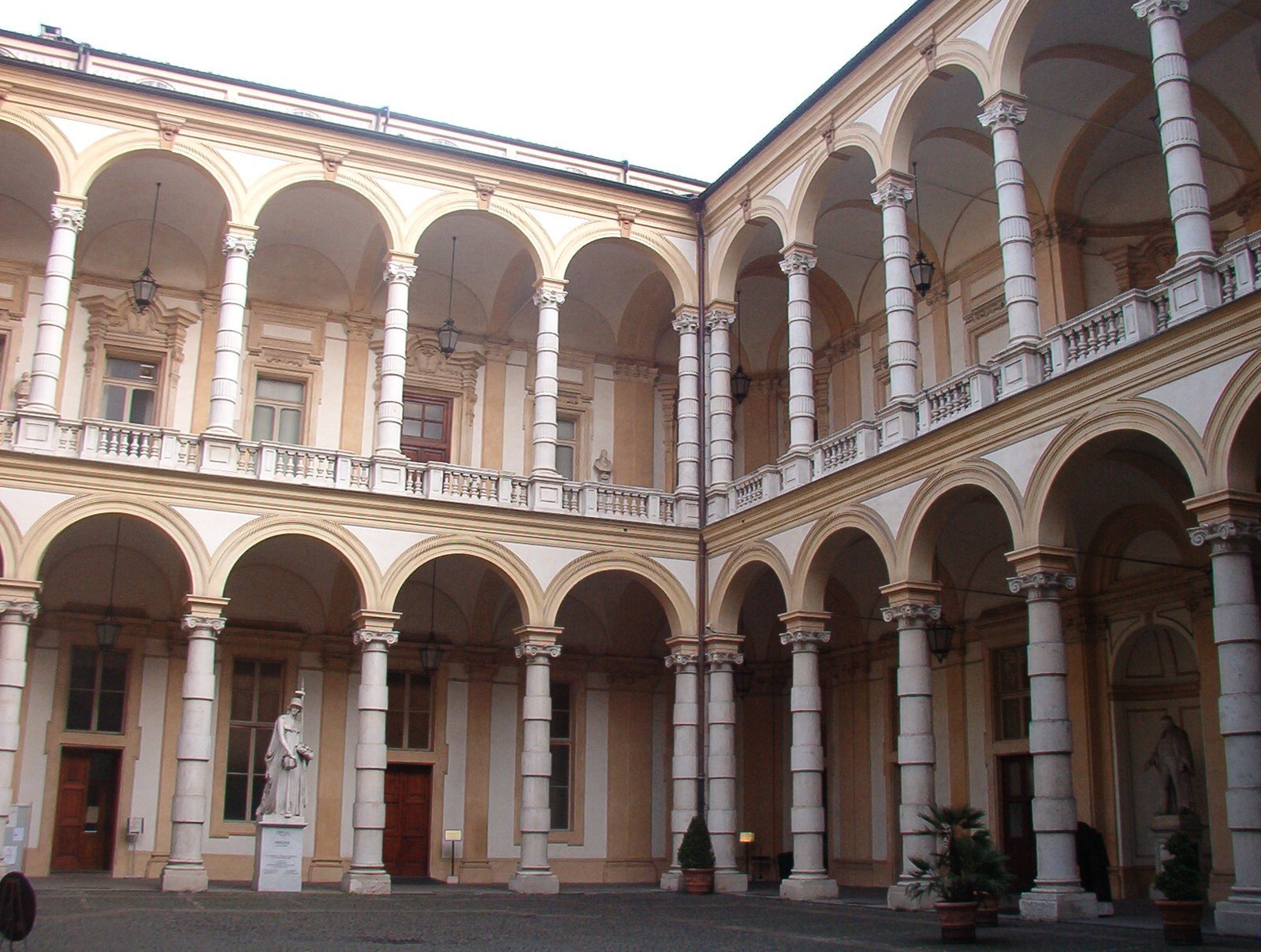
In the early eighteenth century, Victor Amadeus II of Savoy, a ruler of the House of Savoy who later became king of Sardinia, commissioned the palace as part of his university reform. Architect Michelangelo Garove submitted a design in 1713, the year he died. Giovanni Antonio Ricca the Elder was then appointed to carry out the work and revised the plan, replacing closed arches with a courtyard featuring a portico and loggia. Filippo Juvarra also worked on the building between 1715 and 1726.
Construction was completed in 1720, and the palace was inaugurated on 7 November that year.
University use and later change
The palace has remained the university’s central seat since it was built. Its Via Verdi entrance portal was added in 1834. Today the building houses university offices, the Rectorate, and some faculties.
Remains
Street façades and entrance
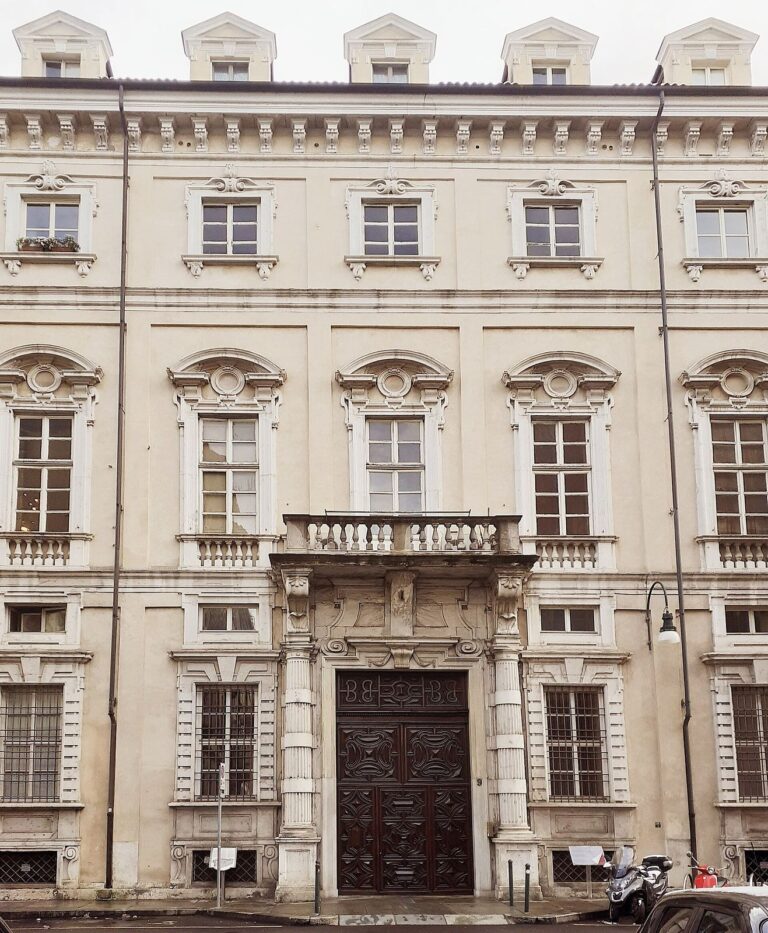
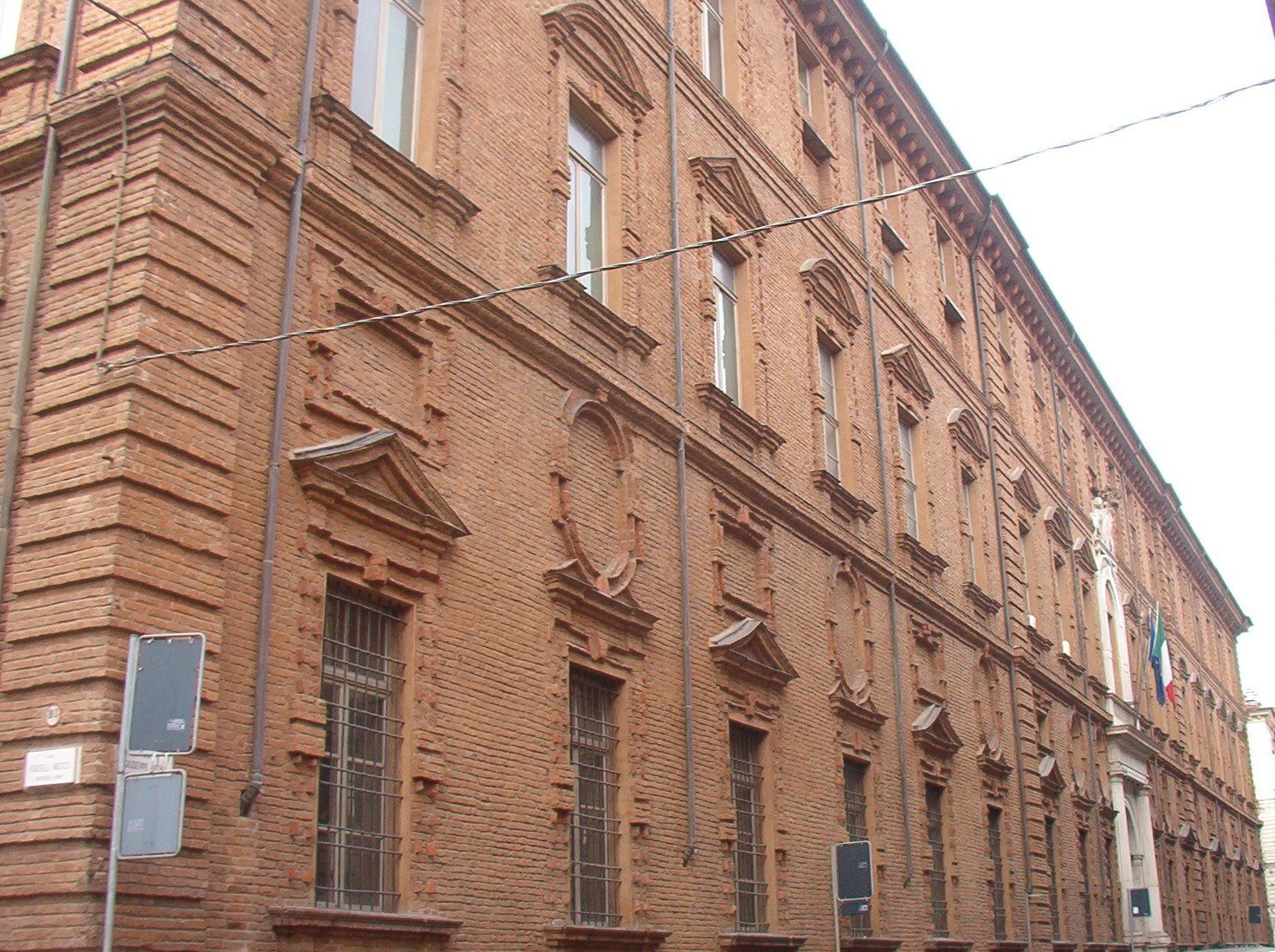
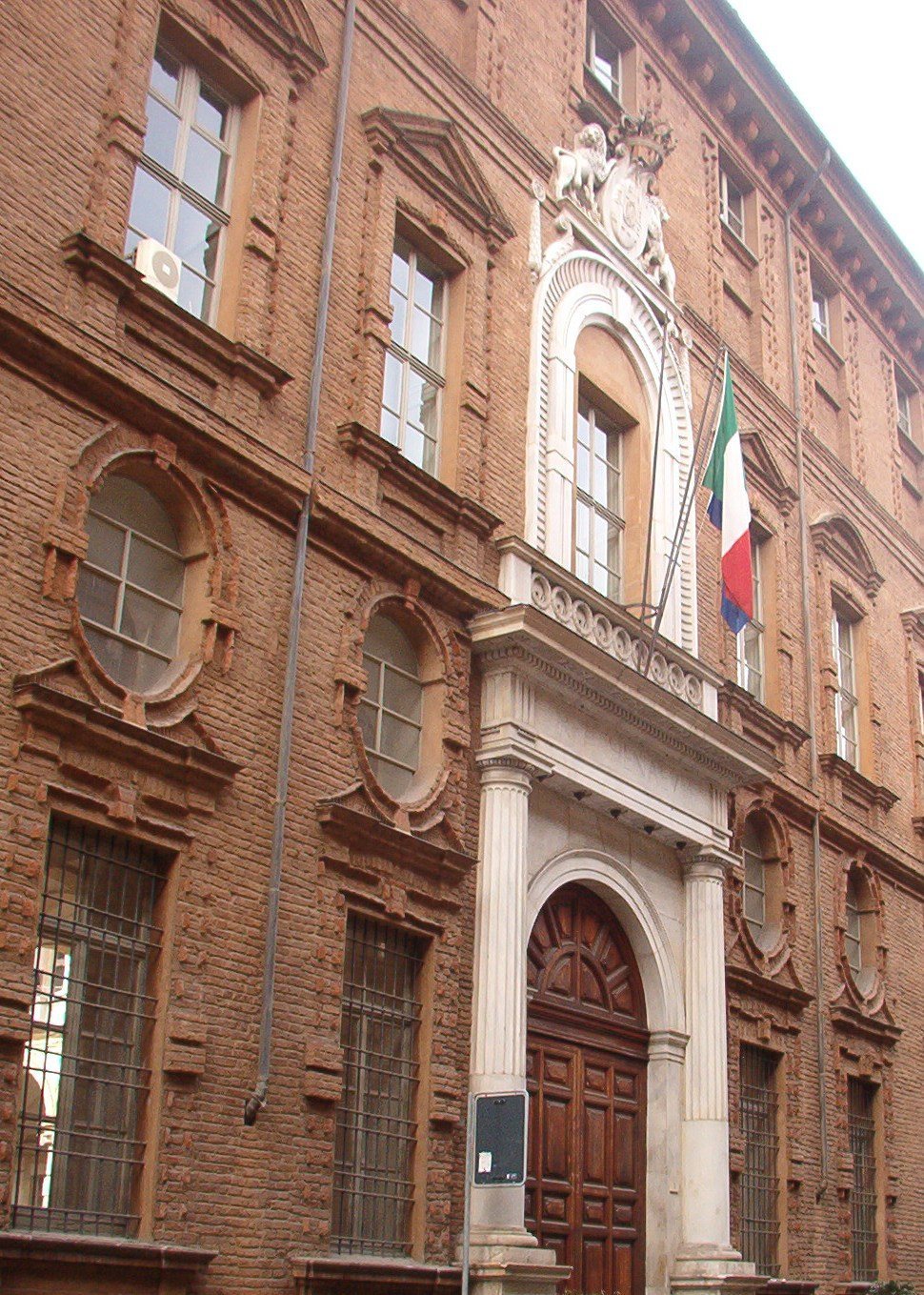
The palace occupies the block between Via Verdi and Via Po, with its street façades arranged around an inner courtyard. The Via Verdi façade is made of terracotta and is attributed to Filippo Juvarra; the façade on Via Po follows the character of the historic street. The entrance on Via Verdi has a Neoclassical portal designed by Giuseppe Maria Talucchi.
Courtyard and portico
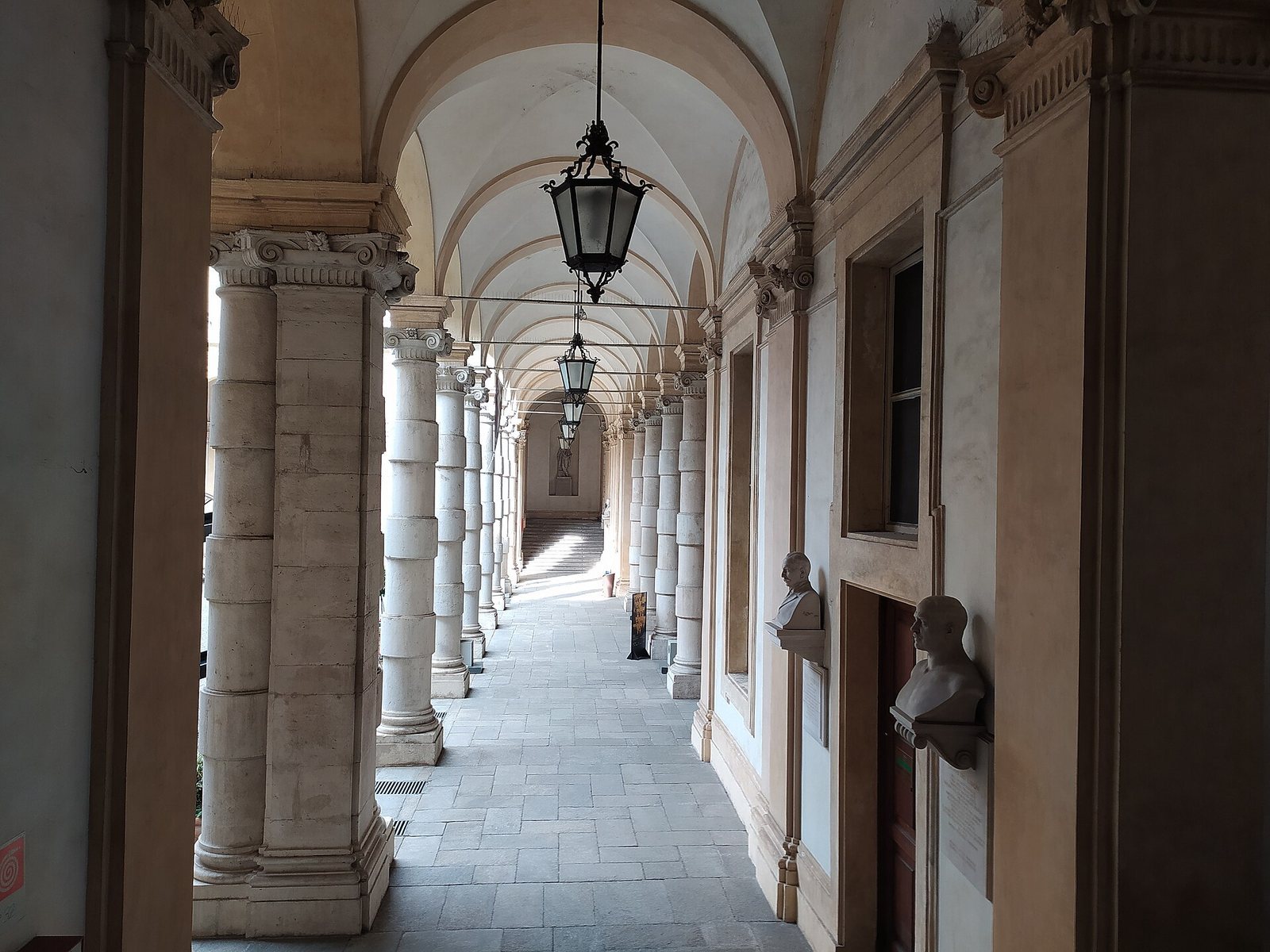
The courtyard combines a portico with a double loggia, a two-level arrangement of covered galleries open along their sides. Beneath the galleries are 54 busts and statues of professors who taught at the university, four sculpted by Luigi Cauda. A courtyard plaque commemorates the theology degree Erasmus of Rotterdam earned in Turin in 1506. A statue of jurist and politician Francesco Ruffini stands in the portico.