Palazzo del Comune in Reggio Emilia: Seat of Municipal Government
Site at a Glance
- Popularity
- Low
- Country
- Italy
- Primary era
- Medieval
- Eras represented
- Medieval, Early Modern
- Civilizations
- Holy Roman Empire
- Site type
- Civic
- Remains
- Town Hall
On this page7 sections
History
Palazzo del Comune in Reggio Emilia, also known as Palazzo Casotti, is a neoclassical municipal palace in Italy. Built between 1414 and 1417, it became the meeting place of the city council in 1434. Its history connects local government with the adoption of Italy’s first national flag.
Medieval and Renaissance development
The palace was enlarged in 1461 with the addition of a wing. In the years that followed, Antonio Casotti directed a further expansion by raising the building.
Renovation and civic use
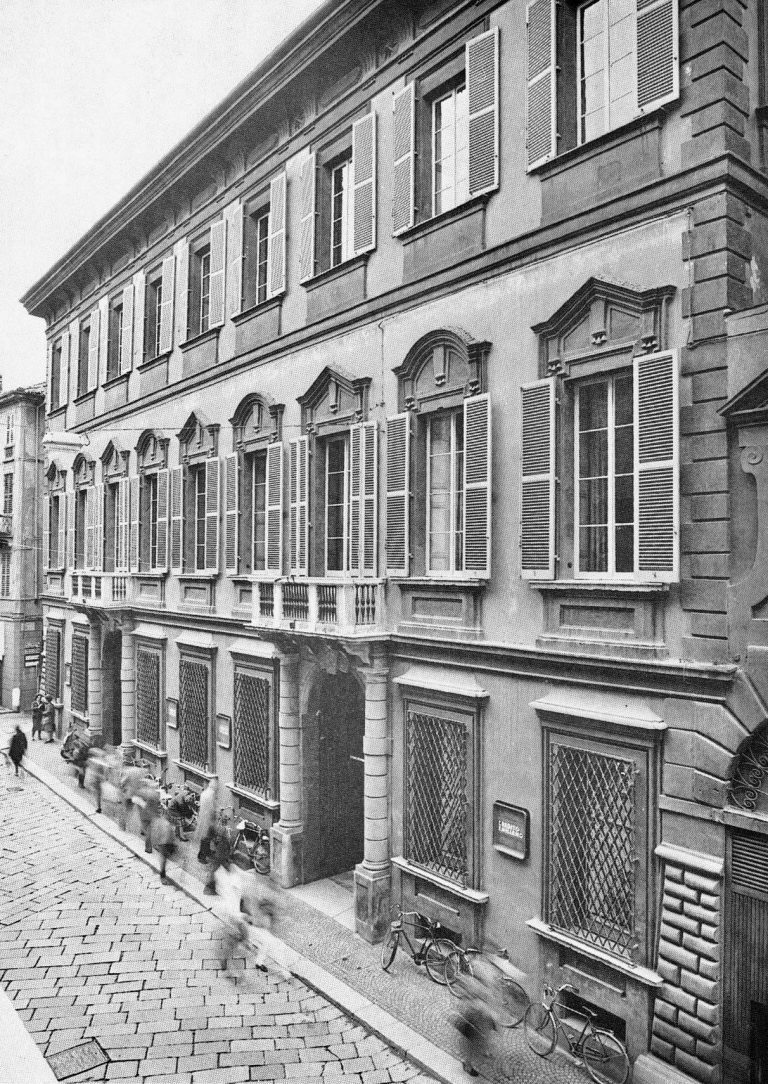
Prospero Pacchioni carried out a complete renovation in 1583. Ludovico Bolognini designed the façade, which was completed in 1774. Between 1772 and 1785, the Tricolour Hall housed a new municipal archive created by Bolognini.
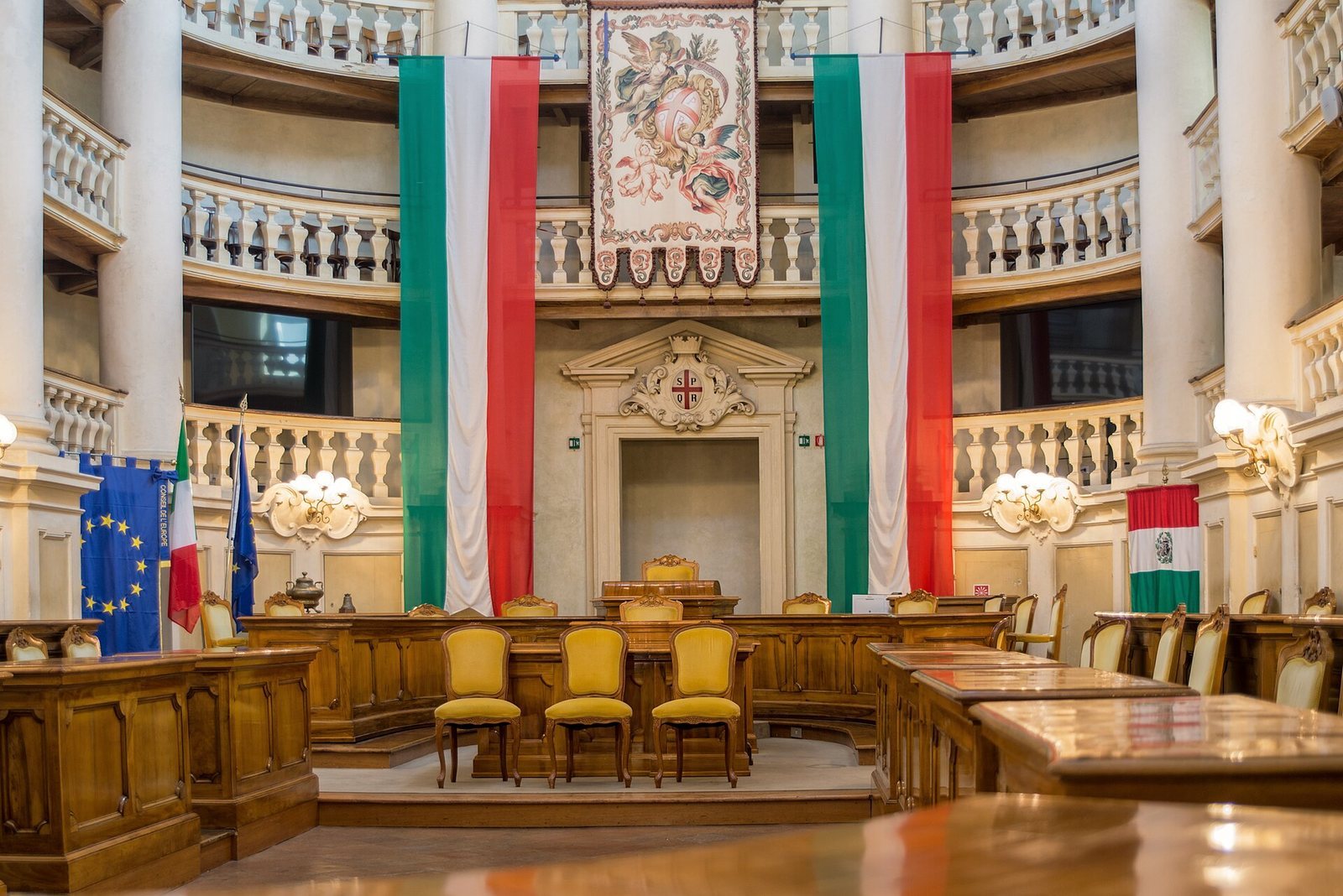
The hall later became the congress chamber of the Cispadane Republic, a short-lived northern Italian republic formed during the French Revolutionary era. On 7 January 1797, the congress approved a red, white, and green national banner there. It became Italy’s first national flag, and the hall subsequently took the name Sala del Tricolore.
The palace continues to serve as the seat of Reggio nell’Emilia’s municipal administration and is used for official representation.
Remains
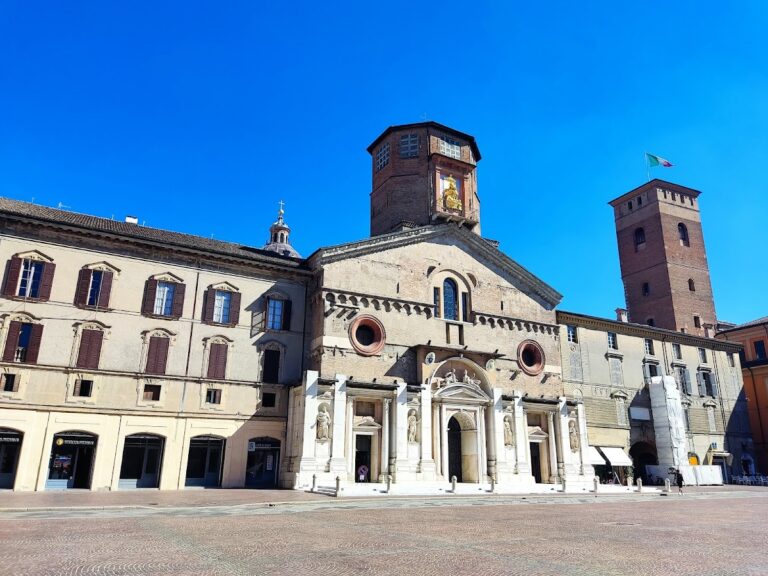
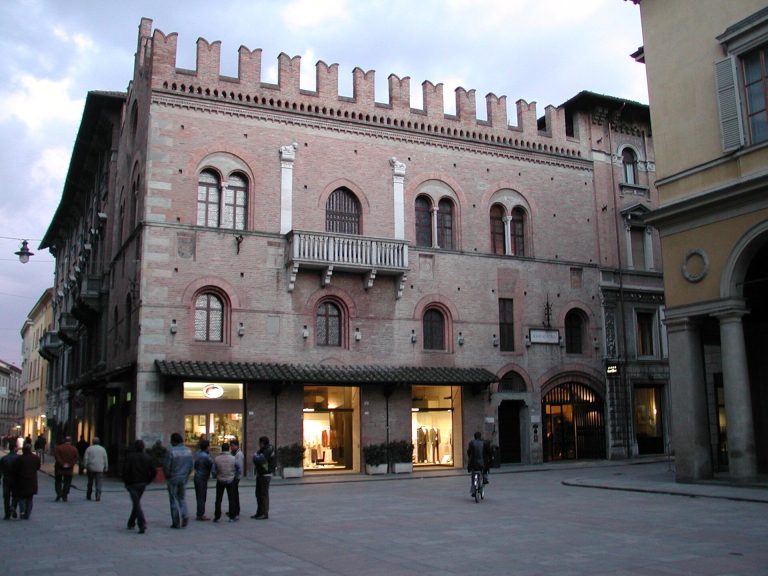
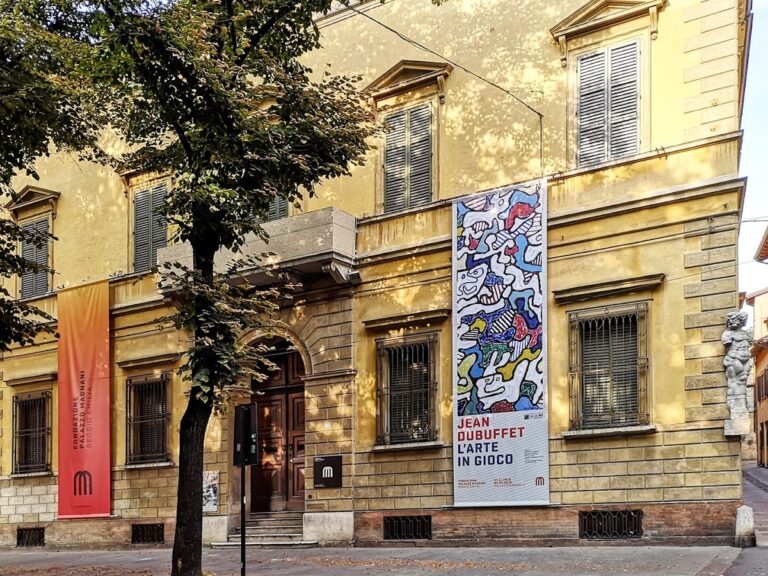
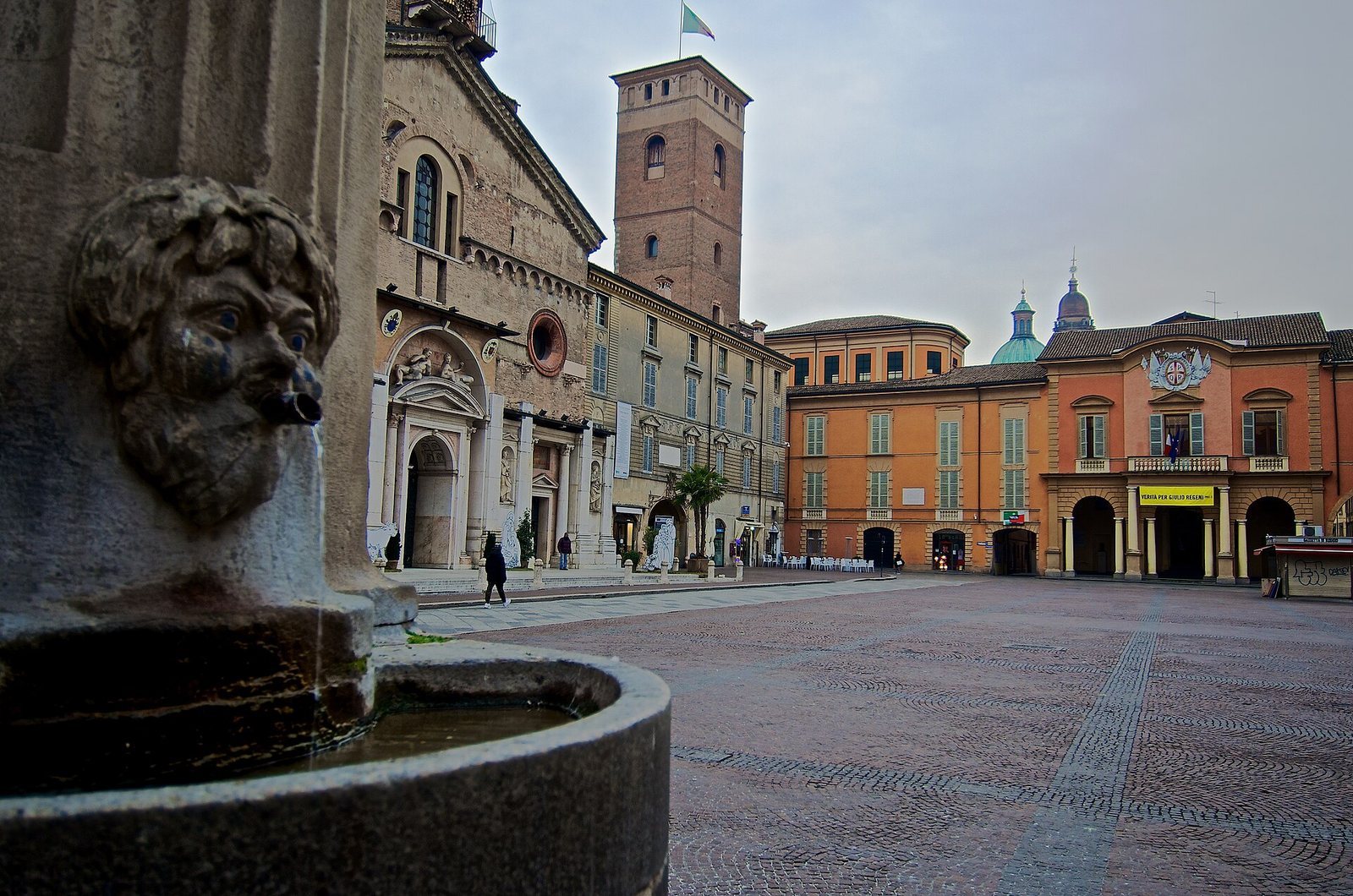
The three-storey palace stands near the cathedral. Its exterior and interior preserve features from different periods of its development.
Exterior and interior
Façade and wing
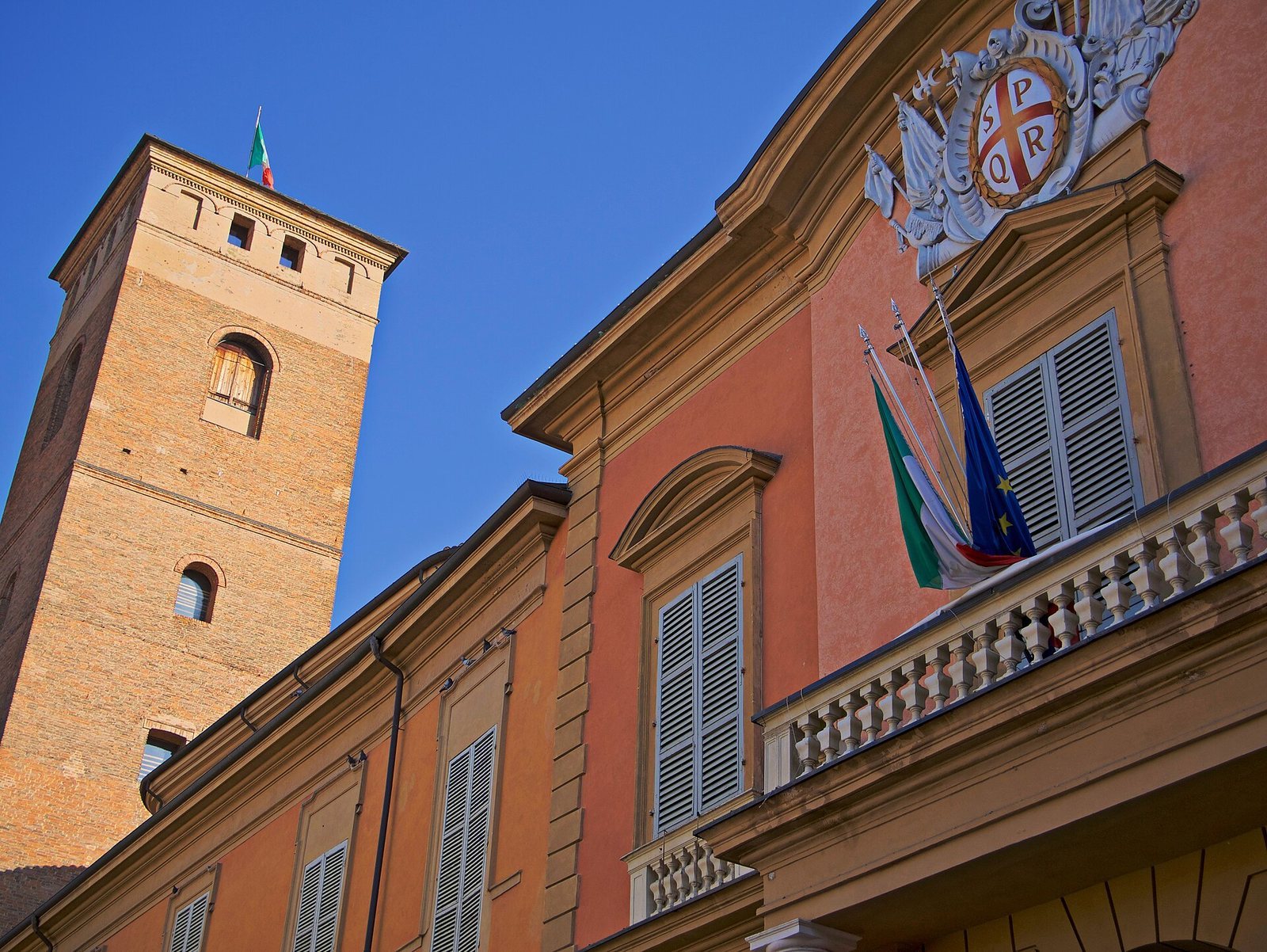
A broad portico forms the main façade. It consists of three Serlian arrangements, each with a central arched opening flanked by two smaller openings, supported by Tuscan-style columns. The city’s coat of arms sits just below the façade’s cornice. The wing extending toward present-day Via Farini and Via Croce Bianca includes an exterior loggia.
Halls
Some halls retain eighteenth-century frescoes and nineteenth-century paintings. The Sala del Tricolore is inside the palace, while the Tricolour Museum stands immediately beside it.