Palazzo Cavalli: A Renaissance Palace and Tide Forecasting Center in Venice
Site at a Glance
- Popularity
- Medium
- Country
- Italy
- Primary era
- Early Modern
- Eras represented
- Early Modern
- Civilizations
- Venetian
- Site type
- Domestic
- Remains
- Elite Residence
On this page6 sections
History
Palazzo Cavalli, also known as Palazzo Corner Martinengo, is a sixteenth-century Renaissance palace in the San Marco district of Venice, Italy. It was remodeled in later centuries.
Ownership and use
In the sixteenth century, the palace was home to Bartolomeo d’Alviano, a mercenary commander who served the Venetian Republic and defended Venice against Maximilian, ruler of the Holy Roman Empire, a central European political entity. The Contarini family acquired the palace in 1521, and the Mocenigo family owned it around 1830. During the nineteenth century, American novelist James Fenimore Cooper lodged there while traveling in Europe.
Municipal use and tide forecasting
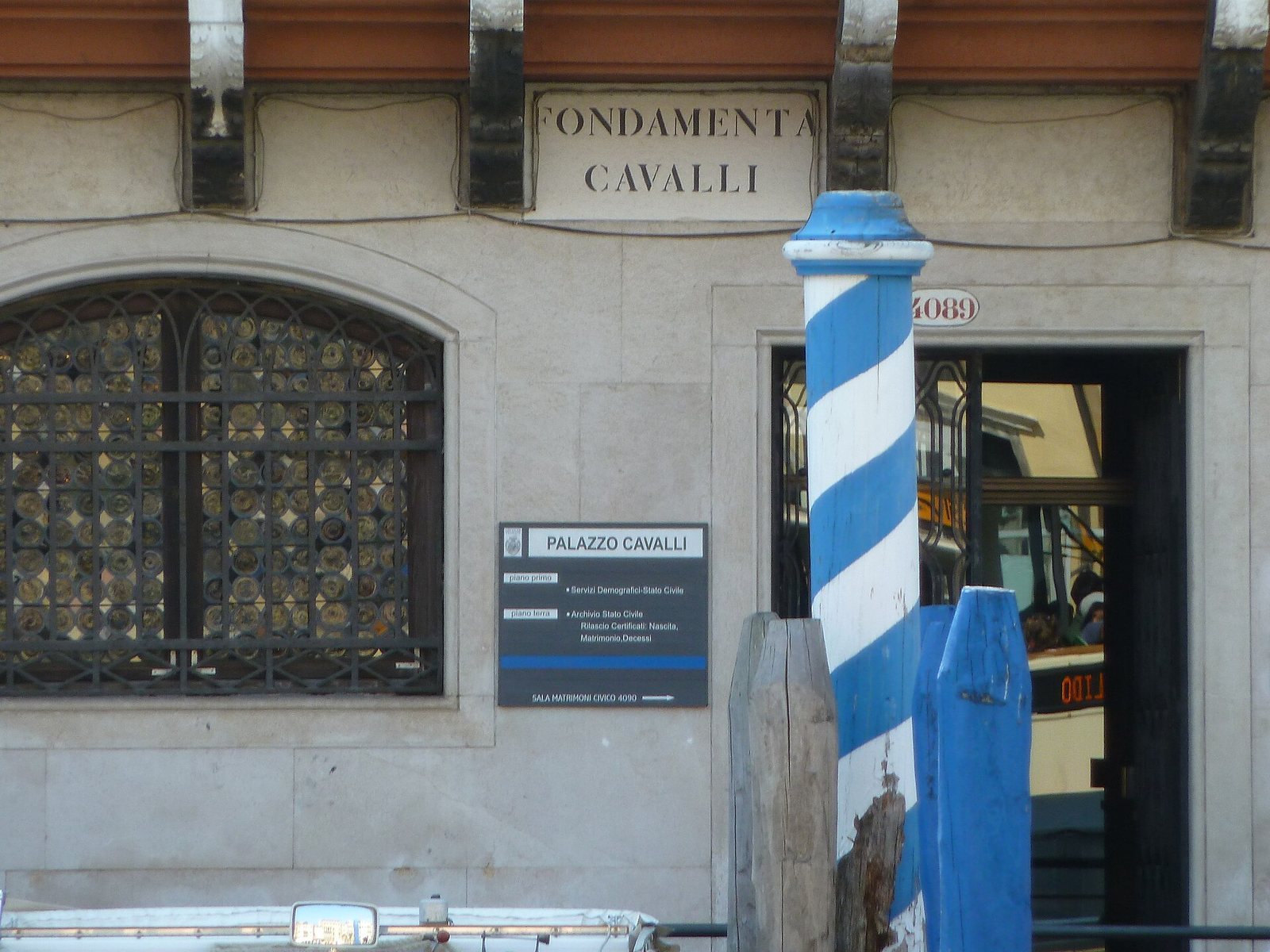
After serving as a hotel, the palace became a municipal headquarters. The Venetian Rava family owned it from the early twentieth century until 1957, when businessman Ennio Forti acquired and completely restored it. Forti lived there for three decades before selling it to the Municipality of Venice in 1989.
In the early 1970s, the municipality established its first tide-observation service, which used a siren on the bell tower of St Mark’s to warn of severe high water. Following the 1979 flood, a Tide Forecast and Reporting Center was established in 1980 to inform residents about tides and provide timely warnings of exceptional high water. Its monitoring, forecasting, and public-information systems later became more sophisticated. The palace now houses the center and is also used for weddings.
Remains
Canal-facing facade
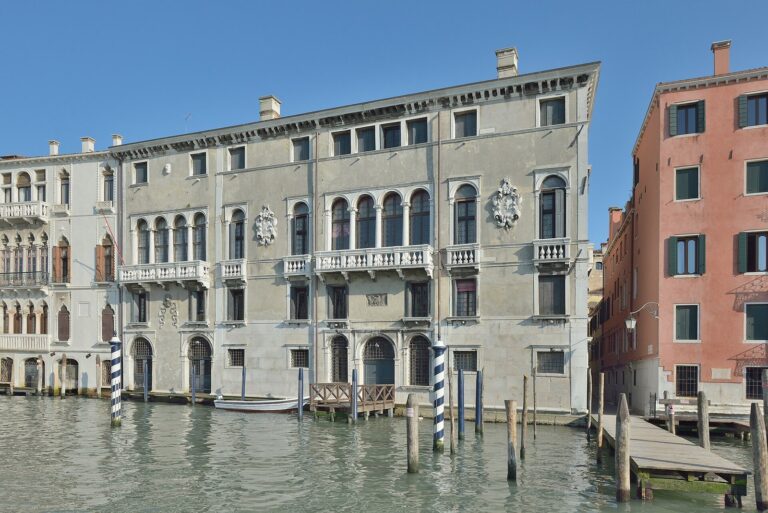
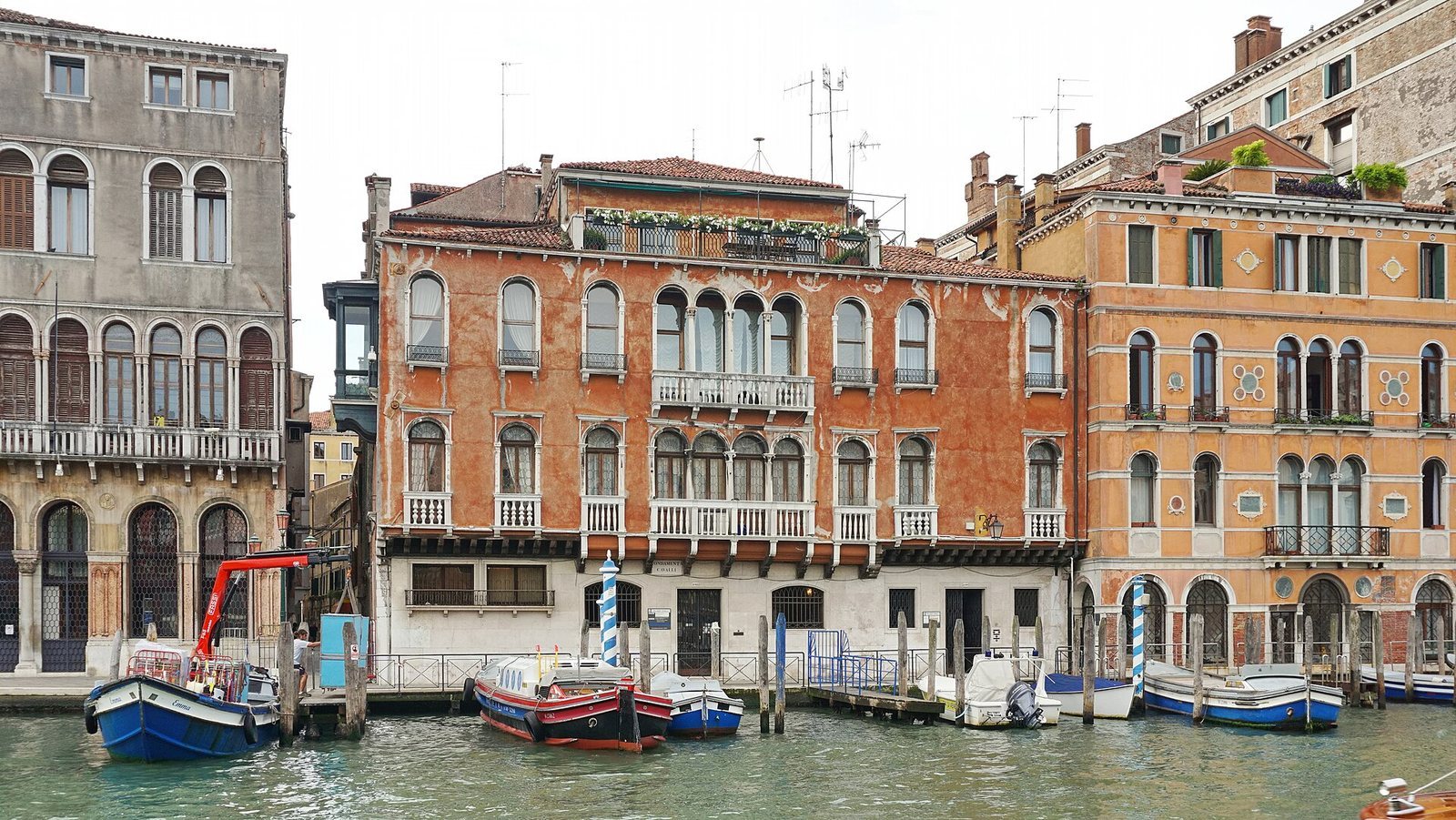
Between Palazzo Corner Valmarana and Ca’ Farsetti, opposite Palazzo Barzizza, the building has three principal storeys and a small, later penthouse with a terrace, making four levels in all. The penthouse sits at the center of the roofline, above a narrow cornice with small tooth-like projections along the attic. Two doorways on the ground floor open onto a small embankment beside the canal. Each of the two projecting upper storeys has a round-arched, four-part window with a balustrade, flanked by three single windows with parapets on each side.
Street-side gallery
On the street-facing side, an old wooden liagò, a small covered, terrace-like gallery, survives. Few examples of this feature of Venetian palatial architecture remain.