Palazzo Betturri: A Nineteenth-Century Country Residence in Italy
Site at a Glance
- Popularity
- Very Low
- Country
- Italy
- Primary era
- Modern
- Eras represented
- Modern
- Civilizations
- German, Italian
- Site type
- Domestic
- Remains
- Elite Residence
On this page8 sections
History
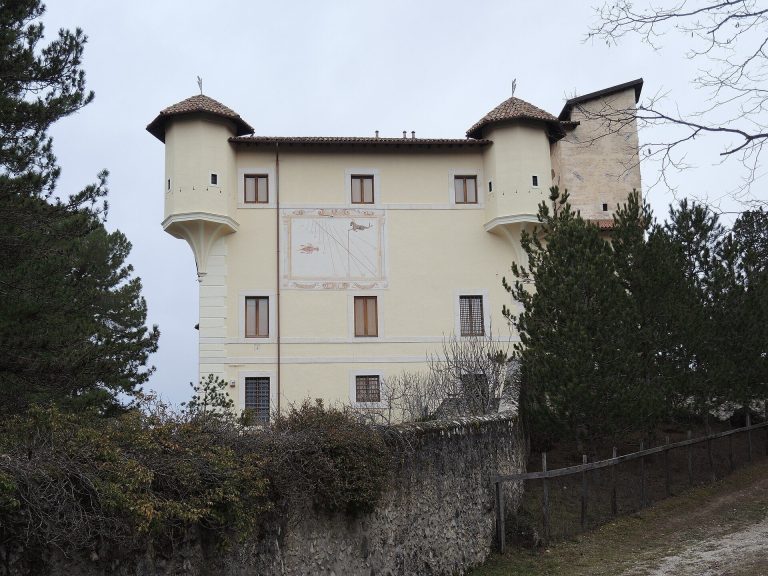
Palazzo Betturri is a nineteenth-century country residence in Configno, a hamlet of Amatrice, Italy. Antonio Betturri began its construction in 1879, and the palace was inaugurated in 1881. Its design drew inspiration from the fictional home of Don Rodrigo in Alessandro Manzoni’s novel The Betrothed.
Construction and local tradition
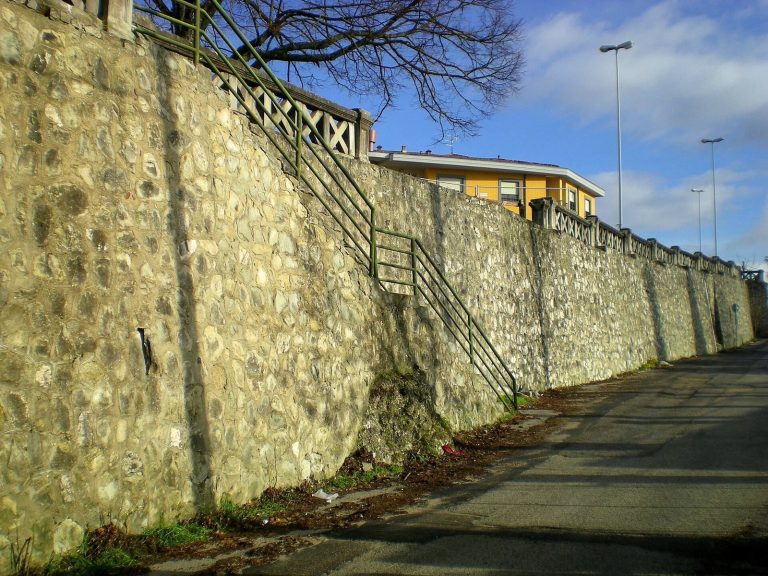
Antonio Betturri, son of Domenico and nicknamed Saraghella, was an entrepreneur in timber, wine, and oil. In the late 1870s, Italy’s suppression of brigandage, or armed banditry, had not yet brought a full sense of security to communities in central and southern Italy. A defensive wall was built around the palace during this period.
A local tradition connects the palace with the origins of spaghetti alla amatriciana, a pasta dish with a tomato-based sauce. It places the event at Configno’s patronal festival in the summer of 1882. Antonio, then a merchant, is said to have hosted three parish priests: Angelo Crisciotti of Configno, Giovanni Di Carlo of Nommisci, and Giuseppe Minozzi of Pinaco. According to the story, he added tomatoes imported from Salento to gricia, a traditional pasta preparation.
Wartime and later history
On 27 May 1944, a motorized unit of the Wehrmacht, Nazi Germany’s armed forces, requisitioned the palace. The unit belonged to the Tenth Army, a German field army commanded by General Heinrich von Vietinghoff.
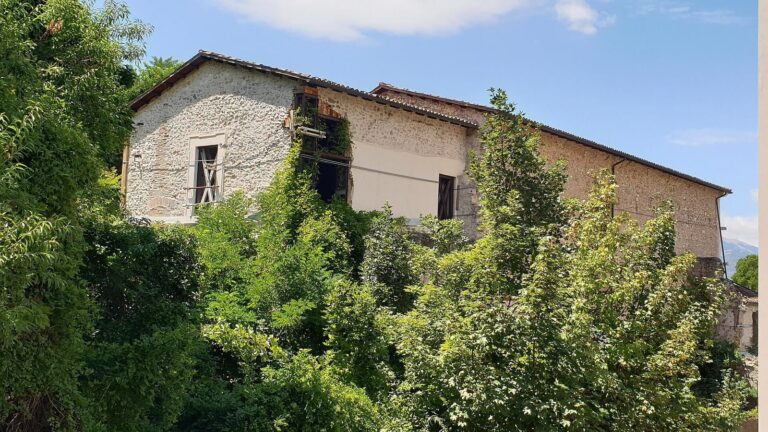
The palace has been declared a property of cultural interest. It was damaged in the Amatrice earthquake of 24 August 2016 and is currently unusable. Pier Luigi Betturri is identified as its owner.
Remains
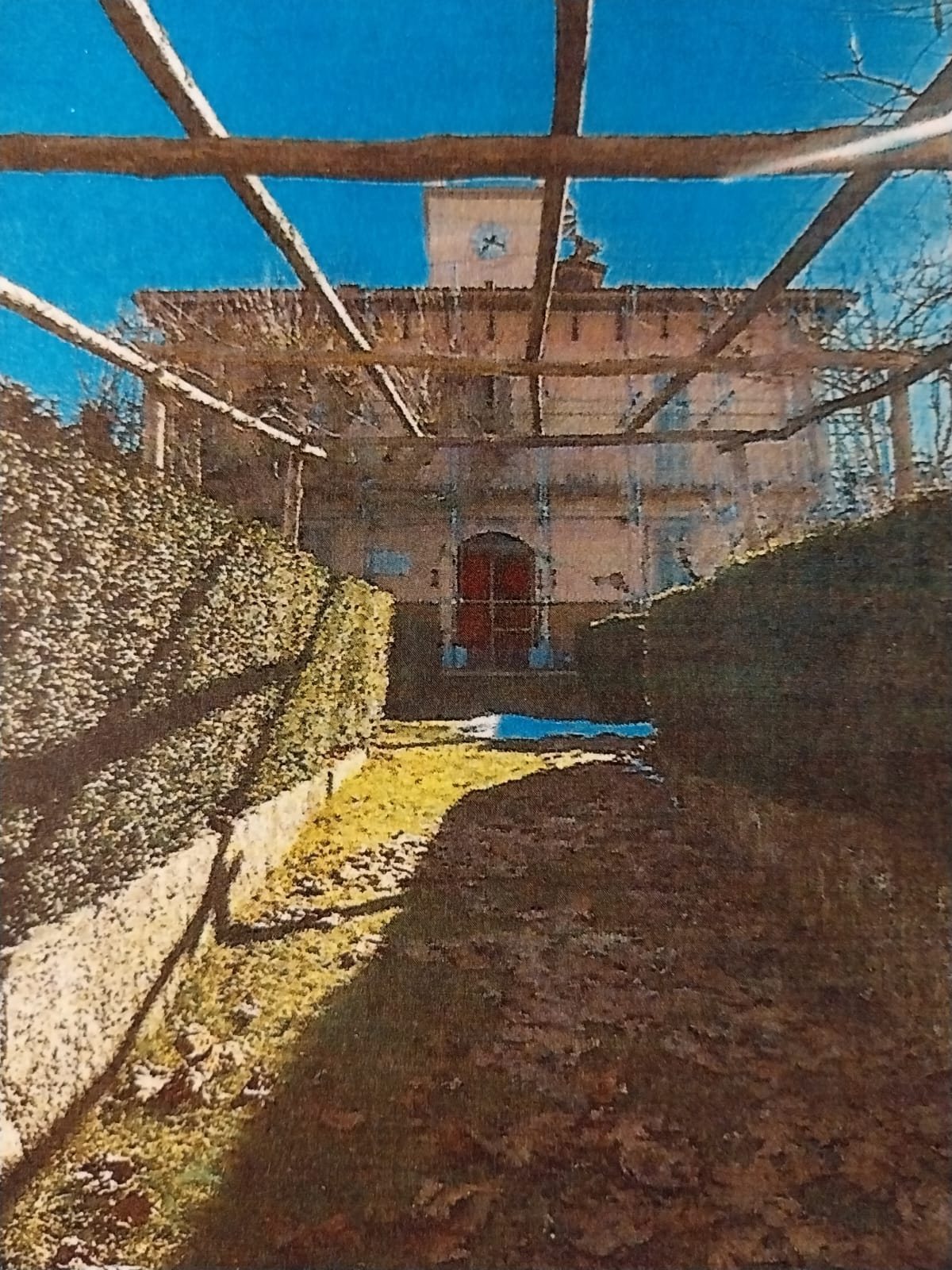
The detached residence stands within a garden and has a symmetrical, square plan, with three storeys and a lookout tower above. Each side measures 15 metres. Two internal load-bearing walls cross to support the central tower.
Boundary wall and grounds
A stone wall, between three and five metres high, encloses the property. On its north side, facing Configno, are two niches fitted with rifle loopholes and two small observation windows. The grounds also contain a centuries-old plane tree known as the Swing Tree. Antonio Betturri transplanted it from Rome’s Lungotevere, the roads and embankments beside the Tiber, in the 1870s. A plaque on the park’s outer wall marks the palace’s construction.
Interior architecture
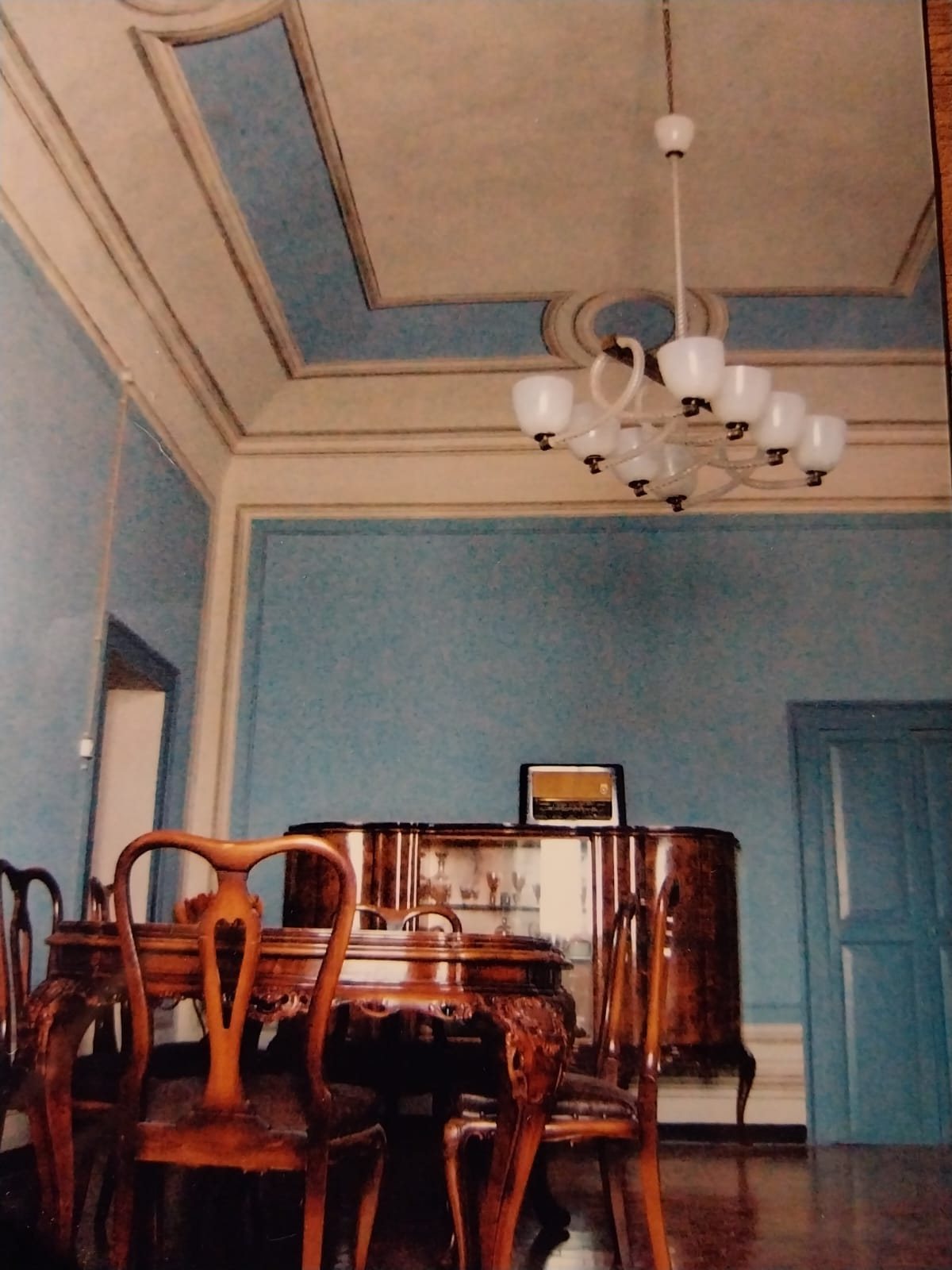
Inside, arches and vaulted ceilings include both barrel-shaped forms and vaults that intersect. The kitchen has a fireplace dated 1881 and original ceramic stoves. The rooms are decorated with fine frescoes.
Reused stonework and wartime inscriptions
A carved architectural panel bearing a cross was incorporated into the palace. It is understood to have come from the Hermitage of Santo Stefano, an earlier place of worship that has since disappeared. Original inscriptions from Germany’s National Socialist period survive on the second floor.
Inventory and commemorative plaque
A detailed inventory of the palace’s period furnishings is held at the State Archive of L’Aquila. It lists furniture, water and lighting installations, tools, weapons, carriages, household objects, and provisions. A marble plaque in the adjacent Museo di Configno commemorates the local story linking the palace with the origins of spaghetti alla amatriciana.