Palazzo Albergati: A Renaissance Palace in Bologna
Site at a Glance
- Popularity
- Medium
- Country
- Italy
- Primary era
- Early Modern
- Eras represented
- Early Modern
- Civilizations
- Papal States
- Site type
- Domestic
- Remains
- Elite Residence
On this page6 sections
History
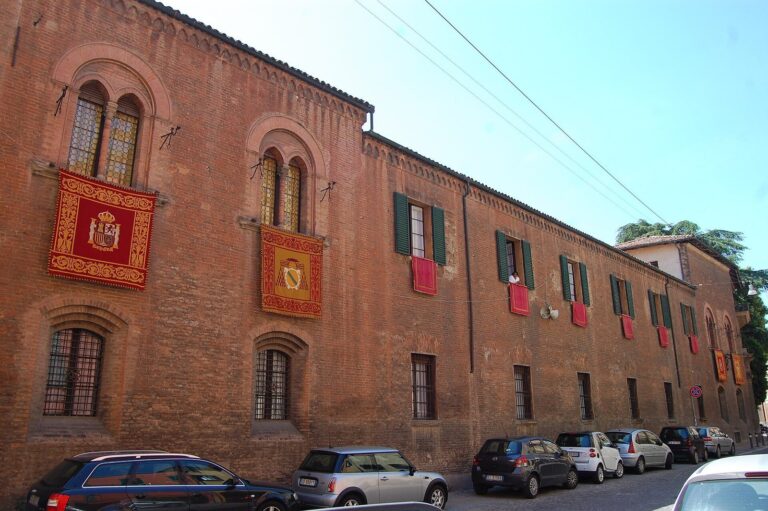
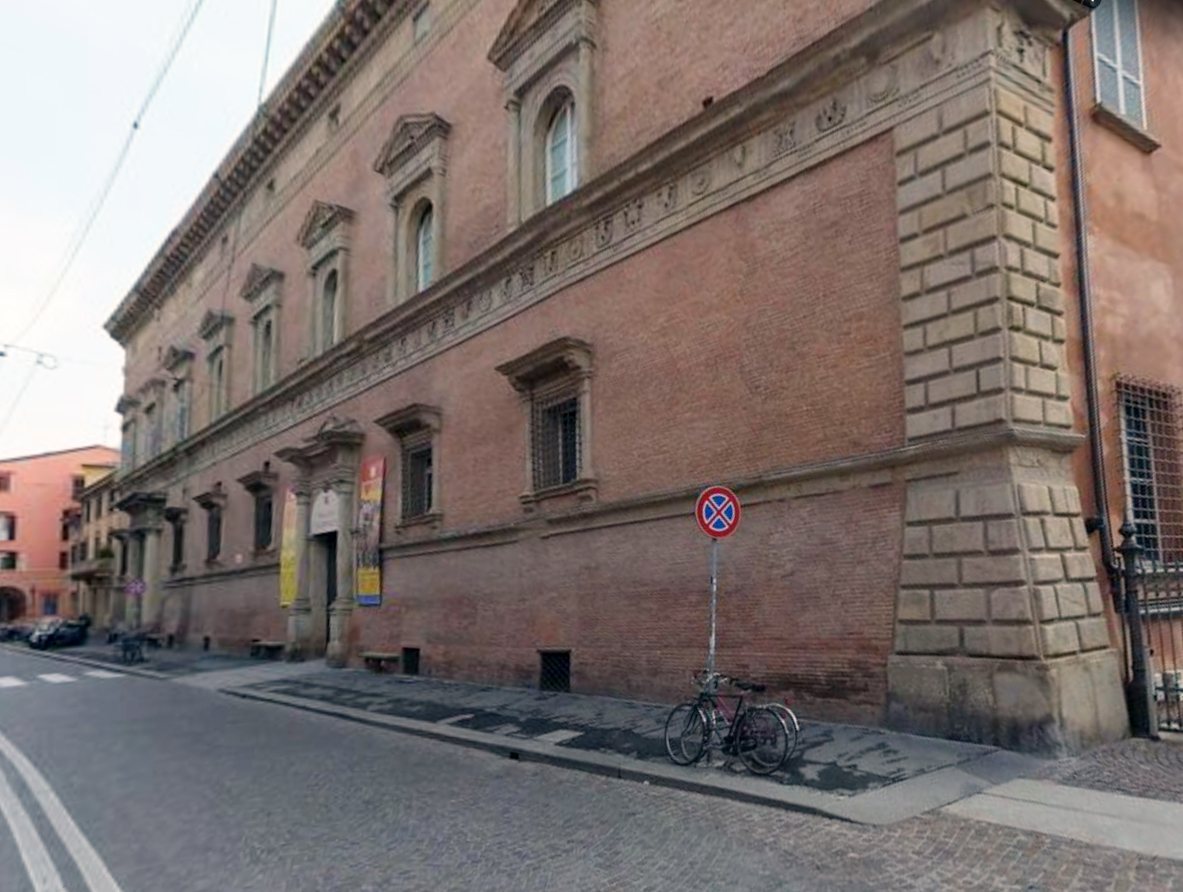
Palazzo Albergati is a Renaissance palace in central Bologna, Italy, whose construction for the Albergati family began on 29 April 1519. The Albergati were a noble family of Bologna. The Renaissance was a period of European cultural and artistic change that began in Italy in the fourteenth century and flourished in the fifteenth and sixteenth.
Expansion and family life
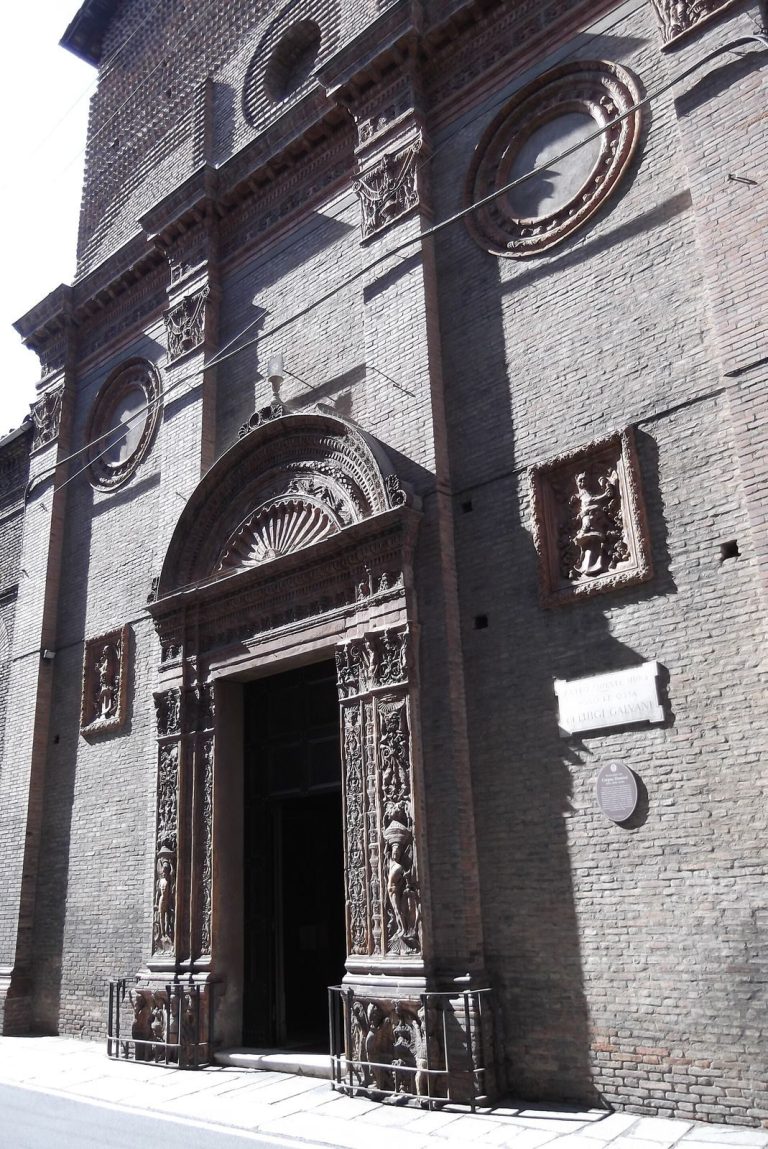
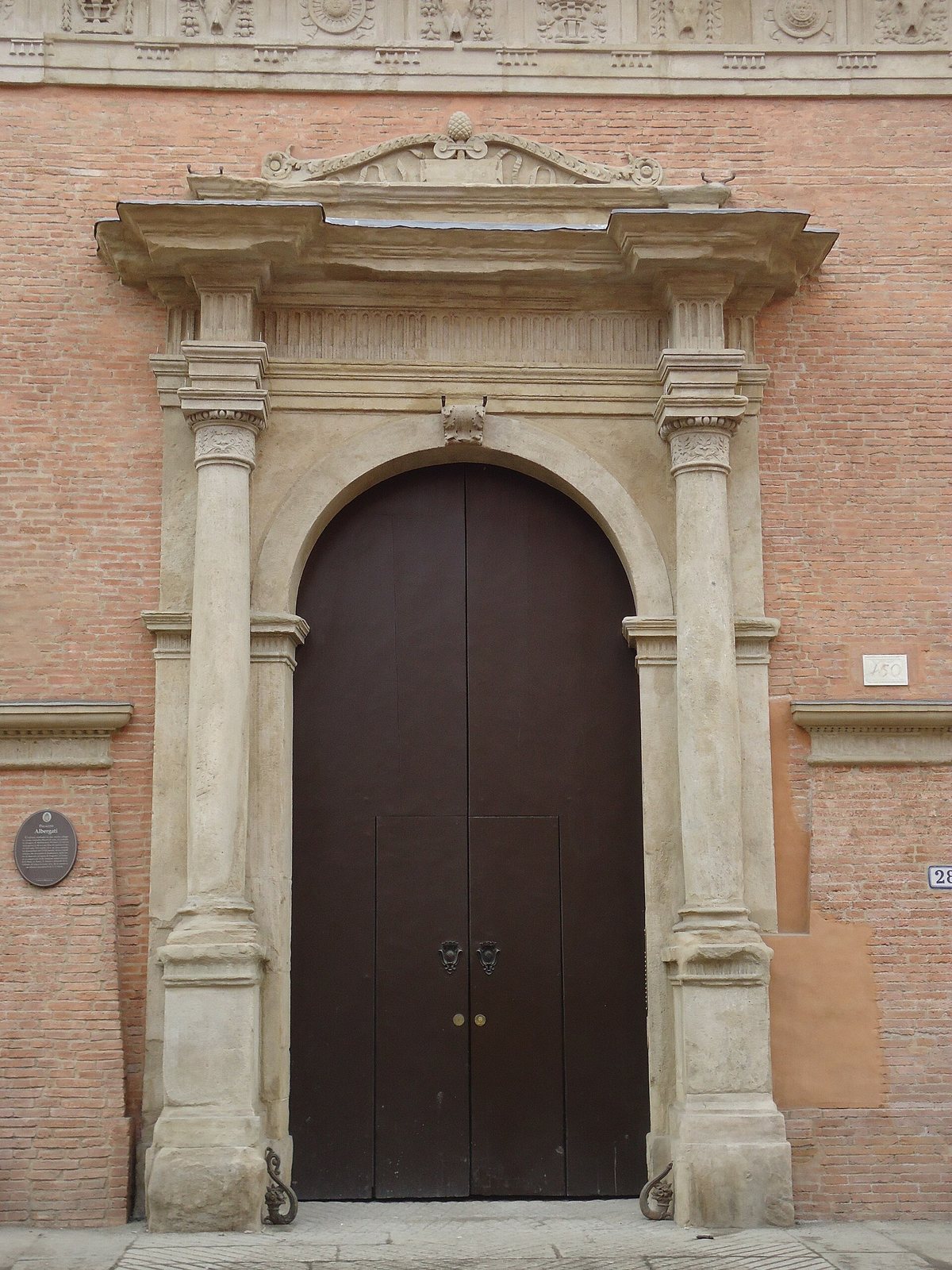
In 1540, the palace was extended to Via Malpertuso, and its exterior details and ornaments were renewed. Palazzo Albergati was also the birthplace of Maria Brizzi Giorgi, a musician and composer who hosted social and intellectual gatherings in a private salon. The Albergati family additionally owned a separate villa of the same name, built in Zola Predosa in the seventeenth century.
Later history
After the family died out, the palace was divided into apartments during the nineteenth century. A fire on 8 August 2008 severely damaged the upper floors and numerous frescoes. Following extensive restoration, the building reopened in 2014 as a venue for art exhibitions.
Remains
Palace and courtyard
The palace is a Renaissance building whose design remains uncertain. It may have been designed by Baldassarre Peruzzi or Domenico da Varignana, both Italian Renaissance architects. Within the courtyard is a garden of Roman origin dating to the first century AD.
Interiors
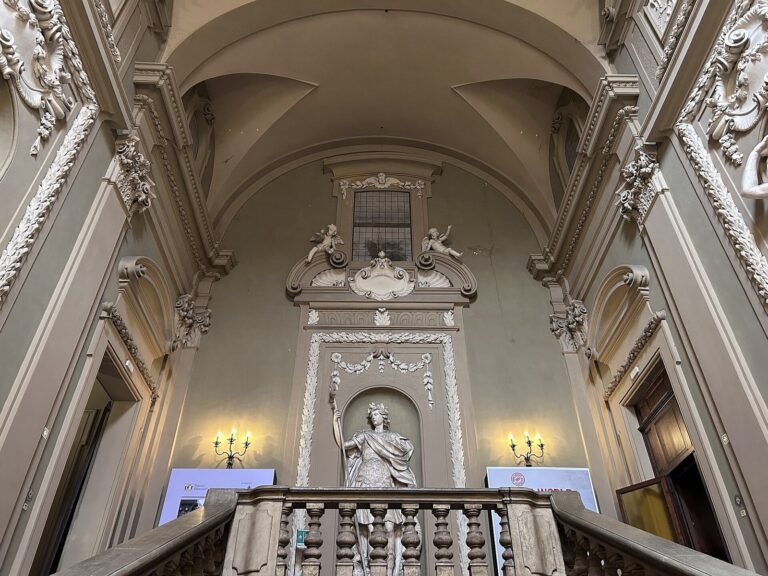
The interiors contain numerous stuccoes, or ornamental plasterwork, and frescoes, paintings made on plaster traditionally while it is wet. These decorations date to the seventeenth and eighteenth centuries. The frescoes include work by Francesco Gessi, Bartolomeo Cesi, and Andrea Sirani, Italian painters associated with Bologna.