Palais Woronzow: A Munich Palace Used for Diplomacy, Education, and Public Offices
Site at a Glance
- Popularity
- Medium
- Country
- Germany
- Primary era
- Modern
- Eras represented
- Modern
- Civilizations
- Kingdom of Bavaria
- Site type
- Domestic
- Remains
- Elite Residence
On this page5 sections
History
Jesuit education and secularization
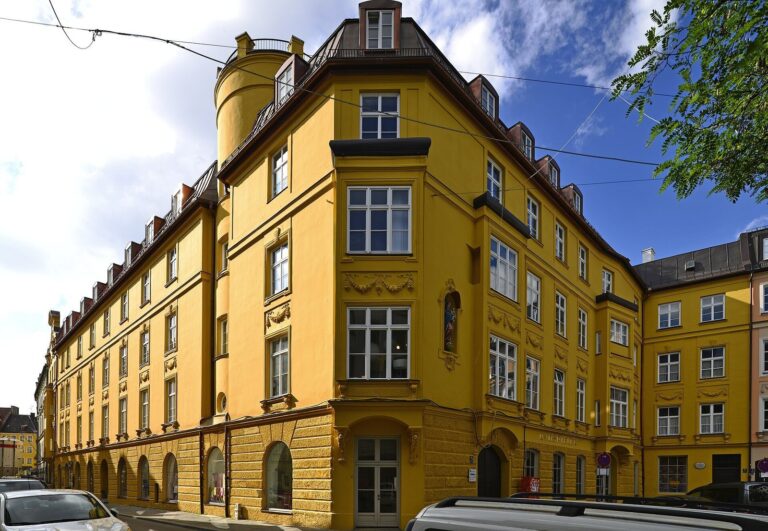
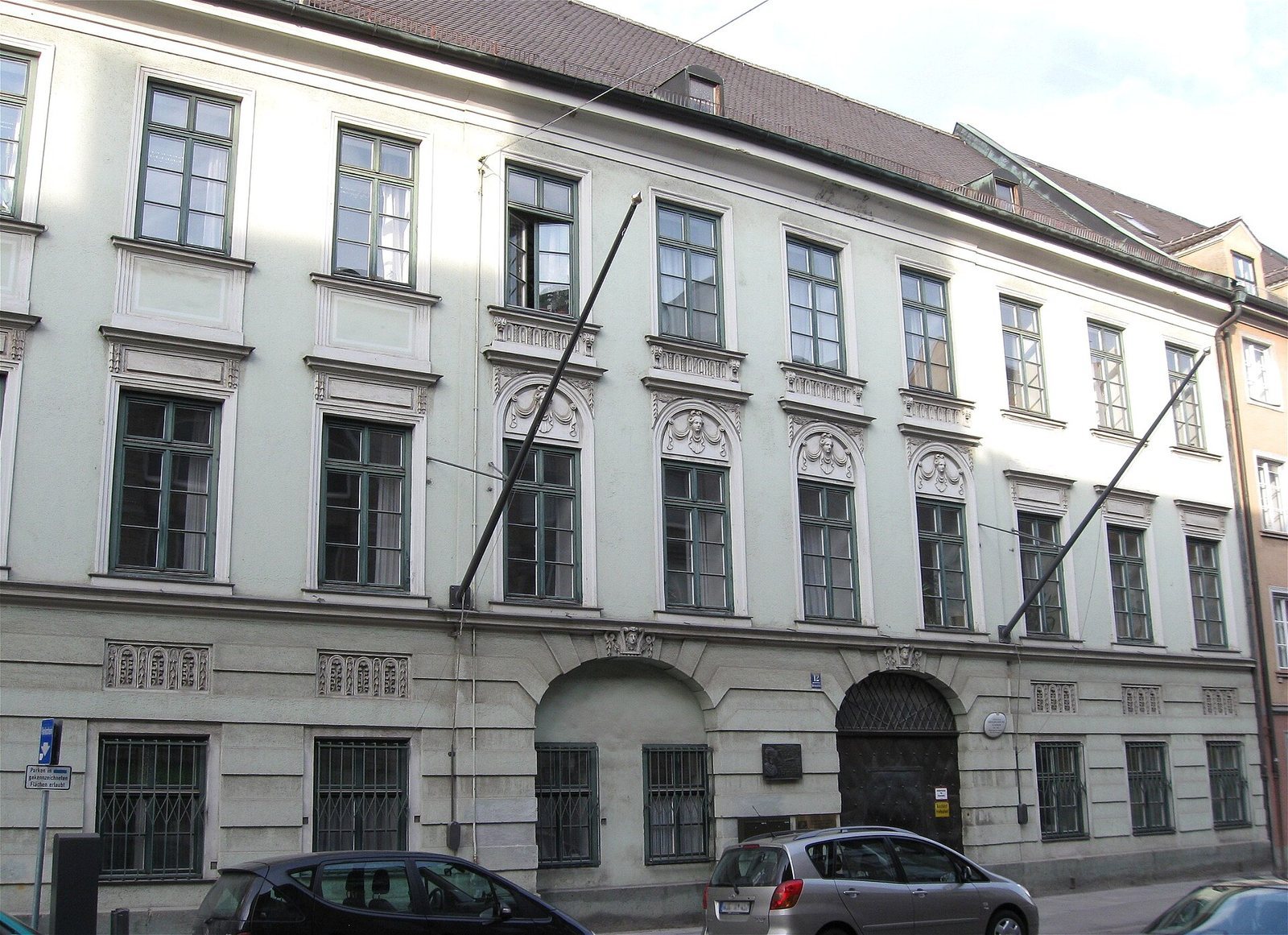
Palais Woronzow is a historic building in Munich, Germany, erected in 1807 on an estate previously used for Jesuit education. Its façade was later given an Empire-style design, a neoclassical style associated with Napoleonic-era France. The building subsequently accommodated Russian diplomatic activity and a succession of educational and civic institutions.
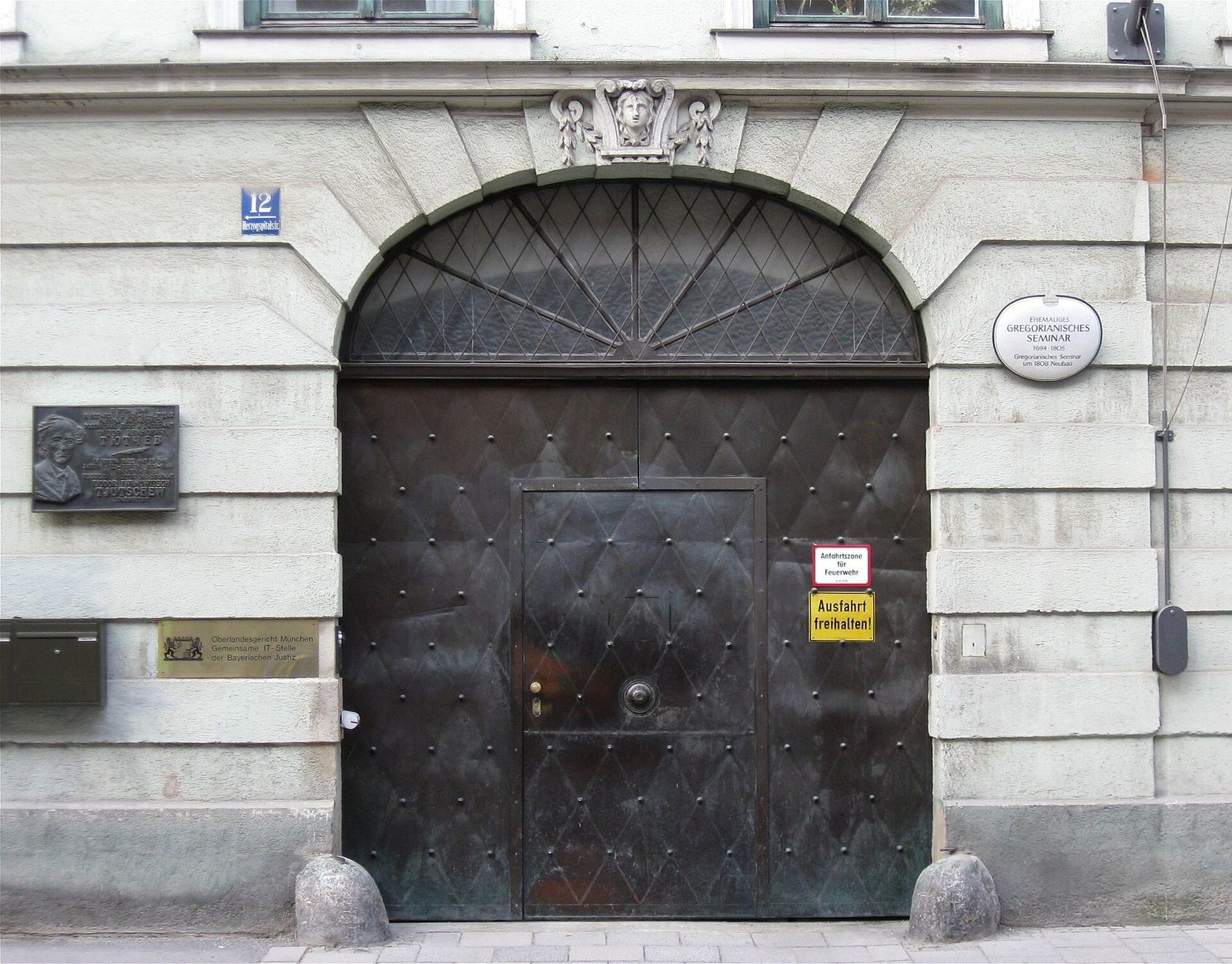
From 1694, the Society of Jesus, also known as the Jesuits, used several premises on the estate around Herzogspitalstraße 12 for seminar rooms serving the Institute Sancti Gregorii Magni, an educational institution run by the order. These included Neuhauser Straße 18 and Herzogspitalstraße 19 and 20 until 1806; Neuhauser Straße 23 and 24 and Herzogspitalstraße 21 until 1790; and Neuhauser Straße 20 from 1739 to 1806. Pope Clement XIV ordered the suppression of the Jesuit order in 1773. Bavaria’s secularization, the transfer of church institutions and property to secular control, took place in 1802–03, and the institute closed in 1806.
Construction and diplomatic life
In 1807, Jakob Ludwig had a new building erected on the estate. A royal Bavarian councillor, he also served as a court-of-appeal advocate and held university and poor-relief appointments. On 22 February 1808, he bought the property at auction for 18,000 gulden, a historical European currency. Around 1820, the building received an Empire-style façade.
In 1823, Russian envoy Iwan Illarionowitsch Woronzow-Daschkow, then a tenant, engaged architect Jean Baptiste Métivier to alter the building’s load-bearing structure so that the first upper floor could serve as a ballroom. King Maximilian I Joseph, Bavaria’s first king, visited the palace on the evening of 12 October 1825. The next morning, he was found dead in his bed at Nymphenburg Palace.
Diplomat and poet Fyodor Ivanovich Tyutchev and writer and publicist Friedrich Ludwig Lindner handled public relations from the palace during the Russo-Turkish War of 1828–29, fought between the Russian and Ottoman empires. Tyutchev also worked in the building from 1822 to 1837 and again from 1839 to 1844.
Educational and civic uses
The Wilhelmsgymnasium, an academically oriented secondary school, occupied the building from 1830 to 1877. It served as an eye clinic in 1879 and housed the Munich-Land tax office from 1921. A plaque identifies its current use by the Joint IT Office of the Bavarian justice system at the Higher Regional Court of Munich.
Remains
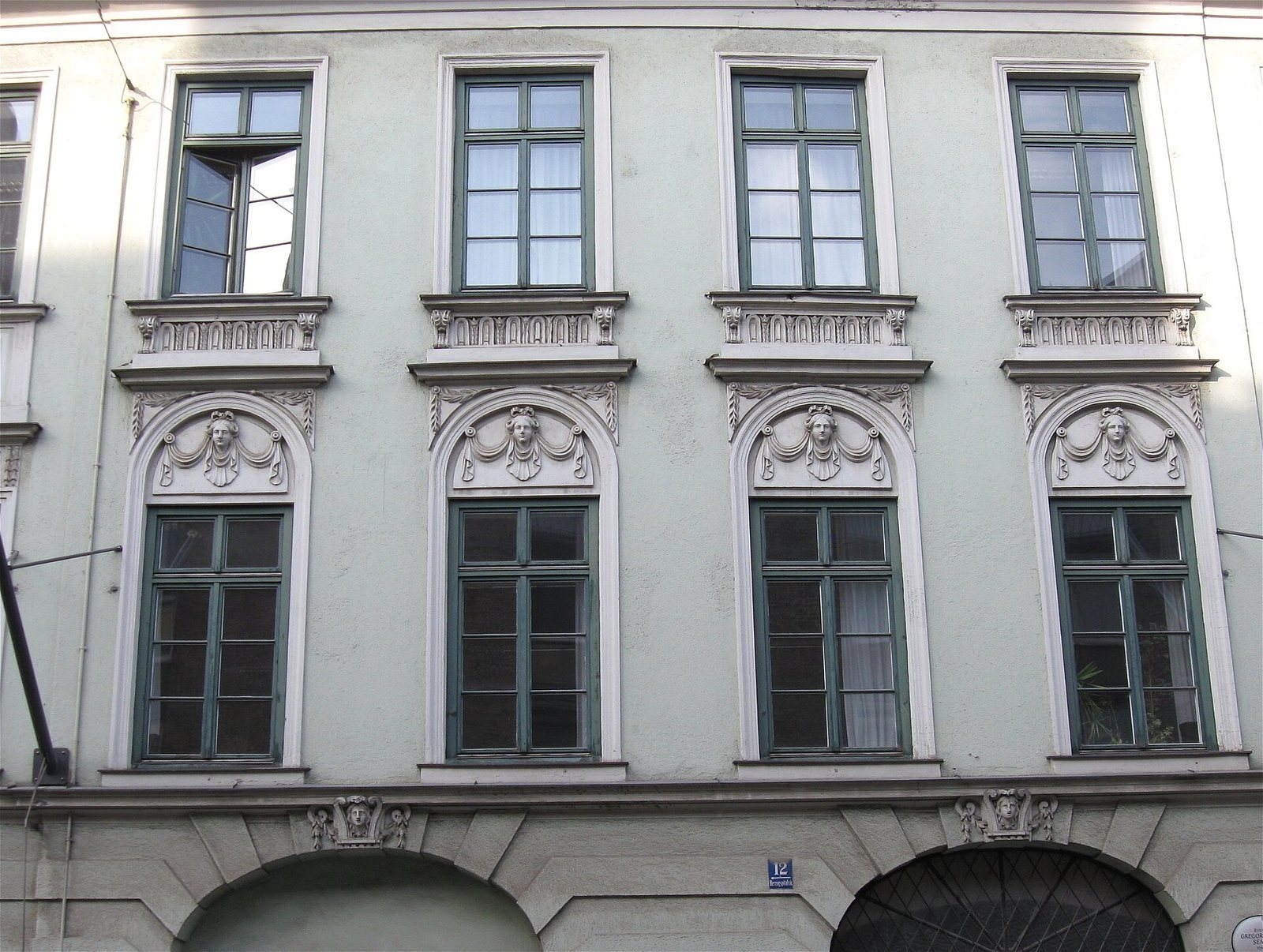
The building has a nine-bay load-bearing structure and a façade arranged above a rusticated ground floor, whose masonry has a rough-faced finish. In the central section, panels between the four windows on each of the first and second upper floors are decorated with arches, female head masks, and drapery motifs.