Esterházy Palace on Kärntner Straße: A Baroque Palace in Vienna
Site at a Glance
- Popularity
- Medium
- Country
- Austria
- Primary era
- Early Modern
- Eras represented
- Early Modern
- Civilizations
- Habsburg, Habsburg Austria, Holy Roman Empire
- Site type
- Domestic
- Remains
- Elite Residence
On this page7 sections
History
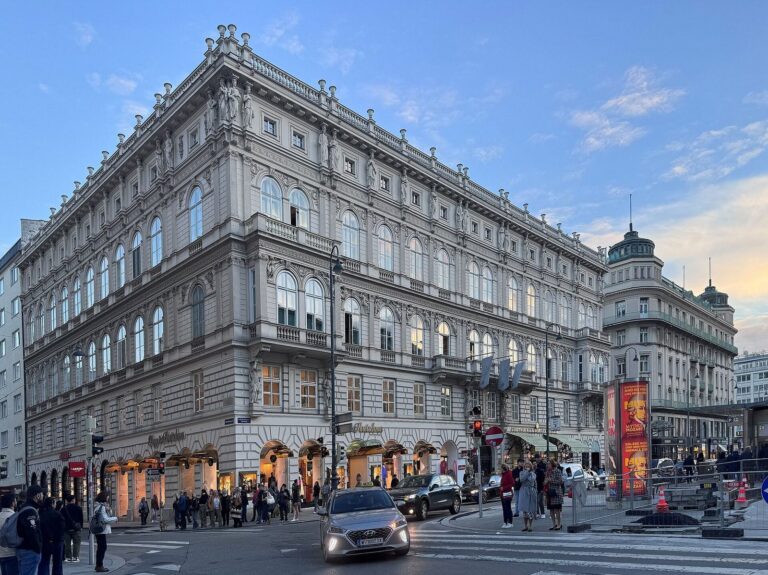
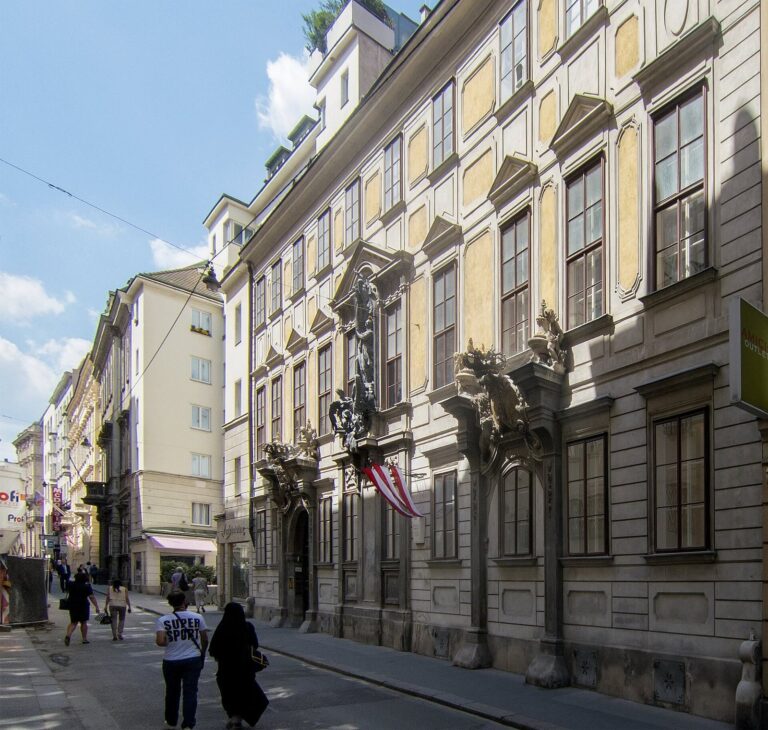
Esterházy Palace on Kärntner Straße is a Baroque palace in Vienna’s Innere Stadt, Austria, built in the early 18th century in an elaborate European style that flourished from the 17th into the 18th century. It is the oldest building on Kärntner Straße.
Earlier houses and Grundemann ownership
Two houses once occupied the site; they were joined in the early 15th century. In 1684, the property passed to Adam Antonius Grundemann von Falkenberg, an imperial councillor, or senior adviser in imperial government. His son commissioned the present palace, constructed in the early 18th century.
The Grundemann family held the property until 1767 and had been raised to the rank of count in 1716. In 1767, Franz, Baron von Harrucker, acquired the estate. Harrucker was a court chamber councillor, an official in the court’s administrative and financial system.
Károlyi and Esterházy ownership
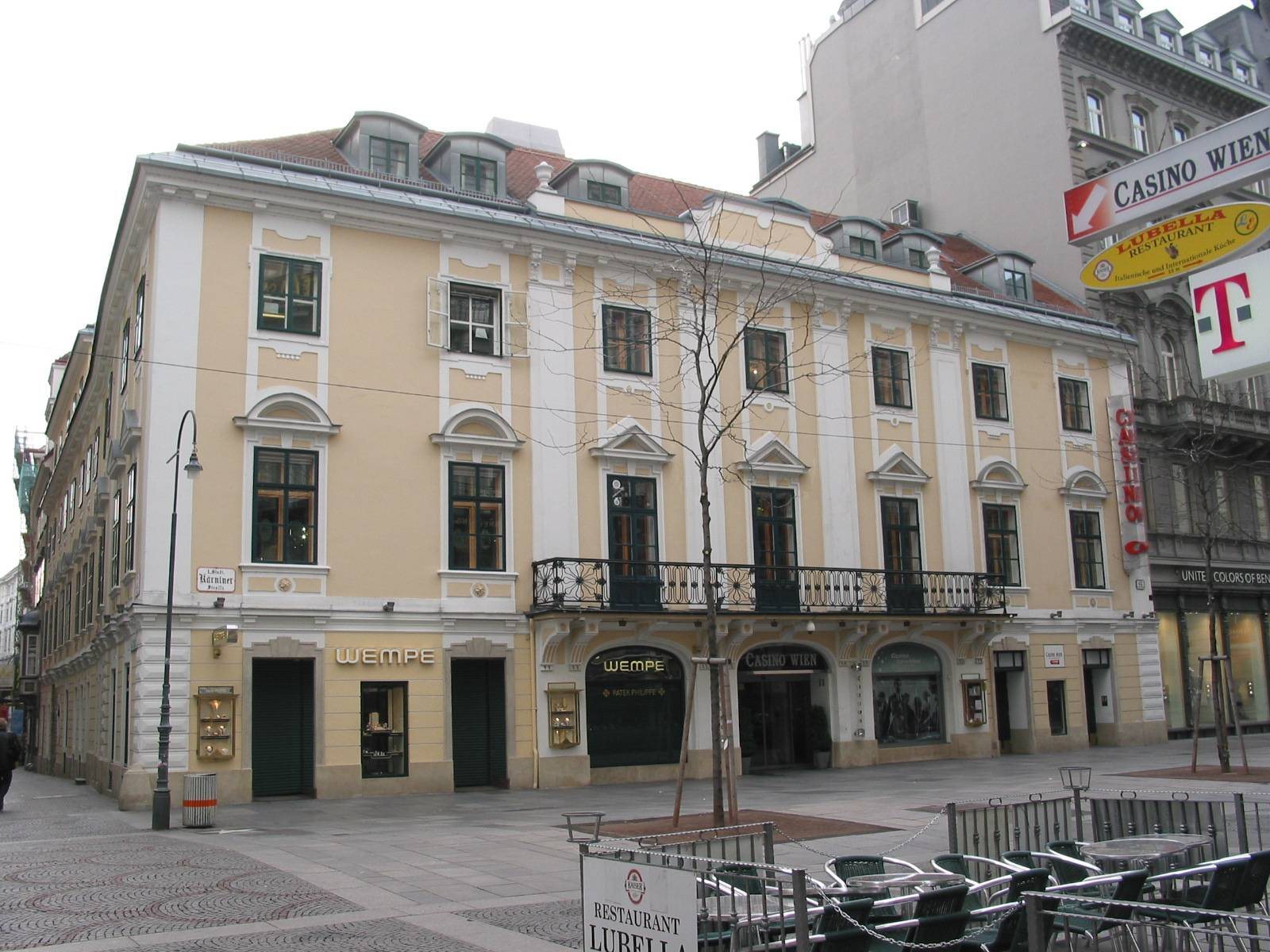
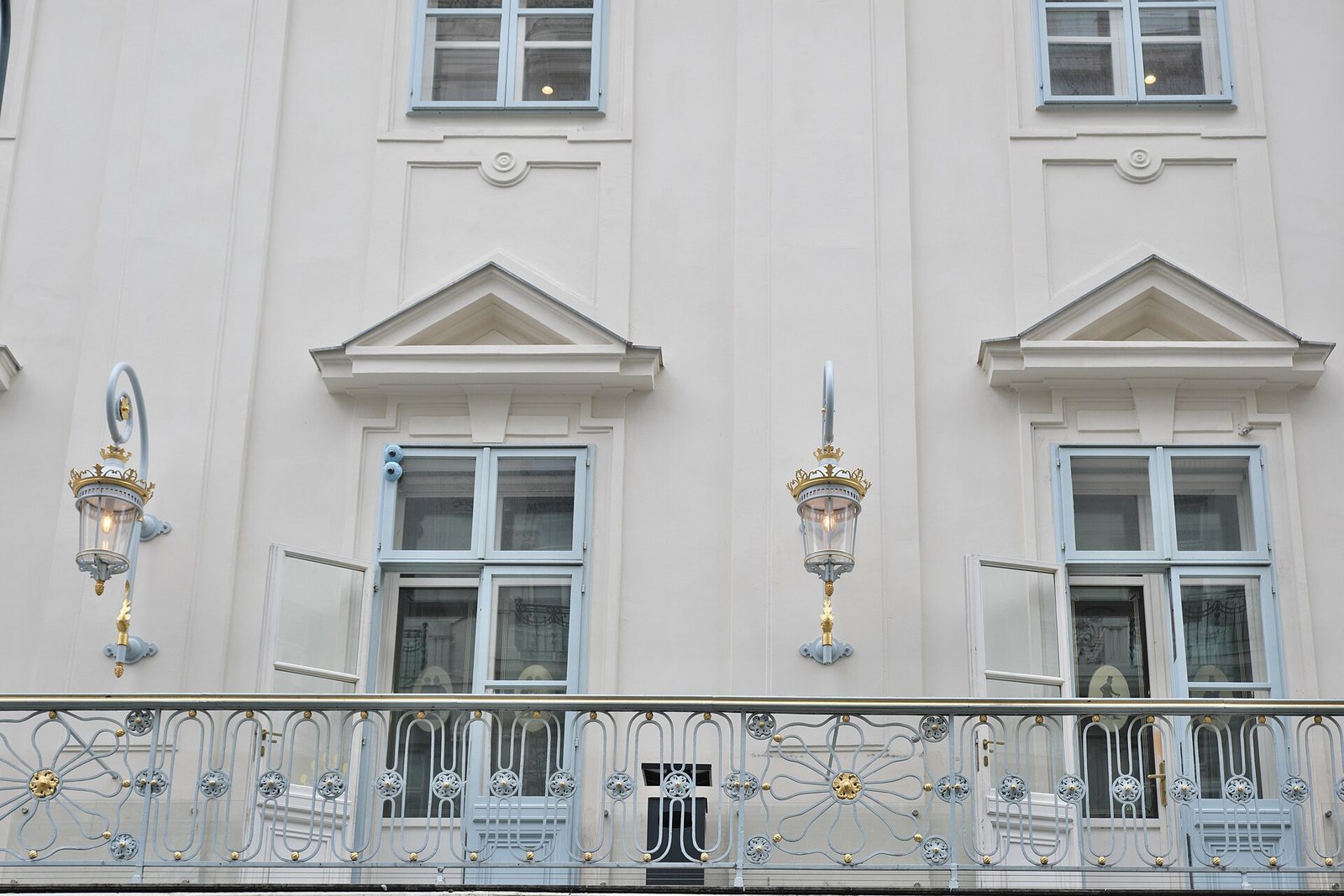
The Károlyi family, a Hungarian aristocratic house, owned the palace from 1777 to 1871. Countess Josefa Károlyi oversaw the redesign of the façade and the addition of a balcony. Further minor alterations took place in 1833.
In 1871, Count Moritz Esterházy bought the property from Count Alois Károlyi and had its interior redesigned. The palace passed to the Esterházy family, which continues to own it.
Fire and reconstruction
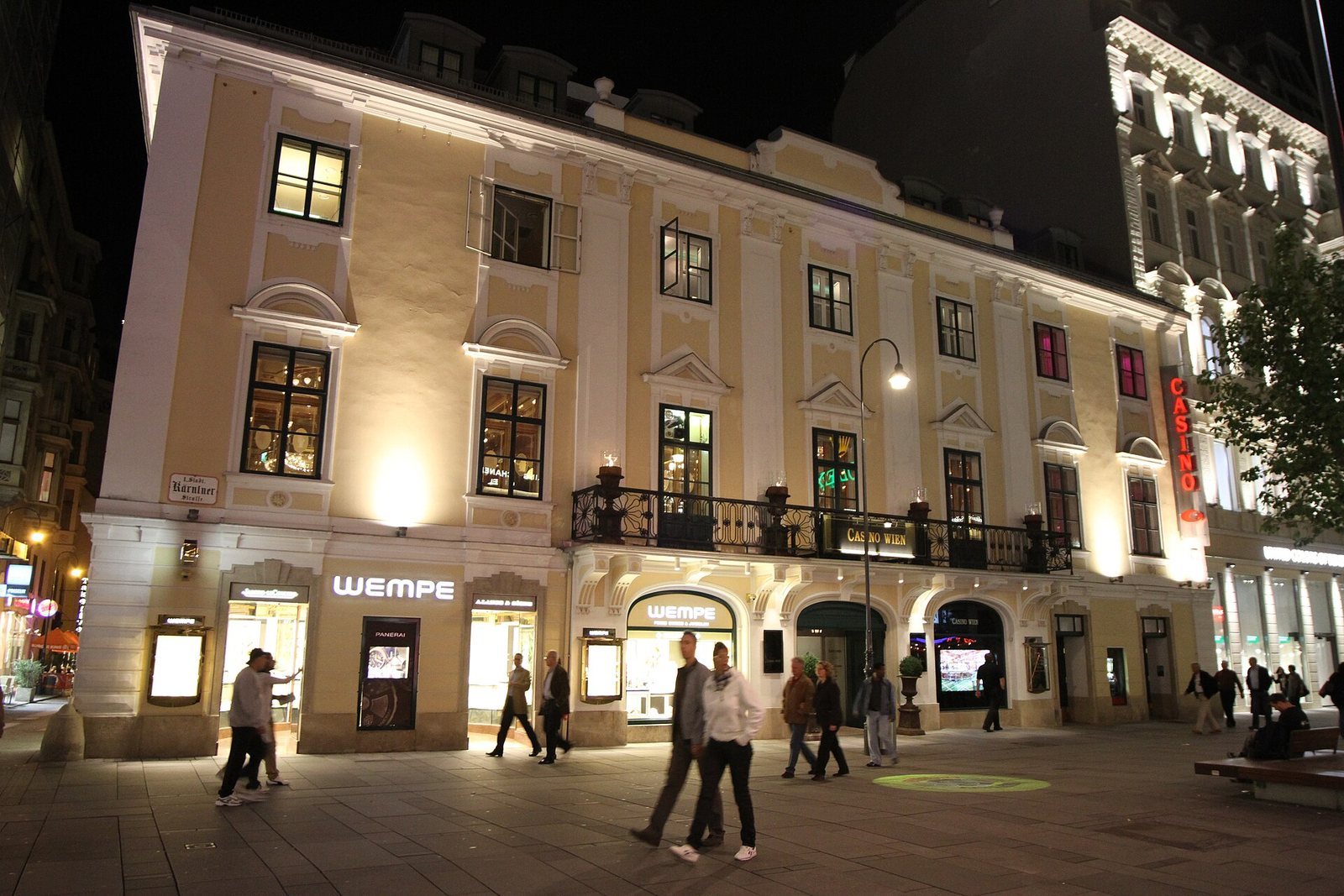
A fire on 25 January 1968 almost completely destroyed the interior. Following repairs and reconstruction, the Casino Cercle Wien opened in the palace in 1969. It was enlarged several times and remains there as Casino Wien, a Casinos Austria gaming establishment.
Remains
Exterior and layout
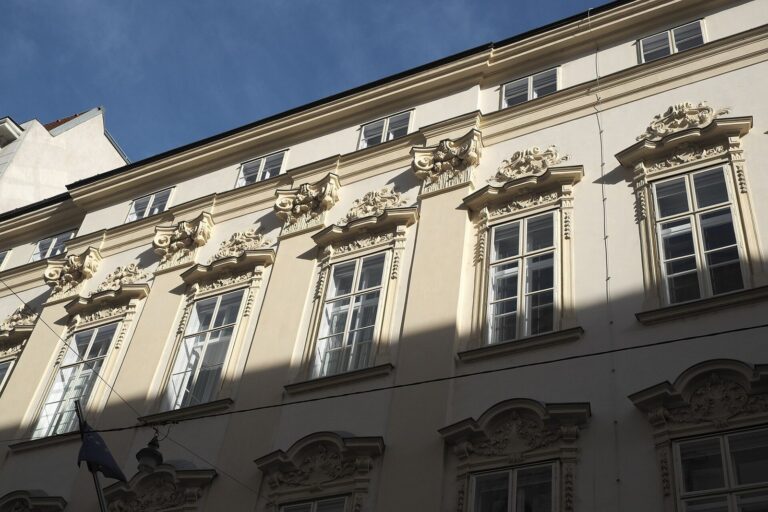
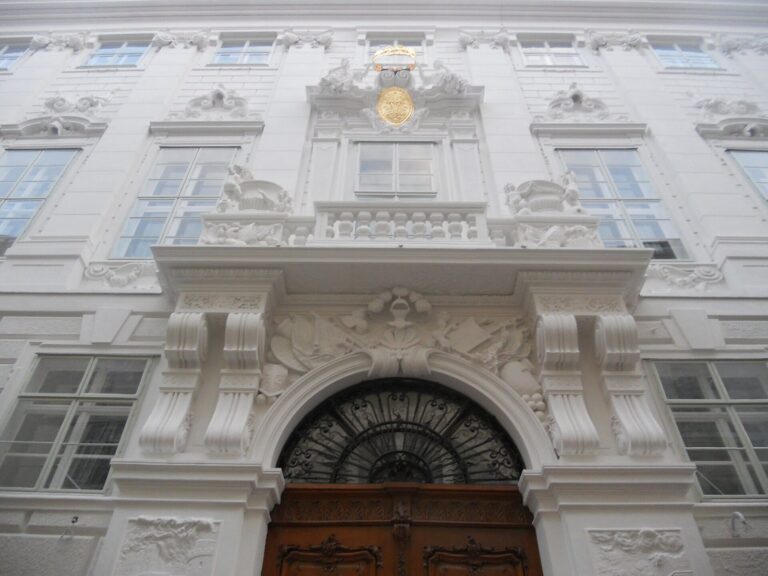
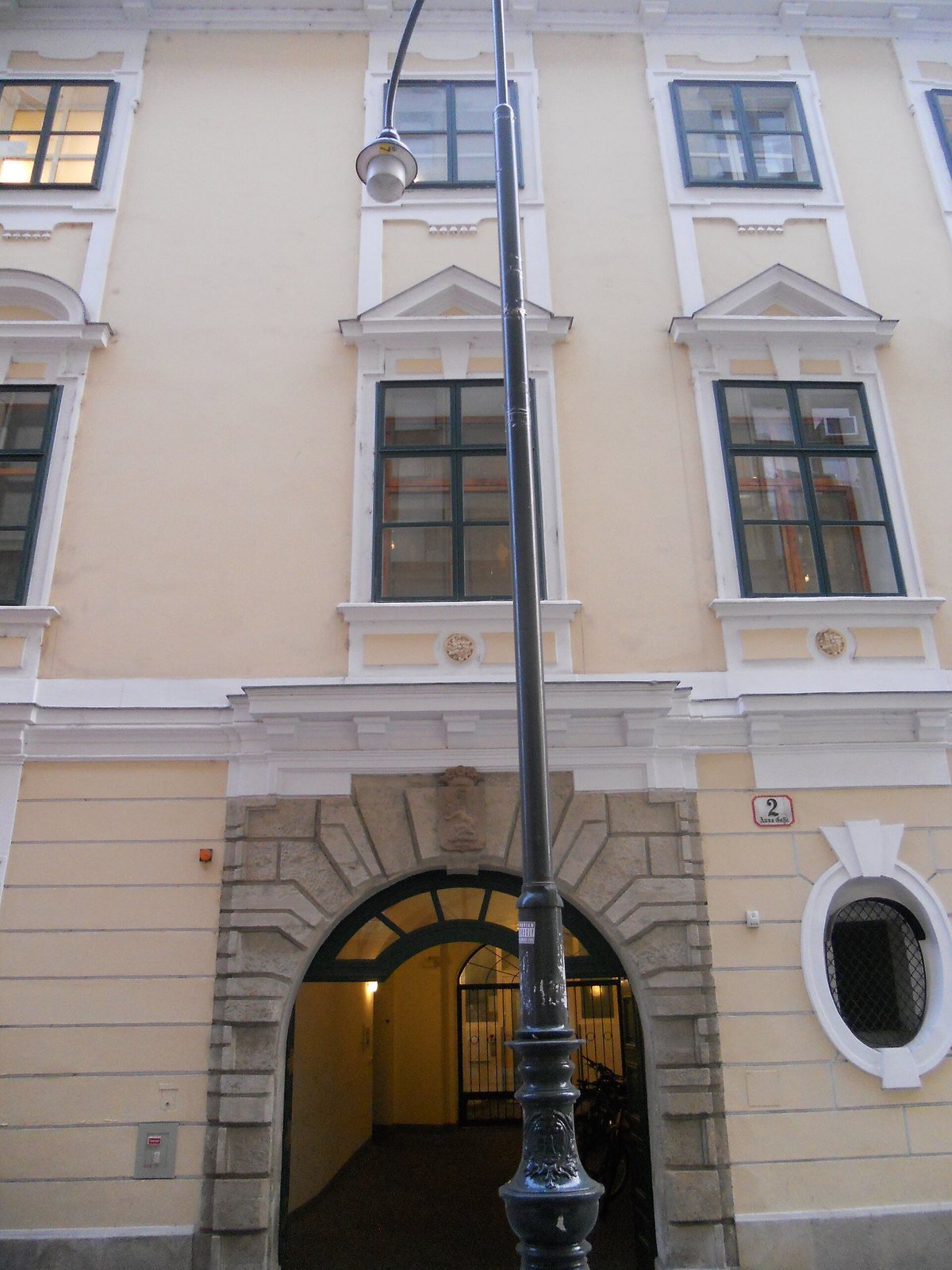
The Baroque palace has a façade on Kärntner Straße and an original inner courtyard, which was later built over up to the upper floor. Its main entrance is on the Annagasse-facing side. The entrance portal bears the Esterházy coat of arms within a cartouche.
Interior
Only a few fragments of the former Empire-style furnishings remain. Empire style was an early 19th-century decorative style associated with Neoclassicism. Most rooms are decorated with contemporary works of art.