Palais Todesco: A Renaissance Revival Palace in Vienna
Site at a Glance
- Popularity
- High
- Country
- Austria
- Primary era
- Modern
- Eras represented
- Modern
- Civilizations
- Austrian Empire, Habsburg
- Site type
- Domestic
- Remains
- Elite Residence
On this page8 sections
History
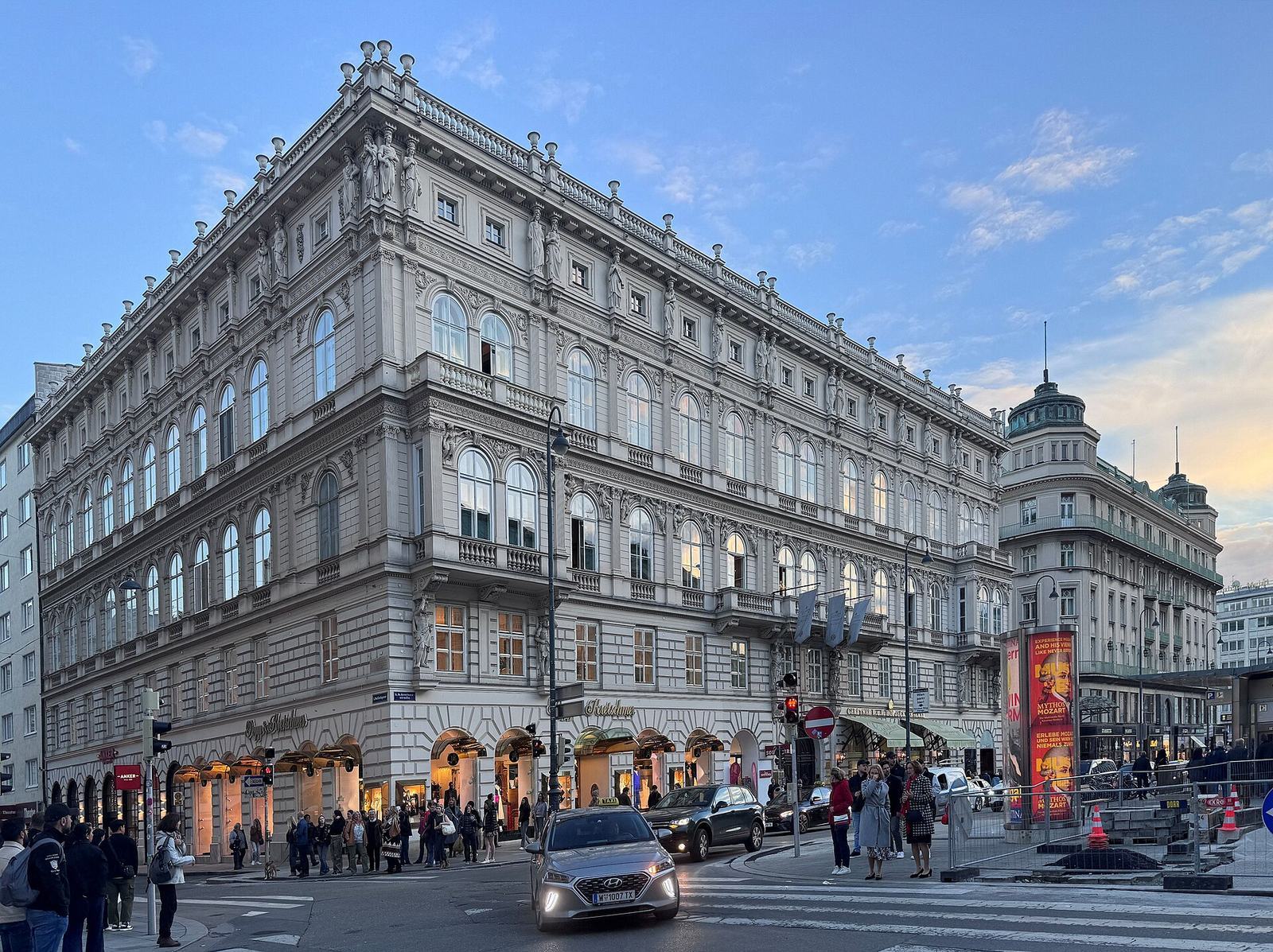
Palais Todesco is a Renaissance Revival palace in Vienna, Austria, built between 1861 and 1864 for Baron Eduard von Todesco, a wealthy banker and businessman. Renaissance Revival architecture draws on forms and motifs associated with the Renaissance. The palace became a family residence, an artistic salon, and a setting for commercial and political activity.
The Todesco family and its salon
The Jewish Todesco family had origins in Romania, and their father manufactured silk in Padua. Eduard later received the title of baron. His wife, Sophie, held an artistic salon at the palace, attended by Austrian writers Hugo von Hofmannsthal and Ferdinand von Saar, Norwegian playwright Henrik Ibsen, and Russian pianist and composer Anton Rubinstein. The palace also hosted theatrical performances. Johann Strauss II met his future wife, Henrietta Treffz, there; at the time, she was the mistress of Eduard’s brother, Moritz Todesco.
Soon after the palace was completed, Viennese hotelier and restaurateur Eduard Sacher rented ground-floor rooms for a delicatessen and restaurant. During the monarchy, P. & C. Habig operated a branch there as a supplier to the Habsburg court.
Freud and the von Lieben family
Sigmund Freud, the Austrian neurologist who founded psychoanalysis, visited frequently from 1887 to 1900 because Eduard’s daughter, Anna von Lieben, was his patient. Freud’s books referred to her by the pseudonym “Cäcilie M.” Anna’s son, Robert von Lieben, grew up in the palace and became a well-known inventor.
Persecution, damage, and later use
The Jewish Todesco and von Lieben families were persecuted after the Anschluss, Nazi Germany’s annexation of Austria in 1938. The palace had been sold in 1935 to Versicherungsanstalt der österreichischen Bundesländer, Versicherungs AG, an Austrian insurance company later known as Uniqa Insurance Group.
The building suffered severe damage during the Second World War and was restored afterward. From 1947 to 1993, it housed the headquarters of the Austrian People’s Party. The palace has been under state protection since 1976, and further restoration took place in 1978–79.
Remains
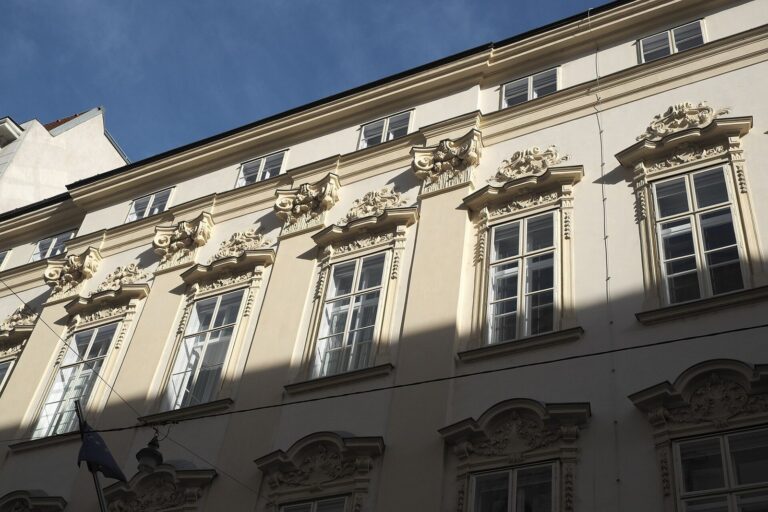
Building and decoration
The palace stands on Kärntner Straße, opposite the Vienna State Opera and alongside the Ringstraße, Vienna’s grand boulevard around its historic inner city. It occupies the former site of the Kärntner Gate and has five above-ground floors.
Exterior
Ludwig Förster designed the exterior of the palace.
Interior decoration
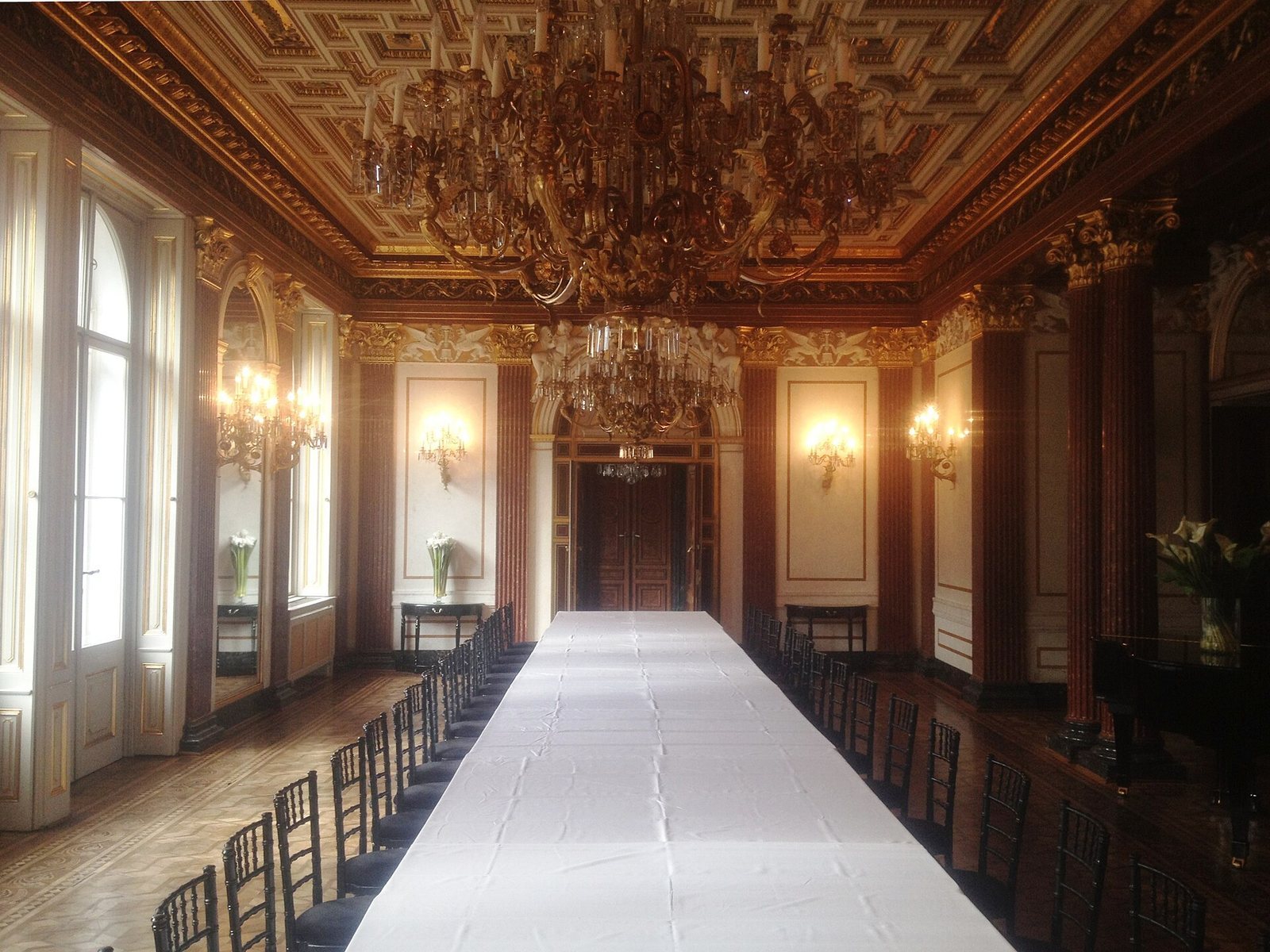
Theophil von Hansen designed the interiors. Carl Rahl painted frescoes in the halls, and Gustav Gaul painted the ceiling.