Palácio Foz: A Neoclassical Palace in Lisbon
Site at a Glance
- Rating
- 4.4
- Popularity
- Medium
- Country
- Portugal
- Primary era
- Early Modern
- Eras represented
- Early Modern
- Civilizations
- Portuguese
- Site type
- Domestic
- Remains
- Elite Residence
On this page7 sections
History
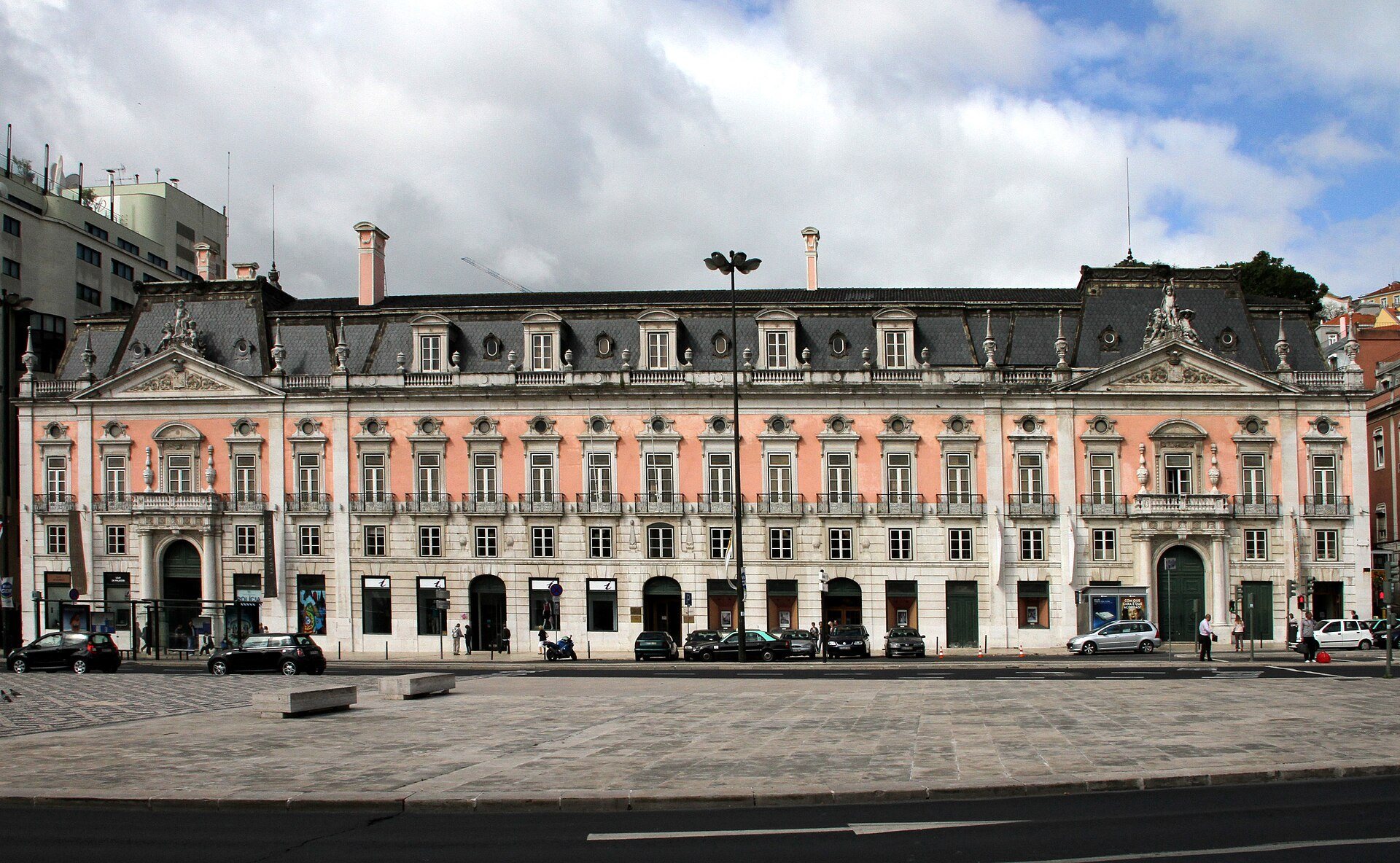
Palácio Foz is a Neoclassical palace in Lisbon, Portugal, whose construction began in the eighteenth century on property acquired by the Count of Castelo Melhor in 1711. Neoclassicism, an architectural style inspired by ancient Greek and Roman forms, emphasizes symmetry, proportion, and classical ornament. The property already included a sixteenth-century chapel built by Manuel de Castro.
From Castelo Melhor Palace to nineteenth-century rebuilding
Originally known as Palácio Castelo Melhor, the palace was severely damaged by the 1755 Lisbon earthquake, a major earthquake and tsunami disaster that caused extensive destruction across the city and led to large-scale rebuilding. A new palace was ordered after the disaster, although the work was affected by delays, including the death of the first Marquis of Castelo Melhor in 1769.
Further works were ordered in 1792 by the second Marquis of Castelo Melhor and organized by the architect Francisco Xavier Fabri. In 1845, the fourth Marquis of Castelo Melhor ordered another phase of work on the recommendation of Lisbon Municipal Council. These works were completed in 1858, contributing to the palace’s nineteenth-century form.
The Foz family and changing uses
In 1889, Tristão Guedes Correia de Queirós, the first Marquis of Foz, acquired the palace and commissioned the architect José António Gaspar to make further modifications. The building was later mortgaged to Crédito Predial. Between 1910 and 1939, it housed several establishments, including the A Abadia restaurant, Pastelaria Foz, and the Central cinema hall.
The Portuguese government acquired Palácio Foz in 1940 and evicted its tenants. The palace then became the headquarters of the Secretariat of National Propaganda, an Estado Novo institution concerned with propaganda, information, and tourism policy. In 1968, that institution was transformed into the State Secretariat for Information and Tourism.
Following the Revolution of 25 April 1974, which overthrew the Estado Novo and prompted the reorganization or abolition of several of its institutions, the Institute of Social Communication moved into the palace. Palácio Foz is now owned by the Secretariat-General of the Presidency of the Council of Ministers and accommodates public and private institutions, offices, and exhibitions. It is classified as a Property of Public Interest under Portugal’s heritage-protection system. Rehabilitation works begun in 2023 were projected to continue through 2025 because of the complexity of the intervention.
Remains
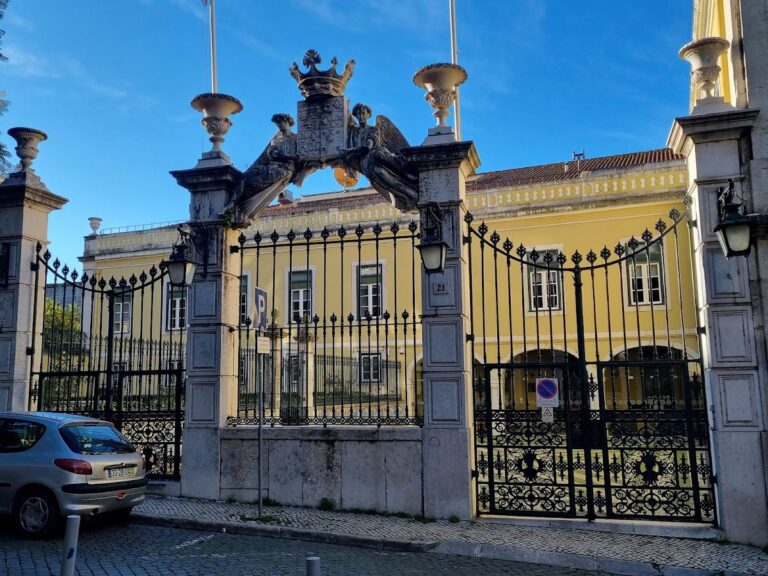
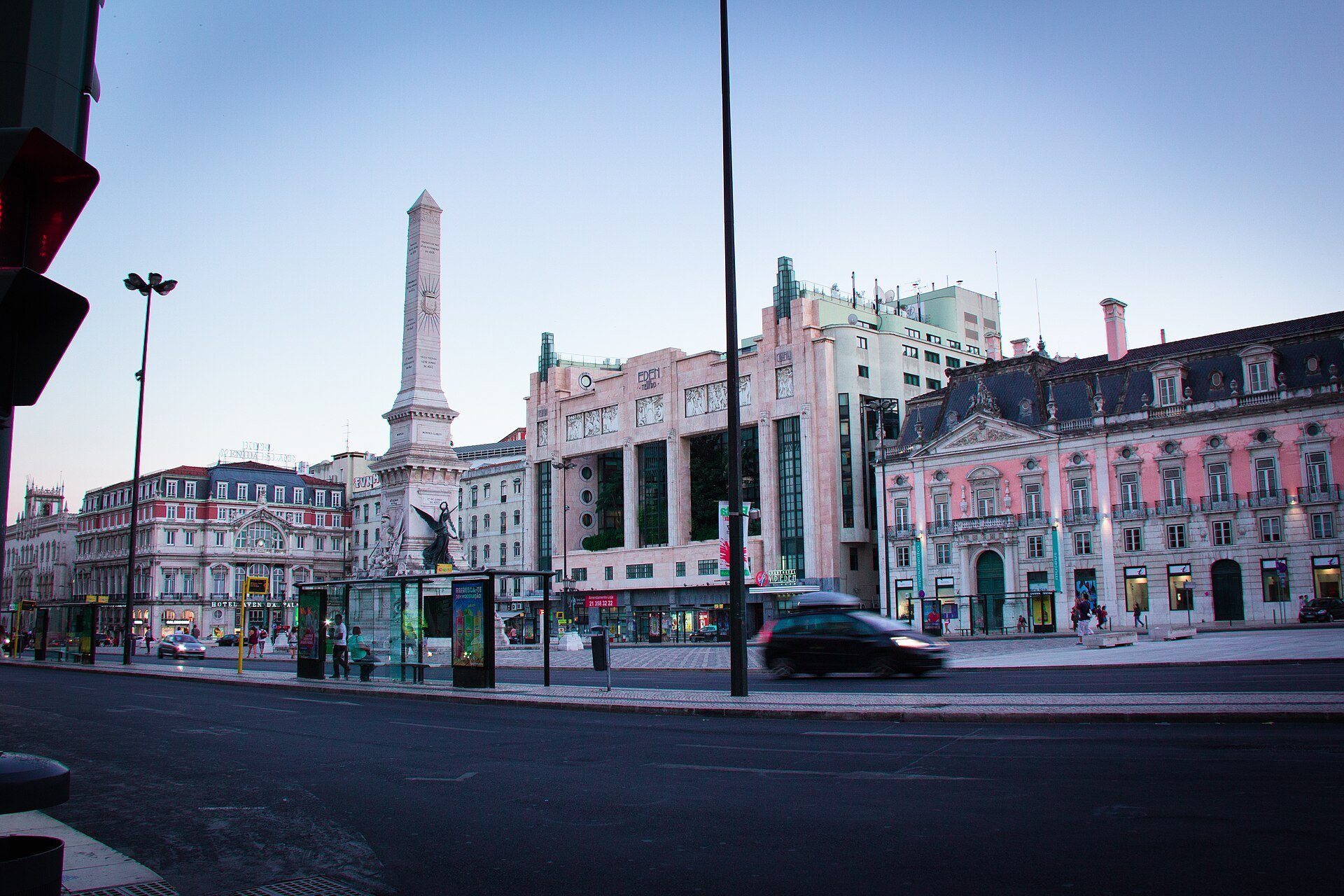
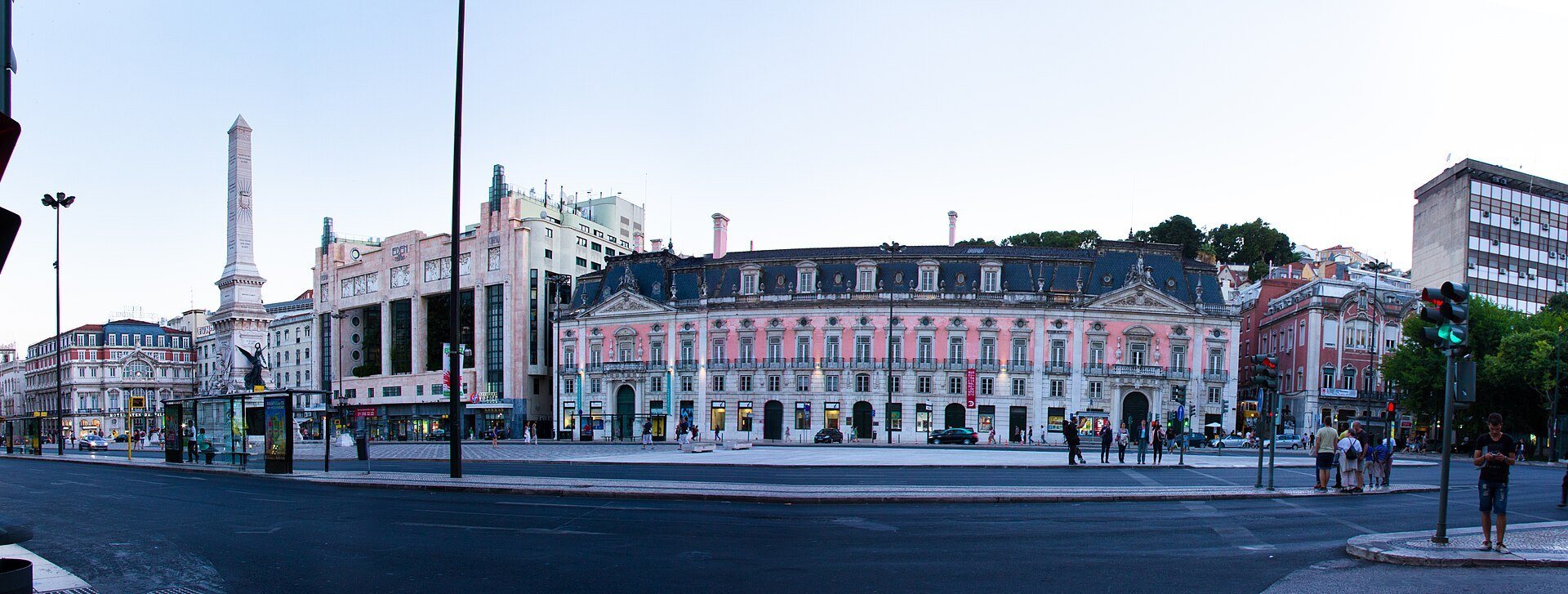
Palácio Foz stands in Praça dos Restauradores beside Lisbon’s Baixa district. Its physical character reflects eighteenth-century construction, nineteenth-century restoration, and later modifications. The palace includes spaces used for institutional headquarters, exhibitions, and cultural activities.
Palace and chapel
Palácio Foz
The palace is a Neoclassical building associated first with Francisco Xavier Fabri and later with José António Gaspar. Construction began in the eighteenth century, while restoration and additional work continued during the nineteenth century. Its rooms now accommodate public and private institutions, including Cinemateca Júnior, the National Sports Museum, and the Lisbon Tourism Association.
Sixteenth-century chapel
The property incorporated a chapel constructed by Manuel de Castro in the sixteenth century. This earlier religious building formed part of the setting on which the later palace was established.