Palácio do Conde de Óbidos: A Lisbon Palace and Portuguese Red Cross Headquarters
Site at a Glance
- Popularity
- Medium
- Country
- Portugal
- Primary era
- Early Modern
- Eras represented
- Early Modern
- Civilizations
- Portuguese
- Site type
- Domestic
- Remains
- Elite Residence
On this page7 sections
History
Seventeenth-century palace
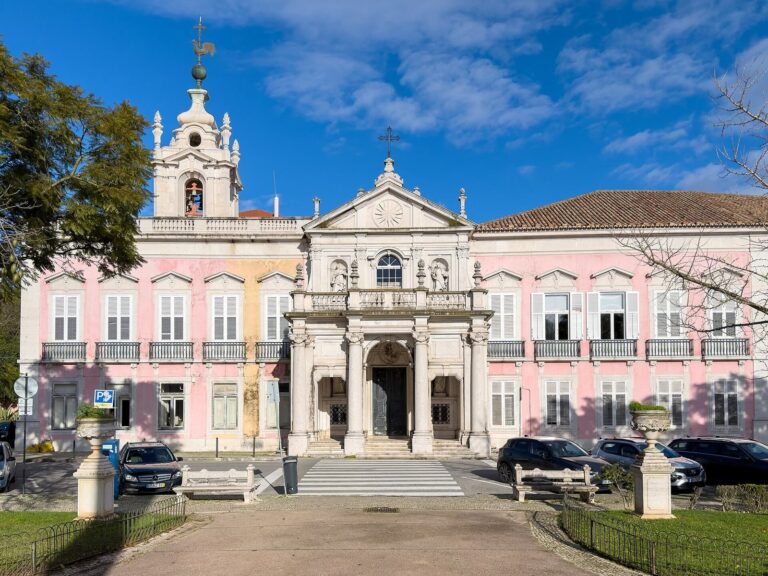
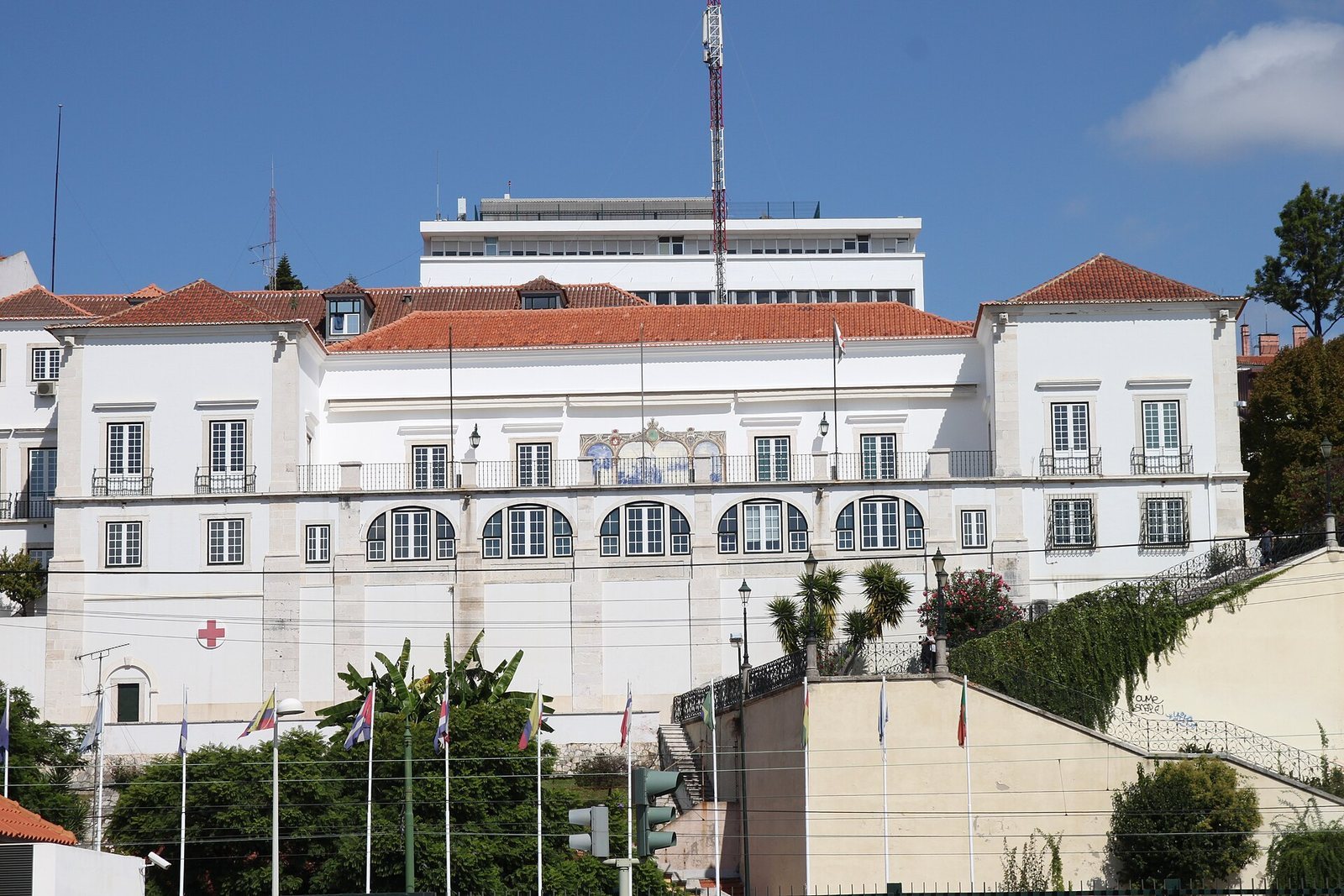
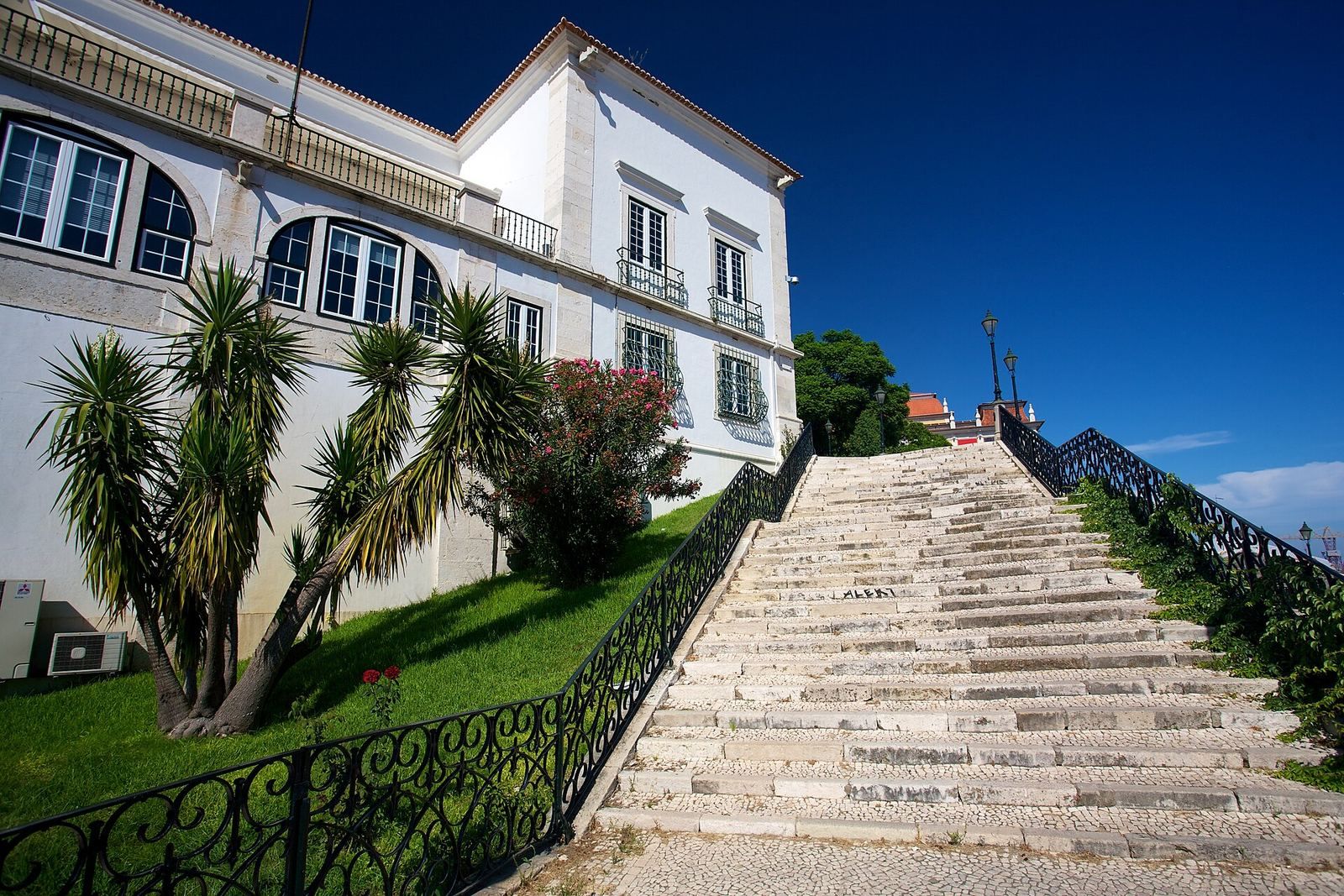
Palácio do Conde de Óbidos is a seventeenth-century Portuguese palace in Estrela, Lisbon, Portugal, built by D. Vasco de Mascarenhas, a Portuguese nobleman and military and political figure.
Red Cross and later uses
On 30 June 1919, the Portuguese Red Cross bought the palace from its then owner, Count of Óbidos D. Pedro de Melo de Assis Mascarenhas. The building became the organization’s property and is now its headquarters. At the time of the purchase, the palace’s principal area was leased to the English Club. The Portuguese Academy of History, a scholarly institution devoted to the study of Portugal’s past, occupied that space after the Red Cross arrived.
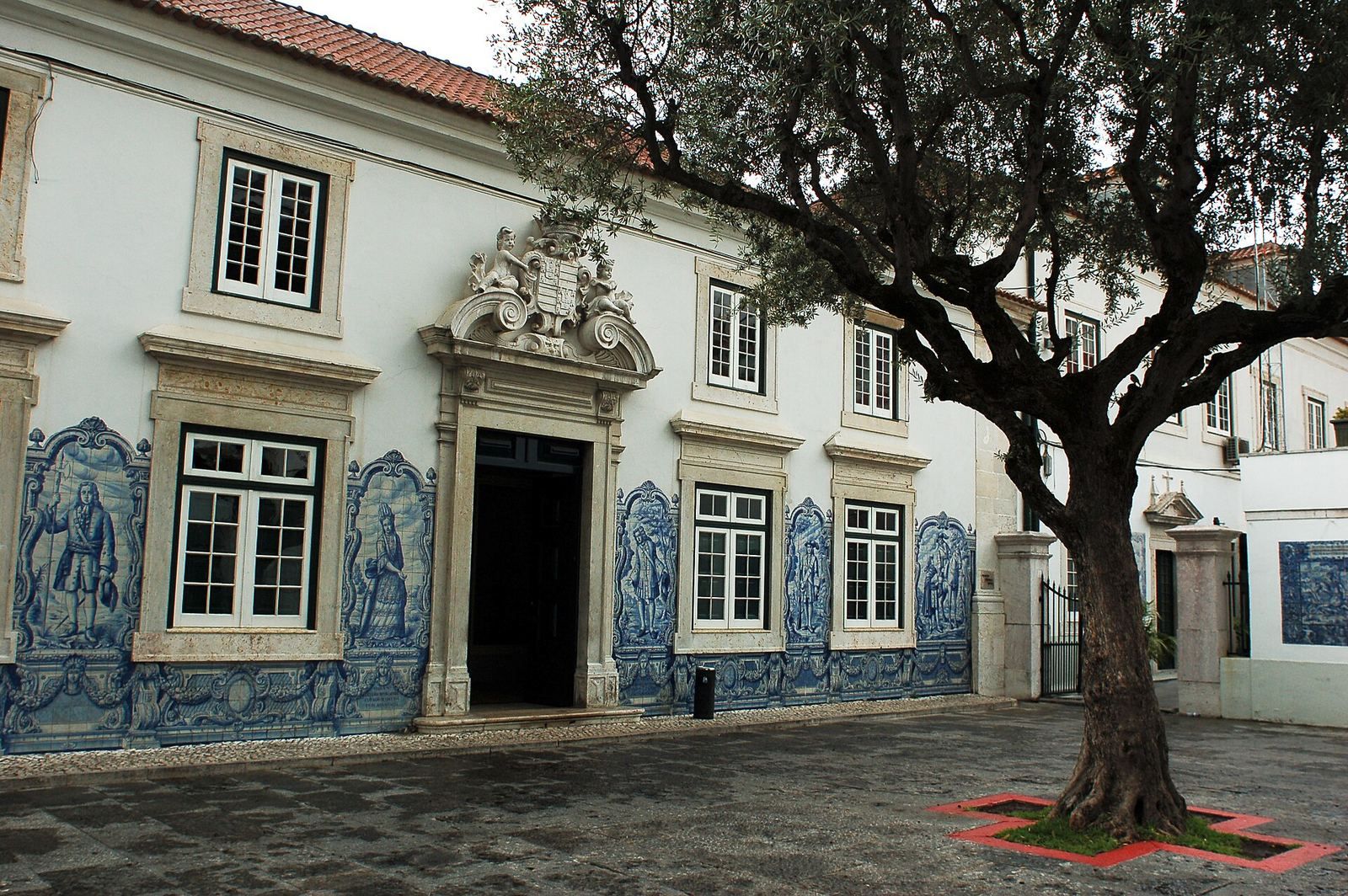
During the Second World War, the palace served as an infirmary for prisoners from the countries at war. The Portuguese painter and tile artist Jorge Colaço also lived at the palace.
After the Red Cross’s services moved permanently into the building, it underwent a complete renovation and redecoration. In 1993, it was designated a Property of Public Interest, a Portuguese legal status for protected cultural heritage. Much of the palace’s use is devoted to social and cultural events.
Remains
Rock setting and terrace
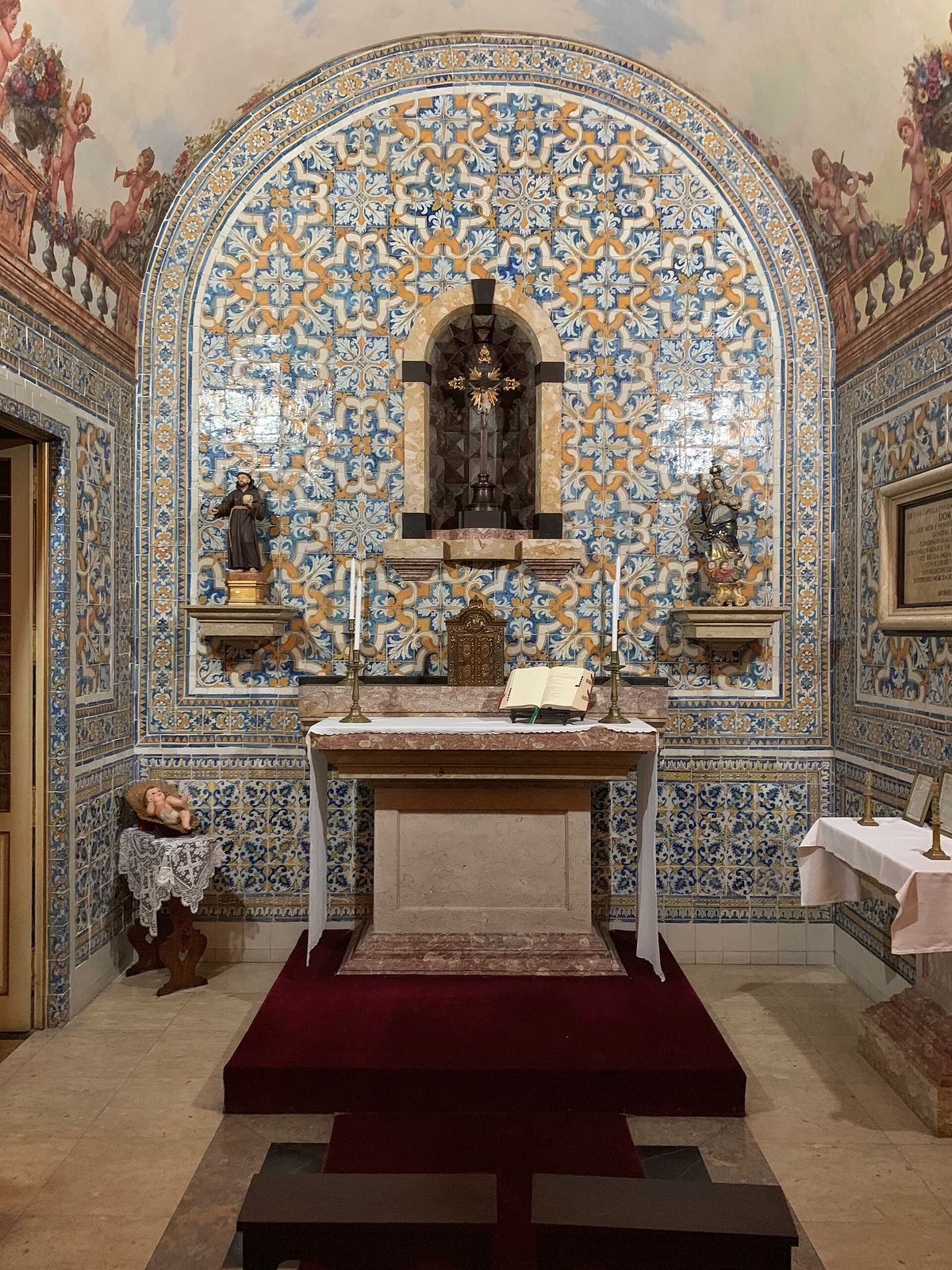
The palace’s physical setting centers on the rock beneath it and the terrace, where a large decorative tile panel is displayed.
Rock setting
The palace stands atop a huge rock that was once visible from the Tagus. The rock has since been largely levelled and covered. This setting gave the building its alternative name, Palácio da Rocha.
Jorge Colaço’s tile panel
A large panel of glazed ceramic tiles by Jorge Colaço is displayed on the terrace. It alludes to the arrival in Brazil of the first Westerners with Portuguese navigator Pedro Álvares Cabral, whose name is associated with the Portuguese arrival there in 1500.